
Sarek Wilderness, Sweden’s Amazing Solitude, Sami Culture & Arctic Majesty (2026)
While crowds flock to the marked trails of Abisko National Park, Sarek Wilderness, Sweden delivers a profound, untamed Arctic experience without a single maintained path, hotel, or road within its 1,970 square kilometers. Here, you’ll navigate the same glacier-carved valleys and roaring rivers as the indigenous Sami have for millennia, sharing the land with bears, lynx, and herds of reindeer. This isn’t a curated park; it’s Europe’s last great wilderness, where savvy travelers trade convenience for raw, unfiltered connection.
Why Sarek Wilderness, Sweden Stands Out

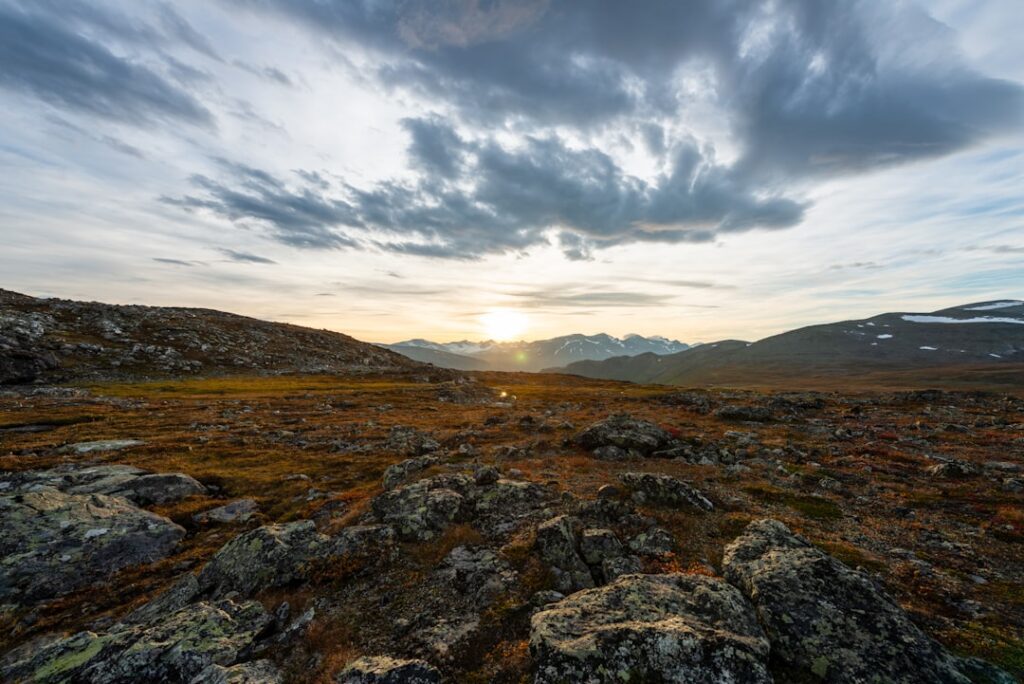
Green grass field near mountain under white clouds during daytime, Sarek Wilderness, Sweden
- Historic Architecture: The traditional Sami *kåta* (goat-hide tent) and *lávvu* (tipi-style dwelling) represent a nomadic architectural heritage dating back over a thousand years, perfectly adapted to the Arctic environment.
- Cultural Scene: The annual reindeer migrations, particularly the spring *boazovázzi*, are a living cultural spectacle where you might witness Sami herders guiding thousands of reindeer through the valleys.
- Local Specialties: Suovas, lightly salted and smoked reindeer meat, is a protein-rich staple you’ll want to pack; its rich, gamey flavor is the taste of the mountains.
Pro Tip: Your best bet for manageable river crossings and fewer mosquitoes is the short window from late August to early September. The autumn colors (*ruska*) are spectacular, rivers are lower, and the first dustings of snow on the peaks are magical.
Map of Sarek Wilderness, Sweden
Use these interactive maps to explore Sarek Wilderness, Sweden and plan your route:
📍 View Sarek Wilderness, Sweden on OpenStreetMap
🗺️ Open Sarek Wilderness, Sweden in Google Maps
Planning Your Trip: Practical Essentials
Getting There and Around
- By Air: Fly into Kiruna Airport (KRN), served by SAS and Norwegian from Stockholm. From there, you’ll need a 1.5-hour train or bus to Gällivare or Jokkmokk, then a final taxi or pre-booked shuttle to your trailhead (like Kvikkjokk or Ritsem). Book flights at Skyscanner for best deals.
- By Train: Overnight trains from Stockholm to Gällivare or Murjek (near Jokkmokk) are a classic Swedish travel experience with SJ. The journey takes about 14-15 hours. Reserve tickets at Trainline or the national railway website.
- By Car: Driving the E45 to Gällivare or Jokkmokk offers flexibility, but you cannot drive into Sarek. You’ll need to park at a trailhead (secure long-term parking costs ~150 SEK/day). Compare car rentals at RentalCars.com.
- Local Transport: There is no public transport within Sarek. Your transport is your feet. Between gateway towns, local buses are sparse; taxis or pre-arranged transfers are necessary. Check the Länstrafiken Norrbotten website for regional bus schedules.
Best Time to Visit
Season dictates everything in Sarek. Summer offers midnight sun but fierce mosquitoes; winter is for expert ski-tourers only. Most hikers target the brief, golden windows on either side of the high summer.
| Season | Weather | Highlights |
|---|---|---|
| Summer (Jun–Aug) | 5°C to 15°C (41°F to 59°F). Long days, midnight sun in June/July, high mosquito activity, frequent rain. | Access to high passes, lush valleys, 24-hour daylight for hiking. Peak (but still low) visitor numbers. |
| Winter (Dec–Feb) | -15°C to -30°C (5°F to -22°F). Polar night, deep snow, extreme conditions. | Aurora borealis, ski touring and pulk expeditions for experts only. Profound solitude. |
| Shoulder (Late Aug–Mid Sep) | 0°C to 10°C (32°F to 50°F). Cooling temps, possible early snow, dramatic light. | Fewer insects, stunning autumn colors (*ruska*), lower rivers for easier crossings. The prime hiking season. |
Budgeting for Sarek Wilderness, Sweden

Green and blue mountains at daytime, Sarek Wilderness, Sweden
| Category | Budget | Mid-range | Luxury |
|---|---|---|---|
| Accommodation | Wild camping (free) or mountain huts (~450 SEK/night) | Guesthouse in Kvikkjokk (~900 SEK/night) | Guided tour with all logistics included (~5000+ SEK/day) |
| Meals | Self-cooked dehydrated meals (~150 SEK/day) | Meals at STF stations (~300 SEK/meal) | Full catering on guided expeditions |
| Transport | Bus/train to trailhead (~600 SEK) | Taxi transfers from train station (~1200 SEK) | Helicopter drop-in/out (from 3000 SEK) |
| Activities | Hiking (free), fishing (license ~150 SEK) | Day guide for a specific route (~1500 SEK/day) | Multi-day guided wilderness trek |
| Daily Total | ~300-500 SEK/day | ~1200-2000 SEK/day | 6000+ SEK/day |
Top Attractions and Must-See Sights
| Attraction | Description | Hours | Entry Fee |
|---|---|---|---|
| Rapadalen (Rapa Valley) | Known as “Sarek’s Grand Canyon,” this vast delta is carved by the Rapaätno River, with braiding channels and jagged peaks like Skierfe offering iconic views. | Always accessible | Free |
| Áhkká Massif | This dramatic cluster of 13 peaks, often called the “Queen of Lapland,” features glaciers and provides a stunning backdrop for the Stora Sjöfallet lake system. | Always accessible | Free |
| Pielavalta & the Pielavagge Valley | A classic, relatively accessible valley leading into the heart of Sarek, featuring beautiful birch forests, the Piela river, and views of the Nammatj massif. | Always accessible | Free |
| Sarek’s Glacier Systems | Over 100 glaciers, including Mikka, Pårte, and Sarektjåkkå, define the landscape; observing their blue ice and hearing their creaks is a humbling experience. | Always accessible | Free |
3-Day Itinerary: Sarek Wilderness, Sweden’s Highlights & Hidden Gems
Note: This is a sample short itinerary for experienced hikers. Most Sarek treks last 7-10 days. This loop starts from the Kvikkjokk mountain station.
Day 1: Into the Gateway Valley
- Morning (7-9 AM): Final gear check and registration at the Kvikkjokk Mountain Station. Pick up last-minute supplies and a detailed weather forecast. The station opens at 8 AM.
- Afternoon (12-5 PM): Begin the hike into the Pielavagge Valley. The well-trodden path follows the Piela River. Stop for a lunch of crispbread and suovas at a scenic riverside spot. The day’s goal is to reach the first designated camping area near the old Piela cabin ruins, about 12 km in.
- Evening (6-8 PM): Set up camp, filter water from the river, and cook a hearty dinner. As the sun dips low (even in summer), the light on the surrounding fells is unforgettable. Listen for the call of the golden plover.
Day 2: Alpine Ascent & High Views
- Morning (7 AM): Break camp early and continue up Pielavagge. The trail becomes fainter. Your objective is to ascend the pass towards the Tarradalen valley. This involves some boulder-hopping and route-finding (~600m ascent).
- Afternoon (1 PM): Reach the pass and enjoy a spectacular packed lunch with views back down Pielavagge and forward into the wilder interior. Descend carefully into the upper reaches of Tarradalen.
- Evening (5 PM): Find a sheltered spot to camp near a water source. This is true wilderness—no other huts or people in sight. A warm drink and a careful study of the map for tomorrow’s route are the evening’s activities.
Day 3: River Crossings & Return
- Morning (8 AM): Navigate down the Tarradalen valley, which will involve several fords of the Tarraätno River. Test water depth with poles—knee-high is manageable, thigh-high requires extreme caution. Wear sturdy sandals for fording.
- Afternoon (12 PM): Connect back to the main trail towards Kvikkjokk. Stop for a final wilderness lunch by a tranquil lake, savoring the last of your reindeer meat.
- Evening (4 PM): Arrive back at Kvikkjokk Mountain Station. Reward yourself with a sauna (available for guests, ~100 SEK) and a proper dinner at the station’s restaurant—their Arctic char is a local delight.
Cultural Insights & Etiquette
- Language: Swedish is official, but Northern Sami is the historical language of the region. Key phrases: “Bures” (Hello), “Giitu” (Thank you). English is widely spoken in gateway towns.
- Customs: The land is a working landscape for Sami reindeer herding. Always give reindeer herds and herders’ cabins a wide berth. Never block or disturb migrating reindeer.
- Tipping: Not customary in Sweden, even in restaurants. For exceptional guided tour service, a small tip is appreciated but not expected.
- Dress Code: Functional, weather-appropriate layers are essential. In towns, dress is casual. In the wilderness, prioritize technical gear over fashion.
- Business Hours: Shops in small towns may close early (by 5 PM) and have limited hours on weekends. Mountain stations have longer hours during the season but always check in advance.
Where to Eat: Sarek Wilderness, Sweden’s Best Bites
Dining in Sarek is about your camp stove. In the gateway towns and mountain stations, you’ll find hearty, calorie-dense food designed to fuel adventurers, with a strong focus on local game, fish, and berries.
Must-Try Local Specialties
- Suovas: Smoked reindeer meat, often eaten thinly sliced on crispbread. It’s your best trail food. Buy it vacuum-packed in supermarkets in Gällivare or Jokkmokk.
- Arctic Char (Röding): A delicious freshwater fish, often pan-fried or smoked. Try it at the Kvikkjokk or Saltoluokta mountain station restaurants.
- Cloudberries (Hjortron): The golden, tart Arctic berry, served as jam, in desserts, or even as a sauce for game. A true seasonal luxury.
Restaurant Recommendations by Budget
| Type | Restaurant | Specialty | Price Range |
|---|---|---|---|
| Budget | Kvikkjokk Mountain Station Café | Hearty soups, sandwiches, and daily specials for hikers. | 80-150 SEK |
| Mid-range | Hotel Gällivare Restaurant | Modern takes on Norrbotten cuisine, like reindeer fillet with lingonberries. | 250-400 SEK for a main |
| Fine dining | Ájtte Museum Restaurant (Jokkmokk) | Elegant Sami-inspired tasting menus featuring local ingredients in a cultural setting. | 600+ SEK for a set menu |
Where to Stay
Accommodation is either in the wilderness (camping/huts) or in the gateway towns. Booking ahead for mountain stations and guesthouses is crucial, especially in summer. Compare prices and book at Booking.com or Airbnb for apartments in towns like Gällivare.
Best Neighborhoods for Accommodation
- Kvikkjokk: The southern gateway. Home to a vital Swedish Tourist Association (STF) mountain station. Pros: Direct trail access, sauna, supplies. Cons: Remote, limited options. Suits hikers starting southern routes.
- Jokkmokk: A cultural hub with the excellent Ájtte Museum. Pros: More services, shops, cultural insight. Cons: Requires a transfer to the trailhead (1+ hour). Suits those wanting a cultural prelude.
- Ritsem (Stora Sjöfallet): The northern gateway, accessed by road. Pros: Dramatic views of Áhkká, access to boat transport across Lake Akkajaure. Cons: Fewer amenities than Jokkmokk. Suits hikers starting northern circuits.

A view of a mountain with a lake in the middle of it, Sarek Wilderness, Sweden
FAQs: Your Sarek Wilderness, Sweden Questions Answered
1. Is Sarek Wilderness, Sweden safe at night?
The primary risks are environmental, not criminal. In the wilderness, practice proper food storage to avoid attracting wildlife (bears and wolverines are present). The midnight sun can disrupt sleep; an eye mask is recommended. In gateway towns, crime is virtually nonexistent; standard travel precautions are sufficient.
2. What currency is used and are credit cards accepted?
Swedish Krona (SEK) is the currency. Credit/debit cards (especially Visa and Mastercard) are accepted almost everywhere, even at remote mountain stations. However, savvy travelers always carry some cash (500-1000 SEK) for small vendors, sauna fees, or emergencies where electronic systems might be down.
3. How do I get from the airport to the trailhead?
From Kiruna Airport, take the airport bus to Kiruna city center, then the train to either Gällivare or Murjek. From these stations, you must book a taxi in advance to your specific trailhead (e.g., Kvikkjokk, ~1.5 hours, ~1200 SEK). Book airport transfers at GetYourGuide for convenience for the initial leg, but note they won’t go to the remote trailheads.
4. Do I need to speak the local language?
No. English proficiency is very high in Sweden. In tourist offices, mountain stations, and with younger people, you’ll have no issues. Learning a few basic Swedish or Sami phrases is a respectful gesture greatly appreciated by locals.
5
Explore More Destinations
- Jozani, Tanzania on a Budget: an Ancient Forest for $35/Day (2026)
- Nsumbu, Zambia on a Budget: Wild Africa for $40/Day (2026)
- Semporna, Malaysia on a Budget: Paradise for $35/Day (2026)
- Khuzestan, Iran on a Budget: Ancient Empires for $30/Day (2026)
- Ngerulmud, Palau on a Budget: Island Majesty for $45/Day (2026)
Ready to Visit Sarek Wilderness?
Start planning your trip today. Compare hotels, find the best tours, and get insider tips.
Your adventure in Sarek Wilderness starts here →
Related Guides
Explore more destinations similar to Sarek Wilderness:
- Nova Gorica, Slovenia’s Hidden Wine, History & A Borderless Vibe (2025)
- Svaneti Scenery, Georgia’s Ultimate Towers, Trails & Timeless Culture (2026)
- Iași, Romania’s Ultimate Palaces, Poetry & Bohemian Charm (2026)
- Maribor, Slovenia’s Stunning Wine, Riverside Charm & Alpine Vistas (2025)
{“@context”: “https://schema.org”, “@type”: “FAQPage”, “mainEntity”: [{“@type”: “Question”, “name”: “What is the best time to visit Sarek Wilderness?”, “acceptedAnswer”: {“@type”: “Answer”, “text”: “The best time to visit Sarek Wilderness depends on your preferences. Generally, the dry season offers the most pleasant weather for sightseeing and outdoor activities.”}}, {“@type”: “Question”, “name”: “How many days do I need in Sarek Wilderness?”, “acceptedAnswer”: {“@type”: “Answer”, “text”: “Most travelers spend 3-5 days in Sarek Wilderness to see the main attractions. A week allows for a more relaxed pace and day trips.”}}, {“@type”: “Question”, “name”: “Is Sarek Wilderness expensive to visit?”, “acceptedAnswer”: {“@type”: “Answer”, “text”: “Sarek Wilderness can be visited on various budgets. Accommodation ranges from hostels to luxury hotels, and local restaurants offer affordable dining.”}}]}

