
Tsingy Landscape, Madagascar: Amazing Adventure, Biodiversity & Geological Wonder (2026)
Just after dawn, the Tsingy de Bemaraha National Park transforms into a cathedral of stone. The first golden light catches the pinnacles of the Grand Tsingy, casting shadows that look like a petrified forest stretching to the horizon. The only sounds are the calls of Decken’s sifakas leaping between razor-sharp limestone spires and the wind whistling through canyons carved over 200 million years. This isn’t a landscape you simply see; it’s one you feel in your bones, a testament to nature’s most extreme architecture.
Why Tsingy Landscape, Madagascar Stands Out

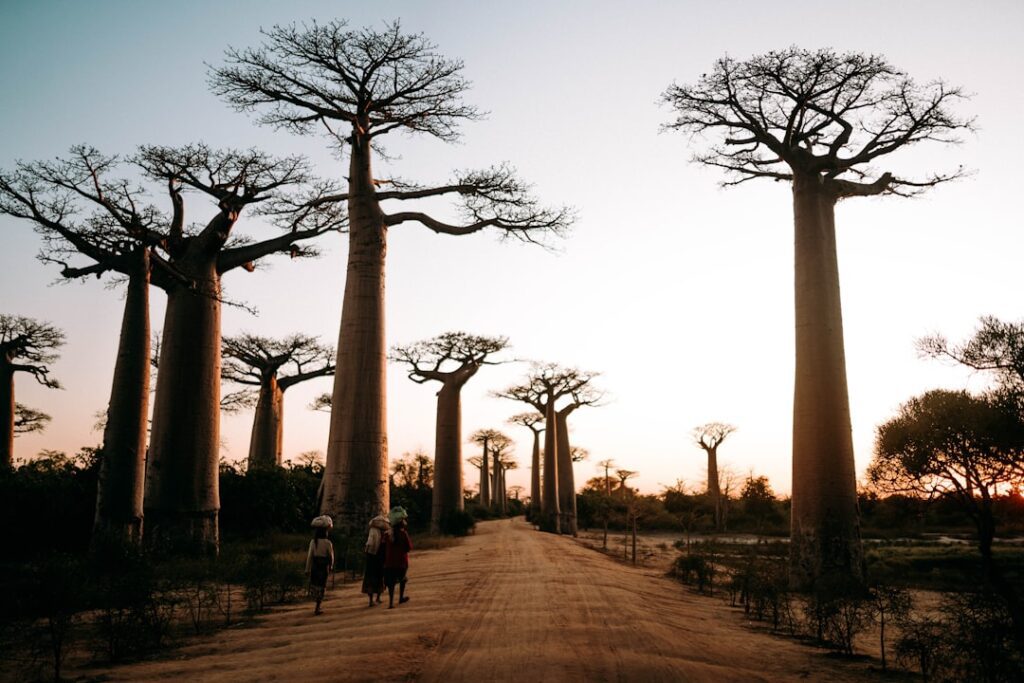
Avenue of the Baobabs, Madagascar during day, Tsingy Landscape, Madagascar
- Historic Architecture: The Grand Tsingy itself, a 200-million-year-old Jurassic limestone formation shaped by monsoon rains into a labyrinth of knife-edge karst spires, is the world’s largest stone forest.
- Cultural Scene: The annual Famadihana, or “turning of the bones,” ceremony practiced by local Malagasy communities honors ancestors and connects the living to the spiritual landscape.
- Local Specialties: Romazava, a hearty beef and leafy green stew considered the national dish, is a must-try for energy after a day of trekking.
Pro Tip: Visit during the dry season from April to November. The park is often closed during the rainy season (December to March) as roads become impassable and the limestone becomes dangerously slippery. Arrive at the park gates by 7:00 AM to secure a local guide and beat both the heat and any potential crowds at the suspension bridges.
Map of Tsingy Landscape, Madagascar
Use these interactive maps to explore Tsingy Landscape, Madagascar and plan your route:
📍 View Tsingy de Bemaraha National Park on OpenStreetMap
🗺️ Open Tsingy de Bemaraha in Google Maps
Planning Your Trip: Practical Essentials
Getting There and Around
- By Air: Fly into Ivato International Airport (TNR) in Antananarivo. From there, take a domestic flight with Air Madagascar or Tsaradia to Morondava (MOQ), a 1.5-hour journey. Book flights at Skyscanner for best deals.
- By Train: There are no direct train services to the Tsingy. All travel from Morondava is by 4×4 vehicle.
- By Car: From Morondava, it’s a rugged 8-10 hour 4×4 journey north along the famous Avenue of the Baobabs and through the Manambolo River region. A 4×4 with an experienced driver is non-negotiable. Compare car rentals at RentalCars.com for Antananarivo, but book a driver-guide package locally in Morondava for the Tsingy trek.
- Local Transport: Within the park, transport is on foot. You’ll need to hire an official park guide at the entrance. River sections of the journey use local pirogues (canoes).
Best Time to Visit
The Tsingy is a seasonal destination. Your entire experience hinges on timing your visit during the dry, accessible months when the park is open and the trails are safe.
| Season | Weather | Highlights |
|---|---|---|
| Dry Season (Apr–Nov) | Warm, sunny days (25-30°C/77-86°F), cool nights. Virtually no rain. | Park is fully open. Ideal for climbing the Grand Tsingy and wildlife spotting. Peak season is July-August. |
| Rainy Season (Dec–Mar) | Heavy daily rains, high humidity, temperatures around 30°C (86°F). | Park is CLOSED to visitors. Roads are flooded and limestone formations become lethally slippery. Not recommended. |
| Shoulder (Apr–May/Oct–Nov) | Pleasant temperatures, low chance of rain, lush greenery. | Best balance of good weather and fewer visitors. Perfect for photography and relaxed exploration. |
Budgeting for Tsingy Landscape, Madagascar

Silhouette of trees during sunset, Tsingy Landscape, Madagascar
| Category | Budget | Mid-range | Luxury |
|---|---|---|---|
| Accommodation | Camping or basic bungalow: $15-25/night | Comfortable lodge near park: $60-100/night | All-inclusive safari-style camp: $250+/night |
| Meals | Local *hotely* meals: $3-5 | Lodge restaurant: $10-15 per meal | Full-board at luxury camp: Included |
| Transport | Shared 4×4 from Morondava: ~$50 | Private 4×4 & driver: $150-200/day | Private charter flight + 4×4: $1000+ |
| Activities | Park entry + Petit Tsingy: $25 | Guide for Grand Tsingy: +$15 | Multi-day guided expedition: $500+ |
| Daily Total | $70-100/day | $200-350/day | $500+/day |
Top Attractions and Must-See Sights
| Attraction | Description | Hours | Entry Fee |
|---|---|---|---|
| Grand Tsingy | The iconic stone forest; a challenging via ferrata with harnesses across suspension bridges with dizzying views. | 7:00 AM – 3:00 PM (Must start early) | ~$40 (inc. guide & gear) |
| Petit Tsingy | A more accessible introduction to the karst formations, perfect for shorter walks and initial wildlife spotting. | 7:00 AM – 4:00 PM | ~$25 (inc. guide) |
| Manambolo Gorge | A serene canoe trip through towering canyon walls, visiting caves and Tombs of the Vazimba people. | Daylight hours | ~$15 (pirogue rental) |
| Avenue of the Baobabs | The legendary corridor of ancient baobab trees, a breathtaking sunset stop on the route from Morondava. | Always open | Free (Small fee for parking) |
3-Day Itinerary: Tsingy Landscape, Madagascar’s Highlights & Hidden Gems
Day 1: Gateway to the Stone Forest
- Morning (5:30 AM): Sunrise at the **Avenue of the Baobabs**. The 800-year-old trees glow in the soft light, and you’ll beat the tour buses. It’s a 45-minute drive from Morondava.
- Afternoon (12:00 PM): Begin the 4×4 journey north. Stop for a picnic lunch in Bekopaka village. Check into your lodge, like **Le Soleil des Tsingy**, and arrange your park permits and guide for the next day.
- Evening (6:00 PM): Dinner at your lodge. Try the local **Romazava** stew. Attend a brief orientation by your guide about the following day’s challenging Grand Tsingy trek.
Day 2: Conquering the Grand Tsingy
- Morning (6:30 AM): Early breakfast. Drive to park entrance (~30 mins). Meet your mandatory guide, get fitted with a harness, and start the 3-4 hour trek. The highlight is crossing the **Cathedral** and **Suspension Bridge** sections with heart-stopping views.
- Afternoon (1:00 PM): Descend and enjoy a packed lunch in a shaded area. Visit the sacred **cave of the ancestors** near the park entrance, a site of deep cultural significance.
- Evening (5:00 PM): Return to the lodge utterly exhausted but exhilarated. A cold THB (Three Horses Beer) on the lodge terrace is the perfect reward.
Day 3: Gorges & Return Journey
- Morning (8:00 AM): A gentler **pirogue (canoe) trip** through the **Manambolo Gorge** (~$15). Your guide will point out crocodiles, lemurs, and the hidden **Tombs of the Vazimba**, the island’s first inhabitants, set high in the cliff face.
- Afternoon (12:00 PM): Lunch back in Bekopaka. Begin the long 4×4 return journey to Morondava, with a final stop for photos at the baobabs in the afternoon light.
- Evening (7:00 PM): Arrive in Morondava. Celebrate your adventure with a seafood dinner at **Chez Maggie** on the beach, famous for its grilled zebu and prawns.
Cultural Insights & Etiquette
- Language: Malagasy and French are official. Learn a few phrases: “Manao ahoana” (Hello), “Misaotra” (Thank you), “Azafady” (Please/Excuse me). Guides speak French; some speak basic English.
- Customs: The **Fady** (taboos) are taken seriously. Always ask your guide before entering forests or touching unusual objects. Pointing with a finger is considered rude; use an open hand instead.
- Tipping: Not mandatory but highly appreciated. Tip your 4×4 driver $5-10/day and your park guide $10-15 for a full day, depending on group size.
- Dress Code: Modest dress is respectful. In the park, wear sturdy hiking boots, long pants, and gloves (for gripping sharp limestone). A hat and sunscreen are essential.
- Business Hours: Shops in villages keep irregular hours. Park offices are open 7:00 AM – 4:00 PM. Always carry small denomination Malagasy Ariary (MGA) for purchases in remote areas.
Where to Eat: Tsingy Landscape, Madagascar’s Best Bites
Dining near the Tsingy is functional and focused on hearty, local fare. Don’t expect fine dining; instead, savor simple, flavorful dishes that fuel adventure. Most meals will be at your lodge or camp.
Must-Try Local Specialties
- Romazava: The national stew of zebu (beef), leafy greens (brèdes), tomatoes, and ginger. It’s served with a mound of rice. Your lodge will prepare an excellent version.
- Ravitoto: A rich, savory dish of shredded cassava leaves cooked with pork or beef and coconut milk. A true taste of the highlands.
- Fresh Fruit: Madagascar’s vanilla is world-famous, but don’t miss the tiny, sweet pineapples, lychees (in season), and passion fruit sold at roadside stalls.
Restaurant Recommendations by Budget
| Type | Restaurant | Specialty | Price Range |
|---|---|---|---|
| Budget | Local *Hotely* in Bekopaka | Simple rice-and-stew plates, very basic but authentic. | $3-5 per meal |
| Mid-range | Le Soleil des Tsingy Restaurant (Bekopaka) | Solid Western/Malagasy fusion, good zebu steaks and pasta. | $10-15 per meal |
| Fine dining | Chez Maggie (Morondava) | Fresh seafood and grilled meats right on the beach. The best meal in the region. | $20-30 per meal |
Where to Stay
Accommodation is clustered in the gateway town of Bekopaka, just outside the park. Options range from basic to comfortable; true luxury is rare. Booking ahead in peak season (July-September) is crucial. Compare prices and book at Booking.com or Airbnb for apartments in Morondava, but for Bekopaka, direct booking via email or a tour operator is often necessary.
Best Neighborhoods for Accommodation
- Bekopaka Village: The only practical base for exploring the park. You’ll find a collection of lodges and basic bungalows. It’s remote, rustic, and all about proximity to the Tsingy.
- Morondava Beachfront: For before/after your Tsingy trip. Offers better amenities, hotels, and restaurants. A 10-hour drive from the park, so not a daily commuting option.
- Riverside Camps: A few exclusive, tented camps are located along the Manambolo River. They offer immersive solitude but require transfer by boat.

Silhouette of trees during sunset, Tsingy Landscape, Madagascar
FAQs: Your Tsingy Landscape, Madagascar Questions Answered
1. Is Tsingy Landscape, Madagascar safe at night?
Within the park confines and at established lodges in Bekopaka, yes. There is minimal crime in these remote areas. The real safety concerns are environmental: never wander off marked trails, always heed your guide’s warnings about unstable rocks and wildlife, and ensure you have a reliable flashlight after dark. In Morondava, take standard precautions with valuables.
2. What currency is used and are credit cards accepted?
The local currency is the Malagasy Ariary (MGA). Carry ample **cash in small denominations**. Credit cards are virtually useless in Bekopaka and the park. Even some lodges may not accept them. ATMs are only reliably found in Morondava and Antananarivo.
3. How do I get from the airport to the city center?
From Morondava Airport (MOQ), it’s a short 10-minute taxi ride into town for about 20,000 MGA ($5). For the Tsingy itself, you must pre-arrange a 4×4 and driver from a tour operator in Morondava—this is not a taxi ride. Book comprehensive airport transfers and tour packages at GetYourGuide for convenience.
4. Do I need to speak the local language?
No, but it helps immensely. Your park guide will speak French. Basic English is understood at main lodges but not guaranteed. Learning a few Malagasy greetings will earn you warm smiles. A phrasebook or translation app is a savvy traveler’s tool.
5. What’s the appropriate dress code?
For trekking: durable, closed-toe hiking boots with good grip are non-negotiable. Wear long, tough pants (like canvas) to protect your legs from sharp limestone, and bring gardening gloves. For villages and lodges, modest, casual clothing is fine. Always have a rain jacket and warm layer for cool evenings.
Final Thoughts: Tsingy Landscape, Madagascar Awaits
The Tsingy de Bemaraha is not a convenient weekend getaway; it’s a pilgrimage for the intrepid traveler
Explore More Destinations
- Jozani, Tanzania on a Budget: an Ancient Forest for $35/Day (2026)
- Nsumbu, Zambia on a Budget: Wild Africa for $40/Day (2026)
- Semporna, Malaysia on a Budget: Paradise for $35/Day (2026)
- Khuzestan, Iran on a Budget: Ancient Empires for $30/Day (2026)
- Ngerulmud, Palau on a Budget: Island Majesty for $45/Day (2026)
Ready to Visit Tsingy Landscape?
Start planning your trip today. Compare hotels, find the best tours, and get insider tips.
Your adventure in Tsingy Landscape starts here →
Related Guides
Explore more destinations similar to Tsingy Landscape:
- Magway, Myanmar: Essential Oil Wells, Ancient Pagodas & The Irrawaddy’s Golden Shores (2026)
- Vatnajökull National Park, Iceland: Ultimate Glaciers, Ice Caves & Volcanic Landscapes (2025)
- How to Experience Zakynthos, greece: Hidden Gems Most People Miss
- Moquegua, Peru’s Best Pisco, Pre-Columbian Ruins & Panoramic Desert Vistas (2026)
{“@context”: “https://schema.org”, “@type”: “FAQPage”, “mainEntity”: [{“@type”: “Question”, “name”: “What is the best time to visit Tsingy Landscape?”, “acceptedAnswer”: {“@type”: “Answer”, “text”: “The best time to visit Tsingy Landscape depends on your preferences. Generally, the dry season offers the most pleasant weather for sightseeing and outdoor activities.”}}, {“@type”: “Question”, “name”: “How many days do I need in Tsingy Landscape?”, “acceptedAnswer”: {“@type”: “Answer”, “text”: “Most travelers spend 3-5 days in Tsingy Landscape to see the main attractions. A week allows for a more relaxed pace and day trips.”}}, {“@type”: “Question”, “name”: “Is Tsingy Landscape expensive to visit?”, “acceptedAnswer”: {“@type”: “Answer”, “text”: “Tsingy Landscape can be visited on various budgets. Accommodation ranges from hostels to luxury hotels, and local restaurants offer affordable dining.”}}]}

