
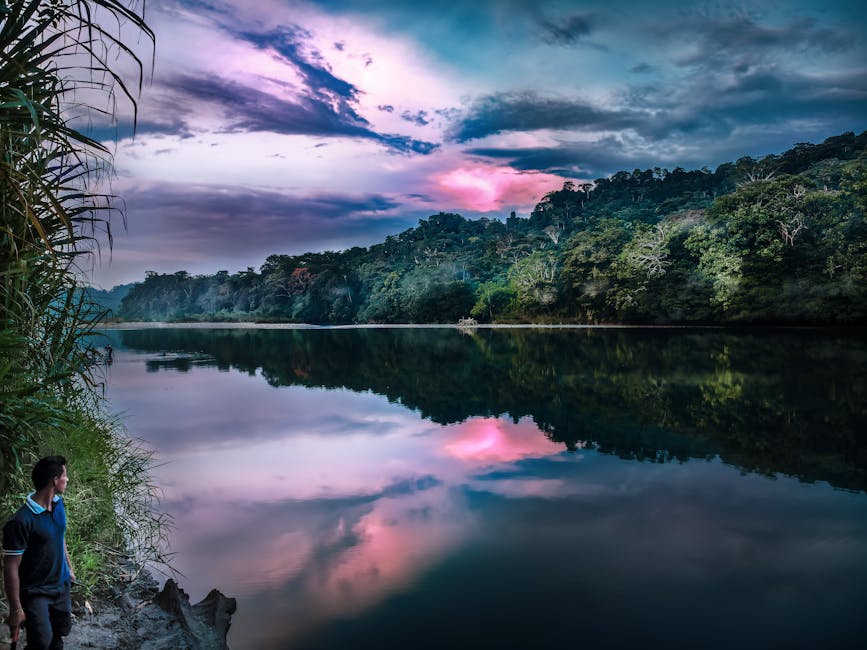
Napo Wildlife Reserve, Ecuador: Best Biodiversity, Indigenous Culture & Untamed Amazonian Rivers (2026)
While crowds flock to the Galápagos Islands, Napo Wildlife Reserve, Ecuador delivers a more intimate, biodiverse, and culturally profound Amazonian adventure without the hefty price tag and regimented itineraries. Here’s why savvy travelers choose differently: this 2.5-million-acre UNESCO Biosphere Reserve, part of the vast Yasuní National Park, contains more tree species in a single hectare than all of North America and is home to communities who have lived in harmony with this jungle for millennia. Your journey here isn’t just a sightseeing trip; it’s an immersion into a living, breathing world.
Why Napo Wildlife Reserve, Ecuador Stands Out

Silhouette of St. Peter’s Church in Riga set against a warm sunset sky., Napo Wildlife Reserve, Ecuador
- Historic Architecture: The 120-foot-tall Canopy Observation Tower, built in 2005, is an engineering marvel that offers a scientist’s-eye view of the rainforest’s most active layer.
- Cultural Scene: Participating in a traditional Kichwa “Wayusa” ceremony at dawn, where stories and dreams are shared over bitter, energizing tea, is a profound cultural exchange.
- Local Specialties: You must try “Maito,” fresh river fish (like tilapia or bocachico) wrapped in bijao leaves and grilled over an open fire, infusing it with a smoky, earthy flavor.
Pro Tip: The absolute best time to visit is during the drier months from July to November, when water levels are lower, trails are more accessible, and wildlife congregates around shrinking oxbow lakes. For birders, September and October are peak, but booking at least 6-9 months in advance for top lodges is essential.
Map of Napo Wildlife Reserve, Ecuador
Use these interactive maps to explore Napo Wildlife Reserve, Ecuador and plan your route:
📍 View Napo Wildlife Reserve, Ecuador on OpenStreetMap
🗺️ Open Napo Wildlife Reserve, Ecuador in Google Maps
Planning Your Trip: Practical Essentials
Getting There and Around
- By Air: All journeys start with a flight to Quito (UIO). From there, you take a 30-minute charter flight on airlines like TAME or Aeroregional to Francisco de Orellana (Coca). Your lodge will arrange a motorized canoe transfer (2-3 hours) down the Napo River. Book flights to Quito at Skyscanner for best deals.
- By Train: There are no train services to this remote region of the Amazon.
- By Car: Driving from Quito to Coca is possible (approx. 6-7 hours) but not recommended for independent travel beyond that point. Access to the reserve itself is strictly via authorized river transport arranged by your lodge. Compare car rentals for Quito exploration at RentalCars.com.
- Local Transport: Your feet and canoes are your transport. All navigation within the reserve is on foot via guided trails or in paddle canoes and motorized canoes arranged by your eco-lodge.
Best Time to Visit
Weather in the Amazon is warm, humid, and rainy year-round, but precipitation patterns define the experience. The “dry” season offers better hiking, while the “wet” season allows for deeper canoe exploration.
| Season | Weather | Highlights |
|---|---|---|
| Dry Season (Jun–Nov) | 75-90°F (24-32°C), less rain, lower river levels | Excellent hiking, wildlife spotting at clay licks, peak birding (Sep-Oct), fewer mosquitoes. This is the most popular time. |
| Wet Season (Dec–May) | 75-90°F (24-32°C), frequent heavy showers, high water | Lush greenery, easier access via canoe to flooded forests, dramatic skies, and fewer tourists. Ideal for photography and river exploration. |
| Shoulder (May/Jun & Nov/Dec) | Transitional weather, unpredictable showers | A good balance of accessibility and lower visitor numbers, with the chance to experience both high and low water activities. |
Budgeting for Napo Wildlife Reserve, Ecuador

A captivating view of the Azadi Tower in Tehran against a blue twilight sky., Napo Wildlife Reserve, Ecuador
| Category | Budget | Mid-range | Luxury |
|---|---|---|---|
| Accommodation | $80-150/night (basic community lodge) | $250-450/night (all-inclusive eco-lodge) | $600-1,200+/night (premium all-inclusive lodge) |
| Meals | Included in most lodges | Included in most lodges | Included, often gourmet |
| Transport | $200-300 round-trip (Quito-Coca flight + canoe) | $200-300 round-trip (Quito-Coca flight + canoe) | $300-500+ (private charters possible) |
| Activities | $30-50/day for guided tours | Usually included in lodge rate | All included + private guides |
| Daily Total | $150-250/day | $350-600/day | $800-1,500+/day |
*Note: Almost all reputable visits are through all-inclusive packages covering lodging, meals, guided tours, and transport from Coca. The “Budget” column represents the lowest viable cost for an organized, ethical visit.
Top Attractions and Must-See Sights
| Attraction | Description | Hours | Entry Fee |
|---|---|---|---|
| Parrot Clay Lick (Saladero) | A towering riverbank where thousands of parrots and parakeets gather at dawn to ingest minerals, a spectacular, noisy display of color. | Dawn (5:30-8:00 AM) | Included in lodge tours |
| Canopy Observation Tower | Climb to the treetops to observe toucans, monkeys, and countless birds at eye level in the sunlit canopy, a world apart from the forest floor. | Daylight hours | Included in lodge tours |
| Napo River & Tributaries | The lifeblood of the reserve; journeys by silent paddle canoe through narrow creeks (ñapas) offer intimate wildlife encounters with caimans, hoatzins, and giant otters. | Daylight & night tours | Included in lodge tours |
| Kichwa Community of Sani Isla | A community-run project where you can visit a family home, learn about traditional hunting (with blowguns), and understand sustainable forest stewardship. | Day visits arranged | $40-60 for community visit |
3-Day Itinerary: Napo Wildlife Reserve, Ecuador’s Highlights & Hidden Gems
Day 1: Arrival & First Immersion
- Morning: Early flight from Quito to Coca (7:00 AM). Meet your naturalist guide, gear up with life jackets, and begin the 2.5-hour motorized canoe journey down the Napo River. Keep your binoculars ready for riverbank birds.
- Afternoon: Arrive at your eco-lodge by 1:00 PM. After a welcome drink and lunch, embark on your first guided walk on a terra firme trail. Your guide will decode the jungle, pointing out medicinal plants, towering kapok trees, and insect life.
- Evening: After dinner, venture out on a night walk or canoe ride with spotlights to find nocturnal creatures like tree frogs, tarantulas, and the reflective eyes of black caimans.
Day 2: Parrots & Canopy Perspectives
- Morning: Pre-dawn departure (5:00 AM) by canoe to the Parrot Clay Lick. Watch in silence as the sky fills with screeching bands of cobalt-winged parakeets and scarlet macaws. Return for a late breakfast.
- Afternoon: Visit the iconic Canopy Tower. The 15-minute climb is rewarded with 360-degree views; you’re likely to spot troops of squirrel monkeys or a lounging two-toed sloth. Later, explore a blackwater oxbow lake by paddle canoe.
- Evening: Enjoy a lodge presentation on Amazon conservation. Dinner often features local specialties like Maito. Listen for the haunting calls of potoos or night monkeys after dark.
Day 3: Culture & Departure
- Morning: Visit the Sani Isla community ($50 community fee). Participate in a Wayusa ceremony, learn to make cassava bread (casabe), and see a demonstration of a traditional blowgun. It’s a respectful and eye-opening cultural exchange.
- Afternoon: Share a final lunch with the community. Return by motor canoe to Coca, scanning the riverbanks for last-minute wildlife sightings like capybaras or kingfishers.
- Evening: Catch your late afternoon flight back to Quito, arriving by 7:00 PM with a camera full of memories and a new understanding of the Amazon’s pulse.
Cultural Insights & Etiquette
- Language: Spanish is the national language, but Kichwa is spoken locally. Useful phrases: “Alli puncha” (Good day in Kichwa), “Añay” (Thank you). Guides are fluent in Spanish and English.
- Customs: Always ask permission before taking photos of community members. When visiting homes, a small gift for the family (like school supplies, which your lodge can advise on) is a thoughtful gesture.
- Tipping: Tipping your main naturalist guide ($15-20/day per guest) and lodge staff ($10-15/day total pooled) is customary and appreciated for exceptional service.
- Dress Code: Modest, practical clothing is key. Quick-dry pants, long-sleeved shirts, and sturdy boots protect from insects and vegetation. Swimwear is only for designated lodge areas.
- Business Hours: Operates on “jungle time.” Schedules are dictated by wildlife activity and weather, not the clock. Be flexible and patient.
Where to Eat: Napo Wildlife Reserve, Ecuador’s Best Bites
Dining is almost exclusively at your eco-lodge, where meals are hearty, buffet-style, and designed to fuel a day of exploration. Chefs skillfully blend international dishes with local Amazonian ingredients. The focus is on fresh, plentiful food in a communal setting.
Must-Try Local Specialties
- Maito: As described, this is the signature dish. Lodges like Napo Wildlife Center and Sani Lodge prepare exceptional versions with fish caught from their own lakes.
- Chontacuro (Palm Weevil Grub): A protein-rich traditional food, often roasted on a stick. It tastes like smoky bacon and is a true taste of the forest for the adventurous.
- Guayusa Tea: A naturally caffeinated leaf brewed into a tea that’s central to Kichwa culture. It’s served at dawn during ceremonies and after meals at lodges.
Restaurant Recommendations by Budget
| Type | Restaurant | Specialty | Price Range |
|---|---|---|---|
| Lodge Dining | Napo Wildlife Center Dining Hall | Gourmet interpretations of Amazonian cuisine with stunning lake views. | Included in stay |
| Lodge Dining | Sani Lodge Communal Table | Hearty, family-style meals with ingredients from their organic garden. | Included in stay |
| Community Visit | Sani Isla Family Home | Authentic home-cooked meal, often featuring freshly caught fish and plantains. | Part of visit fee |
Where to Stay
Your choice of eco-lodge defines your experience. All are committed to sustainability and conservation, but they vary in luxury, remoteness, and specific access to attractions like clay licks. Compare prices and book packages at Booking.com or through specialized tour operators.
Best Lodges for Different Experiences
- For Luxury & Exclusive Access (Napo Wildlife Center): One of the most remote and luxurious, built around a serene oxbow lake with its own canopy tower and easy access to a massive parrot clay lick. It’s run by the local Kichwa community.
- For Birding & Conservation (Sani Lodge): Also community-run, Sani is a birder’s paradise with over 570 species recorded. It offers a fantastic cultural program and access to the Sani clay lick. The atmosphere is knowledgeable and focused.
- For Family-Friendly Adventure (La Selva Eco Lodge): Known for its excellent guides and comfortable, stylish cabins. It offers a great mix of activities suitable for families and first-time Amazon visitors, with a beautiful butterfly house.

Modern architecture of the Heydar Aliyev Center with clear blue skies in Baku., Napo Wildlife Reserve, Ecuador
FAQs: Your Napo Wildlife Reserve, Ecuador Questions Answered
1. Is Napo Wildlife Reserve, Ecuador safe at night?
Yes, within the confines of your guided activities and lodge grounds. You will always be with a trained guide after dark. The main safety concerns are environmental: staying on trails to avoid getting lost, listening to your guide regarding wildlife, and using a flashlight. Crime is virtually nonexistent in this remote area.
2. What currency is used and are credit cards accepted?
The US Dollar is Ecuador’s official currency. In Coca, you can use cash or cards, but once at your lodge, all expenses are typically settled as part of your pre-paid package. Bring small bills ($1, $5, $10) for purchasing handicrafts in communities and for tipping. Lodges rarely accept credit cards for incidental purchases.
3. How do I get from the airport to the city center?
In Quito, taxis are readily available from the airport to the city center (approx. $25-30, 45 mins). For the critical leg to the reserve, your lodge package includes the flight from Quito to Coca and the canoe transfer. You’ll be met in Coca by a lodge representative. For peace of mind, you can book Quito airport transfers at GetYourGuide for convenience.
4. Do I need to speak the local language?
No. All guided tours are conducted in English (and often Spanish) by bilingual naturalist guides. Learning a few basic Spanish or Kichwa phrases is a respectful and rewarding way to connect more deeply with local staff and community members, but it’s not a requirement.
5. What’s the appropriate dress code?
Functional and modest. Pack lightweight, long-sleeved shirts and pants in neutral colors (avoid bright blues and yellows that attract insects), a wide-brimmed hat, sturdy waterproof hiking boots, and sandals for the lodge. A good quality rain poncho is better than a jacket. Always have swimwear, but only wear it at the lodge’s private swimming spots.
Final Thoughts: Napo Wildlife Reserve, Ecuador Awaits
Napo Wildlife Reserve isn’t a destination you simply see; it’s one you feel and hear. It’s the cacophony of a parrot clay lick at dawn, the profound silence of a paddle canoe gliding
Explore More Destinations
- Jozani, Tanzania on a Budget: an Ancient Forest for $35/Day (2026)
- Nsumbu, Zambia on a Budget: Wild Africa for $40/Day (2026)
- Semporna, Malaysia on a Budget: Paradise for $35/Day (2026)
- Khuzestan, Iran on a Budget: Ancient Empires for $30/Day (2026)
- Ngerulmud, Palau on a Budget: Island Majesty for $45/Day (2026)
Ready to Visit Napo Wildlife Reserve?
Start planning your trip today. Compare hotels, find the best tours, and get insider tips.
Your adventure in Napo Wildlife Reserve starts here →
{“@context”: “https://schema.org”, “@type”: “FAQPage”, “mainEntity”: [{“@type”: “Question”, “name”: “What is the best time to visit Napo Wildlife Reserve?”, “acceptedAnswer”: {“@type”: “Answer”, “text”: “The best time to visit Napo Wildlife Reserve depends on your preferences. Generally, the dry season offers the most pleasant weather for sightseeing and outdoor activities. Check local climate patterns for specific months.”}}, {“@type”: “Question”, “name”: “How many days do I need in Napo Wildlife Reserve?”, “acceptedAnswer”: {“@type”: “Answer”, “text”: “Most travelers spend 3-5 days in Napo Wildlife Reserve to see the main attractions. A week allows for a more relaxed pace and day trips to nearby areas.”}}, {“@type”: “Question”, “name”: “Is Napo Wildlife Reserve expensive to visit?”, “acceptedAnswer”: {“@type”: “Answer”, “text”: “Napo Wildlife Reserve can be visited on various budgets. Accommodation ranges from hostels to luxury hotels. Street food and local restaurants offer affordable dining options.”}}]}
Related Guides
Explore more destinations similar to Napo Wildlife Reserve:

