
Beni Abbes, Algeria: Essential Saharan Silence, Martian Landscapes & Fortress Solitude (2026)
While crowds flock to the bustling dunes of Merzouga, Beni Abbes, Algeria delivers a profound, silent communion with the Sahara without a single tour bus in sight. Here, the Grand Erg Occidental meets the Hamada du Guir, creating a stark, painterly landscape of orange dunes against a black stone plateau. Savvy travelers choose this remote outpost for its almost spiritual quiet, where the only sounds are the wind sculpting crests and the call to prayer echoing from a 19th-century fort.
Why Beni Abbes, Algeria Stands Out

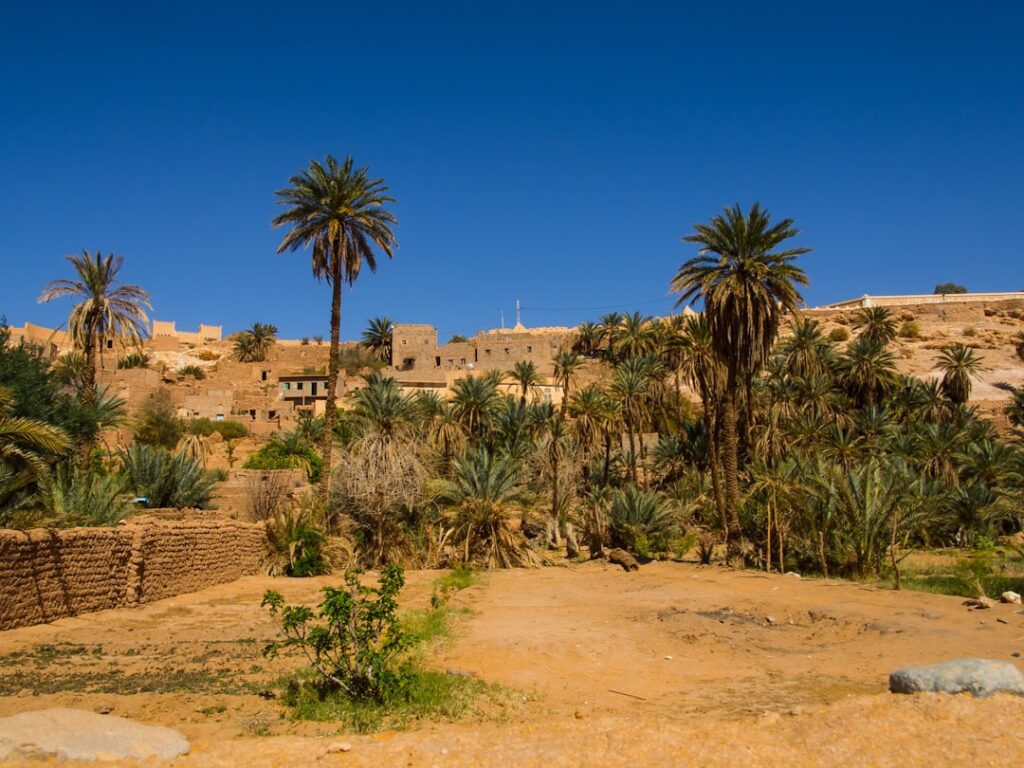
Brown concrete building under blue sky during daytime, Beni Abbes, Algeria
- Historic Architecture: The French Foreign Legion’s Fort de Beni Abbes, built in 1901, stands as a sentinel of colonial history amidst the endless sand.
- Cultural Scene: The annual Date Festival in October transforms the oasis into a vibrant hub of Saharan music, camel races, and local crafts.
- Local Specialties: You must try Mechoui, whole lamb slow-roasted in a sand pit, a celebratory dish embodying Saharan hospitality.
Pro Tip: The absolute best time for photography and comfortable exploration is during the shoulder months of late October to November or February to March. The summer heat is extreme (regularly above 45°C/113°F), and winter nights can be bitterly cold. Aim to be at the dunes for sunrise (around 6:30 AM) when the light is golden and the sand is cool underfoot.
Map of Beni Abbes, Algeria
Use these interactive maps to explore Beni Abbes, Algeria and plan your route:
📍 View Beni Abbes, Algeria on OpenStreetMap
🗺️ Open Beni Abbes, Algeria in Google Maps
Planning Your Trip: Practical Essentials
Getting There and Around
- By Air: The nearest major airport is in Béchar (CBH), about 250 km north. Air Algérie offers limited domestic flights from Algiers. From Béchar, you’ll need a pre-booked taxi or 4×4 transfer (a 3-hour journey). Book flights at Skyscanner for best deals.
- By Train: The national railway (SNTF) line runs to Béchar from Oran and other northern cities. The overnight train from Oran is a classic, if slow, adventure. From Béchar station, arrange road transport to Beni Abbes. Reserve tickets at Trainline or the national railway website.
- By Car: Driving is for the experienced. The N6 highway from Béchar is paved but remote. A 4×4 is essential for exploring beyond the town. Fuel stations are scarce; fill up in Béchar. Compare car rentals at RentalCars.com.
- Local Transport: There is no formal public transport. Your feet, pre-arranged 4×4 tours with guides, and occasional shared taxis (“grand taxis”) for fixed routes are the only options. Walking is perfect within the compact oasis town.
Best Time to Visit
Timing is everything in the deep Sahara. You’re balancing intense heat, cold nights, and the brief windows of perfect weather. The ideal periods offer manageable temperatures for exploring the dramatic landscapes.
| Season | Weather | Highlights |
|---|---|---|
| Summer (Jun–Aug) | Extremely hot (40-48°C / 104-118°F), intense sun, very dry. | Virtually empty; only for those seeking extreme heat experience. All outdoor activity must be confined to early dawn. |
| Winter (Dec–Feb) | Chilly days (15-20°C / 59-68°F), very cold nights (can drop below freezing). | Crisp, clear skies; excellent for stargazing. Pack serious cold-weather gear for overnight desert trips. |
| Shoulder (Apr–May/Sep–Oct) | Pleasant days (25-35°C / 77-95°F), cool nights. Minimal rain. | The absolute best time. Perfect for dune hiking, photography, and camping. Coincides with the October Date Festival. |
Budgeting for Beni Abbes, Algeria
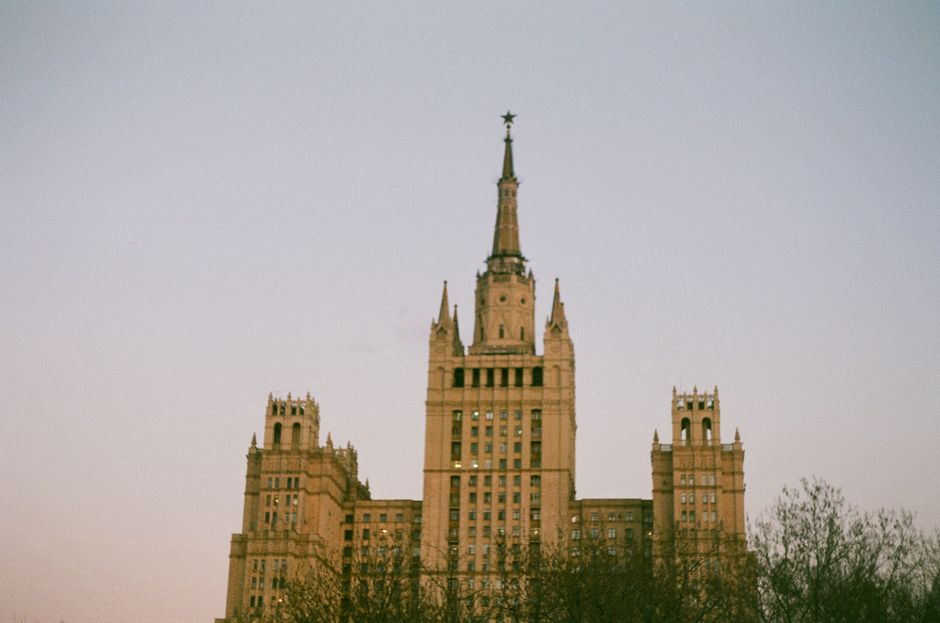
View of the Kudrinskaya Square Building in Moscow with a white sky at twilight., Beni Abbes, Algeria
| Category | Budget | Mid-range | Luxury |
|---|---|---|---|
| Accommodation | Simple auberge or hostel: 2,500-4,000 DZD/night | Local hotel with A/C & en-suite: 6,000-9,000 DZD/night | All-inclusive desert camp or top hotel: 12,000+ DZD/night |
| Meals | Street food, simple tagine: 800-1,500 DZD/meal | Restaurant meals: 2,000-3,500 DZD/meal | Private guided feast: 5,000+ DZD/meal |
| Transport | Shared taxi hops: 500 DZD/ride | Private 4×4 hire (half-day): 8,000-12,000 DZD | Full-day private guide with 4×4: 20,000+ DZD |
| Activities | Free oasis walks, visiting the fort | Organized dune tour: 5,000 DZD | Overnight luxury bivouac: 15,000 DZD/person |
| Daily Total | 5,000-8,000 DZD (~$37-$59) | 15,000-25,000 DZD (~$111-$185) | 40,000+ DZD (~$296+) |
Top Attractions and Must-See Sights
| Attraction | Description | Hours | Entry Fee |
|---|---|---|---|
| Fort de Beni Abbes | The iconic 1901 Foreign Legion fortress offering panoramic views and a stark history lesson. | 9 AM – 4 PM, Sat-Thu | 200 DZD |
| The Grand Dunes (Erg) | Vast seas of orange sand perfect for sunrise viewing, photography, and quiet contemplation. | Always open (access via 4×4) | Free (guide cost varies) |
| The Palmeraie (Oasis) | A lush, life-giving network of date palms and gardens, showcasing ancient irrigation (foggara) systems. | Daylight hours | Free |
| “Mars on Earth” Landscape | The surreal, rocky Hamada plateau, where NASA has tested rover prototypes due to its Martian resemblance. | Daylight hours | Free |
3-Day Itinerary: Beni Abbes, Algeria’s Highlights & Hidden Gems
Day 1: Fortress & Oasis Immersion
- Morning (7-9 AM): Start at the Palmeraie. Walk the shaded paths as the oasis wakes up, observing the traditional *foggara* water channels. Your best bet is to find a local gardener who might explain the system.
- Afternoon (12-3 PM): Visit the **Fort de Beni Abbes**. Explore the ramparts and museum. For lunch, head to **Restaurant Le Saharien** near the fort for a hearty serving of *chorba frik* (spicy lamb and wheat soup) and bread (approx. 1,800 DZD).
- Evening (6-8 PM): Wander to the edge of town to watch the sunset paint the dunes. Dinner at your hotel or a simple local eatery for *djari* (a savory porridge).
Day 2: Desert Grandeur
- Morning (5:30 AM): Pre-dawn departure (arrange guide/4×4 the day before, ~8,000 DZD) to the Grand Dunes for sunrise. The climb up a dune crest is strenuous but rewards you with unforgettable, silent vistas.
- Afternoon (12-3 PM): Return to town. Recover with a leisurely lunch at **Café-Restaurant El Baraka**, known for its grilled meats and salads (approx. 2,500 DZD). Visit the small local market for dates and handicrafts.
- Evening (6-8 PM): Take a short drive to the Hamada plateau for a completely different, starkly beautiful sunset. Enjoy a traditional mint tea at a roadside stop.
Day 3: Culture & Departure
- Morning (8 AM): If it’s a Thursday, visit the weekly **souk** (market) to see traders from surrounding nomadic communities. Otherwise, take a final, peaceful stroll through the quieter parts of the oasis.
- Afternoon (12-3 PM): Enjoy a farewell feast. Order the local specialty, **Mechoui**, in advance at your hotel or a restaurant like **Restaurant Les Dunes** (approx. 4,000 DZD per person).
- Evening (6-8 PM): Depending on your transport, enjoy a final glass of tea on a rooftop, listening to the profound silence of the Sahara before your night journey or early morning departure.
Cultural Insights & Etiquette
- Language: Arabic is official; Algerian Darija (dialect) is spoken. French is widely understood. Basic phrases: “Salam alaykum” (Hello), “Shukran” (Thank you), “Bessaha” (To your health).
- Customs: Hospitality is sacred. Always accept at least one glass of tea if offered. Use your right hand for eating and greeting. Public displays of affection are frowned upon.
- Tipping: Not mandatory but appreciated. Round up taxi fares. For guides, 500-1,000 DZD for a half-day is a generous gesture. In restaurants, 5-10% for good service is polite.
- Dress Code: Modesty is key. For both men and women, loose-fitting clothing covering shoulders and knees is respectful, especially outside the hotel. A headscarf for women is not required but is a useful sun protector.
- Business Hours: Government hours: Sat-Wed 8 AM-4 PM, Thu 8 AM-12 PM. Friday is the holy day; most everything closes. Shops often close for a long afternoon break (1-4 PM) and reopen until evening.
Where to Eat: Beni Abbes, Algeria’s Best Bites
Dining here is about hearty, sustaining Saharan cuisine. Don’t expect a wide variety of international options; the joy is in the local, slow-cooked dishes designed for desert life. Meals are social, communal affairs.
Must-Try Local Specialties
- Mechoui: Whole lamb or sheep, slow-roasted for hours in an underground sand oven. The meat is incredibly tender and flavorful. Best ordered in advance for a group at places like **Restaurant Les Dunes**.
- Tagine: The Algerian version, a savory stew of meat (often lamb or chicken), potatoes, and carrots with olives and preserved lemons, cooked in a conical clay pot. Found at most local restaurants.
- Dates (Deglet Nour): The “Queen of Dates” from this region. They’re translucent, sweet, and not overly sticky. Try them fresh from the market or stuffed with almond paste.
Restaurant Recommendations by Budget
| Type | Restaurant | Specialty | Price Range |
|---|---|---|---|
| Budget | **Small Eateries near the Market** | Simple *chorba* (soup), *djari*, and sandwiches. | 800 – 1,500 DZD |
| Mid-range | **Restaurant Le Saharien** (near the Fort) | Reliable tagines, grilled meats, and local stews. | 1,800 – 3,000 DZD |
| Fine dining | **Hotel Restaurant** (e.g., Hotel Gourara) | Multi-course meals with advance notice, including Mechoui. | 4,000+ DZD |
Where to Stay
Accommodation ranges from basic auberges to comfortable, locally-run hotels. There are no international chains. Most places offer half-board (breakfast & dinner), which is highly recommended given the limited dining options. Compare prices and book at Booking.com or Airbnb for apartments.
Best Neighborhoods for Accommodation
- Town Center: Close to the fort, market, and main restaurants. Convenient and walkable. Can be a bit noisier with daytime activity. Suits first-time visitors wanting easy access.
- Oasis Edge: A handful of hotels and auberges are nestled at the border of the palmeraie. Offers peaceful views and immediate access to nature walks. You’ll need short taxi rides to the center.
- Desert Camps (Outside Town): For the full experience, book a night at a bivouac camp in the dunes (accessible by 4×4). Offers incredible stargazing and silence. Suits adventurers and romantics.
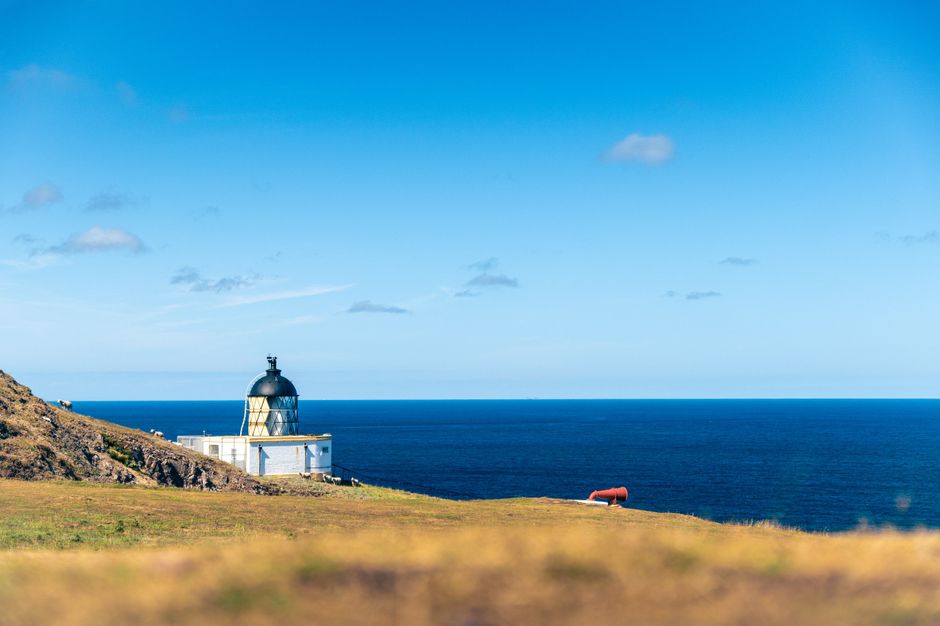
Stunning view of St, Beni Abbes, Algeria
FAQs: Your Beni Abbes, Algeria Questions Answered
1. Is Beni Abbes, Algeria safe at night?
Beni Abbes is generally very safe, with low crime. The primary concerns are environmental: extreme temperatures, getting lost in the desert, or dehydration. At night within the town, walking is safe, but always carry a flashlight as streets are poorly lit. Never venture into the desert alone, day or night, without an experienced guide.
2. What currency is used and are credit cards accepted?
The currency is the Algerian Dinar (DZD). Cash is king in Beni Abbes. Bring enough Algerian Dinar with you from a major city like Algiers or Oran, as ATMs are unreliable and may not accept foreign cards. Credit cards are rarely, if ever, accepted. Budget and carry cash for your entire stay.
3. How do I get from the airport (Béchar) to Beni Abbes?
Béchar’s airport (CBH) is 250 km away. There is no public shuttle. You must pre-arrange a transfer. Options: 1) A private taxi, which costs around 8,000-10,000 DZD one-way and takes 3 hours. 2) Your accommodation in Beni Abbes may arrange a pickup for a similar fee. Book airport transfers at GetYourGuide for convenience, though local pre-booking is often more reliable here.
4. Do I need to speak the local language?
You can manage with basic French, which is widely understood by hoteliers and guides. English is not commonly spoken
Explore More Destinations
- Jozani, Tanzania on a Budget: an Ancient Forest for $35/Day (2026)
- Nsumbu, Zambia on a Budget: Wild Africa for $40/Day (2026)
- Semporna, Malaysia on a Budget: Paradise for $35/Day (2026)
- Khuzestan, Iran on a Budget: Ancient Empires for $30/Day (2026)
- Ngerulmud, Palau on a Budget: Island Majesty for $45/Day (2026)
Ready to Visit Beni Abbes?
Start planning your trip today. Compare hotels, find the best tours, and get insider tips.
Your adventure in Beni Abbes starts here →
Related Guides
Explore more destinations similar to Beni Abbes:
- Nosy Boraha, Madagascar: Essential Pirate Lore, White-Sand Solitude & Lemur Encounters (2025)
- Palo Verde National Park, Costa Rica: Hidden Wetlands, Wildlife & River Safaris (2026)
- Ashmore Reef, Australia: Essential Pristine Seas, Uninhabited Islands & Marine Majesty (2026)
- Granada’s Incredible Moorish Palaces, Flamenco & Free Tapas (2025)

