
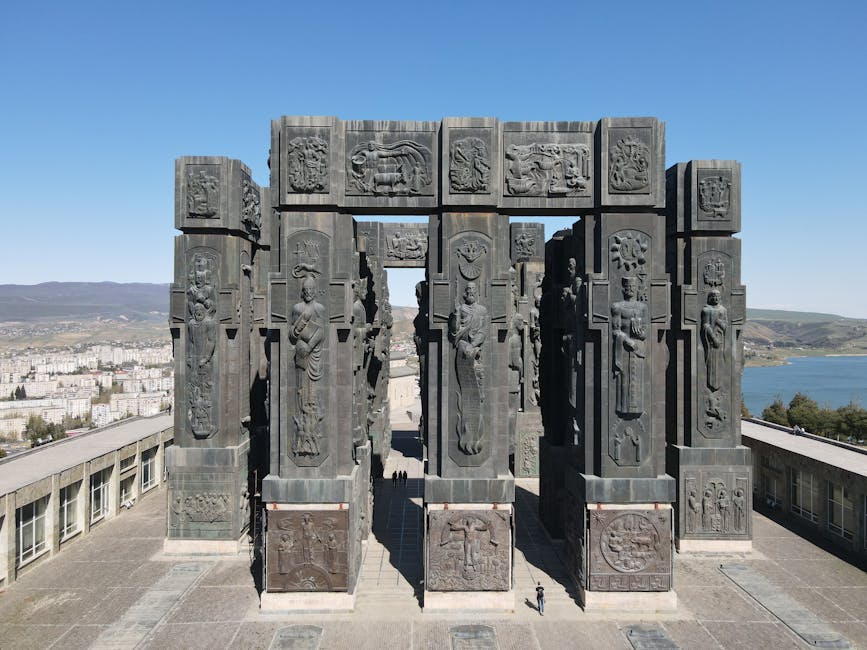
Navrongo, Ghana’s Hidden Ancient Architecture, Sacred Groves & Living Culture (2026)
While crowds flock to Accra’s beaches or Kumasi’s Ashanti history, Navrongo, Ghana delivers an unfiltered, profound connection to the Upper West’s soul without the tourist infrastructure. Here, the iconic 1906 Catholic Cathedral isn’t just a building; its walls are a tactile library of history, hand-plastered with mud, cow dung, and blood by local artisans. This is a town where ancient traditions aren’t performed for show—they are the rhythm of daily life, from the sacred crocodile ponds of Paga to the whispering baobabs in community groves.
Why Navrongo, Ghana Stands Out
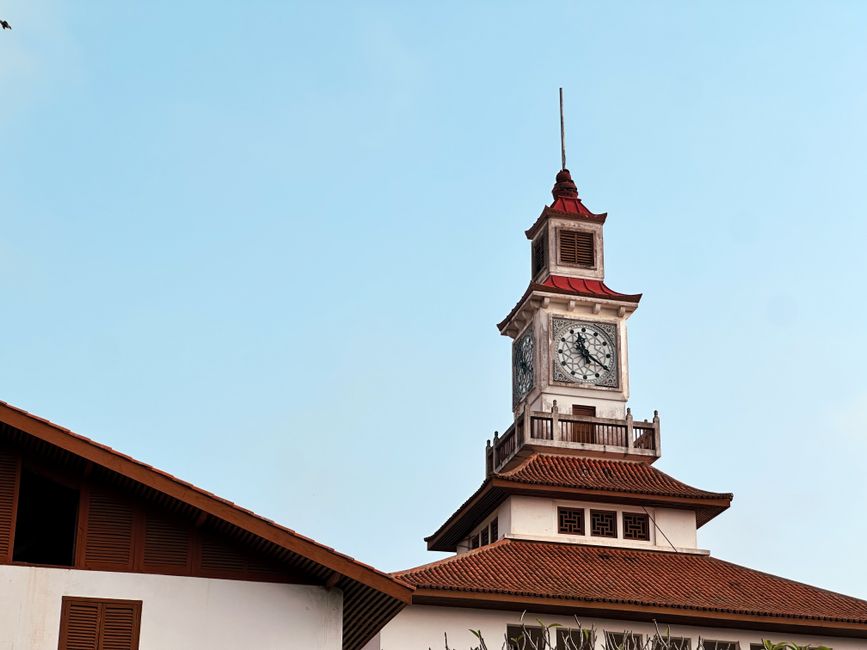
The iconic clock tower of Balme Library at the University of Ghana under a …, Navrongo, Ghana
- Historic Architecture: The Our Lady of Seven Sorrows Cathedral (1906) is a masterpiece of vernacular Sudano-Sahelian design, featuring walls adorned with intricate symbolic murals made from local materials.
- Cultural Scene: The annual Fao Festival, typically in November or December, is a vibrant thanksgiving celebration with traditional dances, drumming, and rituals to honor ancestors and pray for a bountiful harvest.
- Local Specialties: You must try *Tuo Zaafi* (TZ), a smooth, sticky staple made from millet or sorghum, served with a flavorful, green leafy soup often prepared with dawadawa (fermented locust beans).
Pro Tip: Plan your visit for the dry season, between November and early March. The Harmattan winds from the Sahara can create a hazy atmosphere from December to February, but this is when major festivals like Fao occur and roads to remote sites like the Pikworo Slave Camp are most accessible. Arrive early at any attraction to avoid the midday heat.
Map of Navrongo, Ghana
Use these interactive maps to explore Navrongo, Ghana and plan your route:
📍 View Navrongo, Ghana on OpenStreetMap
🗺️ Open Navrongo, Ghana in Google Maps
Planning Your Trip: Practical Essentials
Getting There and Around
- By Air: The nearest major airport is in Tamale (TML), about a 2.5-hour drive south. Fly there via domestic carriers from Accra. From Tamale, your best bet is to hire a private taxi or take a shared tro-tro (minibus) to Navrongo. Book flights at Skyscanner for best deals.
- By Train: There are no direct passenger train services to Navrongo. The national railway network is limited, so road transport is your primary option. For train travel elsewhere in Ghana, check schedules at the national railway website.
- By Car: Driving from Accra takes 12+ hours via the N6 and N10 highways. A 4×4 is recommended, especially in the rainy season. Reliable parking can be found at major hotels. Compare car rentals at RentalCars.com from Accra or Tamale airports.
- Local Transport: Within town, walking is ideal for the center. For longer distances, use shared motorcycle taxis (“motorking”) or rented bicycles from your guesthouse. Agree on fares (typically 3-10 GHC) before riding. For trips to Paga (30 mins north), shared taxis depart from the main station.
Best Time to Visit
Navrongo has a tropical savanna climate with a distinct dry season. Savvy visitors target the cooler, dry months for cultural events and easier exploration, though the lush green landscape just after the rains has its own magic.
| Season | Weather | Highlights |
|---|---|---|
| Dry Season (Nov–Mar) | Hot, dry, and dusty (Harmattan). Temps 24°C–36°C (75°F–97°F). Very low chance of rain. | Peak festival time (Fao). Best for road travel to all sites. Clear skies for photography, though hazy Dec-Feb. |
| Rainy Season (Apr–Oct) | Hot and humid with heavy rainfall, especially from June to September. Temps 23°C–32°C (73°F–90°F). | Landscape is vibrantly green. Fewer visitors. Some rural roads may become impassable. Cultural activities are less frequent. |
| Shoulder (Late Oct/Nov & Mar) | Transitional. Decreasing rain or easing Harmattan. Warm and less humid. | Ideal balance. Comfortable for exploration, festivals begin, and the natural scenery is still appealing. |
Budgeting for Navrongo, Ghana
Night view of illuminated skyscrapers with artistic projections in a city s…, Navrongo, Ghana
| Category | Budget | Mid-range | Luxury |
|---|---|---|---|
| Accommodation | 50-80 GHC/night (basic guesthouse) | 150-300 GHC/night (comfortable hotel with A/C) | 400+ GHC/night (limited true luxury; best available lodges) |
| Meals | 10-25 GHC (local chop bars, street food) | 30-60 GHC (hotel restaurant, nicer local eatery) | 80+ GHC (multi-course meals at top lodges) |
| Transport | 5-20 GHC/day (walking, shared moto/taxi) | 150-300 GHC/day (private taxi hire for day trips) | 400+ GHC/day (private 4×4 with driver/guide) |
| Activities | Free (cathedral, town walk) to 20 GHC (site donations) | 50-100 GHC (guided tours, entry to multiple sites) | 200+ GHC (private cultural performances, extended guided expeditions) |
| Daily Total | 65-125 GHC | 380-760 GHC | 1080+ GHC |
Note: 1 US Dollar ≈ 12 Ghana Cedis (GHC) – check current rates before travel.
Top Attractions and Must-See Sights
| Attraction | Description | Hours | Entry Fee |
|---|---|---|---|
| Our Lady of Seven Sorrows Cathedral | A stunning example of indigenous architecture where every mural and material tells a story of faith and community. | Daylight hours; Mass times vary (Sun morning best for music). | Free (donation appreciated) |
| Paga Crocodile Ponds | Sacred ponds where revered crocodiles live peacefully alongside humans; a powerful symbol of local cosmology. | 8:00 AM – 5:00 PM daily | Approx. 20 GHC (includes guide) |
| Navrongo Craft Village | Watch and buy directly from artisans creating traditional leatherwork, woven baskets, and pottery using centuries-old techniques. | 8:00 AM – 4:00 PM (Mon-Sat) | Free to browse |
| Pikworo Slave Camp (Nania) | A somber, moving site where enslaved people were held; features rock gongs and inscriptions, with powerful guided narratives. | 8:00 AM – 4:00 PM daily | Approx. 15 GHC (guide fee) |
3-Day Itinerary: Navrongo, Ghana’s Highlights & Hidden Gems
Day 1: Architectural Wonders & Town Life
- Morning (7-9 AM): Start with a serene walk to the **Our Lady of Seven Sorrows Cathedral**. The early light beautifully highlights the textured murals. Find the symbol of the chameleon, representing adaptability, on the walls.
- Afternoon (12-3 PM): Explore the bustling **Navrongo Market**. Afterwards, head to a local chop bar like **Ama’s Spot** near the market for an authentic lunch of *Tuo Zaafi* with green soup (approx. 12 GHC).
- Evening (6-8 PM): Visit the **Navrongo Craft Village** as the heat fades. Later, enjoy a relaxed dinner at your hotel or try **Midland Hotel’s** restaurant for a reliable mix of local and continental dishes.
Day 2: Sacred Traditions & Cross-Border History
- Morning (8 AM): Hire a taxi for the 30-minute drive to **Paga** (approx. 80 GHC round-trip). At the Chief’s Pond, with a guide (20 GHC), you can safely touch the tail of a sacred crocodile—a profound cultural experience.
- Afternoon (1 PM): Have lunch at **Paga Border Restaurant** for simple, hearty meals. Then, visit the **Paga Pia’s Palace** (the Chief’s Palace) to see traditional architecture and, if fortunate, hear stories from a elder.
- Evening (5 PM): Return to Navrongo. For a special evening, arrange through your hotel for a local cultural group to perform traditional **Frafra dances** and drumming (group rates start around 150 GHC).
Day 3: Reflective History & Rural Landscapes
- Morning (7:30 AM): Another taxi trip (approx. 100 GHC) to the **Pikworo Slave Camp** near Nania. The 90-minute guided tour is emotionally heavy but essential, featuring the “food rocks” and haunting rock gongs.
- Afternoon (12:30 PM): On the return journey, stop at a **village compound** to see a working **traditional compound** with its distinct rounded rooms and central courtyard. A small donation (5-10 GHC) is customary.
- Evening (6 PM): Enjoy a final, quiet dinner. If it’s a clear night, take a stroll to appreciate the incredible stargazing, unobscured by city lights—a perfect, reflective end to your journey.
Cultural Insights & Etiquette
- Language: The local language is Frafra (Gurune). English is widely understood in town. Learn greetings: “**Sɔɔma**” (Good morning/afternoon), “**Mintaa**” (Thank you).
- Customs: Always greet elders first. Use your right hand for giving and receiving items, including money. Ask permission before photographing people, especially elders or during rituals.
- Tipping: Not mandatory but appreciated. For guides, 10-20 GHC is generous. In restaurants, rounding up the bill is sufficient unless service is included.
- Dress Code: Modesty is key. Shoulders and knees should be covered, especially when visiting religious sites, the Chief’s Palace, or rural communities.
- Business Hours: Shops and offices typically operate 8:00 AM to 5:00 PM, often closing for a midday break. Many businesses are closed on Sundays.
Where to Eat: Navrongo, Ghana’s Best Bites
Dining in Navrongo is about authentic, hearty local cuisine. You’ll find few international chains here—instead, embrace the flavorful, starch-based dishes of the Upper East. Most eating happens at simple chop bars or hotel restaurants.
Must-Try Local Specialties
- Tuo Zaafi (TZ): The regional staple. The smooth, fermented millet paste is perfectly paired with a spicy *ayoyo* (jute leaf) or *bra* (okra) soup. Try it at any local chop bar like **Zanlerigu Chop Bar**.
- Wasawasa: A unique dish made from grated, fermented yam, served with a rich, red oil sauce, boiled eggs, and tomatoes. It’s a breakfast favorite.
- Pito: A locally brewed, slightly sour fermented millet beer, served calabashes. It’s a social drink; you might be invited to share some at a local spot.
Restaurant Recommendations by Budget
| Type | Restaurant | Specialty | Price Range |
|---|---|---|---|
| Budget | Ama’s Spot (Near Main Market) | Authentic, no-frills Tuo Zaafi and stews | 8-15 GHC |
| Mid-range | Midland Hotel Restaurant (Town Center) | Reliable mix of local dishes and Western options in a clean setting | 25-50 GHC |
| Fine dining | Smock Inn Restaurant (Airport Road) | The best upscale local cuisine in town, with attentive service | 60-120 GHC |
Where to Stay
Accommodation ranges from basic guesthouses to a few comfortable hotels. Most are centrally located, making exploration easy. For a more immersive experience, some lodges on the outskirts offer tranquility. Compare prices and book at Booking.com or Airbnb for apartments (though listings are limited).
Best Neighborhoods for Accommodation
- Town Center: The most convenient area, close to the cathedral, market, and transport stations. You’ll find the main hotels and guesthouses here. It can be bustling during the day but quiet at night.
- Along the Bolgatanga Road: Slightly outside the core, offering quieter lodges like the Smock Inn. This is your best bet for more comfortable amenities, often with gardens or pools.
- Near the Craft Village: A couple of basic guesthouses here put you close to artisan workshops. Ideal for travelers deeply interested in crafts and a local, residential feel.
Aerial fisheye landscape view of a circular monument in Balcarce, Navrongo, Ghana
FAQs: Your Navrongo, Ghana Questions Answered
1. Is Navrongo, Ghana safe at night?
Navrongo is generally very safe. Violent crime against tourists is rare. However, take standard precautions: avoid walking alone in poorly lit, isolated areas at night, secure your belongings, and use registered taxi services after dark. The biggest safety concern is road safety, so be cautious when crossing streets and using motorcycle taxis.
2. What currency is used and are credit cards accepted?
The currency is the Ghana Cedi (GHC). Carry ample cash, as credit cards are rarely accepted outside of the few major hotels (Smock Inn, Midland). ATMs are available in town but can sometimes be out of cash or service; it’s wise to withdraw money in Tamale or Accra before arriving.
3. How do I get from the airport to the city center?
From Tamale Airport (TML), you have two main options. Your best bet is to pre-arrange a pickup with your Navrongo hotel (costs 250-400 GHC). Alternatively, take a taxi from Tamale airport to the Tamale “VIP” bus/tro-tro station, then catch a shared vehicle to Navrongo (total cost ~80-120 GHC per person, but longer). Book airport transfers at GetYourGuide for convenience, though options may be listed under Tamale.
4. Do I need to speak the local language?
No. English
Explore More Destinations
- Jozani, Tanzania on a Budget: an Ancient Forest for $35/Day (2026)
- Nsumbu, Zambia on a Budget: Wild Africa for $40/Day (2026)
- Semporna, Malaysia on a Budget: Paradise for $35/Day (2026)
- Khuzestan, Iran on a Budget: Ancient Empires for $30/Day (2026)
- Ngerulmud, Palau on a Budget: Island Majesty for $45/Day (2026)
Ready to Visit Navrongo?
Start planning your trip today. Compare hotels, find the best tours, and get insider tips.
Your adventure in Navrongo starts here →
{“@context”: “https://schema.org”, “@type”: “FAQPage”, “mainEntity”: [{“@type”: “Question”, “name”: “What is the best time to visit Navrongo?”, “acceptedAnswer”: {“@type”: “Answer”, “text”: “The best time to visit Navrongo depends on your preferences. Generally, the dry season offers the most pleasant weather for sightseeing and outdoor activities.”}}, {“@type”: “Question”, “name”: “How many days do I need in Navrongo?”, “acceptedAnswer”: {“@type”: “Answer”, “text”: “Most travelers spend 3-5 days in Navrongo to see the main attractions. A week allows for a more relaxed pace and day trips.”}}, {“@type”: “Question”, “name”: “Is Navrongo expensive to visit?”, “acceptedAnswer”: {“@type”: “Answer”, “text”: “Navrongo can be visited on various budgets. Accommodation ranges from hostels to luxury hotels, and local restaurants offer affordable dining.”}}]}
Related Guides
Explore more destinations similar to Navrongo:
- Nuwara Eliya, Sri Lanka: Ultimate Tea Plantations, Colonial Charm & Highland Adventures (2025)
- Roraima, Venezuela’s Best Lost Worlds, Epic Hikes & Indigenous Culture (2026)
- Svaneti’s Mestia, Georgia’s Best Towers, Trails & Timeless Culture (2026)
- Tahoua, Niger’s Hidden Salt, Saffron & Saharan Soul (2026)

