
Bolgatanga, Ghana’s Incredible Crafts, Culture & Ancient Landscapes (2026)
Ask locals about Bolgatanga, Ghana, and they’ll tell you about the Frafra women who can weave a basket so tight it holds water. Most guidebooks miss this completely, focusing instead on the region’s role as a transit hub. But here, in Ghana’s Upper East Region, you’ll find a living museum of indigenous craft, where the red earth meets a sky so vast it feels like another country. This is the heart of Gurune culture, a place where tradition isn’t performed for tourists—it’s simply the way of life.
Why Bolgatanga, Ghana Stands Out

Exterior view of Balme Library at University of Ghana with palm trees and a…, Bolgatanga, Ghana
- Historic Architecture: The Bolgatanga Craft Village, established in the 1970s, is a living workshop of traditional Gurune mud-and-thatch architecture, where artisans work in the same structures their ancestors did.
- Cultural Scene: The annual Fao Festival, celebrated by the Frafra people in December, is a vibrant thanksgiving and harvest celebration featuring unique bull sacrifices and spirited traditional dancing.
- Local Specialties: You must try *Tuo Zaafi* (TZ), a smooth, sticky staple made from millet or sorghum, served with a flavorful, green leafy soup called *Ayoyo* or *Bra*.
Pro Tip: Your best bet for a vibrant, crowd-free experience is to visit during the dry season from November to early February. Specifically, aim for a Thursday, which is Bolgatanga’s main market day. Arrive by 7:30 AM to see the market come to life and have the best selection of crafts before the midday heat.
Map of Bolgatanga, Ghana
Use these interactive maps to explore Bolgatanga, Ghana and plan your route:
📍 View Bolgatanga, Ghana on OpenStreetMap
🗺️ Open Bolgatanga, Ghana in Google Maps
Planning Your Trip: Practical Essentials
Getting There and Around
- By Air: Fly into Tamale Airport (TML), approximately a 3-hour drive south. Africa World Airlines and PassionAir offer daily flights from Accra. Pre-book a private transfer (around 400-500 GHS) or take a shared tro-tro from Tamale’s main station. Book flights at Skyscanner for best deals.
- By Train: There is currently no passenger train service to Bolgatanga. The nearest major rail hub is in Kumasi, requiring a long bus connection. Overland travel is the primary method.
- By Car: The drive from Accra takes 12+ hours via the N6 highway. It’s a scenic but demanding journey. Reliable 4×4 rental is recommended for exploring remote areas like the Tongo Hills. Compare car rentals at RentalCars.com.
- Local Transport: Within town, motorcycle taxis (“motorking”) are the fastest way to get around (3-10 GHS per ride). For longer day trips, negotiate with a taxi driver for a half-day (approx. 200-300 GHS) or hire a guide with a vehicle.
Best Time to Visit
Bolgatanga’s climate is defined by a long, intense dry season and a shorter, intense rainy season. Timing your visit is crucial for comfort and accessibility to rural attractions.
| Season | Weather | Highlights |
|---|---|---|
| Dry Season (Nov–Mar) | Hot and dry, with daytime temps of 30-38°C (86-100°F) and cool, dusty nights. Harmattan winds from the Sahara can create a hazy sky from Dec-Feb. | Ideal for all travel, especially road trips to remote villages. Peak festival season (Fao, Christmas). Clear roads but dusty conditions. |
| Rainy Season (Jun–Sep) | Heavy, torrential rains, high humidity, and temps around 25-30°C (77-86°F). Roads to rural sites can become impassable. | Lush, green landscapes. Fewer tourists. Some craft demonstrations may be limited. Travel requires flexibility. |
| Shoulder (Apr–May/Oct) | Transitional periods with building heat (Apr-May) or residual humidity (Oct). Sporadic, short rains. | Good balance of accessibility and manageable weather. A savvy traveler’s choice to avoid the peak dry season dust. |
Budgeting for Bolgatanga, Ghana

Aerial view of the Chronicle of Georgia monument in Tbilisi on a clear day., Bolgatanga, Ghana
| Category | Budget | Mid-range | Luxury |
|---|---|---|---|
| Accommodation | 80-150 GHS (basic guesthouse) | 200-400 GHS (comfortable hotel/B&B) | 500+ GHS (exclusive lodge) |
| Meals | 15-30 GHS (street food/local chop bar) | 35-70 GHS (restaurant meal & drink) | 100+ GHS (multi-course at top hotel) |
| Transport | 5-20 GHS/day (tro-tro & motorking) | 200-350 GHS/day (private taxi hire) | 500+ GHS/day (private 4×4 with driver-guide) |
| Activities | Free (market browsing, town walk) | 20-50 GHS (museum entry, guided village tour) | 100-200 GHS (full-day cultural immersion with chief) |
| Daily Total | 100-200 GHS | 450-850 GHS | 1200+ GHS |
Top Attractions and Must-See Sights
| Attraction | Description | Hours | Entry Fee |
|---|---|---|---|
| Bolgatanga Craft Village | The epicenter of Frafra basket weaving, leatherwork, and smock making, where you can watch artisans create and buy directly from them. | 8:00 AM – 5:00 PM Daily | Free (negotiate for crafts) |
| Tongo Hills & Tengzug Shrine | A dramatic landscape of granite outcrops and ancient shrines, home to the Talensi people and a powerful site for traditional worship. | Dawn to Dusk (Guide Required) | ~20 GHS + Guide Fee (50-100 GHS) |
| Paga Crocodile Ponds | Sacred ponds where friendly, revered crocodiles coexist with humans—you can safely touch their tails under the watch of a guide. | 8:00 AM – 5:30 PM Daily | 20 GHS (plus small tip for guide) |
| Sirigu Pottery & Wall Painting | A village famous for its unique geometric wall designs and beautiful, hand-coiled pottery made exclusively by women. | 8:00 AM – 4:00 PM (M-F best) | Donation (10-20 GHS) for community |
3-Day Itinerary: Bolgatanga, Ghana’s Highlights & Hidden Gems
Day 1: Crafts & The Heart of Town
- Morning (7-9 AM): Dive into the Bolgatanga Main Market. Arrive early to see vendors setting up and find the best hand-woven baskets. Your best bet is to look for the elderly women—they often have the finest, tightest weaves.
- Afternoon (12-3 PM): Head to the Bolgatanga Craft Village. Watch leatherworkers tool bags and smock weavers at their looms. For lunch, grab a local favorite at Ama’s Chop Bar near the market for authentic TZ with goat soup (about 15 GHS).
- Evening (6-8 PM): Take a stroll to the Our Lady of Seven Sorrows Minor Basilica, an impressive modern church. Enjoy dinner at Snacky’s Restaurant on Navrongo Road for grilled tilapia and jollof rice (around 40 GHS).
Day 2: Ancient Spirits & Sacred Reptiles
- Morning (7 AM): Hire a taxi for the day (approx. 300 GHS) and drive 30 minutes to the Tongo Hills. Meet your local guide (arranged in advance) for a 2-3 hour hike to the Tengzug Shrine. Remember to dress modestly and follow all ritual protocols—this is a living spiritual site.
- Afternoon (1 PM): Continue north for 45 minutes to Paga. Visit the Chief’s Pond for the crocodile encounter. Have lunch at Paga Crocodile Pond Restaurant (simple chicken and rice for 25 GHS).
- Evening (6 PM): Return to Bolga. For a relaxed evening, savor a cold Club beer at the terrace of Black Star Hotel and watch the town wind down.
Day 3: Women’s Art & Borderlands
- Morning (8 AM): Take a tro-tro (10 GHS, 1 hour) to the village of Sirigu. At the SWOPA (Sirigu Women’s Organisation for Pottery and Art) center, take a guided tour to see pottery-making and the famous symbolic wall paintings.
- Afternoon (12 PM): Enjoy a simple lunch prepared by the community. Then, if time allows, take a short drive to the Pikworo Slave Camp near Nania, a somber but important historical site with rock formations used by slave raiders (donation expected).
- Evening (5 PM): Back in Bolgatanga, have a farewell dinner at Mariam’s Restaurant for a superb plate of waakye (rice and beans) with all the sides. Pick up any last-minute crafts at the vendors along the main road.
Cultural Insights & Etiquette
- Language: The local language is Gurune (Frafra). English is widely understood in town. Learn “Antire” (Hello) and “M puusim” (Thank you).
- Customs: Always greet elders first. Use your right hand for giving and receiving items, including money. When visiting shrines or chiefs, a small gift (kola nuts, a drink) is customary—your guide will arrange this.
- Tipping: Not mandatory but appreciated. For guides, 10-15% of the tour fee is generous. For taxi drivers, round up the fare.
- Dress Code: Modesty is key, especially in rural villages. Avoid shorts and sleeveless tops. When visiting the Tongo Hills, you may be asked to remove shoes and hats.
- Business Hours: Shops open around 8 AM, close for a midday break (12-2 PM), and reopen until 5-6 PM. Government offices keep 8:30 AM-5 PM hours.
Where to Eat: Bolgatanga, Ghana’s Best Bites
Dining in Bolgatanga is about hearty, local staples. You won’t find fine-dining bistros, but you will discover deeply flavorful, traditional meals often cooked over firewood. Chop bars are the heart of the culinary scene—simple, open-air spots serving one or two daily dishes.
Must-Try Local Specialties
- Tuo Zaafi (TZ) with Ayoyo Soup: The definitive dish of the North. The soup, made from jute leaves, has a slippery, satisfying texture. Try it at any local chop bar like Ama’s or Bolga Spot.
- Frafra Chicken: Grilled or fried chicken with a distinctive blend of local spices. Snacky’s Restaurant does an excellent version.
- Wasawasa: A fermented yam dish served with spicy tomato sauce and shea butter oil—an acquired taste but a true local experience. Best sampled from a market vendor.
Restaurant Recommendations by Budget
| Type | Restaurant | Specialty | Price Range |
|---|---|---|---|
| Budget | Ama’s Chop Bar (Near Main Market) | Daily local soups and TZ | 10-20 GHS |
| Mid-range | Snacky’s Restaurant (Navrongo Road) | Grilled meats, fish, and standard Ghanaian dishes | 30-60 GHS |
| Fine dining | Mariam’s Restaurant (Town Center) | Well-presented local and continental cuisine in a clean setting | 50-100 GHS |
Where to Stay
Accommodation ranges from basic guesthouses to a few comfortable hotels. Most are centrally located, making exploration easy. For a unique experience, consider a community-based homestay in Sirigu arranged through SWOPA. Compare prices and book at Booking.com or Airbnb for apartments.
Best Neighborhoods for Accommodation
- Town Center (Around the Circle): The most convenient location for transport, markets, and restaurants. Can be noisy and bustling. Ideal for budget travelers and short stays. (e.g., Modern City Hotel).
- Residential Areas (e.g., Near UDS Campus): Quieter, more suburban feel. A short motorking ride from the center. Offers better value mid-range options and guesthouses. (e.g., Travelers Inn).
- Outskirts/Rural Lodges: For peace and a direct connection to nature. Requires transport into town but offers unique settings. Best for those with private vehicles. (e.g., Smock Inn on the road to Tongo).

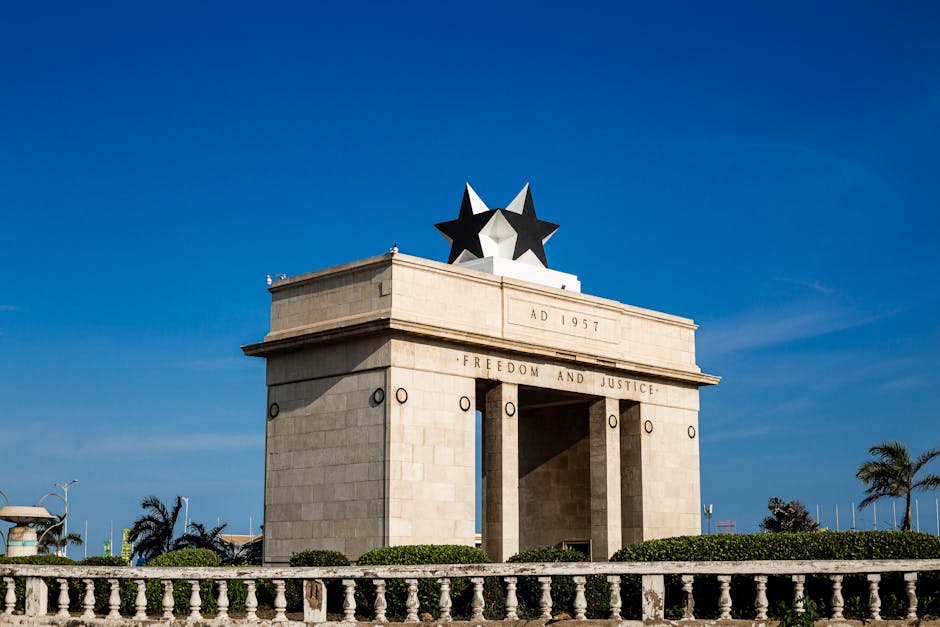
Beautiful arch monument with a reflecting pool under a bright blue sky, Bolgatanga, Ghana
FAQs: Your Bolgatanga, Ghana Questions Answered
1. Is Bolgatanga, Ghana safe at night?
Bolgatanga is generally very safe. Violent crime against tourists is rare. However, take standard precautions: avoid walking alone in poorly lit areas late at night, keep valuables secure, and use a motorking or taxi after dark. Petty theft can occur in crowded markets, so be mindful of your belongings.
2. What currency is used and are credit cards accepted?
The Ghanaian Cedi (GHS) is the currency. Carry plenty of cash, especially small denominations. Credit cards are only accepted at a few top hotels (like the Black Star). ATMs are available in town (Ecobank, GCB), but they can sometimes be out of cash or offline, so don’t rely on them exclusively.
3. How do I get from the airport to the city center?
You’ll likely fly into Tamale (TML). From there, pre-arrange a private transfer (the most reliable option, 400-500 GHS, 3 hours) or take a shared taxi to Tamale’s main lorry station and then a tro-tro to Bolgatanga (total ~50 GHS, 4+ hours). Book airport transfers at <a href=”https://www.get
Explore More Destinations
- Jozani, Tanzania on a Budget: an Ancient Forest for $35/Day (2026)
- Nsumbu, Zambia on a Budget: Wild Africa for $40/Day (2026)
- Semporna, Malaysia on a Budget: Paradise for $35/Day (2026)
- Khuzestan, Iran on a Budget: Ancient Empires for $30/Day (2026)
- Ngerulmud, Palau on a Budget: Island Majesty for $45/Day (2026)
Ready to Visit Bolgatanga?
Start planning your trip today. Compare hotels, find the best tours, and get insider tips.
Your adventure in Bolgatanga starts here →
Related Guides
Explore more destinations similar to Bolgatanga:
- Matanam, Madagascar’s Ultimate Lemurs, Baobabs & Spice Markets (2025)
- Antonina, Brazil’s Ultimate History, Bay Views & Barreado Stew (2026)
- Dapaong, Togo’s Stunning Rock Art, Savanna Sunsets & Moba Culture (2026)
- Maxixe, Mozambique: Hidden Gateway to the Inhambane Coast, Vibrant Markets & Authentic Charm (2026)
{“@context”: “https://schema.org”, “@type”: “FAQPage”, “mainEntity”: [{“@type”: “Question”, “name”: “What is the best time to visit Bolgatanga?”, “acceptedAnswer”: {“@type”: “Answer”, “text”: “The best time to visit Bolgatanga depends on your preferences. Generally, the dry season offers the most pleasant weather for sightseeing and outdoor activities.”}}, {“@type”: “Question”, “name”: “How many days do I need in Bolgatanga?”, “acceptedAnswer”: {“@type”: “Answer”, “text”: “Most travelers spend 3-5 days in Bolgatanga to see the main attractions. A week allows for a more relaxed pace and day trips.”}}, {“@type”: “Question”, “name”: “Is Bolgatanga expensive to visit?”, “acceptedAnswer”: {“@type”: “Answer”, “text”: “Bolgatanga can be visited on various budgets. Accommodation ranges from hostels to luxury hotels, and local restaurants offer affordable dining.”}}]}

