
Tây Ninh, Vietnam’s Hidden Sacred Mountains, Unique Faith & Borderland Flavors (2026)
While crowds flock to the beaches of Phú Quốc or the lantern-lit streets of Hội An, Tây Ninh, Vietnam delivers a profound cultural and spiritual experience just 100 kilometers northwest of Ho Chi Minh City. Here, the rhythm of life is set by the chants of the Cao Đài faithful and the silhouette of the sacred Black Virgin Mountain. This is where you’ll find a singular religion born in the 1920s, a landscape steeped in wartime history, and a cuisine that tells the story of the Cambodian border. Here’s why savvy travelers choose differently.
Why Tây Ninh, Vietnam Stands Out

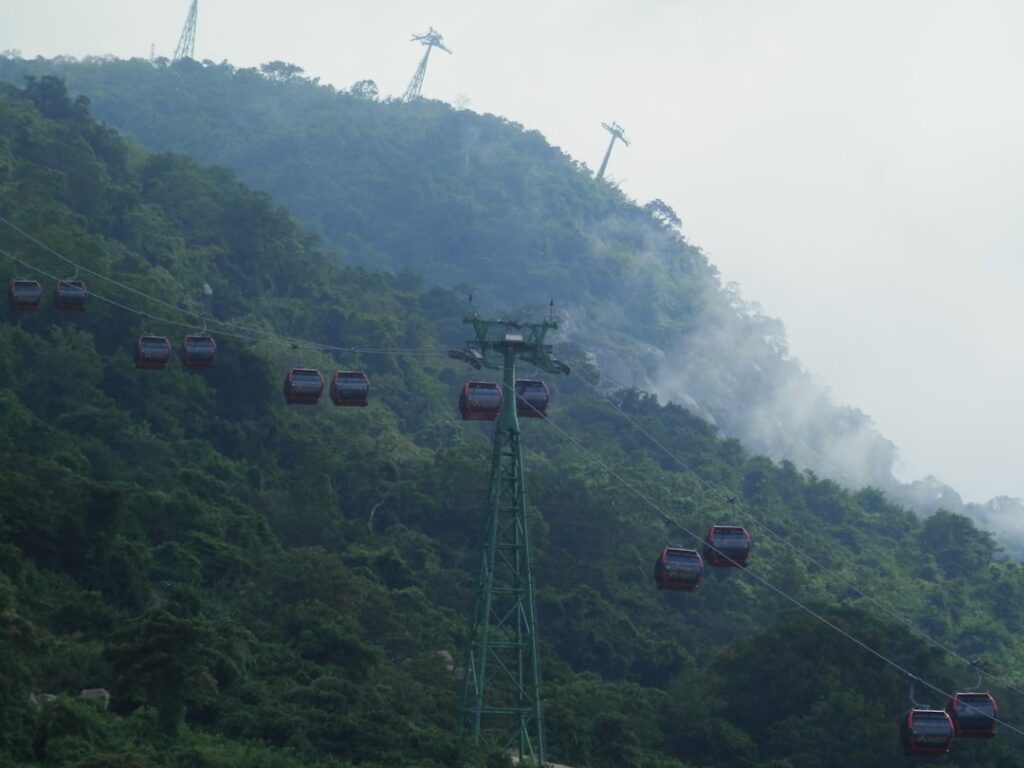
A group of cars on a cable car above a forest, Tây Ninh, Vietnam
- Historic Architecture: The Cao Đài Holy See, consecrated in 1937, is a breathtaking fusion of Neo-Gothic, Baroque, and Oriental design, serving as the Vatican for this uniquely Vietnamese religion.
- Cultural Scene: Witness the vibrant, twice-daily Cao Đài prayer ceremony (at noon and midnight), a mesmerizing spectacle of colorful robes, chanting, and ritual music.
- Local Specialties: You must try Bánh Tráng Phơi Sương, a delicate “dew-dried” rice paper that locals use to wrap fresh herbs and grilled meats for an unforgettable texture.
Pro Tip: Plan your visit to the Cao Đài Holy See to arrive by 11:30 AM for the noon prayer ceremony. For the most atmospheric and crowd-free experience at Bà Đen Mountain, take the cable car up for sunrise on a weekday morning.
Map of Tây Ninh, Vietnam
Use these interactive maps to explore Tây Ninh, Vietnam and plan your route:
📍 View Tây Ninh, Vietnam on OpenStreetMap
🗺️ Open Tây Ninh, Vietnam in Google Maps
Planning Your Trip: Practical Essentials
Getting There and Around
- By Air: Fly into Tân Sơn Nhất International Airport (SGN) in Ho Chi Minh City. From there, take a bus, private car, or join a tour for the 2-2.5 hour drive to Tây Ninh. Book flights at Skyscanner for best deals.
- By Train: There is no direct train to Tây Ninh town. The nearest major rail hub is in Ho Chi Minh City. Reserve tickets for travel within Vietnam at Trainline or the national railway website.
- By Car: The drive from Ho Chi Minh City via National Highway 22 is straightforward. Renting a car with a driver for a day trip is a popular and cost-effective option. Compare car rentals at RentalCars.com.
- Local Transport: Within Tây Ninh, xe ôm (motorbike taxis) and regular taxis (like Mai Linh or Vinasun) are the primary ways to get around. For about 50,000-100,000 VND, a xe ôm can take you between major sites in town.
Best Time to Visit
Tây Ninh has a tropical climate with distinct wet and dry seasons. The dry season (December to April) is ideal for outdoor activities like climbing Bà Đen Mountain. The wet season (May to November) brings lush greenery but occasional heavy afternoon downpours.
| Season | Weather | Highlights |
|---|---|---|
| Dry Season (Dec–Apr) | Hot and sunny, 28-35°C, low humidity | Perfect for mountain hikes and temple visits; peak pilgrimage season for Bà Đen Mountain around Lunar New Year (Jan/Feb). |
| Wet Season (May–Nov) | Hot, humid, 26-33°C, frequent afternoon showers | Landscape is vividly green; fewer tourists; indoor attractions like the Cao Đài Holy See are unaffected. |
| Shoulder (Nov & Apr) | Transitional, warm, less predictable rain | A good balance of manageable weather and smaller crowds before and after peak seasons. |
Budgeting for Tây Ninh, Vietnam

A herd of cattle standing on top of a lush green field, Tây Ninh, Vietnam
| Category | Budget | Mid-range | Luxury |
|---|---|---|---|
| Accommodation | 250,000 – 500,000 VND/night (guesthouse) | 600,000 – 1,200,000 VND/night (3-star hotel) | 1,500,000+ VND/night (resort-style) |
| Meals | 50,000 – 100,000 VND/meal (street food, local eateries) | 120,000 – 250,000 VND/meal (restaurant) | 300,000+ VND/meal (fine dining in HCMC day trip) |
| Transport | 20,000 VND (local bus from HCMC), xe ôm around town | 1,200,000 VND (private car from HCMC for day) | Private car & driver with guide (2,500,000+ VND/day) |
| Activities | Free (Holy See visit), 50,000 VND (mountain entry) | 220,000 VND (cable car round-trip), guided tours | Private spiritual/cultural tours, premium experiences |
| Daily Total | 400,000 – 700,000 VND | 1,200,000 – 2,000,000 VND | 3,000,000+ VND |
Top Attractions and Must-See Sights
| Attraction | Description | Hours | Entry Fee |
|---|---|---|---|
| Cao Đài Holy See (Tòa Thánh Tây Ninh) | The dazzling epicenter of Caodaism, where architecture and daily prayer create an unforgettable spectacle. | Open daily; Prayer Ceremonies at 6:00 AM, 12:00 PM, 6:00 PM, 12:00 AM | Free (donations accepted) |
| Bà Đen Mountain (Núi Bà Đen) | Sacred 996-meter peak featuring pagodas, caves, a giant Buddha statue, and panoramic views via cable car. | 7:00 AM – 5:00 PM daily | 50,000 VND entry; Cable Car: 220,000 VND round-trip |
| Trảng Bàng Ancient House (Nhà Cổ Trảng Bàng) | A beautifully preserved 150-year-old wooden house showcasing traditional Southern Vietnamese architecture and lifestyle. | 8:00 AM – 5:00 PM | 20,000 VND |
| Củ Chi Tunnels (on route from HCMC) | The vast underground network used by Viet Cong soldiers, offering a profound historical perspective. | 7:00 AM – 5:00 PM | 110,000 VND |
3-Day Itinerary: Tây Ninh, Vietnam’s Highlights & Hidden Gems
Day 1: Spiritual Heart & Sacred Mountain
- Morning (7:00 AM): Depart from Ho Chi Minh City by private car (1,200,000 VND for the day). Your first stop is the Cao Đài Holy See. Arrive by 11:30 AM to explore the ornate temple grounds before the main event.
- Afternoon (12:00 PM): Witness the breathtaking noon prayer ceremony. Afterwards, have lunch at Quán Cơm Tây Ninh near the temple for authentic local fare like caramelized pork in clay pot. Then, drive to Bà Đen Mountain. Take the cable car (220,000 VND) to the summit for stunning views.
- Evening (6:00 PM): Descend and check into your hotel. For dinner, head to Lẩu Cá Kèo Tây Ninh for a hotpot featuring the region’s signature goby fish.
Day 2: History, Craft & Local Life
- Morning (8:00 AM): Visit the Trảng Bàng Ancient House (20,000 VND). This isn’t just a museum; it’s a living piece of history where the family’s descendants often share stories.
- Afternoon (12:30 PM): Enjoy the town’s famous dish, Bánh Tráng Phơi Sương Trảng Bàng, at a local spot like Bánh Tráng Ba Thu. Learn how to wrap your own fresh spring rolls. Then, visit a local rice paper making village to see the traditional “dew-drying” process.
- Evening (6:30 PM): Explore the central market for evening snacks. Savvy visitors then find a local coffee shop to try cà phê muối (salt coffee), a unique regional variation.
Day 3: Borderland Flavors & Return via History
- Morning (7:30 AM): Hire a xe ôm (approx. 150,000 VND) for a short trip to the Vàm Cỏ Đông River. Take a small boat ride to see the peaceful borderland scenery and floating markets.
- Afternoon (12:00 PM): Have a final lunch in Tây Ninh at Bún Nước Lèo Tây Ninh, savoring the rich, turmeric-based noodle soup influenced by Khmer cuisine. Begin your journey back towards Ho Chi Minh City.
- Evening (3:00 PM): En route, stop at the Củ Chi Tunnels (110,000 VND). Crawl through a section of the historic tunnels for a sobering and essential understanding of Vietnam’s past before returning to the city.
Cultural Insights & Etiquette
- Language: Vietnamese is key. Learn “Xin chào” (Hello), “Cảm ơn” (Thank you), and “Bao nhiêu tiền?” (How much?). English is limited outside major tourist spots.
- Customs: When visiting the Cao Đài Holy See or mountain pagodas, dress modestly. Remove shoes before entering temple buildings. During ceremonies, observe quietly from the balconies; do not enter the main hall or interrupt worshippers.
- Tipping: Not expected but appreciated for good service. Rounding up bills or leaving 5-10% in restaurants is a kind gesture. For drivers/guides, 100,000-200,000 VND per day is generous.
- Dress Code: Shoulders and knees should be covered at religious sites. Light, breathable fabrics are essential for the heat. Comfortable walking shoes are a must for Bà Đen Mountain.
- Business Hours: Government offices: 7:30 AM-4:30 PM (closed 11:30 AM-1:30 PM). Shops: 8:00 AM-9:00 PM. Many businesses close during the Lunar New Year (Tết).
Where to Eat: Tây Ninh, Vietnam’s Best Bites
Tây Ninh’s cuisine is a fascinating blend of Vietnamese staples with distinct Khmer (Cambodian) influences, resulting in bolder, often sweeter flavors and unique ingredients. Dining is casual, communal, and centered around fresh herbs and shared plates.
Must-Try Local Specialties
- Bánh Tráng Phơi Sương: Literally “dew-dried rice paper,” this is Tây Ninh’s superstar. It’s incredibly thin, soft, and pliable, used to wrap grilled meats (like Bánh Tráng Thịt Heo), herbs, and green banana. Try it at any local eatery, especially in Trảng Bàng district.
- Bún Nước Lèo: A rich, yellow noodle soup made with a broth of fish and pork bones, turmeric, and lemongrass, topped with fish cakes, shrimp, and herbs. Find it at spots like Bún Nước Lèo Cô Ba in the town center.
- Cá Lóc Nướng Trui: Whole snakehead fish, marinated and grilled over charcoal until the skin is crispy and the flesh is smoky and tender. Best enjoyed at roadside grills in the evening.
Restaurant Recommendations by Budget
| Type | Restaurant | Specialty | Price Range |
|---|---|---|---|
| Budget | Bánh Tráng Ba Thu (Trảng Bàng) | Fresh spring rolls with dew-dried rice paper | 30,000 – 70,000 VND |
| Mid-range | Quán Cơm Tây Ninh (near Holy See) | Local clay pot dishes and set meals | 80,000 – 150,000 VND |
| Fine dining | Nhà Hàng Đồi Thông (Pine Hill Restaurant) | Vietnamese fusion in a garden setting | 200,000 – 400,000 VND |
Where to Stay
Most visitors stay in Tây Ninh town center for convenience to restaurants and transport. For a more secluded experience, look for resorts near the base of Bà Đen Mountain. Compare prices and book at Booking.com or Airbnb for apartments.
Best Neighborhoods for Accommodation
- Tây Ninh City Center: The most practical base with the widest selection of hotels, restaurants, and easy access to xe ôm drivers. Ideal for first-time visitors and those relying on public transport.
- Near Bà Đen Mountain: Offers a more peaceful, nature-oriented stay. You’ll find a few resorts here, perfect for an early morning cable car ride or hike. Requires transport to reach town.
- Trảng Bàng District: A quieter, more rural option famous for its rice paper villages. Stay here for an immersive local experience, though it’s further from the Holy See.

Colorful outdoor view of Ba Den Mountain with lotus pond and statues under …, Tây Ninh, Vietnam
FAQs: Your Tây Ninh, Vietnam Questions Answered
1. Is Tây Ninh, Vietnam safe at night?
Yes, Tây Ninh is generally very safe. Violent crime against tourists is rare. As in any destination, exercise standard precautions: be aware of your belongings in crowded areas, use reputable taxi companies, and avoid poorly lit, deserted streets late at night.
2. What currency is used and are credit cards accepted?
The Vietnamese Dong (VND) is the currency. While some larger hotels and upscale restaurants in town may accept credit cards, cash is king in Tây Ninh. Withdraw enough Dong from ATMs in Ho Chi Minh City or at major banks in Tây Ninh town before heading out for the day.
3. How do I get from the airport to Tây
Explore More Destinations
- Jozani, Tanzania on a Budget: an Ancient Forest for $35/Day (2026)
- Nsumbu, Zambia on a Budget: Wild Africa for $40/Day (2026)
- Semporna, Malaysia on a Budget: Paradise for $35/Day (2026)
- Khuzestan, Iran on a Budget: Ancient Empires for $30/Day (2026)
- Ngerulmud, Palau on a Budget: Island Majesty for $45/Day (2026)
Ready to Visit Tây Ninh?
Start planning your trip today. Compare hotels, find the best tours, and get insider tips.
Your adventure in Tây Ninh starts here →
Related Guides
Explore more destinations similar to Tây Ninh:
- Maputo, Mozambique’s Best Seafood, Art Deco & Indian Ocean Rhythms (2026)
- Stunning Akureyri Secrets’s Best Best Places to Visit (2025)
- Skagway, USA: Best Gold Rush History, Epic Rail Journeys & Wild Alaskan Beauty (2025)
- Jeonju, South Korea’s Best Hanok Villages, Bibimbap & Traditional Culture (2025)

