
Sichuan’s Biodiversity, China’s Epic Pandas, Peaks & Ancient Forests (2026)
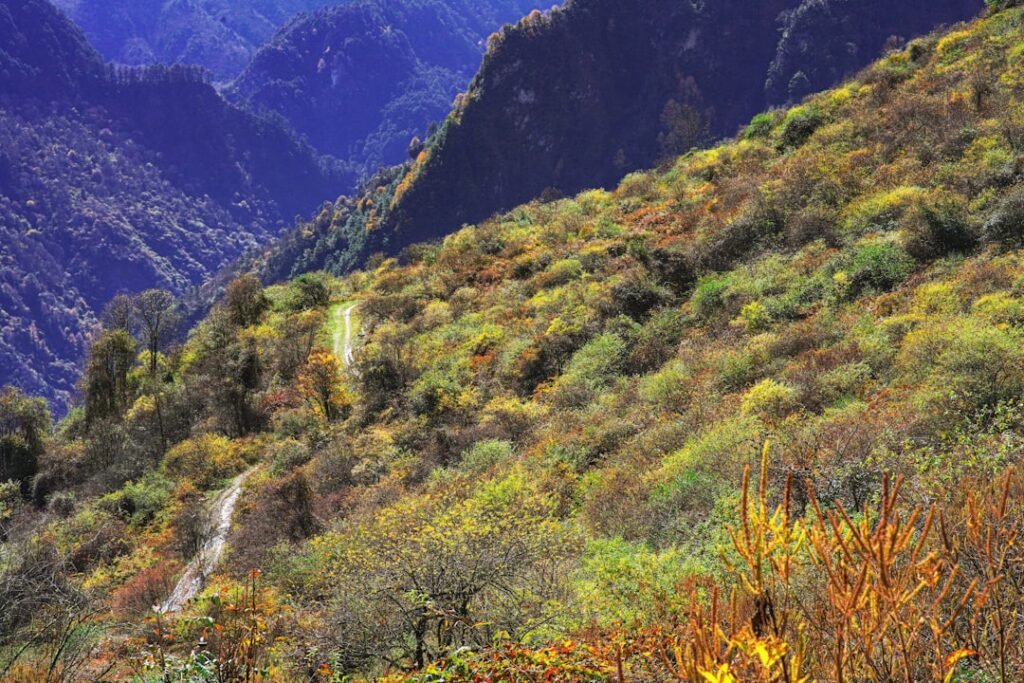
What if a single Chinese province contained over 12,000 species of higher plants and more than 1,200 vertebrates, including the world’s last wild population of giant pandas? Sichuan proves this is not a fantasy, but a living, breathing reality. This southwestern province, cradled by the eastern Himalayas and the Tibetan Plateau, is a biological ark where you can walk through temperate rainforests older than human civilization, spot a golden snub-nosed monkey in a 7,000-meter mountain shadow, and understand why this region is a UNESCO World Heritage Site not for one, but for multiple natural properties. Here’s how to experience one of Earth’s most vital ecological treasures.
Why Sichuan’s Biodiversity Stands Out

A panda bear sitting on top of a tree, Sichuan’s Biodiversity, China
- Historic Architecture: The 1,200-year-old Leshan Giant Buddha, carved into a cliff face in 803 AD, is a monumental testament to the harmony between ancient culture and the natural landscape it overlooks.
- Cultural Scene: The annual Siguniang Mountain Festival in October celebrates the sacred peaks with Tibetan horse racing, singing, and rituals that have honored these biodiverse mountains for centuries.
- Local Specialties: You absolutely must try Mapo Tofu, the iconic Chengdu dish where the fiery, numbing sensation of Sichuan peppercorns is a culinary echo of the province’s vibrant, potent energy.
Pro Tip: Your best bet for optimal wildlife viewing and manageable crowds is the shoulder months of late April to early June. This period avoids the heavy summer rains that can cause landslides and offers a spectacular bloom of rhododendrons and orchids across the alpine meadows, while animals are active before the deep summer foliage makes spotting them harder.
Map of Sichuan’s Biodiversity, China
Use these interactive maps to explore Sichuan’s Biodiversity, China and plan your route:
📍 View Sichuan’s Biodiversity, China on OpenStreetMap
🗺️ Open Sichuan’s Biodiversity, China in Google Maps
Planning Your Trip: Practical Essentials
Getting There and Around
- By Air: Chengdu Shuangliu International Airport (CTU) is the main hub, served by major international and domestic airlines. A taxi to downtown Chengdu costs about ¥80-100. Book flights at Skyscanner for best deals.
- By Train: Chengdu is a major high-speed rail hub. The bullet train from Xi’an takes about 3.5 hours, from Chongqing about 1.5 hours. Reserve tickets at Trainline or the national railway website.
- By Car: Renting a car offers flexibility for remote reserves, but be prepared for challenging mountain roads. Drivers must have an International Driving Permit. Compare car rentals at RentalCars.com.
- Local Transport: For longer trips to sites like Jiuzhaigou, tourists often book shared minibus tours or long-distance buses from Chengdu’s Xinnanmen Station. Within Chengdu, the metro is efficient and cheap, with fares starting at ¥2.
Best Time to Visit
The ideal time hinges on your priorities: spring and autumn offer the best balance of pleasant weather, clear skies, and vibrant colors, while summer brings lush greenery and winter offers stark, snowy beauty with far fewer visitors.
| Season | Weather | Highlights |
|---|---|---|
| Summer (Jun–Aug) | Warm, 18-28°C (64-82°F), but very rainy, especially in July/August. | Lush, emerald-green landscapes at their peak; high water flow at waterfalls. Expect crowds and potential travel disruptions due to rain. |
| Winter (Dec–Feb) | Cold, -5 to 10°C (23-50°F), with snow at higher elevations. | Frozen waterfalls and snow-dusted forests create a magical, quiet atmosphere in Jiuzhaigou; very few tourists. Some remote areas may be inaccessible. |
| Shoulder (Apr–May/Sep–Oct) | Mild, 10-22°C (50-72°F), with stable, sunny days. | Perfect hiking weather. Spring brings wildflowers; autumn offers stunning fall foliage, particularly in late October. The optimal time for photography and comfortable exploration. |
Budgeting for Sichuan’s Biodiversity, China

A panda bears safely in a tree., Sichuan’s Biodiversity, China
| Category | Budget | Mid-range | Luxury |
|---|---|---|---|
| Accommodation | Hostel/Guesthouse: ¥100-200/night | Comfortable hotel: ¥400-800/night | 5-star/Luxury Lodge: ¥1,200+/night |
| Meals | Street food/local eateries: ¥30-50/day | Restaurant meals: ¥100-150/day | Fine dining/Resort meals: ¥300+/day |
| Transport | Public buses & metro: ¥20-50/day | Taxis/private car hire: ¥200-400/day | Private driver & guide: ¥800+/day |
| Activities | Park entry fees (¥80-220), free hiking | Guided day hikes, panda volunteer program (¥1,500) | Multi-day private eco-tours, helicopter sightseeing |
| Daily Total | ¥250-400 | ¥800-1,500 | ¥2,500+ |
Top Attractions and Must-See Sights
| Attraction | Description | Hours | Entry Fee |
|---|---|---|---|
| Chengdu Research Base of Giant Panda Breeding | The world’s foremost panda conservation center, where you can observe these iconic bears up close in a sprawling, naturalistic park setting. | 7:30 AM – 6:00 PM | ¥55 |
| Jiuzhaigou Valley National Park | A UNESCO site famed for its multi-colored lakes, cascading waterfalls, and snow-capped peaks—a landscape so surreal it feels like stepping into a painting. | 8:00 AM – 5:00 PM (Apr-Nov) | ¥220 (peak), ¥80 (off-peak) |
| Huanglong Scenic Area | Known as the “Fairyland on Earth” for its thousands of vibrant, travertine limestone pools terraced down a mountain valley. | 8:00 AM – 5:00 PM | ¥170 (peak), ¥60 (off-peak) |
| Mount Siguniang (Four Sisters Mountain) | A trekker’s paradise with four sacred peaks over 5,000m, offering trails through valleys filled with wildflowers and rare wildlife. | 24/7 (Visitor Center 8am-5pm) | Shuangqiao Valley: ¥80; Changping Valley: ¥70 |
3-Day Itinerary: Sichuan’s Biodiversity Highlights & Hidden Gems
Day 1: Pandas & Ancient Chengdu
- Morning (7:30 AM): Arrive at the Chengdu Panda Base right at opening (¥55 entry). The pandas are most active during morning feeding times. Don’t rush—savvy visitors spend at least 3 hours here, also visiting the red panda enclosures.
- Afternoon (12:30 PM): Head to the Wenshu Monastery for a peaceful stroll and a vegetarian lunch at its famous tea house (around ¥50). Then, explore the traditional architecture of Jinli Ancient Street.
- Evening (7:00 PM): Experience the fiery local cuisine at Chen Mapo Tofu (No. 197 Yulin East Road) for an authentic plate of their namesake dish (¥40), followed by a Sichuan Opera face-changing show at Shufeng Yayun Teahouse (tickets from ¥150).
Day 2: The Sacred Peaks of Siguniang
- Morning (6:00 AM): Take a pre-booked shared minibus from Chengdu (¥120, 4-hour journey) to Rilong Town at the base of Mount Siguniang. Your best bet is to head straight to Shuangqiao Valley, where an eco-friendly bus (¥70) takes you deep into the valley past waterfalls and herds of grazing yaks.
- Afternoon (1:00 PM): Enjoy a simple, hearty lunch of yak meat stew and barley bread at a Tibetan family-run guesthouse in Rilong (about ¥40). Then, take a gentle hike along the Changping Valley trail to acclimatize to the 3,200m altitude.
- Evening (6:00 PM): Have dinner at your lodge and, if the sky is clear, step outside for some of the most breathtaking stargazing you’ll ever experience, with the silhouettes of the four sacred peaks against the Milky Way.
Day 3: Alpine Meadows & Return to Civilization
- Morning (8:00 AM): For the more adventurous, a half-day guided hike (¥200-300) into Haizi Valley reveals hidden glacial lakes and a chance to spot pheasants and maybe even a musk deer. For a relaxed morning, visit the small Siguniangshan Museum to understand the region’s ecology.
- Afternoon (12:00 PM): Savor a final Tibetan lunch in Rilong before catching the afternoon minibus back to Chengdu (4 hours). Travelers often discover this journey is just as scenic as the destination.
- Evening (7:00 PM): Back in Chengdu, reward yourself with a famous hotpot experience at Xiaolongkan Hotpot (multiple locations). The split “yin-yang” pot allows you to try both the fiery red broth and a mild, herbal one (budget ¥100-150 per person).
Cultural Insights & Etiquette
- Language: Mandarin is standard. In Tibetan areas, “Tashi Delek” (Hello) is appreciated. Learn “Xièxie” (Thank you) and “Là” (spicy) for ordering food!
- Customs: In Tibetan regions, always walk clockwise around stupas, mani stones, and temples. It’s respectful to receive items with both hands.
- Tipping: Not customary or expected in most places, though upscale hotels and tour guides may accept it. A simple thank you suffices.
- Dress Code: Modesty is key, especially in temples and rural areas. For hiking, wear layers and sturdy, waterproof shoes. The weather can change rapidly in the mountains.
- Business Hours: Government offices and museums typically operate 9 AM-5 PM. Restaurants are open late, often until 10 PM or later in Chengdu. Major national holidays (Oct 1-7, Chinese New Year) see massive domestic travel.
Where to Eat: Sichuan’s Best Bites
Sichuan cuisine is a world-renowned adventure for the senses, built on the foundational flavors of má (numbing Sichuan peppercorn) and là (chili heat). Dining is social, vibrant, and often delightfully loud. Don’t just eat—immerse yourself in the bustling atmosphere of a hotpot parlor or a “fly restaurant” (a tiny, incredibly popular local spot).
Must-Try Local Specialties
- Mapo Tofu: Silken tofu in a fiery, numbing, bean-based sauce with minced meat. The version at the century-old Chen Mapo Tofu restaurant in Chengdu is legendary.
- Sichuan Hotpot: More than a meal, it’s an event. Diners cook a vast array of meats, vegetables, and tofu in a simmering, flavor-packed broth. Haidilao is famous for its service, while locals love Shu Jiuxiang for authenticity.
- Dan Dan Noodles: Wheat noodles topped with a savory, spicy, and slightly sweet sauce of preserved vegetables, chili oil, and minced pork. Find superb versions at small noodle shops throughout Chengdu’s backstreets.
Restaurant Recommendations by Budget
| Type | Restaurant | Specialty | Price Range |
|---|---|---|---|
| Budget | Long Chao Shou (Wenshu Fang St) | Authentic Chengdu snacks like Chao Shou (wontons) and sweet water noodles | ¥20-40 per person |
| Mid-range | Yulin Chuan Chuan Xiang (Yulin South Rd) | Skewer-style hotpot where you pay per stick, perfect for trying many ingredients | ¥60-100 per person |
| Fine dining | Imperial Palace Tea Restaurant (inside Temple Hotel) | Exquisite, modern interpretations of Sichuan classics in a stunning renovated temple complex | ¥300+ per person |
Where to Stay
Your base defines your experience. Chengdu offers urban comfort and easy access to the panda base, while staying in towns like Zhangza or Rilong puts you at the heart of the wilderness. Compare prices and book at Booking.com or Airbnb for apartments.
Best Neighborhoods for Accommodation
- Chunxi Road / Tianfu Square (Chengdu): The bustling city center, perfect for first-time visitors. You’ll find every type of hotel, major shopping, and metro access. It can be noisy and lacks local charm.
- Jinli / Wuhou Temple Area (Chengdu): Close to historic sites and more traditional architecture. The atmosphere is more cultural, with great local food options nearby. Slightly less convenient for metro lines.
- Rilong Town (Near Siguniang): The gateway to Mount Siguniang. Accommodation ranges from basic Tibetan guesthouses to comfortable lodges. You’re waking up in the mountains, ideal for hikers and nature photographers. Amenities are simple.

A city in the mountains, Sichuan’s Biodiversity, China
FAQs: Your Sichuan’s Biodiversity Questions Answered
1. Is Sichuan safe at night?
Generally, yes. Chengdu is a safe metropolitan city. In nature reserves and small mountain towns, the primary concerns are natural—stick to marked trails, be aware of altitude sickness, and avoid hiking alone after dark due to wildlife and terrain. Petty crime is low, but exercise standard precautions with valuables.
2. What currency is used and are credit cards accepted?
The Chinese Yuan (CNY or RMB) is the currency. While major hotels, upscale restaurants, and chain stores in Chengdu accept international credit cards (Visa/Mastercard), cash is still king, especially in smaller towns, for taxis, street food, and local transport. Withdraw cash from ATMs (look for ICBC or Bank of China) upon arrival.
3. How do I get from the airport to the city center?
Chengdu Shuangliu Airport has a direct metro line (Line 10) to the city center, taking
Explore More Destinations
- Jozani, Tanzania on a Budget: an Ancient Forest for $35/Day (2026)
- Nsumbu, Zambia on a Budget: Wild Africa for $40/Day (2026)
- Semporna, Malaysia on a Budget: Paradise for $35/Day (2026)
- Khuzestan, Iran on a Budget: Ancient Empires for $30/Day (2026)
- Ngerulmud, Palau on a Budget: Island Majesty for $45/Day (2026)
Ready to Visit Sichuan’s Biodiversity?
Start planning your trip today. Compare hotels, find the best tours, and get insider tips.
Your adventure in Sichuan’s Biodiversity starts here →
Related Guides
Explore more destinations similar to Sichuan’s Biodiversity:
- Wasit, Iraq’s Hidden Ancient Ruins, Marshland Mystique & Authentic Iraqi Life (2026)
- Gorongosa Mozambique, Mozambique: Hidden Wildlife, Wilderness & Rewilding Hope (2026)
- Epi Island, Vanuatu’s Hidden Kava, Coral Reefs & Unwritten History (2026)
- Bacoor, Philippines’s Hidden History, Halo-Halo & Coastal Charm (2026)
{“@context”: “https://schema.org”, “@type”: “FAQPage”, “mainEntity”: [{“@type”: “Question”, “name”: “What is the best time to visit Sichuanu2019s Biodiversity?”, “acceptedAnswer”: {“@type”: “Answer”, “text”: “The best time to visit Sichuanu2019s Biodiversity depends on your preferences. Generally, the dry season offers the most pleasant weather for sightseeing and outdoor activities.”}}, {“@type”: “Question”, “name”: “How many days do I need in Sichuanu2019s Biodiversity?”, “acceptedAnswer”: {“@type”: “Answer”, “text”: “Most travelers spend 3-5 days in Sichuanu2019s Biodiversity to see the main attractions. A week allows for a more relaxed pace and day trips.”}}, {“@type”: “Question”, “name”: “Is Sichuanu2019s Biodiversity expensive to visit?”, “acceptedAnswer”: {“@type”: “Answer”, “text”: “Sichuanu2019s Biodiversity can be visited on various budgets. Accommodation ranges from hostels to luxury hotels, and local restaurants offer affordable dining.”}}]}

