
Hat Yai, Thailand’s Amazing Street Food, Bustling Markets & Cross-Border Charm (2026)
While crowds flock to the islands of Phuket and Krabi, Hat Yai delivers an authentic, vibrant Southern Thai urban experience without the tourist markups. For less than $35 a day, you can feast on legendary street food, explore labyrinthine markets, and use the city as a gateway to neighboring Malaysia. This is where Thailand’s deep south truly comes alive, not on a beach, but in the sizzling woks and neon-lit streets of its most dynamic commercial hub.
Why Hat Yai, Thailand Stands Out

A group of people riding motorcycles down a street, Hat Yai, Thailand
- Historic Architecture: The 250-year-old Wat Hat Yai Nai houses one of the world’s third-largest reclining Buddha statues, a 35-meter-long golden figure that embodies the city’s spiritual significance.
- Cultural Scene: The Hat Yai Midnight Songkran transforms the city center into a massive, joyful water fight lasting until 2 AM, a uniquely raucous take on the traditional Thai New Year.
- Local Specialties: You must try Hat Yai’s iconic crispy fried chicken (Gai Tod Hat Yai), marinated in a secret blend of spices and turmeric, best eaten with sticky rice and sweet chili sauce.
Pro Tip: Visit from late November to early February for the coolest, driest weather. To avoid the weekend shopping crowds from Malaysia, plan your market explorations for a Tuesday or Wednesday morning.
Map of Hat Yai, Thailand
Use these interactive maps to explore Hat Yai, Thailand and plan your route:
📍 View Hat Yai, Thailand on OpenStreetMap
🗺️ Open Hat Yai, Thailand in Google Maps
Planning Your Trip: Practical Essentials
Getting There and Around
- By Air: Hat Yai International Airport (HDY) is served by AirAsia, Thai Smile, and Nok Air with direct flights from Bangkok (1.5 hrs) and Singapore. A taxi to the city center costs a fixed 250 THB. Book flights at Skyscanner for best deals.
- By Train: The State Railway of Thailand offers overnight sleeper trains from Bangkok Hua Lamphong Station—a 16-hour journey that’s an experience in itself. Reserve tickets at Trainline or the national railway website.
- By Car: Driving from Bangkok via Highway 4 takes roughly 12 hours. In town, parking can be tricky; your best bet is to use hotel parking. Compare car rentals at RentalCars.com.
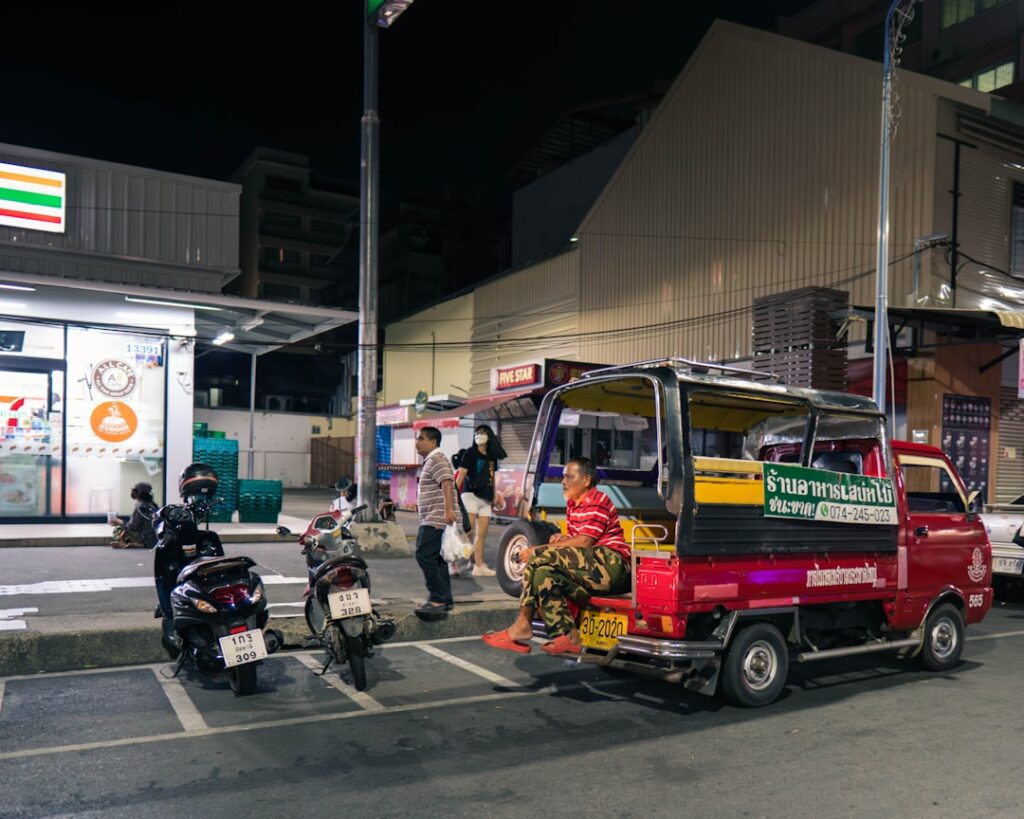
- Local Transport: Red public songthaews (converted pickup trucks) run set routes for 10-20 THB. For more flexibility, use the Grab app (like Uber) or flag down a tuk-tuk—always agree on a price (80-150 THB for short trips) before getting in.
Best Time to Visit
Hat Yai is a year-round destination, but weather significantly impacts comfort. The cool season is ideal for exploration, while the rainy season brings lush greenery and fewer crowds, with short, intense downpours.
| Season | Weather | Highlights |
|---|---|---|
| Cool & Dry (Nov–Feb) | 24°C – 32°C, low humidity, minimal rain | Perfect for all outdoor activities and festivals; peak season with more visitors. |
| Hot (Mar–May) | 28°C – 37°C, very high humidity | Great for early morning market visits and air-conditioned malls; Songkran in April offers cooling relief. |
| Rainy (Jun–Oct) | 24°C – 33°C, frequent heavy showers | Lush scenery, lower prices, and indoor attractions like temples shine; pack a raincoat. |
Budgeting for Hat Yai, Thailand

A couple of people riding on the back of a motorcycle, Hat Yai, Thailand
| Category | Budget | Mid-range | Luxury |
|---|---|---|---|
| Accommodation | 300 – 600 THB (hostel/guesthouse) | 1,200 – 2,500 THB (3-4 star hotel) | 3,500+ THB (5-star/resort) |
| Meals | 150-300 THB (street food/markets) | 400 – 800 THB (sit-down restaurants) | 1,200+ THB (hotel fine dining) |
| Transport | 50-100 THB (songthaews) | 300-500 THB (Grab/taxis daily) | 1,500+ THB (private car hire) |
| Activities | 0-200 THB (temples, parks) | 500-1,000 THB (tours, entry fees) | 2,000+ THB (private guides) |
| Daily Total | 500 – 1,200 THB ($14-$35) | 2,400 – 4,800 THB ($65-$130) | 8,000+ THB ($220+) |
Top Attractions and Must-See Sights
| Attraction | Description | Hours | Entry Fee |
|---|---|---|---|
| Wat Hat Yai Nai & Reclining Buddha | Pay respects at the immense, serene golden Buddha and explore the ornate temple grounds and surrounding park. | 8:00 AM – 5:00 PM | Free (donations welcome) |
| Kim Yong Market | Hat Yai’s pulsating heart, a sprawling maze of fresh produce, spices, clothing, and local snacks where you can taste authentic Southern flavors. | 6:00 AM – 6:00 PM | Free |
| Hat Yai Municipal Park & Standing Buddha | Climb or take a cable car to the hilltop park for panoramic city views and the majestic white Phra Buddha Mongkol Maharaj statue. | Park: 24/7; Cable Car: 9 AM-6 PM | Park: Free; Cable Car: 50 THB |
| Ton Nga Chang Waterfall | A stunning seven-tiered waterfall in the nearby wildlife sanctuary, resembling elephant tusks, perfect for a half-day nature escape. | 8:30 AM – 4:30 PM | 200 THB (Foreigner fee) |
3-Day Itinerary: Hat Yai, Thailand’s Highlights & Hidden Gems
Day 1: Urban Pulse & Spiritual Serenity
- Morning (7-9 AM): Dive into **Kim Yong Market** at its liveliest. Watch vendors set up, follow the scent of roasting coffee, and try a breakfast of *Khanom Jeen* (fermented rice noodles) with curry for 40 THB.
- Afternoon (12-3 PM): Visit the majestic **Wat Hat Yai Nai**. Afterward, head to **Chokdee Dim Sum** on Niphat Uthit 2 Road for a legendary lunch of steaming baskets of shrimp and pork dumplings (about 150 THB per person).
- Evening (6-8 PM): Take a songthaew to **Hat Yai Municipal Park**. Ride the cable car up at sunset for breathtaking views. For dinner, feast on the city’s famous fried chicken at **Kai Tod Decha** on Sanchanusorn Road.
Day 2: Market Hopping & Cultural Immersion
- Morning (8 AM): Explore **Asean Trade Market** (Bangkok Bazaar) for clothes, electronics, and souvenirs. Haggle gently—it’s expected. Grab a fresh mango sticky rice from a cart (60 THB).
- Afternoon (1 PM): Travel 15 km to **Khlong Hae Floating Market** (open Fri-Sun 3-9 PM). Paddle through canals sampling grilled seafood and coconut pancakes from vendor boats. A boat tour costs 50 THB.
- Evening (7 PM): Experience a local institution: **Santisuk Restaurant** for superb Southern Thai cuisine. Don’t miss the *Massaman Curry* and *Stir-fried Morning Glory*. Budget 300 THB per person.
Day 3: Nature Escape & Cross-Border Flavor
- Morning (9 AM): Hire a Grab car (approx. 400 THB one-way) to **Ton Nga Chang Waterfall**. Hike to the different tiers for a refreshing swim. Pack water and snacks.
- Afternoon (2 PM): Return to the city and have a late lunch at **Baan Khun Bhu**, known for its exquisite *Gaeng Som* (sour turmeric fish curry).
- Evening (6 PM): For your final night, stroll through **Greenway Night Market**. It’s less touristy than others. Cap off your trip with a foot massage (200 THB/hour) and a sweet *Roti* from a street-side stall.
Cultural Insights & Etiquette
- Language: Thai is the main language. Learn basics: *Sawasdee* (Hello), *Khop Khun* (Thank you). In markets, many vendors speak basic Malay and English.
- Customs: The head is sacred—never touch someone’s head. Feet are considered low; avoid pointing them at people or Buddha images. Wai (a slight bow with palms together) is a common greeting.
- Tipping: Not mandatory but appreciated. Round up taxi fares, leave 20-50 THB for restaurant servers if service isn’t included, and give 50-100 THB to tour guides.
- Dress Code: Dress modestly at temples (cover shoulders and knees). Remove shoes before entering temple buildings and sometimes private shops or homes.
- Business Hours: Shops typically open 10 AM – 8 PM. Malls open until 9 PM. Markets start very early (6 AM). Banks are 8:30 AM – 3:30 PM. Major holidays like Songkran can see widespread closures.
Where to Eat: Hat Yai, Thailand’s Best Bites
Hat Yai’s food scene is its soul—a glorious mix of Thai, Chinese, and Malay influences. Street food is king here, with concentrated flavor and unbeatable value. Don’t be shy to eat at plastic stool setups; that’s where the magic happens.
Must-Try Local Specialties
- Gai Tod Hat Yai (Hat Yai Fried Chicken): The city’s claim to fame. Marinated in turmeric and secret spices, double-fried for an impossibly crispy exterior and juicy interior. Best at **Kai Tod Decha** or **Gai Tod Nong**.
- Dim Sum: A legacy of the city’s strong Chinese heritage. Steamed baskets of dumplings, buns, and rolls served from morning until afternoon. **Chokdee Dim Sum** is the most famous spot.
- Khanom Jeen: Fresh, thin fermented rice noodles served with a choice of flavorful, often spicy, curries like *Nam Ya* (fish curry) or *Nam Prik* (chili paste). Find it at morning markets and specialist shops like **Khanom Jeen Saeng Thai**.
Restaurant Recommendations by Budget
| Type | Restaurant | Specialty | Price Range |
|---|---|---|---|
| Budget | Kim Yong Market Food Stalls | Fresh *Moo Ping* (grilled pork skewers), noodles, and tropical fruits. | 30-100 THB per item |
| Mid-range | Santisuk Restaurant (Niphat Uthit 3) | Comprehensive menu of Southern Thai classics in a clean, air-conditioned setting. | 150-350 THB per dish |
| Fine dining | The Roof Garden Bar & Restaurant (at The Regency Hotel) | International and Thai fusion with stunning city skyline views. | 500+ THB per dish |
Where to Stay
Accommodation in Hat Yai ranges from basic guesthouses to international luxury chains. The city center, around Niphat Uthit and Sanchanusorn Roads, offers the best access to food and markets. Compare prices and book at Booking.com or Airbnb for apartments.
Best Neighborhoods for Accommodation
- City Center (Niphat Uthit): The heart of the action. You’re steps from major markets, shopping malls, and the best street food. It can be noisy at night—ideal for foodies and urban explorers.
- Near Hat Yai Municipal Park: A quieter, greener area slightly removed from the bustle. Offers easy access to the park and cable car, with a more relaxed vibe. Better for families.
- South of the Railway Station: A more local, residential area with excellent value guesthouses and smaller local eateries. Well-connected by songthaew routes for the budget-conscious traveler.

A group of people standing next to each other on a street, Hat Yai, Thailand
FAQs: Your Hat Yai, Thailand Questions Answered
1. Is Hat Yai, Thailand safe at night?
Hat Yai is generally safe for travelers. The main commercial and tourist areas are well-lit and busy until late. As in any city, exercise standard precautions: be aware of your belongings in crowded markets, use reputable taxi services like Grab, and avoid poorly lit, deserted alleys late at night.
2. What currency is used and are credit cards accepted?
The Thai Baht (THB) is the currency. While credit cards are accepted in malls, larger hotels, and upscale restaurants, cash is essential for markets, street food, local transport, and most small shops. ATMs are widely available. Savvy visitors know to carry a mix of small (20, 50, 100 THB) notes for daily expenses.
3. How do I get from the airport to the city center?
Hat Yai International Airport (HDY) is about 12 km from downtown. The most convenient options are the official airport taxis, which operate on a fixed-fare system of 250 THB to most city hotels. There is no public bus. For hassle-free arrival, book airport transfers at GetYourGuide for convenience.
4. Do I need to speak the local language?
Not at all. While Thai is the official language, in Hat Yai—a major commercial hub—you’ll find that basic English is understood in hotels, restaurants, and shops. Market vendors often know numbers and simple product names in English. Learning a few polite Thai phrases (hello, thank you) is always appreciated and enhances your experience.
5. What’s the appropriate dress code?
Light, breathable cotton or linen is ideal for the tropical climate. For temple visits, dress conservatively: cover shoulders,
Explore More Destinations
- Jozani, Tanzania on a Budget: an Ancient Forest for $35/Day (2026)
- Nsumbu, Zambia on a Budget: Wild Africa for $40/Day (2026)
- Semporna, Malaysia on a Budget: Paradise for $35/Day (2026)
- Khuzestan, Iran on a Budget: Ancient Empires for $30/Day (2026)
- Ngerulmud, Palau on a Budget: Island Majesty for $45/Day (2026)
Ready to Visit Hat Yai?
Start planning your trip today. Compare hotels, find the best tours, and get insider tips.
Your adventure in Hat Yai starts here →
Related Guides
Explore more destinations similar to Hat Yai:
- Boise’s Basque Block, USA’s Best Culture, Cuisine & Living Heritage (2025)
- Ghadamis, Libya: Hidden Ancient Architecture, Saharan Silence & Living Heritage (2026)
- Malang, Indonesia: Incredible Volcanic Vistas, Colonial Charm & Coffee Culture (2025)
- AlUla, Saudi Arabia: Best Ancient Wonders, Desert Adventures & Stargazing Magic (2025)

