
Malampa, Vanuatu’s Amazing Volcanoes, Kastom Culture & Untouched Reefs (2026)
While crowds flock to Port Vila for duty-free shops and resorts, Malampa, Vanuatu delivers raw, authentic Melanesian culture and some of the planet’s most accessible active volcanoes without a single chain hotel in sight. Here’s why savvy travelers choose differently, trading infinity pools for the chance to stand on the rim of a rumbling crater at Ambrym, or share kava with chiefs in villages where ancient traditions are a daily reality.
Why Malampa, Vanuatu Stands Out

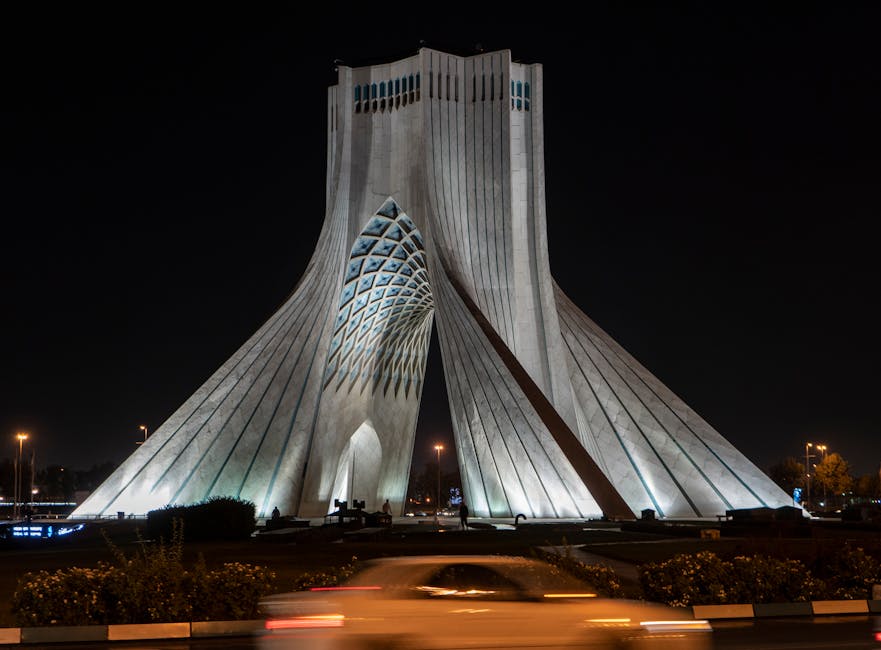
Long exposure night photograph of the illuminated Independence Monument wit…, Malampa, Vanuatu
- Historic Architecture: The 19th-century French colonial post and trading station at Wala Island, Malakula, offers a rare glimpse into the sandalwood and labor trade era.
- Cultural Scene: The Rom Dance of Ambrym, a mesmerizing, sacred ceremony involving elaborate bark-cloth masks and stomping rhythms to connect with ancestral spirits.
- Local Specialties: Lap Lap, the national dish, is perfected here—grated yam, banana, or manioc mixed with coconut milk and meat, wrapped in banana leaves and cooked in hot stones.
Pro Tip: Visit during the dry season from May to October for the best trekking conditions to the volcanoes. For a truly unique experience, time your trip with a full moon, when many villages hold special kava ceremonies and storytelling sessions under the bright Pacific sky.
Map of Malampa, Vanuatu
Use these interactive maps to explore Malampa, Vanuatu and plan your route:
📍 View Malampa, Vanuatu on OpenStreetMap
🗺️ Open Malampa, Vanuatu in Google Maps
Planning Your Trip: Practical Essentials
Getting There and Around
- By Air: Bauerfield International Airport (VLI) in Port Vila is the main international gateway. From there, take a domestic flight with Air Vanuatu to Ambrym’s Ulei Airfield, Malakula’s Norsup Airport, or Paama’s Paama Airport. Book flights at Skyscanner for best deals.
- By Train: There are no train services in Vanuatu. Inter-island travel is by air or sea.
- By Car: On Malakula, you can rent a 4WD vehicle from agencies in Lakatoro (approx. 8,000 VUV/day). Roads are rough. Compare car rentals at RentalCars.com for options in Port Vila before you transit.
- Local Transport: “Trucks” (shared open-back vehicles) are the main public transport on Malakula. Short trips cost 100-200 VUV. For inter-island travel, local cargo boats are an adventurous option but schedules are irregular.
Best Time to Visit
The ideal time to visit is during the dry, cooler season, which offers perfect conditions for hiking and cultural exploration. The wet season brings lush greenery but can make volcanic treks challenging and cancel flights.
| Season | Weather | Highlights |
|---|---|---|
| Dry Season (May–Oct) | 20°C – 28°C, low humidity, minimal rain | Optimal volcano trekking, clear skies for photography, major cultural festivals. Peak season for tourism. |
| Wet Season (Nov–Apr) | 23°C – 30°C, high humidity, daily heavy rain, risk of cyclones | Lush, vibrant landscapes, fewer visitors, lower accommodation rates. Some activities may be restricted. |
| Shoulder (Apr & Oct) | Transitional, warm with occasional showers | A good balance of decent weather and smaller crowds, ideal for village stays and reef exploration. |
Budgeting for Malampa, Vanuatu

Capture of the iconic Maiden’s Tower illuminated at night, Malampa, Vanuatu
| Category | Budget | Mid-range | Luxury |
|---|---|---|---|
| Accommodation | 2,500-4,000 VUV (village homestay) | 8,000-12,000 VUV (local bungalow) | 15,000+ VUV (exclusive eco-lodge) |
| Meals | 500-800 VUV (market food, small kai bar) | 1,500-2,500 VUV (restaurant meal) | 3,500+ VUV (arranged lodge dining) |
| Transport | 200-500 VUV (shared truck) | 8,000 VUV (4WD rental) / 5,000 VUV (boat charter) | 15,000+ VUV (private guide & vehicle) |
| Activities | Free (village walks, beaches) | 6,000-10,000 VUV (guided volcano trek) | 15,000+ VUV (multi-day custom cultural tour) |
| Daily Total | 3,200 – 5,300 VUV (~$27 – $45 USD) | 20,500 – 29,500 VUV (~$175 – $250 USD) | 38,500+ VUV (~$325+ USD) |
Top Attractions and Must-See Sights
| Attraction | Description | Hours | Entry Fee |
|---|---|---|---|
| Mount Benbow & Marum Volcanoes (Ambrym) | Trek to the twin volcanic craters to peer into a roaring, lava-filled caldera—one of the most accessible active volcanoes on Earth. | Guided treks start at dawn | ~10,000 VUV (includes guide & village fees) |
| Small Nambas & Big Nambas Cultural Areas (Malakula) | Visit distinct tribal groups known for their unique traditions; the name refers to the size of the traditional namba (penis sheath). | Village visits by arrangement | ~2,000 VUV (custom gift/guide fee) |
| Maskelyne Islands (Off Malakula) | A stunning archipelago with pristine coral reefs, blue holes, and traditional canoe-building villages, perfect for snorkeling and kayaking. | Daylight hours | Free; boat charter ~5,000 VUV |
| Rano Waterfall & Jungle (Ambrym) | A refreshing hike through dense rainforest leads to a beautiful cascading waterfall, a sacred site for locals. | Daylight hours | ~1,000 VUV (village donation) |
3-Day Itinerary: Malampa, Vanuatu’s Highlights & Hidden Gems
Day 1: Volcanic Ambrym – The Land of Black Magic
- Morning (7-9 AM): Depart from your homestay in Craig Cove or Ranon for a 4WD transfer to the volcano trek starting point. Your guide will provide a safety briefing and traditional blessing for the journey.
- Afternoon (12-3 PM): After a 4-5 hour hike, reach the ash plain. Enjoy a packed lunch with a view of the steaming craters. The more adventurous can continue to Marum’s rim (with a guide) for a look into the lava lake.
- Evening (6-8 PM): Return to the village for a well-earned rest. Join a local kava ceremony at the nakamal (men’s meeting house) for the quintessential Vanuatu experience, followed by a dinner of fresh lap lap.
Day 2: Cultural Malakula – Tribes & Traditions
- Morning (8 AM): Take an early domestic flight from Ambrym to Norsup, Malakula. Rent a 4WD or meet a pre-arranged guide for a visit to a Big Nambas village near Lakatoro. A respectful cultural introduction is essential (~2,000 VUV gift).
- Afternoon (1 PM): Enjoy lunch at Lakatoro Market, grabbing fresh fruit and a local stew. Then, drive to the picturesque coastal village of Wala Island to see the historic French trading post and swim in crystal-clear water.
- Evening (6 PM): Dine at Nautanga Resort near Lakatoro for their excellent seafood curry. Stay overnight in a simple bungalow listening to the waves.
Day 3: Island Time – Reefs & Relaxation
- Morning (8 AM): Charter a local boat from Uliveo Wharf (approx. 5,000 VUV for a small group) to the Maskelyne Islands. Spend the morning snorkeling in the stunning coral gardens of Sakao Island.
- Afternoon (12 PM): Have a beachside picnic lunch on a deserted sandbar. Visit the village of Pellonk to see master craftsmen building outrigger canoes using centuries-old techniques.
- Evening (5 PM): Return to mainland Malakula for a final sunset. Enjoy a farewell dinner of freshly caught lobster at a local family-run kai bar before your flight out the next day.
Cultural Insights & Etiquette
- Language: Bislama is the lingua franca. English and French are also official. Learn: “Tangkyu tumas” (Thank you very much), “Hemi wanem praes?” (How much is it?), “Mi laekem…” (I like…).
- Customs: Always ask permission before taking photos of people or sacred sites. When entering a village, it’s customary to present a small gift of kava root to the chief. Modesty is highly valued.
- Tipping: Not expected or part of the culture. A sincere “tangkyu” is sufficient. For exceptional guide service, a small gift is more appropriate than cash.
- Dress Code: Wear modest clothing covering shoulders and knees, especially in villages. Swimwear is only for the beach. Pack sturdy, closed-toe shoes for trekking.
- Business Hours: Shops in Lakatoro may be open 7:30 AM – 4:30 PM, but close for lunch. Everything slows on Sunday, a day for church and family.
Where to Eat: Malampa, Vanuatu’s Best Bites
Dining here is about authentic, local flavor. You’ll eat what’s fresh from the garden, reef, or earth oven. Restaurants are simple; the best meals are often in villages or small market stalls.
Must-Try Local Specialties
- Lap Lap: The definitive dish. For the best, join a village feast where it’s cooked in a ground oven with island cabbage and chicken. The version with grated yam from Ambrym is particularly famous.
- Tuluk: A savory pudding made from grated manioc, coconut milk, and meat, wrapped in banana leaves. Find it at local markets, especially in Malakula.
- Fresh Coconut Crab: A rare delicacy. If offered (and it’s not breeding season), this giant land crab cooked in coconut milk is unforgettable. Ask at smaller guesthouses if they can source one.
Restaurant Recommendations by Budget
| Type | Restaurant | Specialty | Price Range |
|---|---|---|---|
| Budget | Lakatoro Market Stalls (Malakula) | Fresh fruit, stews, fried fish & rice | 300 – 800 VUV |
| Mid-range | Nautanga Resort Restaurant (Near Lakatoro) | Grilled lobster, seafood curry, and cold drinks | 1,500 – 2,800 VUV |
| Fine dining | Chez Louis (Ranon, Ambrym – by arrangement) | Multi-course set menus using local organic produce | 3,500+ VUV |
Where to Stay
Accommodation ranges from basic village homestays to a few comfortable eco-lodges. Booking ahead is essential, especially for the better-known lodges. Compare prices and book at Booking.com for some options, or contact lodges directly via email or phone.
Best Neighborhoods for Accommodation
- Ranon & Craig Cove (Ambrym): The main gateways to the volcanoes. You’ll find a cluster of simple bungalow operations and homestays. Perfect for adventurers, but amenities are basic. Pro: Best access to trek guides.
- Lakatoro Area (Malakula): The provincial capital. Offers the most “town-like” services (small shops, market, hospital). Has a couple of resorts and guesthouses. Ideal for those wanting a balance of culture and slight convenience.
- Maskelyne Islands (Off Malakula): For ultimate isolation and reef access. Accommodation is very limited, often just a room in a family home. Suits snorkelers and those seeking deep immersion in island life.
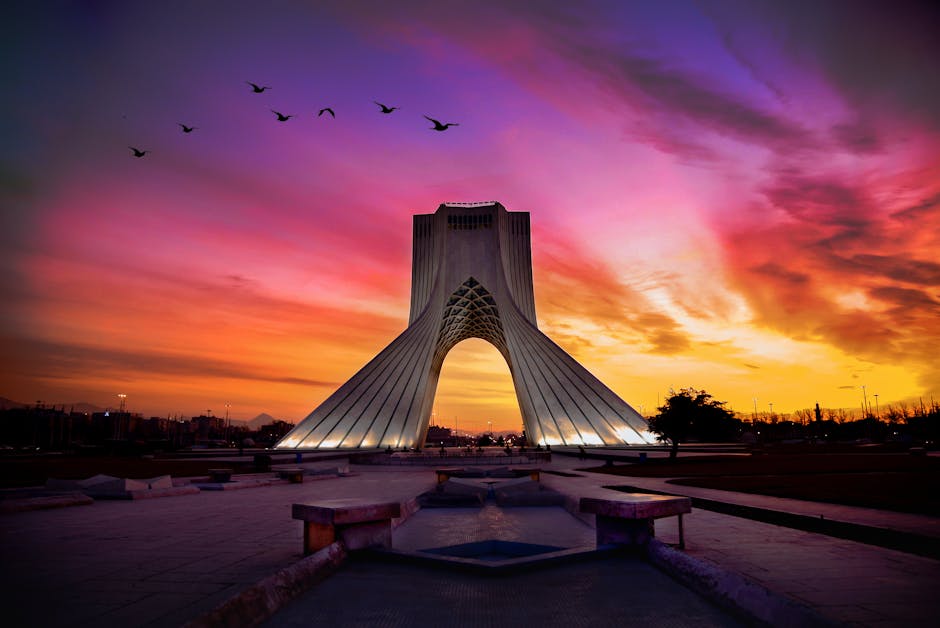
Iconic Azadi Tower in Tehran captured at sunset showcasing a vivid and colo…, Malampa, Vanuatu
FAQs: Your Malampa, Vanuatu Questions Answered
1. Is Malampa, Vanuatu safe at night?
Malampa is generally very safe, with low crime. The main considerations are natural. Never walk near volcanic areas without a guide. In villages, be mindful of uneven paths and domestic animals. Always carry a torch (flashlight) at night. Petty theft is rare, but use common sense with your belongings.
2. What currency is used and are credit cards accepted?
The local currency is the Vanuatu Vatu (VUV). Carry ample cash, as ATMs are only reliably found in Lakatoro (Malakula) and may be out of service. Credit cards are rarely accepted outside of Nautanga Resort or for pre-booked lodge stays. Small denominations are best for market purchases and village fees.
3. How do I get from the airport to my accommodation?
On arrival at domestic airstrips (Ulei, Norsup, Paama), you will usually be met by your pre-arranged lodge or homestay host with transport. If you haven’t arranged this, you can negotiate a ride with a local driver. Expect to pay 500-1,500 VUV for a short transfer. For seamless planning, book airport transfers at GetYourGuide for tours that include them, or confirm directly with your accommodation.
4. Do I need to speak the local language?
You can manage with English, especially with guides and in lodges. However, learning a few phrases in Bislama will delight locals and greatly enrich your interactions. A simple “Halo” (Hello) and “Mi glad blong mitim yu” (Pleased to meet you) go a very long way.
5. What’s the appropriate dress code?
Modesty is key. In villages and towns, wear shirts that cover shoulders and pants or skirts below the knee. Pack a sulu (sarong) – it’s versatile for covering up. For volcano trekking, you need long, sturdy pants, a long-sleeved shirt, a hat, and broken-in hiking boots. Swimwear is for the beach only.
Final Thoughts: Malampa, Vanuatu Awaits
Explore More Destinations
- Jozani, Tanzania on a Budget: an Ancient Forest for $35/Day (2026)
- Nsumbu, Zambia on a Budget: Wild Africa for $40/Day (2026)
- Semporna, Malaysia on a Budget: Paradise for $35/Day (2026)
- Khuzestan, Iran on a Budget: Ancient Empires for $30/Day (2026)
- Ngerulmud, Palau on a Budget: Island Majesty for $45/Day (2026)
Ready to Visit Malampa?
Start planning your trip today. Compare hotels, find the best tours, and get insider tips.
Your adventure in Malampa starts here →
Related Guides
Explore more destinations similar to Malampa:
- Nyeri, Kenya’s Essential Wildlife, Sacred Peaks & Colonial History (2025)
- Bouvetøya, Norway: Amazing Ultimate Isolation, Pristine Wilderness & Scientific Wonder (2026)
- Best Terschelling (Netherlands) Travel Guide: A Hidden Dutch Gem
- Vík í Mýrdal, Iceland’s Hidden Black Sand, Basalt & Atlantic Drama (2026)
{“@context”: “https://schema.org”, “@type”: “FAQPage”, “mainEntity”: [{“@type”: “Question”, “name”: “What is the best time to visit Malampa?”, “acceptedAnswer”: {“@type”: “Answer”, “text”: “The best time to visit Malampa depends on your preferences. Generally, the dry season offers the most pleasant weather for sightseeing and outdoor activities.”}}, {“@type”: “Question”, “name”: “How many days do I need in Malampa?”, “acceptedAnswer”: {“@type”: “Answer”, “text”: “Most travelers spend 3-5 days in Malampa to see the main attractions. A week allows for a more relaxed pace and day trips.”}}, {“@type”: “Question”, “name”: “Is Malampa expensive to visit?”, “acceptedAnswer”: {“@type”: “Answer”, “text”: “Malampa can be visited on various budgets. Accommodation ranges from hostels to luxury hotels, and local restaurants offer affordable dining.”}}]}

