
Tucacas, Venezuela’s Stunning Cays, Cocoons & Caribbean Charm (2026)
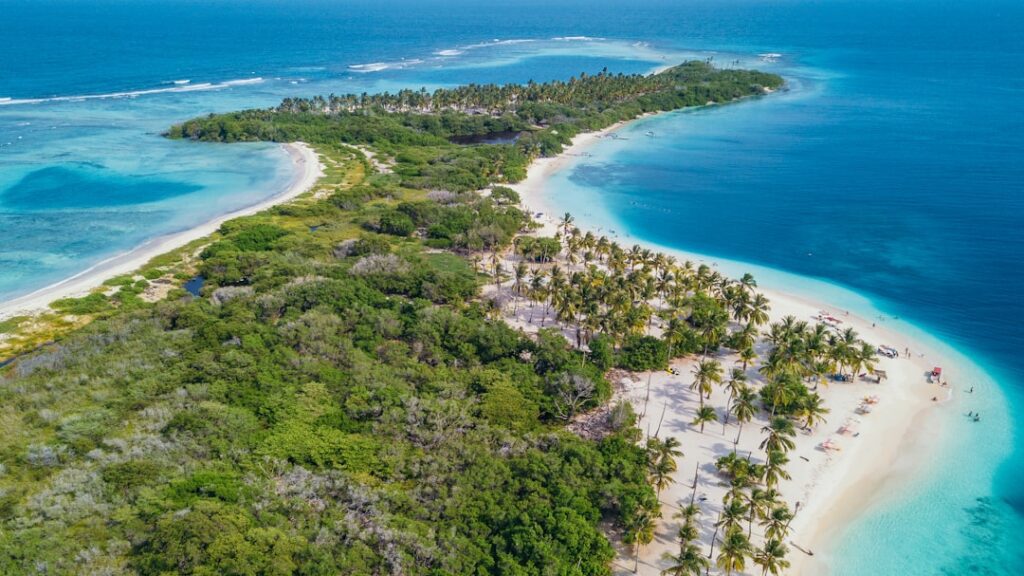
While crowds flock to the more developed resorts of Margarita Island, Tucacas delivers pristine, uninhabited Caribbean cays and a vibrant, authentic fishing town atmosphere without the inflated prices and tourist traps. Here’s why savvy travelers choose differently: for the cost of a single night at a chain hotel elsewhere, you can charter a boat for a full day to explore the 22 islands of Morrocoy National Park, where the sand is whiter and the water a more impossible shade of turquoise.
Why Tucacas, Venezuela Stands Out

Docked of boats, Tucacas, Venezuela
- Historic Architecture: The 19th-century San Juan Bautista Church, built in 1860, stands as a testament to the town’s colonial past and is a charming, sun-bleached landmark in the central plaza.
- Cultural Scene: The annual Feria de la Virgen del Carmen in July transforms the malecón (waterfront) with processions, live música llanera, and bustling food stalls celebrating the patron saint of fishermen.
- Local Specialties: You must try a plate of fresh pescado frito (fried fish) with tostones and a side of tartar sauce, best enjoyed at a rustic palapa right on the water.
Pro Tip: The absolute best time to visit is during the dry season from December to April. For the perfect balance of good weather and smaller crowds, aim for the shoulder weeks of late November or early May. Avoid Venezuelan holiday weeks like Semana Santa (Holy Week), when local tourism peaks and prices surge.
Map of Tucacas, Venezuela
Use these interactive maps to explore Tucacas, Venezuela and plan your route:
📍 View Tucacas, Venezuela on OpenStreetMap
🗺️ Open Tucacas, Venezuela in Google Maps
Planning Your Trip: Practical Essentials
Getting There and Around
- By Air: The closest major airport is Arturo Michelena International (VLN) in Valencia, about a 2-hour drive away. From there, you’ll need a pre-booked taxi or rental car. Book flights at Skyscanner for best deals.
- By Train: Venezuela’s passenger rail network is limited. Your best bet is to arrive by bus or car. Long-distance buses connect Tucacas to cities like Caracas (4-5 hours) and Valencia.
- By Car: Driving is the most flexible option. From Caracas, take Highway 1 to Morón, then follow signs to Tucacas (approx. 3.5 hours). Street parking in town is informal but generally available. Compare car rentals at RentalCars.com.
- Local Transport: Within Tucacas, you can walk almost everywhere. For trips to nearby keys, you’ll use lanchas (small motorboats). Por puestos (shared taxis) run set routes for about 5,000 VES per short trip.
Best Time to Visit
Tucacas enjoys a tropical climate with a distinct dry season ideal for beach-going and a wet season that brings lush greenery but occasional afternoon downpours. The key to your visit is aligning with the tides for the best access to the cays.
| Season | Weather | Highlights |
|---|---|---|
| Dry Season (Dec–Apr) | Hot, sunny, low humidity, avg 28-32°C (82-90°F) | Perfect cay-hopping weather, calm seas, peak local tourism (book ahead). |
| Wet Season (May–Nov) | Hot, humid, frequent afternoon showers, avg 26-30°C (79-86°F) | Lush landscapes, fewer visitors, lower prices, but some cay access may be limited by weather. |
| Shoulder (Late Nov / Early May) | Transitional, warm with sporadic rain | Good value, decent weather, a sweet spot before or after the main crowds. |
Budgeting for Tucacas, Venezuela

A view of the ocean from a sandy beach, Tucacas, Venezuela
| Category | Budget | Mid-range | Luxury |
|---|---|---|---|
| Accommodation | Guesthouse: 150,000-250,000 VES/night | Beachfront Posada: 400,000-700,000 VES/night | All-inclusive Lodge: 1,500,000+ VES/night |
| Meals | Street arepas, empanadas: 20,000 VES | Restaurant meal with drink: 150,000-300,000 VES | Private beach dinner: 800,000+ VES |
| Transport | Por puesto taxi: 5,000 VES/ride | Private taxi in town: 50,000 VES | Private boat charter: 2,000,000+ VES/day |
| Activities | Public beach access (free), town strolls | Shared boat to a cay: 200,000 VES/person | Private snorkeling tour, park guide |
| Daily Total | ~300,000 VES | ~1,000,000 VES | ~3,500,000+ VES |
Note: Venezuelan Bolívar (VES) rates are highly inflationary. These are approximate figures in mid-2024. Always confirm prices in USD or check parallel exchange rates upon arrival.
Top Attractions and Must-See Sights
| Attraction | Description | Hours | Entry Fee |
|---|---|---|---|
| Morrocoy National Park (Cayo Sombrero) | The crown jewel: a picture-perfect cay with blinding white sand, shallow turquoise waters, and coral for snorkeling. | Boats depart 8 AM-2 PM, return by 5 PM | Park Fee: ~$2-5 USD per person. Boat extra. |
| Playa Norte (Tucacas Beach) | The lively local beachfront lined with palapa restaurants, perfect for people-watching and sunset drinks. | 24/7 (restaurants 10 AM-10 PM) | Free |
| Cayo Paiclás | A quieter, longer cay ideal for peaceful walks, birdwatching (flamingos sometimes visit), and escaping the crowds. | Accessible by boat, same as park hours | Included in Park Fee |
| Muelle (The Main Pier) | The bustling heart of activity where you arrange boat trips, watch fishermen unload catch, and feel the town’s pulse. | Dawn until dusk | Free |
3-Day Itinerary: Tucacas, Venezuela’s Highlights & Hidden Gems
Day 1: Immersion in Town & Turquoise Waters
- Morning (7-9 AM): Start early at the Muelle to charter a shared lancha to Cayo Sombrero. Aim to be on the first boat (around 8 AM) to claim your spot under a seagrape tree before it gets crowded. The 30-minute ride is half the fun.
- Afternoon (12-3 PM): Enjoy a packed lunch on the cay (bring your own water and snacks) or return to town for a late lunch at Restaurant El Cayude on Playa Norte for their superb whole fried snapper (approx. 250,000 VES).
- Evening (6-8 PM): Stroll the malecón as the lights come on. For dinner, head to Churuata La Negra for a more upscale take on seafood and a great cocktail list.
Day 2: Exploration & Hidden Coves
- Morning (8 AM): Hire a boatman for a half-day trip to the less-visited Cayo Paiclás and request a stop at a secluded mangrove channel for unique snorkeling (approx. 800,000 VES for a private boat for 4). The water clarity among the roots is magical.
- Afternoon (1 PM): Return and have a casual lunch at a beachfront kiosk—try an arepa reina pepiada (shredded chicken with avocado). Then, explore the side streets off the main plaza for quirky local shops.
- Evening (5 PM): Don’t miss sunset from Playa Norte. Grab a Polar beer from a cooler at a beach shack, sit in the sand, and watch the sky erupt in color—a daily ritual for locals and visitors alike.
Day 3: Culture, Conservation & Departure
- Morning (9 AM): Visit the Fundación La Tortuga if available (check locally), a conservation group sometimes offering talks on local marine life. Then, take a final dip at Playa Norte.
- Afternoon (12 PM): Enjoy a farewell lunch at Mi Posada, known for its generous portions of mariscada (seafood stew). Pick up some local cocoa or artisanal souvenirs from vendors near the church.
- Evening (3 PM+): Depending on your transport, have a final coffee or fresh juice at a roadside stand before your journey back to Valencia or Caracas.
Cultural Insights & Etiquette
- Language: Spanish is essential. Learn key phrases: “Buenos días,” “¿Cuánto cuesta?” (How much?), “Gracias.” English is not widely spoken, but boat operators know basic tourism terms.
- Customs: Venezuelans are warm and friendly. A greeting is polite before a transaction. Haggling is expected with independent boat operators but be respectful.
- Tipping: Not mandatory but appreciated. Round up taxi fares, leave 5-10% for good restaurant service if you can. Tip your boat guide directly.
- Dress Code: Beachwear is for the beach/cays. When walking in town, cover up with a shirt and shorts or a sundress out of respect.
- Business Hours: Shops often close for a midday siesta (12-2 PM). Restaurants are open late. Many businesses operate on “Venezuelan time”—be patient and flexible.
Where to Eat: Tucacas, Venezuela’s Best Bites
Dining in Tucacas is a casual, sun-soaked affair centered on the incredible freshness of the day’s catch. You’ll eat simply but memorably, often with your feet in the sand.
Must-Try Local Specialties
- Pescado Frito Entero: A whole fried fish, typically red snapper or corvina, served with fried plantains (tostones), rice, and a simple salad. The skin is crispy, the meat flaky. Best at any of the family-run palapas on Playa Norte.
- Empanadas de Cazón: A coastal specialty—fried cornmeal pockets filled with seasoned baby shark meat. Find them at street stalls in the morning.
- Coco Frío: A young, green coconut hacked open with a machete so you can drink its refreshing water. The ultimate beachside hydrator, sold by vendors roaming the shore.
Restaurant Recommendations by Budget
| Type | Restaurant | Specialty | Price Range |
|---|---|---|---|
| Budget | Kioskos on Playa Norte (Various) | Arepas, empanadas, simple fried fish plates | 20,000 – 100,000 VES |
| Mid-range | Restaurant El Cayude (Playa Norte) | Fresh grilled lobster, seafood platters | 200,000 – 500,000 VES |
| Fine dining | Churuata La Negra (Town Center) | Creative seafood dishes, nicer ambiance | 400,000 – 800,000 VES+ |
Where to Stay
Accommodation ranges from basic guesthouses to comfortable, family-run posadas. True luxury resorts are scarce, but many posadas offer immense charm and direct beach access. Compare prices and book at Booking.com or Airbnb for apartments.
Best Neighborhoods for Accommodation
- Playa Norte (Beachfront): The most popular area. You’ll wake up to sea views and have instant beach access. It can be lively in the evenings. Ideal for beach lovers and first-time visitors.
- Town Center (near the Plaza & Muelle): A short walk to the beach and right in the heart of local life. You’ll find more budget options and a truly authentic vibe. Best for cultural immersion.
- Road to Morrocoy (Carretera Nacional): Several larger posadas and lodges are located here, offering more space and pools. You’ll need transport (taxi or car) to get to the beach or town. Suits those seeking quiet and driving.

A group of palm trees with a blue sky in the background, Tucacas, Venezuela
FAQs: Your Tucacas, Venezuela Questions Answered
1. Is Tucacas, Venezuela safe at night?
In the main tourist areas like Playa Norte and the malecón, which are well-lit and populated in the evening, travelers generally feel safe. As in any destination, exercise common sense: avoid isolated dark streets, don’t flash valuables, and use trusted taxi services. Always check current travel advisories before your trip.
2. What currency is used and are credit cards accepted?
The official currency is the Venezuelan Bolívar (VES), but due to hyperinflation, U.S. Dollars in cash are widely (and often preferentially) accepted. Bring small bills ($1, $5, $10, $20). Credit cards are rarely usable for international travelers due to exchange controls. Your trip will be cash-based.
3. How do I get from the airport to the city center?
From Valencia’s Arturo Michelena Intl. Airport (VLN), the most reliable option is to pre-arrange a private transfer with your hotel or a recommended driver (approx. $40-60 USD for the 2-hour journey). Unofficial taxis are available but negotiate the fare firmly in advance. Book airport transfers at GetYourGuide for convenience.
4. Do I need to speak the local language?
Yes, basic Spanish is highly recommended and will vastly improve your experience. While boat operators and some hotel staff know basic English for transactions, menus, directions, and general interaction require Spanish. Download a translation app and a phrasebook.
5. What’s the appropriate dress code?
Beachwear is perfectly fine on the cays and Playa Norte. When walking through the town center, visiting shops, or dining in nicer restaurants, it’s respectful to wear cover-ups, shorts, t-shirts, or sundresses. Pack sun protection, a hat, water shoes for the cays, and a light jacket for occasional cool evenings.
Explore More Destinations
- Jozani, Tanzania on a Budget: an Ancient Forest for $35/Day (2026)
- Nsumbu, Zambia on a Budget: Wild Africa for $40/Day (2026)
- Semporna, Malaysia on a Budget: Paradise for $35/Day (2026)
- Khuzestan, Iran on a Budget: Ancient Empires for $30/Day (2026)
- Ngerulmud, Palau on a Budget: Island Majesty for $45/Day (2026)
Ready to Visit Tucacas?
Start planning your trip today. Compare hotels, find the best tours, and get insider tips.
Your adventure in Tucacas starts here →
Related Guides
Explore more destinations similar to Tucacas:
- 7 Amazing Chile Secrets That Will Amaze You in 2025 (2025)
- Admiralty Islands, Papua New Guinea
- Koh Tarutao, Thailand: Hidden Untouched Nature, Prison History & Marine Paradise (2025)
- Lerik, Azerbaijan (longevity village)
{“@context”: “https://schema.org”, “@type”: “FAQPage”, “mainEntity”: [{“@type”: “Question”, “name”: “What is the best time to visit Tucacas?”, “acceptedAnswer”: {“@type”: “Answer”, “text”: “The best time to visit Tucacas depends on your preferences. Generally, the dry season offers the most pleasant weather for sightseeing and outdoor activities.”}}, {“@type”: “Question”, “name”: “How many days do I need in Tucacas?”, “acceptedAnswer”: {“@type”: “Answer”, “text”: “Most travelers spend 3-5 days in Tucacas to see the main attractions. A week allows for a more relaxed pace and day trips.”}}, {“@type”: “Question”, “name”: “Is Tucacas expensive to visit?”, “acceptedAnswer”: {“@type”: “Answer”, “text”: “Tucacas can be visited on various budgets. Accommodation ranges from hostels to luxury hotels, and local restaurants offer affordable dining.”}}]}

