
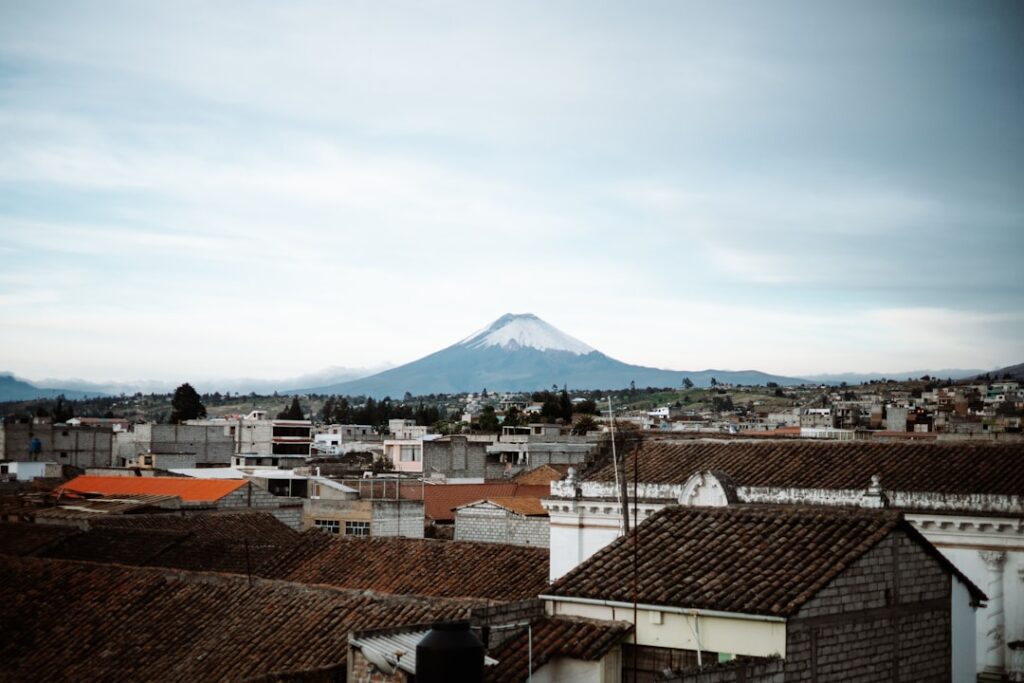
Latacunga, Ecuador’s Amazing Volcanoes, Festivals & Colonial Heart (2026)
Ask locals about Latacunga, Ecuador, and they’ll tell you about the “Mama Negra” festival, where dancers in vibrant costumes and a figure representing a freed slave lead a procession so powerful it’s recognized as Intangible Cultural Heritage. Most guidebooks miss this completely, focusing only on its role as a gateway to the Quilotoa crater lake. The reality? This highland city, rebuilt three times after eruptions from the brooding Cotopaxi volcano, is a resilient cultural hub where Andean traditions are woven into the very fabric of its whitewashed colonial streets.
Why Latacunga, Ecuador Stands Out

A pile of dirty potatoes sitting in the dirt, Latacunga, Ecuador
- Historic Architecture: The San Francisco Convent, founded in the late 16th century, showcases a stunning blend of Moorish, Baroque, and indigenous styles, built from the dark volcanic stone that defines the city.
- Cultural Scene: The Mama Negra festival, held twice yearly in September and November, is a spectacular, syncretic celebration of faith, freedom, and indigenous identity unmatched in the region.
- Local Specialties: You must try *chugchucaras*, a hearty platter of fried pork, hominy, plantains, popcorn, and pork rinds, best enjoyed at a local *fritada*.
Pro Tip: Plan your visit for late September or early November to catch the smaller, more authentic “Mama Negra” celebration (the “Fiesta de la Virgen de la Merced”) rather than the larger November event, which draws bigger crowds. For clear views of Cotopaxi, aim for the early morning hours between 6-10 AM.
Map of Latacunga, Ecuador
Use these interactive maps to explore Latacunga, Ecuador and plan your route:
📍 View Latacunga, Ecuador on OpenStreetMap
🗺️ Open Latacunga, Ecuador in Google Maps
Planning Your Trip: Practical Essentials
Getting There and Around
- By Air: Fly into Quito’s Mariscal Sucre International Airport (UIO). From there, a 1.5 to 2-hour direct bus to Latacunga costs around $3-4. Book flights at Skyscanner for best deals.
- By Train: The famous “Tren Crucero” luxury train passes nearby, but for regular service, buses are the primary mode. For tourist rail excursions, check Tren Ecuador’s website. Reserve tickets at Trainline or the national railway website.
- By Car: The Pan-American Highway (E35) runs directly through Latacunga. Driving from Quito takes about 1.5 hours. Parking is available in central plazas. Compare car rentals at RentalCars.com.
- Local Transport: Taxis are inexpensive for short trips ($1-2 within the city). Colectivos (shared vans) to nearby villages like Pujilí or Saquisilí cost under $1. There are no formal transport passes.
Best Time to Visit
Latacunga enjoys a mild, spring-like climate year-round due to its high altitude (2,800m/9,186ft). The key distinction is between the drier season (June-September) with sunnier days, and the wetter season (October-May) with afternoon showers that make the surrounding páramo lush and green.
| Season | Weather | Highlights |
|---|---|---|
| Dry Season (Jun–Sep) | Sunny days, cool nights, 10-20°C (50-68°F), low rain | Best for volcano viewing, hiking the Quilotoa Loop, clear skies, peak tourist season. |
| Wet Season (Oct–May) | Mild days, frequent afternoon showers, 8-18°C (46-64°F) | Lush landscapes, vibrant festivals (Mama Negra in Nov), fewer crowds, cheaper rates. |
| Shoulder (Apr–May/Oct–Nov) | Mix of sun and showers, 9-19°C (48-66°F) | Ideal balance: decent weather, festival opportunities, and manageable tourist numbers. |
Budgeting for Latacunga, Ecuador

A man enjoys a scenic view amid rugged rock formations under a vivid blue s…, Latacunga, Ecuador
| Category | Budget | Mid-range | Luxury |
|---|---|---|---|
| Accommodation | $15-25 (hostel, basic hospedaje) | $40-70 (comfortable hotel with private bath) | $100+ (boutique hacienda or top hotel) |
| Meals | $8-12 (set lunches, market food) | $15-25 (restaurant meals, local tavernas) | $30+ (fine dining, multi-course) |
| Transport | $2-5 (local buses, colectivos) | $10-20 (taxis, day tour transport) | $50+ (private driver/guide) |
| Activities | $0-10 (free walking, cheap museum entries) | $25-40 (guided day trips to Quilotoa) | $80+ (private hiking tours, specialized excursions) |
| Daily Total | $25-45 | $70-130 | $200+ |
Top Attractions and Must-See Sights
| Attraction | Description | Hours | Entry Fee |
|---|---|---|---|
| Quilotoa Crater Lake | A breathtaking, emerald-green volcanic caldera lake, a highlight of the Andes, best viewed from the rim after a scenic drive. | Daylight hours | $2 community fee |
| Casa de la Cultura Museum | Housed in a former hospital, it displays fascinating pre-Columbian ceramics, colonial religious art, and exhibits on the Mama Negra festival. | Mon-Fri 8:30-12:30, 2:30-6; Sat 9-1 | $1 |
| San Francisco Convent & Church | The city’s most important religious complex, featuring an ornate gold-leaf altar and the revered statue of the Virgen de la Merced. | Varies; often open for mass (7-8 AM, 6-7 PM) | Free (donation appreciated) |
| Central Market (Mercado Central) | A vibrant, sensory immersion where you can find local produce, textiles, and sample authentic *chugchucaras* in the food stalls upstairs. | Daily, 6 AM – 4 PM (most active mornings) | Free |
3-Day Itinerary: Latacunga, Ecuador’s Highlights & Hidden Gems
Day 1: Colonial Core & Culinary Immersion
- Morning (7-9 AM): Start with a walking tour of the historic center. Your first stop should be Parque Vicente León, the main square, to admire the Municipio building. Then, walk to the San Francisco Convent to see its iconic facade in the soft morning light.
- Afternoon (12-3 PM): Head to the Central Market. For lunch, go upstairs to the food stalls and order the iconic *chugchucaras* platter at **Fritada de la Plaza**. After, visit the **Casa de la Cultura Museum** to understand the region’s history.
- Evening (6-8 PM): Enjoy a relaxed dinner at **Tierra del Sol**, known for its hearty Ecuadorian soups and stews. Then, take a leisurely stroll down Calle Antonio Vela, the city’s main pedestrian street.
Day 2: Volcano Views & Village Crafts
- Morning (8 AM): Take a $1 colectivo for the 15-minute ride to **Pujilí**, famous for its Wednesday market (plan for a Wed if possible). Visit the workshop of a local *tinajero* (potter) to see the traditional crafting of large water jars—a dying art.
- Afternoon (1 PM): Return to Latacunga. For lunch, try **El Rincón de Cantuña** for excellent *locro de papa* (potato cheese soup). In the afternoon, take a taxi ($5-7) to the **Mirador de la Virgen** for a panoramic view of Latacunga with the majestic, snow-capped Cotopaxi volcano as a backdrop.
- Evening (7 PM): Dine at **Pizzería Buonissimo**, a local favorite with a great atmosphere, offering both Italian and Ecuadorian dishes. It’s a perfect spot to reflect on the day.
Day 3: The Quilotoa Adventure
- Morning (7 AM): Book a shared tour van ($25-30 per person) from a local agency for the 2-hour journey to **Quilotoa Crater Lake**. Arrive by 9:30 AM for the clearest views. You can hike down to the lake’s edge (45 min down, 1.5+ hours back up) or walk part of the rim trail.
- Afternoon (12:30 PM): Have a simple lunch at one of the family-run eateries in the indigenous community of Quilotoa, like **Princesa Toa**, enjoying quinoa soup and fresh trout with a view.
- Evening (5 PM): Return to Latacunga by 5 PM. For your final evening, enjoy a celebratory dinner at **El Monasterio**, set in a beautifully restored building, offering upscale takes on Andean cuisine like grilled llama.
Cultural Insights & Etiquette
- Language: Spanish is essential. Key phrases: “Buenos días” (Good morning), “Una chugchucara, por favor,” “¿Cuánto cuesta?” (How much?). In indigenous communities, Kichwa is widely spoken; a smile and a nod go a long way.
- Customs: Always greet shopkeepers when entering a small store. When photographing people, especially during festivals or in markets, always ask permission first—”¿Una foto, por favor?”
- Tipping: A 10% service charge is often included in restaurant bills. For exceptional service, an extra 5% is appreciated. Tip tour guides $5-10 per day and drivers $2-5.
- Dress Code: Dress in layers for changeable weather. When visiting churches, modest dress (covered shoulders and knees) is expected. For hiking, sturdy shoes are a must.
- Business Hours: Shops typically open 9 AM-7 PM, often closing for a long lunch (1-3 PM). Banks are open 8 AM-4 PM. Many businesses close on Sundays.
Where to Eat: Latacunga, Ecuador’s Best Bites
Latacunga’s cuisine is a testament to highland resilience—hearty, warming, and deeply satisfying. Dining is a social, family-oriented affair. Don’t miss the *merienda* (afternoon snack) of humitas or quimbolitos with coffee.
Must-Try Local Specialties
- Chugchucaras: The city’s signature dish: a mountain of fried pork, hominy, plantains, popcorn, pork rinds (chicharrones), and llapingacho (potato patties). Best tried at the upstairs stalls in the Central Market.
- Allullas: Crisp, anise-flavored cookies that are perfect for dipping in hot chocolate or coffee. Buy them fresh from bakeries like **Panadería Dulcería San Francisco**.
- Yahuarlocro: A rich potato and offal soup topped with avocado and blood sausage, considered a hangover cure but truly a flavorful comfort food. Find it at local lunch spots like **El Rincón de Cantuña**.
Restaurant Recommendations by Budget
| Type | Restaurant | Specialty | Price Range |
|---|---|---|---|
| Budget | Food Stalls, Mercado Central | Authentic *chugchucaras*, *hornado* (roast pork) | $4-8 per platter |
| Mid-range | Tierra del Sol (Sucre & Tarqui) | Hearty Ecuadorian classics, generous set lunches | $8-15 per main |
| Fine dining | El Monasterio (Padre Salcedo) | Upscale Andean fusion in a historic setting | $20-35 per main |
Where to Stay
Accommodation ranges from basic family-run *hospedajes* to charming hacienda-style hotels. Most hotels are centrally located, making exploration on foot easy. For a unique experience, consider staying in a countryside hostel on the Quilotoa Loop, using Latacunga as a starting point. Compare prices and book at Booking.com or Airbnb for apartments.
Best Neighborhoods for Accommodation
- Historic Center: The most convenient area, close to all main sights, restaurants, and bus stations. Can be noisier, especially near the market. Ideal for first-time visitors and short stays.
- Near Parque La Victoria: A quieter, more residential area a short walk from the center. You’ll find several good mid-range hotels here with easier parking. Perfect for travelers seeking more tranquility.
- The Outskirts/Countryside: Several converted haciendas and lodges offer stunning volcano views and a peaceful retreat. This requires a taxi to get into town but provides an authentic rural Andean experience.

A vibrant view of Guayaquil’s skyline with telecommunication towers over co…, Latacunga, Ecuador
FAQs: Your Latacunga, Ecuador Questions Answered
1. Is Latacunga, Ecuador safe at night?
Latacunga is generally safe. As in any city, practice common sense: stick to well-lit main streets like Calle Antonio Vela in the evening, avoid displaying expensive electronics, and take registered taxis (with license numbers) after dark. The central plaza and pedestrian areas are lively and safe until about 9-10 PM.
2. What currency is used and are credit cards accepted?
Ecuador uses the US Dollar. Carry cash, especially smaller bills ($1, $5, $10), as many smaller restaurants, markets, taxis, and colectivos only accept cash. Credit cards (Visa/Mastercard) are accepted at larger hotels, upscale restaurants, and tour agencies. ATMs are available in the city center.
3. How do I get from the airport to the city center?
From Quito Airport (UIO), take a taxi to the “Quitumbe” bus terminal in southern Quito (30-40 min, ~$15). From Quitumbe, frequent buses to Latacunga depart every 15 minutes (1.5 hrs, $3-4). Alternatively, you can book a private transfer directly from the airport to your Latacunga hotel for ~$60-80. Book airport transfers at
Explore More Destinations
- Jozani, Tanzania on a Budget: an Ancient Forest for $35/Day (2026)
- Nsumbu, Zambia on a Budget: Wild Africa for $40/Day (2026)
- Semporna, Malaysia on a Budget: Paradise for $35/Day (2026)
- Khuzestan, Iran on a Budget: Ancient Empires for $30/Day (2026)
- Ngerulmud, Palau on a Budget: Island Majesty for $45/Day (2026)
Ready to Visit Latacunga?
Start planning your trip today. Compare hotels, find the best tours, and get insider tips.
Your adventure in Latacunga starts here →
Related Guides
Explore more destinations similar to Latacunga:
- Dhank, Oman’s Hidden Forts, Fossils & Mountain Serenity (2026)
- Bucheon, South Korea’s Ultimate Pop Culture, Parks & Unforgettable Festivals (2026)
- Trat, Thailand’s Best Islands, Rainforests & Rustic Charm (2025)
- Olomouc, Czech Republic: Ultimate Baroque Fountains, Student Energy & Uncrowded Charm (2026)
{“@context”: “https://schema.org”, “@type”: “FAQPage”, “mainEntity”: [{“@type”: “Question”, “name”: “What is the best time to visit Latacunga?”, “acceptedAnswer”: {“@type”: “Answer”, “text”: “The best time to visit Latacunga depends on your preferences. Generally, the dry season offers the most pleasant weather for sightseeing and outdoor activities.”}}, {“@type”: “Question”, “name”: “How many days do I need in Latacunga?”, “acceptedAnswer”: {“@type”: “Answer”, “text”: “Most travelers spend 3-5 days in Latacunga to see the main attractions. A week allows for a more relaxed pace and day trips.”}}, {“@type”: “Question”, “name”: “Is Latacunga expensive to visit?”, “acceptedAnswer”: {“@type”: “Answer”, “text”: “Latacunga can be visited on various budgets. Accommodation ranges from hostels to luxury hotels, and local restaurants offer affordable dining.”}}]}

