
Kataragama, Sri Lanka’s Essential Pilgrimage, Jungle & Ancient Mysticism (2026)
Just before dawn, the rhythmic beat of ceremonial drums echoes from the Kataragama Devalaya, mixing with the scent of jasmine and sandalwood smoke. Barefoot pilgrims, having walked for weeks, complete their final steps across the Menik Ganga river. While over 2 million devotees journey here annually, fewer than 5% are international tourists. This isn’t a typical sightseeing stop; it’s a living tapestry of faith where Hindu, Buddhist, and indigenous Vedda traditions converge in one of Sri Lanka’s most spiritually potent sites.
Why Kataragama, Sri Lanka Stands Out

Water dew on green leaf, Kataragama, Sri Lanka
- Historic Architecture: The ancient Kataragama Devalaya, with origins dating back over 2,200 years, is a stunning example of Sinhalese temple architecture, famed for its secretive inner sanctum dedicated to the warrior god Skanda.
- Cultural Scene: The annual Esala Festival (July/August) transforms the town with 15 nights of fire-walking, Kavadi dancing, and elephant processions, drawing hundreds of thousands of devotees in a breathtaking display of devotion.
- Local Specialties: You must try Kiri Bath (milk rice) served with Lunu Miris, a spicy onion sambal, often offered as a blessed food (Prasad) at temples and local eateries.
Pro Tip: Visit during the shoulder months of September or February. You’ll avoid the intense heat and massive pilgrimage crowds of the summer festival season, yet still experience the town’s powerful daily rituals. The best time for temple visits is early morning (6-8 AM) or late evening (6-8 PM) during the daily Puja (offerings) ceremonies.
Map of Kataragama, Sri Lanka
Use these interactive maps to explore Kataragama, Sri Lanka and plan your route:
📍 View Kataragama, Sri Lanka on OpenStreetMap
🗺️ Open Kataragama, Sri Lanka in Google Maps
Planning Your Trip: Practical Essentials
Getting There and Around
- By Air: The nearest international airport is Mattala Rajapaksa (HRI), 40km away, with limited connections. Most travelers fly into Bandaranaike International (CMB) in Colombo. From Colombo, you can take a domestic flight to Mattala or drive. Book flights at Skyscanner for best deals.
- By Train: There is no direct train to Kataragama. The closest major railhead is in Matara. From there, you’ll need a bus or taxi for the final 2.5-hour journey. Reserve tickets at Trainline or the national railway website for the Colombo to Matara leg.
- By Car: The drive from Colombo takes 6-7 hours via the Southern Expressway (E01) to Matara, then the A2 and B527 roads. Parking is available near the temple complex for a small fee. Compare car rentals at RentalCars.com.
- Local Transport: The town is compact and best explored on foot. For the nearby national parks, you’ll need to hire a taxi or join a tour. Local three-wheelers (tuk-tuks) are plentiful for short trips; agree on a price (around 200-300 LKR) before starting.
Best Time to Visit
Timing your visit is crucial, as it defines your experience. The dry season offers easier wildlife viewing, while the pilgrimage season brings unparalleled cultural energy but also significant crowds.
| Season | Weather | Highlights |
|---|---|---|
| Dry Season (May–Sep) | Hot & dry, 30-35°C (86-95°F) | Peak pilgrimage season with the grand Esala Festival (Jul/Aug); ideal for visiting Yala National Park as animals congregate at waterholes. |
| Monsoon (Oct–Jan) | Heavy rainfall, humid, 25-30°C (77-86°F) | Lush, green landscapes; far fewer crowds; some park roads may be closed. A time for quiet contemplation. |
| Shoulder (Feb–Apr) | Warm, less humid, 28-32°C (82-90°F) | The sweet spot: pleasant weather, manageable visitor numbers, and reliable wildlife sightings before the peak heat. |
Budgeting for Kataragama, Sri Lanka

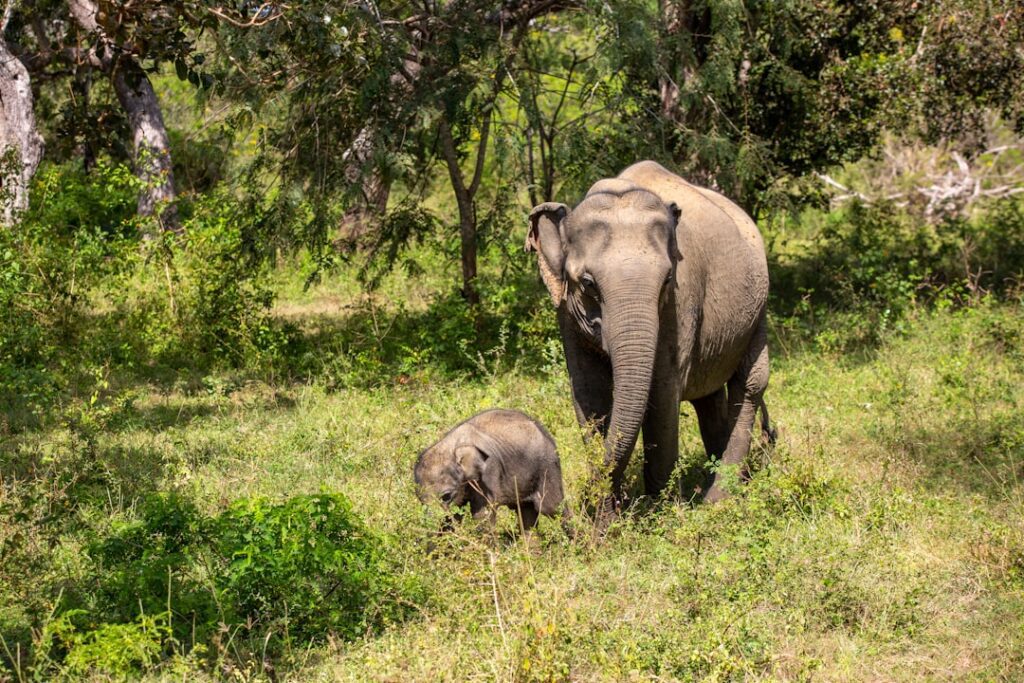
Brown elephant in green grass during daytime, Kataragama, Sri Lanka
| Category | Budget | Mid-range | Luxury |
|---|---|---|---|
| Accommodation | 2,000 – 4,000 LKR (guesthouse) | 8,000 – 15,000 LKR (comfortable hotel) | 20,000+ LKR (jungle lodge/eco-resort) |
| Meals | 300 – 600 LKR (local rice & curry) | 1,000 – 2,000 LKR (restaurant meal) | 3,000+ LKR (resort dining) |
| Transport | 200 – 500 LKR (tuk-tuk/bus) | 8,000 – 12,000 LKR (private car hire/day) | 20,000+ LKR (private safari jeep & driver) |
| Activities | Free (temple visits, river walk) | ~8,000 LKR (half-day Yala safari) | 25,000+ LKR (private guided cultural tour) |
| Daily Total | 3,000 – 5,000 LKR | 18,000 – 30,000 LKR | 50,000+ LKR |
Top Attractions and Must-See Sights
| Attraction | Description | Hours | Entry Fee |
|---|---|---|---|
| Kataragama Devalaya | The heart of the pilgrimage, a sacred complex housing shrines to God Skanda and other deities, where ancient rituals are performed daily. | 5:00 AM – 10:00 PM (Puja at 6:00, 10:30, 18:30) | Free (Donations customary) |
| Yala National Park (Block 1) | Just 20km away, Sri Lanka’s most famous park offers incredible leopard sightings, elephants, and diverse birdlife in a stunning coastal setting. | 6:00 AM – 6:00 PM (Safari times vary) | ~$30-$50 USD + Jeep fee |
| Menik Ganga (Gem River) | This sacred river is where pilgrims perform ritual baths; a serene spot for a walk, especially at dawn when devotion is palpable. | Always open | Free |
| Kiri Vehera | One of Sri Lanka’s 16 most sacred Buddhist sites, this 1st-century BC stupa offers a peaceful contrast to the bustling Hindu devalaya nearby. | 5:00 AM – 9:00 PM | Free |
3-Day Itinerary: Kataragama, Sri Lanka’s Highlights & Hidden Gems
Day 1: Sacred Sites & Spiritual Immersion
- Morning (7:00 AM): Start at the Menik Ganga to observe pilgrims bathing. Then, visit the Kataragama Devalaya for the 10:30 AM Puja ceremony. Remember to dress modestly (shoulders and knees covered) and remove footwear before entering any shrine.
- Afternoon (12:30 PM): Have a traditional lunch of rice and curry at New Araliya Restaurant near the bus stand. Then, explore the serene Kiri Vehera stupa and the adjacent Bodhi Tree, a site of quiet meditation.
- Evening (6:00 PM): Return to the Devalaya for the vibrant evening Puja, a multisensory experience of chanting, drumming, and offerings. For dinner, try the local-style roti and curry at Pradeep Hotel.
Day 2: Wilderness & Wildlife in Yala
- Morning (5:30 AM): An early start for a half-day safari in Yala National Park Block 1 (cost: ~8,000 LKR per person including jeep and park fees). Your best chance to spot leopards is in the cool morning hours. Book through your hotel or a reputable local operator like Yala Safari Tours.
- Afternoon (1:00 PM): Enjoy a packed lunch by a waterhole in the park or head back to town for a late meal. Visit the small but informative Yala National Park Visitor Center to learn about conservation efforts.
- Evening (6:30 PM): Relax after your safari. Savvy visitors often enjoy a simple dinner and an early night, or take a quiet stroll around the temple complex to see it illuminated.
Day 3: Local Culture & Scenic Departure
- Morning (8:00 AM): Hire a tuk-tuk (approx. 1,500 LKR) for the 30-minute ride to the Sithulpawwa Rock Temple. This ancient monastery, dating to the 2nd century BC, offers breathtaking views over Yala’s reservoirs and a fascinating, less-visited archaeological site.
- Afternoon (12:00 PM): Have lunch at a local “hotel” (small eatery) near the main road. Then, if time allows, visit a local market to see vendors selling puja items like flowers, incense, and coconuts.
- Evening (5:00 PM): For your final evening, find a spot by the river to reflect. Consider making a small offering of fruit or flowers at a shrine, a meaningful way to conclude your journey.
Cultural Insights & Etiquette
- Language: Sinhala and Tamil are spoken. Useful phrases: “Ayubowan” (Hello/May you live long), “Istuti” (Thank you). English is understood in hotels and by tour operators.
- Customs: Always circumambulate temples and stupas clockwise. Never turn your back to a Buddha statue or main shrine. Pointing your feet at a religious object or person is considered highly disrespectful.
- Tipping: Not mandatory but appreciated. For safari guides, 500-1000 LKR is customary. In restaurants, a 10% service charge is often included; an extra tip is for exceptional service.
- Dress Code: Modesty is paramount near religious sites. Wear clothes covering shoulders and below knees. White is considered auspicious. Remove hats, sunglasses, and footwear before entering shrines.
- Business Hours: Government offices: 8:30 AM – 4:15 PM. Shops: 9:00 AM – 7:00 PM. Temples open from dawn until the last ceremony (around 10 PM). Full moon (Poya) days are public holidays.
Where to Eat: Kataragama, Sri Lanka’s Best Bites
Dining here is about hearty, flavorful Sri Lankan cuisine. You won’t find fine-dining gastronomy, but you will discover incredibly satisfying meals centered around rice, curry, fresh seafood, and tropical fruits. Most eateries are simple “hotels” or family-run restaurants.
Must-Try Local Specialties
- Kottu Roti: Chopped roti stir-fried with vegetables, egg, and/or meat on a hot griddle—a delicious and ubiquitous Sri Lankan street food. Best tried at busy evening stalls near the town center.
- Ambul Thiyal (Sour Fish Curry): A signature dish of the Southern Province, this tangy, dry fish curry made with goraka (a souring fruit) is a must. Priyankara Hotel does an excellent version.
- Wood Apple Juice: A unique, tangy-sweet local fruit drink that’s both refreshing and digestive. Available at most juice stalls.
Restaurant Recommendations by Budget
| Type | Restaurant | Specialty | Price Range |
|---|---|---|---|
| Budget | New Araliya Restaurant (Town Center) | Hearty rice and curry buffets for lunch | 300 – 600 LKR |
| Mid-range | Lake View Restaurant (Kataragama Road) | Fresh seafood and a wider menu in a pleasant setting | 800 – 1,500 LKR |
| Resort Dining | The Restaurant at Chena Huts (Yala) | Gourmet Sri Lankan and international cuisine with stunning views | 4,000+ LKR |
Where to Stay
Accommodation ranges from basic pilgrim rest houses (ambalams) to comfortable hotels and luxurious jungle-edge resorts near Yala. Staying close to the temple complex lets you soak in the atmosphere, while resorts offer wildlife and tranquility. Compare prices and book at Booking.com or Airbnb for apartments (though these are limited).
Best Neighborhoods for Accommodation
- Temple Area: The most atmospheric choice. You’ll be steps from the action, perfect for observing rituals at different times. It can be noisy, especially during festivals. Ideal for cultural purists and pilgrims.
- Kataragama Town: Offers more hotel options, restaurants, and amenities like ATMs. A short walk or tuk-tuk ride to the temple. Suits travelers wanting a balance of convenience and access.
- Yala Fringe (Outside Park): For luxury and wildlife. Resorts like Chena Huts or Jetwing Yala offer stunning design, pools, and easy safari access. You’ll need transport to reach the temple (30-45 mins). Best for those prioritizing a safari experience.
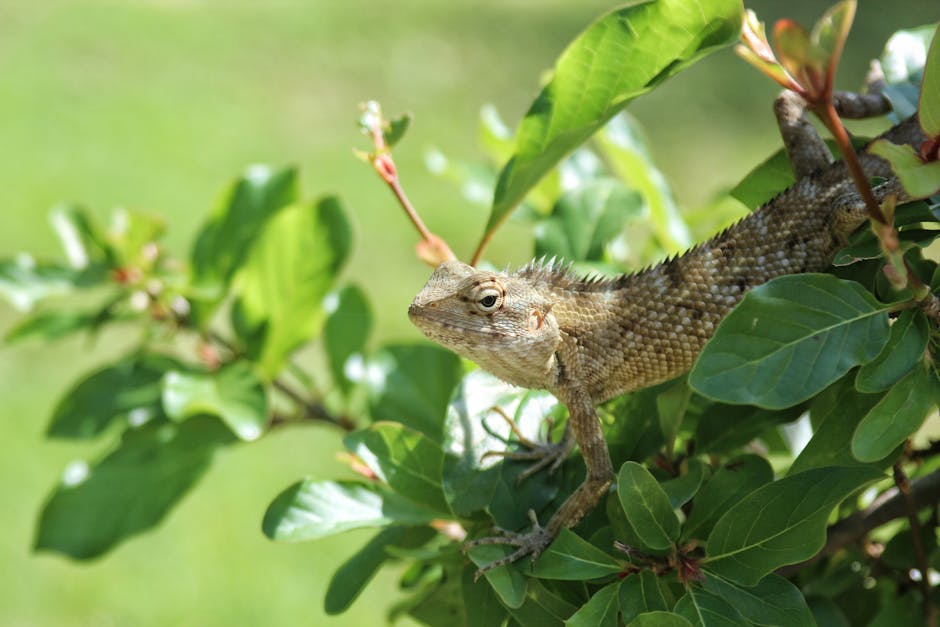
Close-up of an Oriental Garden Lizard in lush green foliage in Kataragama, Kataragama, Sri Lanka
FAQs: Your Kataragama, Sri Lanka Questions Answered
1. Is Kataragama, Sri Lanka safe at night?
Yes, the temple areas are very safe and well-lit due to all-night pilgrim activity. General town areas are also safe, but as with any travel destination, exercise normal caution—stick to main roads and be aware of your surroundings. The biggest hazard is often uneven pavement when walking barefoot near temples.
2. What currency is used and are credit cards accepted?
The Sri Lankan Rupee (LKR) is the currency. Carry ample cash, as smaller eateries, tuk-tuks, and market stalls only accept cash. Some hotels and larger restaurants near Yala accept credit cards. ATMs are available in the town center, but they can run out of cash during major festivals.
3. How do I get from the airport to the city center?
From Mattala Airport (HRI), a pre-booked taxi is your best bet (approx
{“@context”: “https://schema.org”, “@type”: “FAQPage”, “mainEntity”: [{“@type”: “Question”, “name”: “What is the best time to visit Kataragama?”, “acceptedAnswer”: {“@type”: “Answer”, “text”: “The best time to visit Kataragama depends on your preferences. Generally, the dry season offers the most pleasant weather for sightseeing and outdoor activities.”}}, {“@type”: “Question”, “name”: “How many days do I need in Kataragama?”, “acceptedAnswer”: {“@type”: “Answer”, “text”: “Most travelers spend 3-5 days in Kataragama to see the main attractions. A week allows for a more relaxed pace and day trips.”}}, {“@type”: “Question”, “name”: “Is Kataragama expensive to visit?”, “acceptedAnswer”: {“@type”: “Answer”, “text”: “Kataragama can be visited on various budgets. Accommodation ranges from hostels to luxury hotels, and local restaurants offer affordable dining.”}}]}
Related Guides
Explore more destinations similar to Kataragama:
- Kiboga, Uganda’s Ultimate Savannah Sunsets, Royal History & Rural Tranquility (2026)
- Hakodate, Japan’s Best Nightscapes, History & Seafood Feasts (2026)
- Antalya, Turkey’s Ultimate Turquoise Coasts, Ancient Ruins & Bazaar Magic (2026)
- Toowoomba, Australia’s Essential Gardens, Heritage & High Country Charm (2026)

