
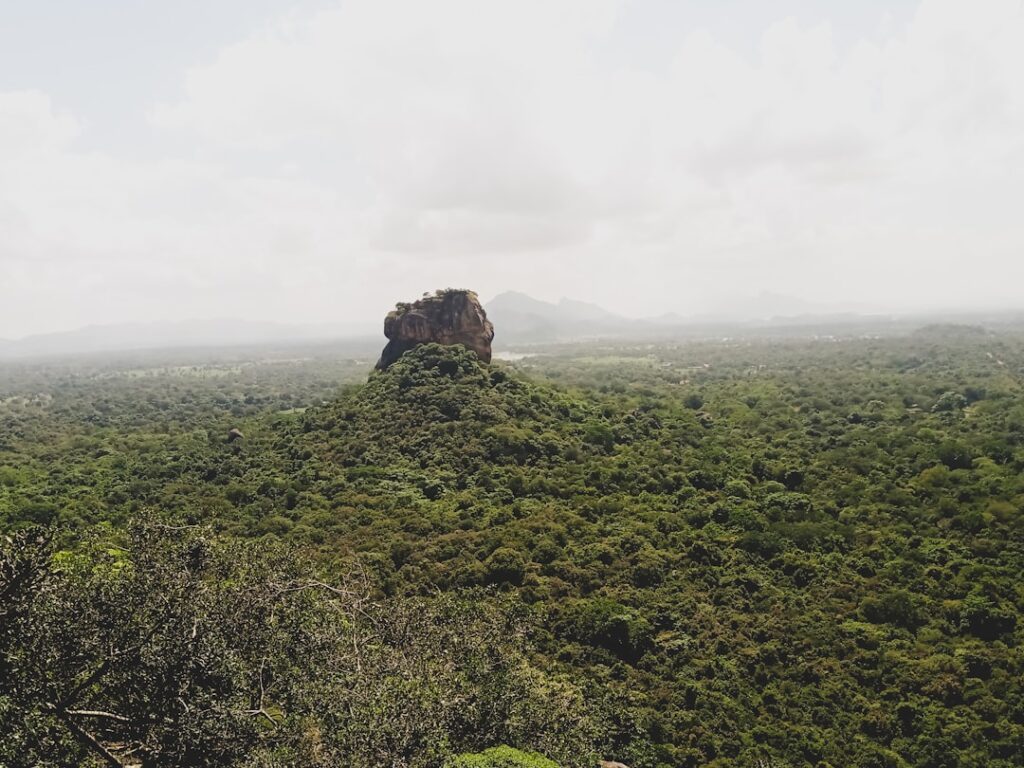
Dambulla, Sri Lanka: Amazing Caves, Culture & The Heart of the Cultural Triangle (2026)
What if a single location held the key to understanding 2,200 years of Sri Lankan art, faith, and history? Dambulla proves this is possible. At 7:30 AM, the morning sun strikes the giant golden Buddha, casting a long shadow across the plains below. The scent of frangipani and incense mixes with the murmur of pilgrims climbing the 364 steps to the cave temples. This isn’t just a stopover; it’s the geographic and spiritual heart of Sri Lanka’s famed Cultural Triangle, where ancient kings sought refuge and left behind a masterpiece.
Why Dambulla, Sri Lanka Stands Out

Man in red dress statue, Dambulla, Sri Lanka
- Historic Architecture: The Dambulla Cave Temple (1st century BCE) is a living museum with over 150 Buddha statues and vibrant ceiling frescoes spanning 2,000 years.
- Cultural Scene: The vibrant Dambulla Dedicated Economic Centre, Sri Lanka’s largest wholesale fruit and vegetable market, is a symphony of color, scent, and commerce at dawn.
- Local Specialties: You must try a plate of creamy, fragrant Dambulla Curd with a generous drizzle of sweet *kithul* (palm) treacle, sourced from local clay pots.
Pro Tip: Visit the cave temple complex between 12:30 PM and 2:30 PM. Most large tour groups from Colombo and Kandy arrive in the morning and are gone by lunch, leaving the caves remarkably peaceful for a couple of hours. Wear socks you don’t mind removing, as you’ll be barefoot on sun-heated stone.
Map of Dambulla, Sri Lanka
Use these interactive maps to explore Dambulla, Sri Lanka and plan your route:
📍 View Dambulla, Sri Lanka on OpenStreetMap
🗺️ Open Dambulla, Sri Lanka in Google Maps
Planning Your Trip: Practical Essentials
Getting There and Around
- By Air: Bandaranaike International Airport (CMB) in Colombo is 148km away (a 3-4 hour drive). Pre-book a private taxi for ~LKR 12,000 or take an airport bus to Colombo Fort and connect by train or bus. Book flights at Skyscanner for best deals.
- By Train: Dambulla has no train station. The nearest major rail hub is in Kandy (72km away) or Habarana (30km away). From there, you’ll need a bus or taxi. Reserve tickets at Trainline or the national railway website.
- By Car: Dambulla is a major road junction on the A6 and A9 highways. Driving from Kandy takes 2 hours. Parking at major sites is easy and often free. Compare car rentals at RentalCars.com.
- Local Transport: Three-wheelers (tuk-tuks) are ubiquitous for short trips (LKR 200-500). Local buses connect to Sigiriya (LKR 50, 30 mins) and Kandy (LKR 150, 2 hours). For flexibility, hire a tuk-tuk driver for a half-day (~LKR 3,000).
Best Time to Visit
Dambulla is a year-round destination, but the dry season offers the most reliable weather for exploring the outdoor sites of the Cultural Triangle. The shoulder months are particularly pleasant, with lush landscapes and fewer visitors.
| Season | Weather | Highlights |
|---|---|---|
| Summer (Jun–Aug) | Warm, 28-32°C (82-90°F), occasional rain from the southwest monsoon. | Lush green scenery, good for photography. Slightly fewer crowds than peak winter. |
| Winter (Dec–Feb) | Pleasant and dry, 22-28°C (72-82°F). Ideal outdoor weather. | Perfect for climbing Sigiriya and exploring ruins. This is peak tourist season, so book ahead. |
| Shoulder (Apr–May/Sep–Oct) | Hotter (up to 34°C/93°F) with a chance of brief showers, especially in Oct-Nov. | Best value for accommodation, very manageable crowds. The September full moon (Poya) is especially vibrant at the temples. |
Budgeting for Dambulla, Sri Lanka

A view of a body of water from a balcony, Dambulla, Sri Lanka
| Category | Budget | Mid-range | Luxury |
|---|---|---|---|
| Accommodation | LKR 3,000-6,000 (guesthouse) | LKR 10,000-20,000 (boutique hotel) | LKR 30,000+ (villa/resort with pool) |
| Meals | LKR 500-800 (local rice & curry) | LKR 1,500-2,500 (restaurant) | LKR 4,000+ (fine dining) |
| Transport | LKR 1,000 (local buses/tuk-tuks) | LKR 3,000 (private tuk-tuk day hire) | LKR 8,000+ (private car & driver) |
| Activities | LKR 2,000 (Dambulla Cave ticket) | LKR 7,000 (Add Sigiriya ticket) | LKR 15,000+ (Private guided tours) |
| Daily Total | LKR 6,500-10,000 (~$20-30) | LKR 21,500-32,500 (~$65-100) | LKR 57,000+ (~$175+) |
Top Attractions and Must-See Sights
| Attraction | Description | Hours | Entry Fee |
|---|---|---|---|
| Dambulla Royal Cave Temple (Rangiri Dambulu Viharaya) | A UNESCO World Heritage Site of five caves housing a breathtaking collection of Buddha statues and intricate murals. | 7:00 AM – 7:00 PM | LKR 2,000 (Foreign Adult) |
| Golden Temple of Dambulla | The modern monastery complex at the base, dominated by a colossal golden Buddha statue and a striking museum. | 7:00 AM – 7:00 PM | Included in Cave Temple ticket |
| Dambulla Dedicated Economic Centre | A sensory explosion and Sri Lanka’s largest wholesale market, best experienced at the crack of dawn. | 24/7, most active 3:00 AM – 10:00 AM | Free |
| Ibbankatuwa Megalithic Tombs | A mysterious, rarely-visited prehistoric burial site dating back to 700 BCE, just 5km from town. | Daylight Hours | Approx. LKR 500 (donation) |
3-Day Itinerary: Dambulla, Sri Lanka’s Highlights & Hidden Gems
Day 1: Ancient Frescoes & Market Dawn
- Morning (7:00 AM): Beat the heat and crowds with an early ascent to the Dambulla Cave Temple (LKR 2,000). Spend 2 hours marveling at the reclining Buddha in Cave 1 and the 1,500 painted images in Cave 2.
- Afternoon (12:30 PM): Descend for a late lunch at **Mango Mango** on Kandy Road, famous for its jackfruit curry and serene garden setting. After, visit the **Jathika Namal Uyana** (Ironwood Forest), a stunning pink quartz mountain and forest a short drive away.
- Evening (6:00 PM): Enjoy a relaxed dinner at **The Golden Bar & Restaurant** for solid local cuisine. End the day watching the sunset paint the giant golden Buddha in a warm glow from the temple grounds below.
Day 2: Sigiriya’s Rock & Village Life
- Morning (6:30 AM): Hire a tuk-tuk (LKR 3,000 roundtrip) for the 30-minute drive to **Sigiriya Rock Fortress** (LKR 5,000 entry). Start the climb by 7:30 AM to avoid the intense midday sun and see the famous frescoes in soft light.
- Afternoon (1:00 PM): Return to Dambulla for a cooling lunch at **Priyamali Gedara**, a local favorite for *kottu roti*. Then, experience a **traditional village tour** (LKR 3,000-4,000) including a bullock cart ride, catamaran trip on a tank (lake), and a cooking demonstration.
- Evening (7:00 PM): Dine at **Kalundewa Retreat** for a more upscale farm-to-table experience, needing a short taxi ride but offering incredible ambiance by a reservoir.
Day 3: Forgotten Tombs & Spice Gardens
- Morning (8:30 AM): Take a tuk-tuk to the enigmatic **Ibbankatuwa Megalithic Tombs**. You’ll likely have this 2,700-year-old site all to yourself. Then, visit a **local spice garden** (free entry, expectation to purchase) to see where cinnamon, pepper, and cardamom are grown.
- Afternoon (12:00 PM): Have lunch at **Aththamma Hotel** for an authentic, no-frills rice and curry spread. Spend your final afternoon shopping for spices and crafts at the **Dambulla Market** (not the wholesale centre) on Matale Road.
- Evening (6:00 PM): For your final meal, savor the exceptional crab curry at **Divine Dambulla** before departing for your next Sri Lankan adventure.
Cultural Insights & Etiquette
- Language: Sinhala and Tamil are official. English is widely understood in tourist areas. Learn “Ayubowan” (hello/goodbye with palms together), “Istuti” (thank you), and “Koyada?” (how much?).
- Customs: Always remove shoes and hats before entering temple precincts. Dress modestly (shoulders and knees covered). It’s respectful to receive and give items with your right hand.
- Tipping: Not mandatory but appreciated. Round up taxi fares. 10% is generous in restaurants if service charge isn’t included. Tip guides LKR 500-1,000 per day.
- Dress Code: Light, breathable cotton or linen that covers shoulders and knees for temples. Carry a sarong or scarf to wrap around if needed. Comfortable sandals you can easily slip off are essential.
- Business Hours: Shops: 9:00 AM – 6:00 PM. Banks: 9:00 AM – 3:00 PM (Mon-Fri). Government offices close on Full Moon (Poya) days, a national holiday.
Where to Eat: Dambulla, Sri Lanka’s Best Bites
Dambulla’s cuisine is hearty and flavorful, centered on rice and curry, fresh lake fish, and tropical fruits. Dining is generally casual, with most places offering open-air seating. Don’t just eat at your hotel; the best flavors are in the local *hotels* (small restaurants).
Must-Try Local Specialties
- Dambulla Curd & Treacle: Thick, tangy buffalo milk curd set in clay pots, served with sweet, caramel-like *kithul* treacle. Find it at any local sweet shop or for breakfast at your guesthouse.
- Kottu Roti: The iconic Sri Lankan street food: shredded flatbread stir-fried with vegetables, egg, and your choice of meat on a sizzling griddle. **Priyamali Gedara** makes a legendary version.
- Fresh Tank Fish: Often tilapia or snakehead, caught from local reservoirs, grilled or fried in a spicy black curry. **Golden Bar & Restaurant** serves an excellent fish curry.
Restaurant Recommendations by Budget
| Type | Restaurant | Specialty | Price Range |
|---|---|---|---|
| Budget | Aththamma Hotel (Town Center) | Authentic, all-you-can-eat rice and curry buffet | LKR 400-600 |
| Mid-range | Mango Mango (Kandy Rd) | Creative Sri Lankan dishes in a beautiful garden | LKR 1,500-2,500 |
| Fine dining | Kalundewa Retreat (Outside Town) | Romantic lakeside setting with a modern Sri Lankan tasting menu | LKR 4,000+ |
Where to Stay
Accommodation in Dambulla ranges from simple guesthouses for temple pilgrims to stunning eco-lodges and resorts nestled in nature. Staying in Dambulla town offers convenience, while properties on the outskirts provide tranquility and unique settings. Compare prices and book at Booking.com or Airbnb for apartments.
Best Neighborhoods for Accommodation
- Dambulla Town Center: Best for budget travelers and those wanting easy access to buses, the market, and local eateries. It’s functional and bustling. (e.g., **Dambulla Rock Side Rest**).
- Kandy Road Corridor: The main strip leading into town. Here you’ll find a mix of mid-range hotels, restaurants, and shops, offering a good balance of convenience and comfort. (e.g., **The Green Edge**).
- Outskirts & Reservoir Areas: Ideal for luxury and peace. These villas and eco-retreats (like **Kalundewa Retreat** or **Heritance Kandalama**) offer breathtaking views, pools, and immersive nature, but require transport.

An elephant walking through a lush green forest, Dambulla, Sri Lanka
FAQs: Your Dambulla, Sri Lanka Questions Answered
1. Is Dambulla, Sri Lanka safe at night?
Yes, Dambulla is generally very safe. Violent crime against tourists is rare. Exercise normal precautions: avoid poorly lit, isolated areas late at night, keep valuables secure, and agree on tuk-tuk fares before riding. Solo travelers, including women, commonly report feeling safe here.
2. What currency is used and are credit cards accepted?
The Sri Lankan Rupee (LKR) is the currency. Carry cash (small denominations) for local transport, small eateries, market stalls, and temple donations. Credit cards (Visa/Mastercard) are accepted at most hotels, nicer restaurants, and for major attraction tickets. ATMs are available in town.
3. How do I get from the airport to Dambulla?
The most convenient option is a pre-booked private taxi, taking 3-4 hours and costing LKR 12,000-15,000. Cheaper but complex: take an airport bus to Colombo (Majestic City), then a bus to Kandy, then another to Dambulla
Related Guides
Explore more destinations similar to Dambulla:

