
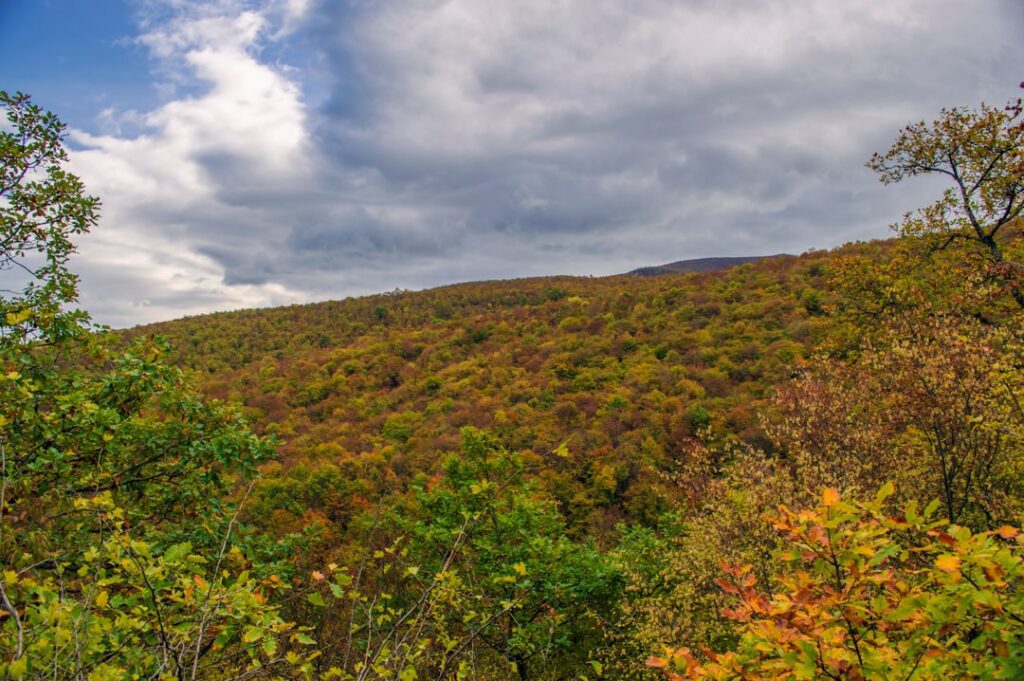
Gurjaani, Georgia’s Amazing Wine, Ancient Churches & Rustic Charm (2026)
While crowds flock to the more famous Kakheti wine towns of Sighnaghi and Telavi, Gurjaani offers an unfiltered, authentic Georgian wine experience without the tour buses and inflated prices. Here, you can walk directly into a 200-year-old marani (wine cellar) for a tasting that costs less than a latte, hosted by a winemaker whose family has worked the same plot for generations. This is the heart of Georgia’s wine country, where tradition isn’t a performance—it’s daily life.
Why Gurjaani, Georgia Stands Out

A wooden bench and a wooden bench in the woods, Gurjaani, Georgia
- Historic Architecture: The 8th-century Kvelatsminda Church, a rare two-domed basilica, showcases unique medieval Georgian design and ancient stone carvings.
- Cultural Scene: The September Rtveli (grape harvest) festival transforms local vineyards into communal feasts where visitors are welcomed to stomp grapes and join the supra (feast).
- Local Specialties: You must try Chinuri wine, a crisp, mineral-driven white native to the region, best sampled straight from the qvevri (clay vessel) it was fermented in.
Pro Tip: Visit from late September to mid-October for the Rtveli harvest. The weather is perfect, vineyards are buzzing with activity, and you’ll have the rare chance to participate in the ancient winemaking process firsthand. Avoid August, when many local families are busy in the vineyards and some smaller wineries are closed to visitors.
Map of Gurjaani, Georgia
Use these interactive maps to explore Gurjaani, Georgia and plan your route:
📍 View Gurjaani, Georgia on OpenStreetMap
🗺️ Open Gurjaani, Georgia in Google Maps
Planning Your Trip: Practical Essentials
Getting There and Around
- By Air: Fly into Tbilisi International Airport (TBS), 110 km away. Georgian Airways and many European carriers serve it. Your best bet is a pre-booked taxi (approx. 80-100 GEL) or a marshrutka (minibus) to Isani Metro Station in Tbilisi, then another to Gurjaani. Book flights at Skyscanner for best deals.
- By Train: A scenic 2-hour train from Tbilisi’s main station to Gurjaani costs about 5 GEL. Trains are infrequent (2-3 daily), so check schedules on the Georgian Railway website. Reserve tickets at Trainline or the national railway website.
- By Car: The drive from Tbilisi on the E60 highway takes 1.5 hours. Renting a car is ideal for exploring surrounding vineyards. Parking in Gurjaani town is easy and free. Compare car rentals at RentalCars.com.
- Local Transport: Marshrutkas connect the town center to nearby villages for 1-3 GEL. For winery visits, hiring a local taxi for a half-day (approx. 50-70 GEL) is your most flexible option.
Best Time to Visit
The ideal time balances pleasant weather with viticultural activity. Spring and autumn are winners, offering mild temperatures and key cultural events.
| Season | Weather | Highlights |
|---|---|---|
| Summer (Jun–Aug) | Warm to hot, 25°C to 35°C (77°F-95°F), dry. | Lush vineyards, long days; perfect for evening supra feasts, but can be quiet as locals work the land. |
| Winter (Dec–Feb) | Cold, 0°C to 7°C (32°F-45°F), occasional snow. | Atmospheric, empty streets; experience wine tasting by the fireplace in a cozy marani. Some rural B&Bs may be closed. |
| Shoulder (Apr–May/Sep–Oct) | Mild, 15°C to 25°C (59°F-77°F), pleasant. | Best overall. Spring brings blossoms; autumn is harvest season (Rtveli) with vibrant festivals and perfect touring weather. |
Budgeting for Gurjaani, Georgia

Beautiful view of the historic Metekhi Church and Tbilisi cityscape in Georgia., Gurjaani, Georgia
| Category | Budget | Mid-range | Luxury |
|---|---|---|---|
| Accommodation | Guesthouse/B&B: 80-120 GEL/night | Local Hotel/Vineyard Stay: 150-250 GEL/night | Premium Wine Estate: 300+ GEL/night |
| Meals | Local bakery/street food: 10-15 GEL | Traditional restaurant supra: 30-50 GEL | Multi-course feast at top winery: 80+ GEL |
| Transport | Marshrutkas & walking: 5-10 GEL/day | Local taxi for day trips: 50-80 GEL/day | Private driver/guided tour: 150+ GEL/day |
| Activities | Church visits, town strolls (Free) | Winery tasting (5-20 GEL), Museum entry (5 GEL) | Private masterclass in qvevi winemaking (100+ GEL) |
| Daily Total | 100-150 GEL | 250-400 GEL | 600+ GEL |
Top Attractions and Must-See Sights
| Attraction | Description | Hours | Entry Fee |
|---|---|---|---|
| Kvelatsminda Church | A unique 8th-century two-domed basilica with intricate stone carvings and a serene, ancient atmosphere. | 9:00 AM – 6:00 PM daily | Free (donation appreciated) |
| Gurjaani Wine Museum | Housed in a former caravanserai, it details 8,000 years of Georgian winemaking with traditional tools and qvevri displays. | 10:00 AM – 5:00 PM (Closed Mon) | 5 GEL |
| Local Marani (Wine Cellar) Tours | Visit family-run cellars like Twins Wine Cellar to see the ancient qvevri burial process and taste amber wines. | By appointment (usually 10am-4pm) | Tasting: 10-25 GEL |
| Gurjaani Central Market | A vibrant hub for local produce, churchkhela (walnut candy), spices, and watching daily life unfold. | 7:00 AM – 3:00 PM daily | Free |
3-Day Itinerary: Gurjaani, Georgia’s Highlights & Hidden Gems
Day 1: Ancient Stones & First Tastes
- Morning (9:00 AM): Start at the Gurjaani Wine Museum to contextualize your trip. The 19th-century building itself is a history lesson.
- Afternoon (1:00 PM): Lunch at Marani Restaurant near the market for massive khinkali (dumplings) and grilled vegetables. Then, a short walk to the majestic Kvelatsminda Church. Look for the faded frescoes inside the south dome.
- Evening (6:00 PM): Your first wine tasting at a local marani. Book ahead for Twins Wine Cellar (15 GEL), where the Napireuli brothers explain qvevri science. Dinner is at their adjacent tavern with a sublime chakapuli (herb stew).
Day 2: Vineyard Immersion
- Morning (10:00 AM): Hire a taxi (approx. 60 GEL for 4 hours) to visit two contrasting wineries. Start at Khareba Winery in nearby Kvareli, famous for its tunnel in the rock, then visit a small family plot like Vazisubani Estate for an intimate tasting.
- Afternoon (2:00 PM): A late, long lunch at Vazisubani Estate’s table—expect homemade bread, ajapsandali (ratatouille), and their exquisite Saperavi.
- Evening (7:00 PM): Return to Gurjaani. Enjoy a low-key evening at Cafe Littera on the main street, sipping local brandy and people-watching.
Day 3: Market Life & Scenic Farewells
- Morning (8:00 AM): Explore the Gurjaani Central Market at its busiest. Buy sun-dried tomatoes, churchkhela for the journey, and sample fresh tonis puri (bread).
- Afternoon (12:00 PM): Final feast at Restaurant Kolkheti. Order mtsvadi (shashlik) and pkhali (spinach/walnut paste). Afterwards, take a marshrutka (3 GEL, 20 mins) to the village of Velistsikhe to see its charming, hilltop church with panoramic views.
- Evening (6:00 PM): One last glass at a wine bar like Vino Underground Gurjaani, sampling a rare amber wine from a micro-producer before your departure.
Cultural Insights & Etiquette
- Language: Basic Georgian phrases go far. “Gamarjoba” (hello), “Didi madloba” (thank you very much), “Gaumarjos!” (toast for “Victory!”). Many in hospitality speak some English or Russian.
- Customs: The supra (feast) is sacred. Follow the tamada (toastmaster). Never drink out of turn during toasts, which celebrate family, ancestors, and life. It’s polite to finish your glass after each toast (small sips are acceptable).
- Tipping: Not mandatory but appreciated. Round up the bill or leave 5-10% in restaurants. For taxi drivers, rounding up is standard. For a dedicated tour guide, 10-15% is generous.
- Dress Code: Modest dress (covered shoulders, knees) is required for entering churches. Smart-casual is fine for restaurants. Pack sturdy shoes for vineyard visits.
- Business Hours: Shops typically open 10am-6pm. Many close for a long lunch (1pm-3pm). Restaurants serve lunch from 1pm and dinner from 7pm until late. Major holidays like Easter and Christmas (Orthodox dates) see widespread closures.
Where to Eat: Gurjaani, Georgia’s Best Bites
Dining in Gurjaani is a farm-to-qvevri experience. Menus change with the seasons, and the best meals are often in family-run winery taverns or unassuming local canteens. The focus is on robust, shared plates and, of course, plenty of wine.
Must-Try Local Specialties
- Qvevri Wine (especially Chinuri/Kisi white or Saperavi red): The soul of the region. For an authentic taste, head directly to source at Twins Wine Cellar or Iago’s Wine in nearby Chardakhi.
- Shoti Puri & Churchkhela: The canoe-shaped bread baked in a tone (clay oven) is a daily staple. The “Georgian Snickers,” churchkhela (grape must and nuts), is the perfect sweet, energy-boosting snack from the market.
- Kakhetian Mtsvadi: Juicy pork or veal shashlik, often grilled over vines. Restaurant Kolkheti does an exceptional version, served with tkemali (plum sauce) and onions.
Restaurant Recommendations by Budget
| Type | Restaurant | Specialty | Price Range |
|---|---|---|---|
| Budget | Central Market Stalls | Fresh tonis puri, cheese, and seasonal fruits for a perfect picnic. | 5-15 GEL |
| Mid-range | Marani Restaurant (Rustaveli St.) | Hearty, traditional Kakhetian feasts with a great selection of local wines by the carafe. | 30-50 GEL per person |
| Fine dining | Tavern at Twins Wine Cellar | A multi-course, wine-paired culinary experience using estate-grown ingredients, hosted by the winemakers. | 80+ GEL per person |
Where to Stay
Accommodation ranges from simple guesthouses in town to stunning vineyard estates in the surrounding countryside. Staying with a winemaking family offers the deepest cultural immersion. Compare prices and book at Booking.com or Airbnb for apartments.
Best Neighborhoods for Accommodation
- Gurjaani Town Center: Best for first-time visitors without a car. You’re walking distance to the museum, church, market, and restaurants. Expect simple guesthouses and small hotels.
- Surrounding Vineyard Villages (Velistsikhe, Vazisubani): Ideal for a peaceful retreat and serious wine lovers. You’ll stay in beautiful guesthouses on wine estates, often with meals included. A car is essential.
- Countryside Homestays: For total immersion, book a room in a family home through a local platform. This is your chance to live the Kakhetian daily rhythm, often including homemade meals and informal tastings.

Majestic back view of the Mother of Georgia statue with a cloudy sky in Tbilisi, Gurjaani, Georgia
FAQs: Your Gurjaani, Georgia Questions Answered
1. Is Gurjaani, Georgia safe at night?
Yes, Gurjaani is generally very safe. Violent crime is rare. As in any town, exercise normal precautions: be aware of your surroundings at night, especially if walking in less-lit areas alone, and keep valuables secure. The main risk for travelers is overindulgence at a supra—pace yourself with the wine and toasts!
2. What currency is used and are credit cards accepted?
The Georgian Lari (GEL) is the currency. As of writing, 1 USD ≈ 2.7 GEL. Credit/debit cards (Visa/Mastercard) are widely accepted in hotels, larger restaurants, and wineries. However, always carry cash for the market, marshrutkas, taxis, and smaller family-run establishments. ATMs are available in the town center.
3. How do I get from the airport to the city center?
From Tbilisi Airport (TBS), the most convenient option is a pre-booked transfer (approx. 80-100 G
Explore More Destinations
- Jozani, Tanzania on a Budget: an Ancient Forest for $35/Day (2026)
- Nsumbu, Zambia on a Budget: Wild Africa for $40/Day (2026)
- Semporna, Malaysia on a Budget: Paradise for $35/Day (2026)
- Khuzestan, Iran on a Budget: Ancient Empires for $30/Day (2026)
- Ngerulmud, Palau on a Budget: Island Majesty for $45/Day (2026)
Ready to Visit Gurjaani?
Start planning your trip today. Compare hotels, find the best tours, and get insider tips.
Your adventure in Gurjaani starts here →
Related Guides
Explore more destinations similar to Gurjaani:
- Sakhalin Island, Russia: Essential Wild Nature, Soviet History & Seafood Feasts (2026)
- Kranj, Slovenia’s Hidden Gorges, Gothic Charm & Alpine Air (2026)
- Khanty-Mansi Autonomous Okrug, Russia: Stunning Taiga, Oil & Indigenous Culture (2026)
- Guyana Highlands, Venezuela’s Essential Tepuis, Waterfalls & Lost Worlds (2026)

