
Takaoka, Japan’s Stunning Casting, Gardens & Timeless Craftsmanship (2026)
While crowds flock to the temples of Kyoto, Takaoka, Japan delivers an authentic, working-class cultural heart without the souvenir shop frenzy. Founded in 1609 by the powerful Maeda clan as a strategic castle town, Takaoka transformed into a city of metal, where the rhythmic clang of artisans shaping copper and bronze still echoes down backstreets. Here, you’ll discover a city not built for tourists, but for the continuation of a 400-year-old craft, offering a rare, unfiltered glimpse into Japan’s industrial artistry.
Why Takaoka, Japan Stands Out

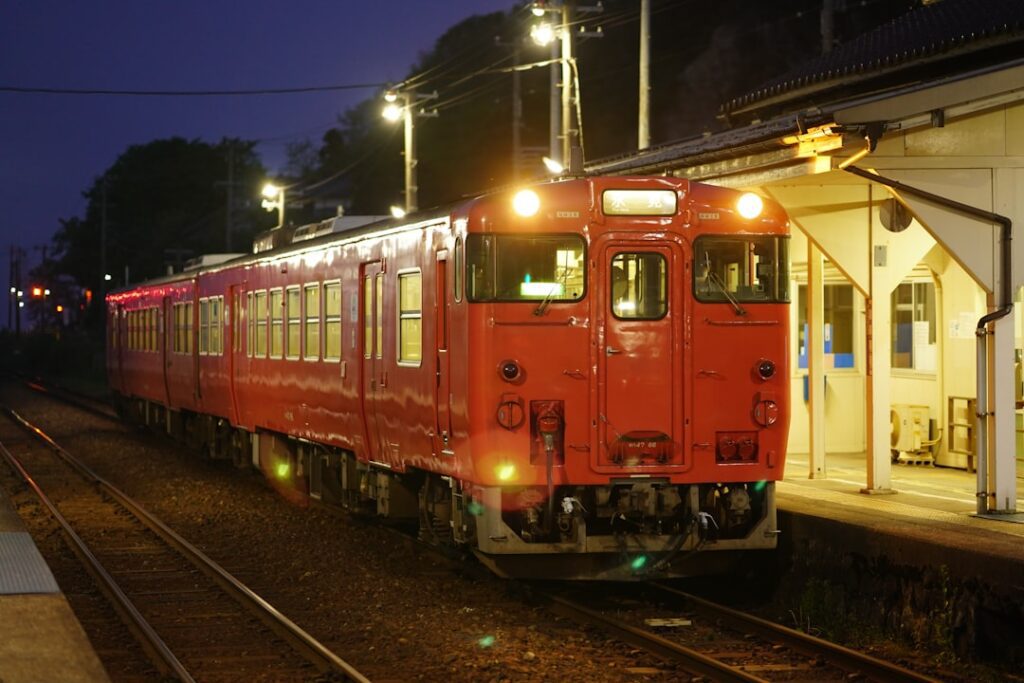
A train travels along a seaside route., Takaoka, Japan
- Historic Architecture: The majestic Great Buddha of Takaoka (Takaoka Daibutsu), cast in bronze in 1933, is one of Japan’s three great Buddhas and a testament to the city’s unparalleled metalworking heritage.
- Cultural Scene: The Takaoka Mikurumayama Festival in May, a UNESCO Intangible Cultural Heritage event, features dazzling, centuries-old festival floats that are literal moving art galleries.
- Local Specialties: You must try Takaoka ramen, characterized by its rich, soy-sauce based broth and thick, curly noodles—a hearty fuel for the local craftsmen.
Pro Tip: Visit on a Saturday. The Takaoka Morning Market (7:00-11:00 AM) is a local institution, but the real magic happens in the afternoon when many copperware workshops in the Kaji-machi (Blacksmith Town) district are open for viewing. Avoid Golden Week (early May) and Obon (mid-August) for a quieter experience.
Map of Takaoka, Japan
Use these interactive maps to explore Takaoka, Japan and plan your route:
📍 View Takaoka, Japan on OpenStreetMap
🗺️ Open Takaoka, Japan in Google Maps
Planning Your Trip: Practical Essentials
Getting There and Around
- By Air: The nearest major airport is Toyama Kitokito Airport (TOY), 30 minutes away by bus. Alternatively, fly into Komatsu Airport (KMQ) or take a shinkansen from Tokyo to nearby Toyama Station. Book flights at Skyscanner for best deals.
- By Train: Takaoka Station is on the JR Himi and Johana Lines, and is a quick 15-20 minute ride from Toyama Station on the Ainokaze Toyama Railway line. From Tokyo, take the Hokuriku Shinkansen to Toyama (about 2.5 hours). Reserve tickets at Trainline or the national railway website.
- By Car: Takaoka is easily accessed via the Hokuriku Expressway. Driving is ideal for exploring the nearby Noto Peninsula. Parking is generally available and affordable. Compare car rentals at RentalCars.com.
- Local Transport: The city is best explored on foot or by bicycle. Rent a bike near Takaoka Station (around ¥500/day). A local loop bus, the “Machi-nori Retro Bus,” hits major sights for a flat fee of ¥100 per ride. Check official city transport websites for passes and schedules.
Best Time to Visit
Takaoka shines in the shoulder seasons when the weather is mild and the city’s gardens are at their peak. Summer brings vibrant festivals but can be humid, while winter offers a quiet, stark beauty with the chance of seeing the Great Buddha against a backdrop of snow.
| Season | Weather | Highlights |
|---|---|---|
| Summer (Jun–Aug) | Warm & humid, 20-30°C (68-86°F) | The Takaoka Mikurumayama Festival (May 1st), lively summer evenings, green gardens. Moderate crowds. |
| Winter (Dec–Feb) | Cold, 0-8°C (32-46°F), chance of snow | Atmospheric, crowd-free sightseeing; the bronze Buddha in winter light is stunning. Many festivals are dormant. |
| Shoulder (Apr–May/Sep–Oct) | Mild & pleasant, 10-22°C (50-72°F) | Ideal for walking; cherry blossoms in April, autumn colors in Kojo Park. The perfect balance of comfort and activity. |
Budgeting for Takaoka, Japan

A large body of water sitting under a blue sky, Takaoka, Japan
| Category | Budget | Mid-range | Luxury |
|---|---|---|---|
| Accommodation | ¥4,000-¥6,000 (business hotels, hostels) | ¥8,000-¥15,000 (comfortable hotels, ryokan) | ¥20,000+ (high-end ryokan with kaiseki meals) |
| Meals | ¥2,000 (convenience store, market food, ramen) | ¥4,000-¥6,000 (local restaurants, set meals) | ¥10,000+ (multi-course kaiseki or fine dining) |
| Transport | ¥500 (bike rental, local bus) | ¥1,500-¥3,000 (taxis, regional train day trips) | ¥5,000+ (private car hire) |
| Activities | ¥0-¥1,000 (parks, temple grounds, market) | ¥2,000-¥4,000 (museum entries, workshop visits) | ¥8,000+ (private craft lessons, guided tours) |
| Daily Total | ¥6,500-¥9,500 (~$45-$65) | ¥15,500-¥28,000 (~$105-$190) | ¥43,000+ (~$290+) |
Top Attractions and Must-See Sights
| Attraction | Description | Hours | Entry Fee |
|---|---|---|---|
| Takaoka Daibutsu (Great Buddha) | A stunning, 15.85-meter tall bronze Buddha, renowned for its serene expression and masterful casting. | 6:00 AM – 6:00 PM (Apr-Sep), 6:00 AM – 5:30 PM (Oct-Mar) | ¥300 (to enter inner chamber) |
| Zuiryuji Temple | A National Treasure, this serene Zen temple from 1663 features stunning architecture and a sublime rock garden. | 9:00 AM – 4:30 PM (Last entry 4:00 PM) | ¥500 |
| Kojo Park (Takaoka Castle Ruins) | The site of the original 1609 castle, now a beautiful public park with moats, cherry trees, and the historic Otemon Gate. | Park always open; Gate 9:00 AM – 5:00 PM | Park: Free; Otemon Gate: ¥100 |
| Takaoka Art Museum & Takaoka Lacquerware Museum | Twin museums showcasing the city’s dual heritage: exquisite lacquerware and modern art in a striking building. | 9:00 AM – 5:00 PM (Closed Mon & day after Nat. Holidays) | ¥200 each or ¥300 combo ticket |
3-Day Itinerary: Takaoka, Japan’s Highlights & Hidden Gems
Day 1: The Heart of Craft & Casting
- Morning (7-9 AM): Dive into local life at the Takaoka Morning Market near Kanayamachi Station. Sample fresh produce and street food. Your best bet is to try a hot bowl of *oden* from a stall.
- Afternoon (12-3 PM): Walk to the iconic Takaoka Daibutsu. After paying the ¥300 fee to enter the chamber, feel the scale of the craftsmanship. For lunch, head to Ramen Maru for their definitive, rich Takaoka ramen (¥850).
- Evening (6-8 PM): Stroll through the illuminated Kojo Park. For dinner, savor local seafood at Kaisen Izakaya Uotoku near the station, where the *sashimi moriawase* (assorted sashimi) is incredibly fresh.
Day 2: Zen, Lacquer & Festival Floats
- Morning (9:30 AM): Visit the sublime Zuiryuji Temple (¥500). Spend an hour in quiet contemplation in the rock garden, a masterpiece of *kare-sansui* (dry landscape).
- Afternoon (1 PM): Explore the Takaoka Lacquerware Museum (¥200) to see dazzling *maki-e* (gold-sprinkled) works. Then, walk to the Takaoka Mikurumayama Kaikan (¥300) to see the enormous, ornate festival floats up close.
- Evening (6 PM): Experience a traditional *izakaya* (pub) at Kushiya Dori, a street lined with kushikatsu (deep-fried skewer) restaurants. Kushikatsu Hirao is a local favorite for its crispy pork and asparagus skewers.
Day 3: Artisan Alleys & Coastal Escape
- Morning (10 AM): Take the local JR line to Kanayamachi Station (5 mins, ¥140). Wander the backstreets of the Kaji-machi district, peeking into open workshops where artisans hammer copper into vases and bells.
- Afternoon (1 PM): Return to Takaoka Station and take a 25-minute train to Fushiki port area. Enjoy a lunch of *kaitenzushi* (conveyor belt sushi) at Maruten with ultra-fresh fish from Toyama Bay.
- Evening (5 PM): Back in Takaoka, make a final souvenir stop at Daiyu, a long-standing copperware shop. For a memorable last meal, book a table at Kappo Hana for seasonal, locally-sourced Japanese cuisine.
Cultural Insights & Etiquette
- Language: Basic greetings go a long way: “*Konnichiwa*” (Hello), “*Arigatou gozaimasu*” (Thank you). English is not widely spoken, so a translation app is savvy traveler’s best friend.
- Customs: When viewing crafts in a workshop, a polite nod and smile are appreciated; ask before taking photos. Before entering Zuiryuji Temple’s main hall, you’ll remove your shoes.
- Tipping: Tipping is not practiced in Japan and can cause confusion. Excellent service is standard and included.
- Dress Code: Modest dress is key for temples. Comfortable walking shoes are essential for exploring the city’s districts. In upscale ryokan, a provided *yukata* (robe) is standard evening wear.
- Business Hours: Most shops open 10:00 AM – 6:00 PM. Museums often close on Mondays. Many restaurants close mid-afternoon (3-5 PM) between lunch and dinner service.
Where to Eat: Takaoka, Japan’s Best Bites
Takaoka’s cuisine reflects its history as a castle town and its coastal proximity. You’ll find hearty dishes born from the needs of metalworkers alongside exquisite seafood from the frigid, deep waters of Toyama Bay. Dining is straightforward and focused on quality ingredients.
Must-Try Local Specialties
- Takaoka Ramen: A rich, dark soy-sauce broth with thick, firm noodles, often topped with chashu pork, menma, and a sheet of nori. Find it at any local ramen-ya, but Ramen Maru is the classic.
- Masuzushi: A pressed sushi from Toyama Prefecture where trout is cured in kelp and laid over vinegared rice. For the best, visit specialized sushi shops like Sushidokoro Kiyo.
- Kuroge Wagyu Beef: While not exclusive to Takaoka, the nearby region produces superb beef. Try it as a steak or in a sukiyaki hotpot at a *yakiniku* (grill) restaurant like Yakiniku Yamato.
Restaurant Recommendations by Budget
| Type | Restaurant | Specialty | Price Range |
|---|---|---|---|
| Budget | Ramen Maru (Near Daibutsu) | Classic Takaoka Ramen | ¥800-¥1,000 per bowl |
| Mid-range | Kaisen Izakaya Uotoku (Near Station) | Fresh Toyama Bay Sashimi & Grilled Fish | ¥2,500-¥4,000 per person |
| Fine dining | Kappo Hana (Central Takaoka) | Seasonal Multi-Course Japanese Cuisine (Kaiseki) | ¥8,000-¥12,000 per person |
Where to Stay
Accommodation in Takaoka is functional and good value, ranging from efficient business hotels to a few charming ryokan. Staying near Takaoka Station offers maximum convenience for transport and dining. Compare prices and book at Booking.com or Airbnb for apartments.
Best Neighborhoods for Accommodation
- Takaoka Station Area: The most convenient hub, packed with restaurants, shops, and easy transport. Ideal for first-time visitors and those using public transport. It’s more commercial than quaint.
- Central Takaoka (near Kojo Park): A quieter, more atmospheric area within walking distance of the park, Daibutsu, and some museums. Best for travelers who prefer a scenic stroll to their sights.
- Kanayamachi District: For a truly immersive experience, a rare guesthouse or apartment here puts you in the heart of the artisan quarter. Perfect for culture enthusiasts, but with fewer dining options at night.
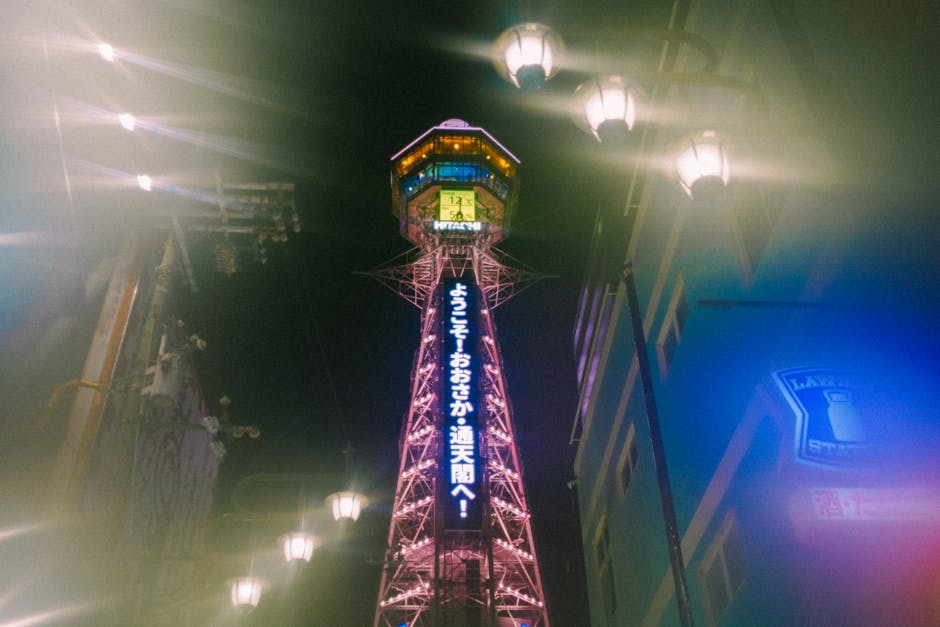
A vibrant night view of Tsutenkaku Tower in Osaka, Takaoka, Japan
FAQs: Your Takaoka, Japan Questions Answered
1. Is Takaoka, Japan safe at night?
Extremely safe. Japan has very low crime rates, and Takaoka is a peaceful city. You can comfortably walk alone at night in well-lit central areas. Standard precautions like being aware of your surroundings always apply.
2. What currency is used and are credit cards accepted?
The Japanese Yen (¥) is the currency. While major hotels, department stores, and some restaurants accept credit cards, cash is still king in smaller shops, markets, local restaurants, and for bus fares. Savvy travelers always carry a mix of
Explore More Destinations
- Jozani, Tanzania on a Budget: an Ancient Forest for $35/Day (2026)
- Nsumbu, Zambia on a Budget: Wild Africa for $40/Day (2026)
- Semporna, Malaysia on a Budget: Paradise for $35/Day (2026)
- Khuzestan, Iran on a Budget: Ancient Empires for $30/Day (2026)
- Ngerulmud, Palau on a Budget: Island Majesty for $45/Day (2026)
Ready to Visit Takaoka?
Start planning your trip today. Compare hotels, find the best tours, and get insider tips.
Your adventure in Takaoka starts here →
Related Guides
Explore more destinations similar to Takaoka:
- Pompei, Italy Weekend: Frozen Time, Frescoes (2026)
- Al-Ula (Dadan), Saudi Arabia: Best Ancient Tombs, Golden Canyons & Starlit Deserts (2025)
- Azores, Portugal (São Jorge Island – Fajã de Ouvidor)
- Livingston, Guatemala on a Budget: How to Live Like a King for $35/Day (2026)
{“@context”: “https://schema.org”, “@type”: “FAQPage”, “mainEntity”: [{“@type”: “Question”, “name”: “What is the best time to visit Takaoka?”, “acceptedAnswer”: {“@type”: “Answer”, “text”: “The best time to visit Takaoka depends on your preferences. Generally, the dry season offers the most pleasant weather for sightseeing and outdoor activities.”}}, {“@type”: “Question”, “name”: “How many days do I need in Takaoka?”, “acceptedAnswer”: {“@type”: “Answer”, “text”: “Most travelers spend 3-5 days in Takaoka to see the main attractions. A week allows for a more relaxed pace and day trips.”}}, {“@type”: “Question”, “name”: “Is Takaoka expensive to visit?”, “acceptedAnswer”: {“@type”: “Answer”, “text”: “Takaoka can be visited on various budgets. Accommodation ranges from hostels to luxury hotels, and local restaurants offer affordable dining.”}}]}

