
Tsingy National Park, Madagascar: Ultimate Limestone Labyrinths, Lemurs & Epic Adventure (2026)
At dawn, the sun ignites the Tsingy de Bemaraha into a forest of stone fire. The air is filled with the echoing calls of Decken’s sifakas and the rustle of leaf-tailed geckos on 200-million-year-old limestone spires. This UNESCO World Heritage site isn’t a landscape you simply see; it’s a 600-square-kilometer fortress of razor-sharp pinnacles you navigate via suspension bridges and caves, offering a perspective on Madagascar found nowhere else on Earth.
Why Tsingy National Park, Madagascar Stands Out
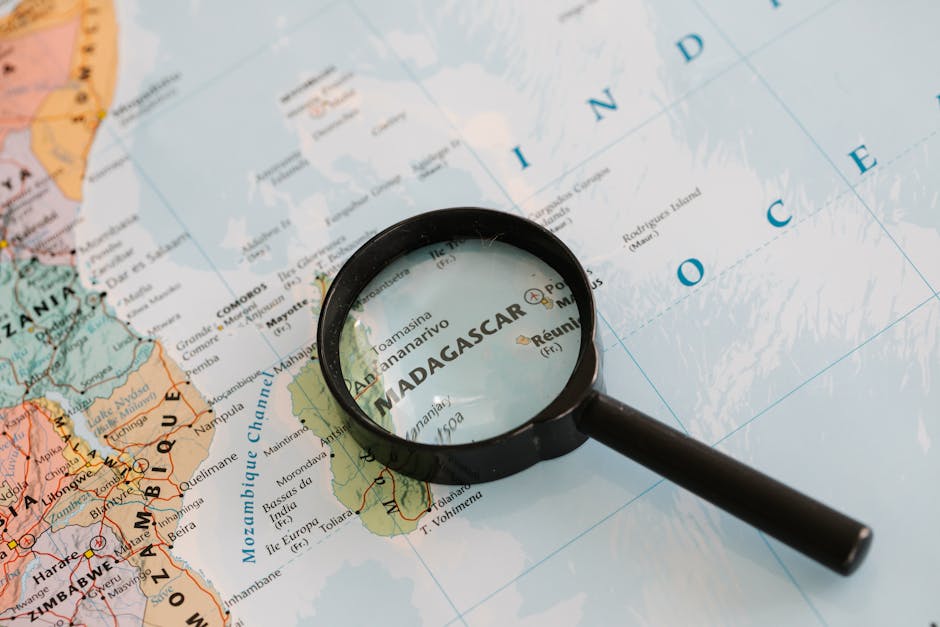
Close-up of Madagascar on a map with a magnifying glass highlighting the area., Tsingy National Park, Madagascar
- Historic Architecture: The park itself is a 200-million-year-old geological masterpiece, sculpted by rain into a labyrinth of limestone cathedrals, canyons, and caves.
- Cultural Scene: The nearby Sakalava and Mikea peoples hold the Tsingy as sacred, with local guides sharing ancestral stories of the forest spirits, or *Zanahary*, that protect it.
- Local Specialties: After a day of trekking, try *Romazava*, a hearty beef and leafy green stew, or fresh *foza sy henakisoa* (crab with pork) from local village kitchens.
Pro Tip: The park is only accessible by 4×4 via the rough RN8 from Morondava, and is **only open from April to November**. The road becomes completely impassable in the rainy season. Aim for the shoulder months of May or October for the best balance of manageable weather and fewer visitors.
Map of Tsingy National Park, Madagascar
Use these interactive maps to explore Tsingy National Park, Madagascar and plan your route:
📍 View Tsingy National Park, Madagascar on OpenStreetMap
🗺️ Open Tsingy National Park, Madagascar in Google Maps
Planning Your Trip: Practical Essentials
Getting There and Around
- By Air: Fly into Morondava (MOQ) from Antananarivo on Air Madagascar. From Morondava, it’s a mandatory 8-10 hour 4×4 journey (approx. $250-400 round-trip per vehicle) to the park entrance at Bekopaka. Book flights at Skyscanner for best deals.
- By Train: No train service reaches this remote western region of Madagascar.
- By Car: The only viable option is a rugged 4×4 with an experienced driver. Self-driving is not recommended due to river crossings and extreme road conditions. Compare car rentals at RentalCars.com for Antananarivo, but book a full tour/transfer package locally.
- Local Transport: Within Bekopaka, you’ll walk or use the same 4×4. All park exploration is on foot via guided circuits.
Best Time to Visit
The visiting window is narrow and dictated entirely by the climate. The dry season is your only option, with the landscape lush from recent rains but the treacherous roads and park trails passable.
| Season | Weather | Highlights |
|---|---|---|
| Dry Season (Apr–Nov) | Warm, 75-90°F (24-32°C), very low chance of rain. Nights can be cool. | Park is open; ideal for trekking and wildlife spotting; rivers are crossable. Peak crowds July-August. |
| Rainy Season (Dec–Mar) | Torrential rains, extreme humidity, and temperatures over 95°F (35°C). | Park and access road are CLOSED. Flooding makes the area completely inaccessible to tourists. |
| Shoulder (Apr–May/Oct–Nov) | Pleasant temperatures, landscapes are green and vibrant, minimal rainfall. | The sweet spot. Fewer tourists, active wildlife, and the most comfortable conditions for strenuous hikes. |
Budgeting for Tsingy National Park, Madagascar

Close-up shot of a black-and-white ruffed lemur in its natural habitat in M…, Tsingy National Park, Madagascar
| Category | Budget | Mid-range | Luxury |
|---|---|---|---|
| Accommodation | $15-30 (basic bungalow in Bekopaka) | $50-100 (comfortable lodge with en-suite) | $150+ (exclusive eco-lodge) |
| Meals | $5-10 (local *hotely* meals) | $15-25 (lodge restaurant) | $30+ (set menus) |
| Transport | $50/day (shared 4×4 seat) | $100-150/day (private 4×4) | $200+ (private tour vehicle & guide) |
| Activities | $10-25 (park entry & guide fees per circuit) | $50 (adds canoe trip on Manambolo River) | $100+ (private guiding, all circuits) |
| Daily Total | $80-115 | $215-325 | $480+ |
Top Attractions and Must-See Sights
| Attraction | Description | Hours | Entry Fee |
|---|---|---|---|
| Grand Tsingy Circuit | The iconic, challenging full-day hike involving ladders, cables, and suspension bridges over the most dramatic pinnacles. | 7am – 3pm (must start early) | ~$25 (inc. guide & park fee) |
| Petit Tsingy Circuit | A shorter, less vertigo-inducing 2-3 hour walk through a stunning forest of smaller limestone formations. | 7am – 5pm | ~$15 (inc. guide & park fee) |
| Manambolo River Gorge | A serene pirogue (canoe) trip through towering canyon walls, visiting caves and Tombs of the Vazimba people. | Morning or afternoon trips | ~$10-15 per person |
| Andadoany Cave | A sacred cave within the Petit Tsingy, filled with impressive stalactites and stalagmites, and often home to sleeping bats. | Accessed via Petit Tsingy circuit | Included in circuit fee |
3-Day Itinerary: Tsingy National Park, Madagascar’s Highlights & Hidden Gems
Day 1: Arrival & Manambolo Immersion
- Morning: Arrive in Bekopaka after the long 4×4 journey from Morondava. Check into your lodge (like Orchidée du Bemaraha or Le Soleil des Tsingy) and recover with a cold THB beer.
- Afternoon: Take a 2-hour pirogue trip on the Manambolo River (approx. $15). Your guide will point out crocodile eyes and take you to the sacred caves with Vazimba tombs—remember, it’s respectful not to point directly at them.
- Evening: Enjoy a simple but delicious dinner of *ravitoto* (pork with crushed cassava leaves) at your lodge, listening to the sounds of the forest coming alive at night.
Day 2: Conquering the Grand Tsingy
- Morning: Start at 7:00 AM sharp for the Grand Tsingy circuit. You’ll need a packed lunch, 3+ liters of water, sturdy shoes, and gloves (for the cables). The 5-6 hour trek involves climbing iron ladders bolted into rock and crossing narrow bridges 50+ meters above the forest floor.
- Afternoon: Eat your packed lunch at the summit viewpoint, a breathtaking reward. Keep an eye out for the white Decken’s sifaka lemurs leaping impossibly between the razor-sharp spikes.
- Evening: Return exhausted but exhilarated. Your best bet for a celebratory dinner is at your lodge, swapping stories with other travelers over grilled zebu steak.
Day 3: Petit Tsingy & Local Culture
- Morning: A more relaxed 3-hour hike on the Petit Tsingy circuit ($15). This is prime territory for spotting the cryptic leaf-tailed gecko and diverse birdlife like the crested coua.
- Afternoon: Visit the small village of Bekopaka. With a guide, you can learn about local Sakalava culture. Consider buying a direct, fair-trade handicraft like a woven basket.
- Evening: Your final night calls for a sunset drink overlooking the Tsingy. Ask your lodge to prepare a *brochette de crevettes* (shrimp skewers) as you watch the limestone turn golden then deep purple.
Cultural Insights & Etiquette
- Language: Malagasy and French are spoken. Key phrases: “Manao ahoana” (Hello), “Misaotra” (Thank you), “Azafady” (Please/Excuse me). Guides will speak some English.
- Customs: The *fady* (taboos) are strong. Always ask your guide before taking photos of tombs, specific trees, or objects. Never point with your index finger; use an open hand.
- Tipping: Not mandatory but deeply appreciated. For a private guide, 5,000-10,000 MGA ($1-$2.50) per day is a good gesture. For group drivers, a collective tip is customary.
- Dress Code: Modesty is key near villages. For the park, wear durable, covering clothing (long pants, shirts) to protect from scratches. A hat and bandana are essential.
- Business Hours: Everything runs on “Moramora” (slowly, slowly) time. Shops in Bekopaka have flexible hours. Park offices open at dawn for circuit registration.
Where to Eat: Tsingy National Park, Madagascar’s Best Bites
Dining is almost exclusively lodge-based in Bekopaka. The focus is on hearty, fuel-providing meals. Don’t expect a varied culinary scene; instead, savor the fresh, simple ingredients prepared with care.
Must-Try Local Specialties
- Romazava: The national dish, a stew of zebu (beef), greens (*brèdes*), and ginger. The perfect recovery meal after a long hike. Best tried at your lodge’s restaurant.
- Foza sy Henakisoa: A coastal specialty of crab and pork, often found in richer stews. If you see it on a lodge menu, it’s a treat worth ordering.
- Mofo Gasy: Malagasy rice cakes, often fried. These are the go-to snack for early morning starts and can be bought from small village stalls.
Restaurant Recommendations by Budget
| Type | Restaurant | Specialty | Price Range |
|---|---|---|---|
| Budget | Local *Hotely* in Bekopaka Village | Simple rice-and-laoka (side dish) plates, like chicken in tomato sauce. | $3-5 per meal |
| Mid-range | Orchidée du Bemaraha Restaurant | Reliable Western & Malagasy classics, good zebu steaks and pasta. | $10-15 per meal |
| Fine dining | Le Soleil des Tsingy Lodge Restaurant | The best upscale dining in the area, with set menus and good wine selection. | $20-30+ per meal |
Where to Stay
All accommodation is clustered in or near the village of Bekopaka, the gateway to the park. Booking ahead in peak season (July-August) is crucial. Compare prices and book at Booking.com or Airbnb for apartments (though Airbnb is very limited here).
Best Neighborhoods for Accommodation
- Bekopaka Village Center: Basic, no-frills bungalows (like Tsingy de Bemaraha Lodge). You’re close to the park office and local life, but amenities are simple (shared bathrooms, solar power). Best for rugged budget travelers.
- Riverside Lodges (near Manambolo): The most popular area for mid-range stays (e.g., Orchidée du Bemaraha). You get en-suite bathrooms, more reliable electricity, and beautiful sunset views over the river. The best balance of comfort and location.
- Exclusive Eco-Lodges: Set slightly apart for privacy (like Le Soleil des Tsingy). Offers the highest comfort, often with pools, refined dining, and expert guiding services. Ideal for those seeking a more luxurious wilderness experience.

A ring-tailed lemur eating in a lush green outdoor setting, Tsingy National Park, Madagascar
FAQs: Your Tsingy National Park, Madagascar Questions Answered
1. Is Tsingy National Park, Madagascar safe at night?
Within the park confines and your lodge, yes. There is no dangerous wildlife to worry about. In Bekopaka village, it’s safe but very dark. Use common sense: don’t wander alone at night, secure your valuables, and use a flashlight. The main “danger” is tripping on uneven paths.
2. What currency is used and are credit cards accepted?
The local currency is the Malagasy Ariary (MGA). Carry CASH in Ariary. Credit cards are almost never accepted in Bekopaka—not for lodging, meals, park fees, or guides. Withdraw enough cash in Morondava or Antananarivo before you embark on the journey.
3. How do I get from the airport to the park?
You don’t fly directly. You fly to Morondava (MOQ). From there, you must arrange a 4×4 transfer for the full-day drive to Bekopaka. This is typically booked as part of a tour package or directly with a driver/company in Morondava. Expect to pay $250-$400 for a return trip for the vehicle. Book airport transfers at GetYourGuide for convenience for the initial Morondava pickup, but the long-haul transfer is a specialized local service.
4. Do I need to speak the local language?
Not for the park experience itself. Your mandatory local guide will speak basic to good English/French. Learning a few Malagasy greetings (“Manao ahoana”, “Misaotra”) will earn you warm smiles from villagers and lodge staff. French is more widely understood than English in this region.
5. What’s the appropriate dress code?
For trekking: tough, closed-toe hiking shoes are non-negotiable. Wear long, durable pants and long-sleeved shirts to protect from the razor-sharp limestone. A wide-brimmed hat, sunglasses, and gloves (for gripping cables) are highly recommended. In the village, dress modestly out of respect.
Final Thoughts: Tsingy National Park, Madagascar Awaits
Tsingy de Bemaraha is not a convenient add-on to a Madagascar trip; it’s a committed expedition to one of the planet’s most surreal and challenging landscapes. The journey is tough, the comforts are basic, but
Related Guides
Explore more destinations similar to Tsingy National Park:
- Tinsukia, India’s Best Tea Gardens, Tribal Culture & Wildlife Encounters (2025)
- New York City’s Ultimate Skyline Views, Broadway Magic & Global Cuisine (2025)
- Chimanimani, Zimbabwe’s Best Hiking, Waterfalls & Mountain Mystique (2025)
- Essau, Gambia’s Hidden History, River Life & Authentic Culture (2026)
{“@context”: “https://schema.org”, “@type”: “FAQPage”, “mainEntity”: [{“@type”: “Question”, “name”: “What is the best time to visit Tsingy National Park?”, “acceptedAnswer”: {“@type”: “Answer”, “text”: “The best time to visit Tsingy National Park depends on your preferences. Generally, the dry season offers the most pleasant weather for sightseeing and outdoor activities.”}}, {“@type”: “Question”, “name”: “How many days do I need in Tsingy National Park?”, “acceptedAnswer”: {“@type”: “Answer”, “text”: “Most travelers spend 3-5 days in Tsingy National Park to see the main attractions. A week allows for a more relaxed pace and day trips.”}}, {“@type”: “Question”, “name”: “Is Tsingy National Park expensive to visit?”, “acceptedAnswer”: {“@type”: “Answer”, “text”: “Tsingy National Park can be visited on various budgets. Accommodation ranges from hostels to luxury hotels, and local restaurants offer affordable dining.”}}]}


Pingback: Santa Elena Cloud Forest Reserve, Costa Rica: Amazing Mist, Mystique & Monkeys (2026) - tangyOcean