
Gimhae, South Korea’s Incredible Ancient Tombs, Royal Roots & Spicy Soups (2026)
While crowds flock to Busan’s Haeundae Beach just 30 minutes away, Gimhae delivers a profound, uncrowded journey to the very origins of Korean civilization without the tourist buses and inflated prices. This is the sacred ground of the Gaya Confederacy and the legendary birthplace of King Suro, whose tomb has stood for over 1,600 years. Here, you’ll walk through royal burial mounds where history feels tangible, not just displayed behind glass.
Why Gimhae, South Korea Stands Out

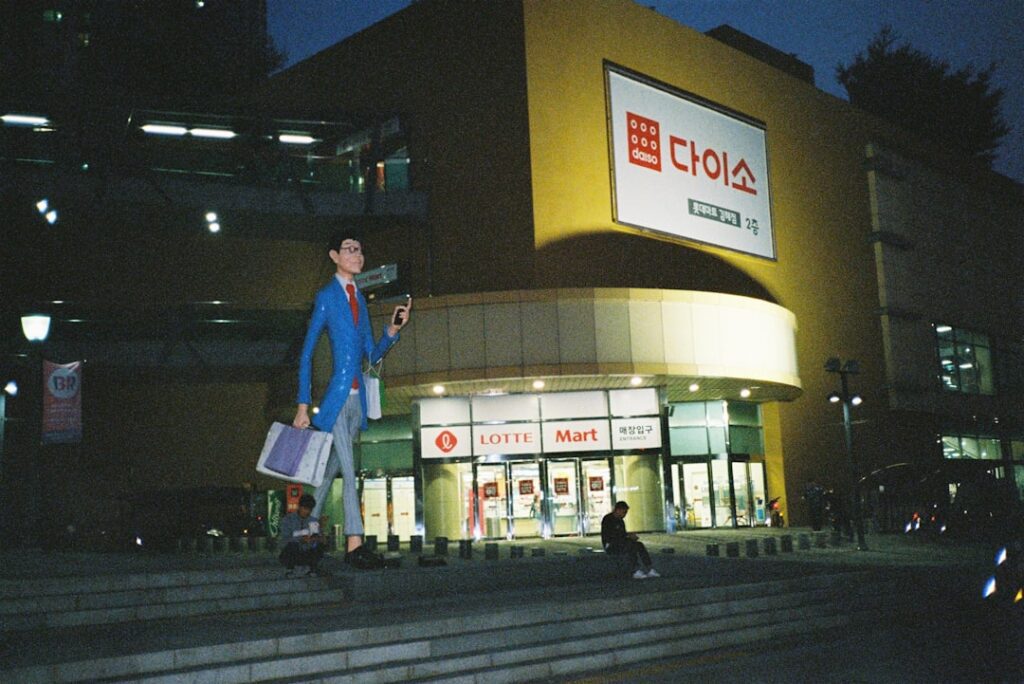
People wait at a crosswalk on a busy city street., Gimhae, South Korea
- Historic Architecture: The Royal Tomb of King Suro, built in the 4th century, is the legendary resting place of the founder of the Geumgwan Gaya kingdom and a powerful symbol of Korea’s ancient lineage.
- Cultural Scene: The Gimhae Gaya Cultural Festival each October transforms the historic sites with vibrant reenactments, traditional Gaya music, and martial arts demonstrations you won’t find elsewhere.
- Local Specialties: You must try Gimhae *Gamjatang* (pork bone and potato stew), a richer, spicier version than the national standard, often said to be perfected in the city’s local eateries.
Pro Tip: Visit on a weekday morning, ideally Tuesday or Wednesday, to have the expansive Gaya-era tomb complexes almost entirely to yourself. Most group tours from Busan arrive in the afternoons and on weekends.
Map of Gimhae, South Korea
Use these interactive maps to explore Gimhae, South Korea and plan your route:
📍 View Gimhae, South Korea on OpenStreetMap
🗺️ Open Gimhae, South Korea in Google Maps
Planning Your Trip: Practical Essentials
Getting There and Around
- By Air: Gimhae International Airport (PUS) serves the entire Busan-Gyeongsangnam-do region. It’s a major hub for domestic flights and international routes from Japan, China, and Southeast Asia. From the airport, the city center is a quick 15-minute taxi ride (approx. ₩10,000). Book flights at Skyscanner for best deals.
- By Train: Gimhae has two main stations: Gimhae Station (on the Gyeongjeon Line) and Hallimjeong Station (Busan-Gimhae Light Rail). The KTX from Seoul to Busan takes 2.5 hours; from Busan Station, transfer to the light rail for a 30-minute ride to Gimhae. Reserve tickets at Trainline or the national railway website.
- By Car: Driving from central Busan takes about 30-40 minutes via the Namhae Expressway. Rental is ideal for visiting outlying tomb sites. Parking is generally easy and affordable. Compare car rentals at RentalCars.com.
- Local Transport: The Busan-Gimhae Light Rail Transit (LRT) is your best friend, connecting key sites like the Gimhae National Museum and Royal Tomb Park to Busan’s subway. A single journey costs ₩1,400. Taxis are plentiful and inexpensive for shorter trips.
Best Time to Visit
Spring and fall are sublime, offering mild weather and stunning natural backdrops for the historic sites. Summer can be hot and humid, while winter is cold but clear, perfect for museum visits.
| Season | Weather | Highlights |
|---|---|---|
| Summer (Jun–Aug) | Hot & humid, 25-32°C (77-90°F), monsoon rains in July | Lush green landscapes at tomb parks; vibrant night markets; indoor museums offer respite from heat. |
| Winter (Dec–Feb) | Cold & dry, -2 to 8°C (28-46°F), occasional snow | Crowd-free exploration of historic sites, stark beauty of the burial mounds against grey skies, perfect for hearty stews. |
| Shoulder (Apr–May/Sep–Oct) | Mild & pleasant, 15-25°C (59-77°F), low rainfall | Ideal for walking between outdoor sites; cherry blossoms in April; autumn foliage in October; comfortable festival weather. |
Budgeting for Gimhae, South Korea
Close-up of vibrant purple balloon flowers blooming in bright sunlight, Gimhae, South Korea
| Category | Budget | Mid-range | Luxury |
|---|---|---|---|
| Accommodation | ₩40,000-₩60,000 (hostel/guesthouse) | ₩80,000-₩120,000 (business hotel) | ₩200,000+ (design hotel or resort) |
| Meals | ₩8,000-₩12,000 (street food, casual eatery) | ₩15,000-₩25,000 (sit-down restaurant) | ₩50,000+ (hanjeongsik course meal) |
| Transport | ₩5,000 (LRT/bus day pass) | ₩20,000 (multiple taxi rides) | ₩80,000+ (private driver for day) |
| Activities | ₩0-₩10,000 (parks, free museums) | ₩15,000 (combined museum tickets) | ₩50,000 (private cultural workshop) |
| Daily Total | ₩53,000-₩87,000 (~$40-65) | ₩130,000-₩180,000 (~$100-135) | ₩380,000+ (~$285+) |
Top Attractions and Must-See Sights
| Attraction | Description | Hours | Entry Fee |
|---|---|---|---|
| Gimhae National Museum | The essential primer, housing exquisite Gaya-era gold crowns, pottery, and armor excavated from the nearby tombs. | 10:00-18:00 (Closed Mon) | Free |
| Royal Tomb of King Suro (Gimhae Daewang-neung) | The serene, forested burial mound of the legendary founding king, offering a direct connection to Korea’s ancient past. | 09:00-18:00 | ₩1,000 |
| Gaya Theme Park | An engaging open-air museum with full-scale reconstructions of Gaya period houses, workshops, and a fortress. | 09:00-18:00 | ₩3,000 |
| Bokcheon-dong Burial Mounds & Museum | A vast park with over 120 original burial mounds you can walk amongst, plus an underground museum displaying relics in situ. | 09:00-18:00 | ₩1,000 |
3-Day Itinerary: Gimhae, South Korea’s Highlights & Hidden Gems
Day 1: The Heart of Ancient Gaya
- Morning (9:00 AM): Start at the **Gimhae National Museum** (free). Spend two hours understanding Gaya history; don’t miss the stunning gold earrings from Tomb No. 44. Your best bet is to pick up an English audio guide.
- Afternoon (12:30 PM): Walk 15 minutes to **Gaya Theme Park** (₩3,000). Explore the reconstructed village and try your hand at traditional pottery (extra fee). For lunch, head to **Suro Madang** near the park entrance for a superb *Gimhae Gamjatang* (₩12,000).
- Evening (6:00 PM): Take a taxi to the **Royal Tomb of King Suro** (₩1,000). The site is magical in the late afternoon light. For dinner, savor grilled eel (*jangeo*), a local specialty, at **Jangeo Town** in the Jinyeong district.
Day 2: Burial Mounds & Local Life
- Morning (8:30 AM): Grab a coffee and *gimbap* to-go and take the LRT to **Bokcheon-dong Burial Mounds** (₩1,000). Arrive early to wander the peaceful, grassy knolls alone. The on-site museum is small but fascinating.
- Afternoon (1:00 PM): Taxi to **Gimhae Folk Craft Museum** (free) to see traditional *Najeon* (mother-of-pearl) and lacquerware. For lunch, find **Myeongdong Kalguksu** in the old market for hand-cut noodle soup (₩8,000).
- Evening (5:30 PM): Experience local life at **Gimhae Jinyeong Market**. It’s less touristy than Busan’s markets. Sample *tteokbokki*, *hotteok*, and other street foods for dinner. Savvy visitors end the night at a *jjimjilbang* (Korean spa) like **Spa Land Gaya**.
Day 3: Nature, Views & Departure
- Morning (9:00 AM): Take a bus or taxi (₩15,000 round-trip) to **Buhang Reservoir**. Rent a bike (₩5,000/hr) or simply walk the scenic lakeside path—a favorite among locals for weekend relaxation.
- Afternoon (12:00 PM): Head to **Gaya-eupseong Fortress Site** on Mt. Gujibong. It’s a moderate 40-minute hike for panoramic views of Gimhae. Descend for a late lunch of *Andong Jjimdak* (braised chicken) at **Yeongnam Andong Jjimdak** near the trailhead.
- Evening (5:00 PM): For a final souvenir, visit **Gaya Mill**—a cultural complex with artisan shops. Pick up some *Gaya tea* or traditional ceramics before your departure.
Cultural Insights & Etiquette
- Language: Korean is essential. Learn *Annyeonghaseyo* (Hello), *Gamsahamnida* (Thank you), and *Juseyo* (Please give me). In markets, pointing and smiling works, but a few phrases are deeply appreciated.
- Customs: When visiting royal tombs or historic sites, maintain a respectful demeanor—avoid loud talking or inappropriate poses for photos. Bowing slightly when receiving something is polite.
- Tipping: Not expected or practiced in Korea. A simple thank you is sufficient, even in nice restaurants and taxis.
- Dress Code: Comfortable walking shoes are non-negotiable. Modest dress is recommended for temple visits (covered shoulders and knees).
- Business Hours: Most museums open at 9 or 10 AM and close at 6 PM, often shuttered on Mondays. Restaurants typically run 11 AM-9 PM. Many shops close on major holidays like Seollal (Lunar New Year) and Chuseok (Harvest Festival).
Where to Eat: Gimhae, South Korea’s Best Bites
Gimhae’s cuisine is hearty Gyeongsang-do fare—bold, spicy, and satisfying. It’s less about trendy cafes and more about decades-old establishments perfecting one or two iconic dishes. Don’t miss the bustling traditional markets for the most authentic atmosphere.
Must-Try Local Specialties
- Gimhae Gamjatang: A pork bone and potato stew, but Gimhae’s version is known for its deeper, spicier broth and tender meat. Locals swear by the restaurants clustered in the Jinyeong district.
- Jinyeong Jangeo (Grilled Eel): Eel from the Nakdong River is a prized delicacy, believed to boost stamina. It’s grilled to order and served with savory sauces.
- Gaya Tteok (Rice Cakes): Often shaped and colored uniquely, these rice cakes are a traditional snack. Look for them in the **Gimhae Traditional Market**.
Restaurant Recommendations by Budget
| Type | Restaurant | Specialty | Price Range |
|---|---|---|---|
| Budget | **Gimhae Market Food Stalls** (Central Market) | Fresh *mandu* (dumplings), *bibimbap*, *odeng* (fish cake) | ₩3,000-₩7,000 per item |
| Mid-range | **Wonjo Halmae Gamjatang** (Near Jinyeong Station) | The definitive Gimhae *Gamjatang*, served in a no-frills, authentic setting | ₩12,000-₩15,000 per person |
| Fine dining | **Gaya Hoegwan** (Gaya Theme Park area) | Elegant *hanjeongsik* (multi-course Korean banquet) with historical Gaya themes | ₩50,000+ per person |
Where to Stay
Accommodation in Gimhae is functional and good value, with a concentration of business hotels near the airport and LRT stations. For more character, consider a *minbak* (family-run guesthouse) or a stay in nearby Busan. Compare prices and book at Booking.com or Airbnb for apartments.
Best Neighborhoods for Accommodation
- Near Gimhae Airport/LRT Stations: Convenient for transport and late arrivals. Filled with clean, modern business hotels like Toyoko Inn or Hotel Aropa. Suits travelers prioritizing efficiency and easy access to Busan.
- Jinyeong District: The historic heart, closer to the Royal Tomb and traditional restaurants. Offers more local character and smaller inns. Ideal for history buffs who want to immerse themselves.
- Busan (Seomyeon or Haeundae): Stay in vibrant Busan and day-trip to Gimhae via the LRT (30-40 mins). Perfect for those who want a mix of beach-city energy and day-time historical exploration.
Close-up of a red electric car’s rear under a vibrant blue sky with clouds., Gimhae, South Korea
FAQs: Your Gimhae, South Korea Questions Answered
1. Is Gimhae, South Korea safe at night?
Yes, Gimhae is generally very safe. Violent crime is rare. As in any city, exercise normal precautions: be aware of your surroundings in quieter areas late at night and keep valuables secure. Taxis are a safe and affordable way to get around after dark.
2. What currency is used and are credit cards accepted?
The South Korean Won (₩) is the currency. Credit cards (Visa, Mastercard) are widely accepted in hotels, larger restaurants, and museums. However, you’ll need cash for traditional markets, street food stalls, and some smaller family-run eateries. ATMs
Explore More Destinations
- Jozani, Tanzania on a Budget: an Ancient Forest for $35/Day (2026)
- Nsumbu, Zambia on a Budget: Wild Africa for $40/Day (2026)
- Semporna, Malaysia on a Budget: Paradise for $35/Day (2026)
- Khuzestan, Iran on a Budget: Ancient Empires for $30/Day (2026)
- Ngerulmud, Palau on a Budget: Island Majesty for $45/Day (2026)
Ready to Visit Gimhae?
Start planning your trip today. Compare hotels, find the best tours, and get insider tips.
Your adventure in Gimhae starts here →
Related Guides
Explore more destinations similar to Gimhae:
- The Ultimate Argentina Travel Guide: Explore Like a Local
- Rila Monastery, Bulgaria: Hidden Byzantine Frescoes, Mountain Spirituality & Medieval History (2025)
- Sarek’s Wilderness, Sweden’s Ultimate Solitude, Sami Culture & Arctic Majesty (2026)
- Fraser Island 2025: 3 Wild Encounters You Must Plan For.

