
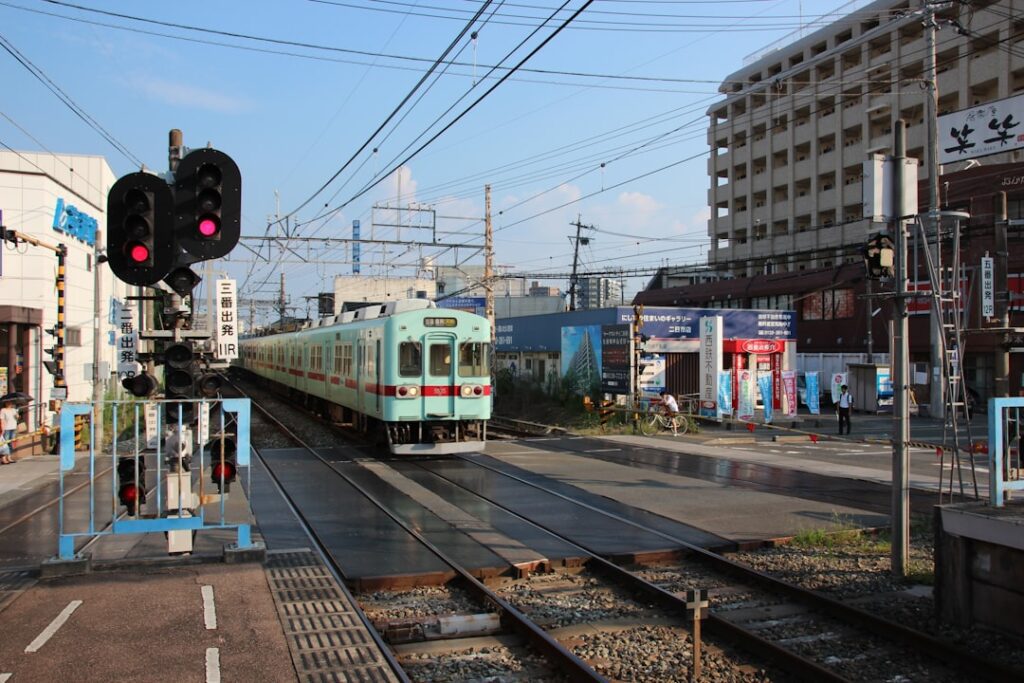
Kyushu, Japan’s Stunning Onsen, Ramen & Volcanic Landscapes (2026)
While crowds flock to Tokyo and Kyoto, Kyushu, Japan’s southernmost main island, delivers a more elemental, authentic experience without the dense tourist throngs. Here, you’ll find over 27,000 hot spring sources—more than anywhere else in Japan—steaming from the slopes of active volcanoes like Sakurajima, which puffs ash into the sky over 500 times a year. This is a land where history was forged through trade with Portugal and the Netherlands, and where the soul of Japanese cuisine simmers in a bowl of tonkotsu ramen. Here’s why savvy travelers choose differently.
Why Kyushu, Japan Stands Out

A group of people walking down a street next to tall buildings, Kyushu, Japan
- Historic Architecture: Kumamoto Castle, first built in 1607, is a masterpiece of feudal fortification with unique curved stone walls called *musha-gaeshi*, designed to repel samurai invaders.
- Cultural Scene: The Hakata Gion Yamakasa festival in Fukuoka each July features teams racing through the streets at dawn carrying elaborate, one-ton floats in a 700-year-old tradition.
- Local Specialties: You must try authentic Hakata-style tonkotsu ramen, characterized by its milky, pork-bone broth that simmers for days and thin, straight noodles.
Pro Tip: For the perfect blend of pleasant weather and vibrant nature, target late October to early November. You’ll avoid the summer humidity and typhoon season, catch the stunning autumn colors in the highlands of Takachiho, and experience fewer crowds than the spring cherry blossom period.
Map of Kyushu, Japan
Use these interactive maps to explore Kyushu, Japan and plan your route:
📍 View Kyushu, Japan on OpenStreetMap
🗺️ Open Kyushu, Japan in Google Maps
Planning Your Trip: Practical Essentials
Getting There and Around
- By Air: Fukuoka Airport (FUK) is the main international gateway, with direct flights from major Asian hubs. Nagasaki and Kagoshima also receive some international flights. Book flights at Skyscanner for best deals.
- By Train: The Kyushu Shinkansen connects Fukuoka (Hakata Station) to Kagoshima in about 1 hour 20 minutes. The JR Kyushu Rail Pass is excellent value for extensive travel. Reserve tickets at Trainline or the national railway website.
- By Car: Renting a car is ideal for exploring rural areas like the volcanic Aso region or the Kunisaki Peninsula. An International Driving Permit is required. Compare car rentals at RentalCars.com.
- Local Transport: Cities have efficient subway and bus networks. For cross-region travel, highway buses are a cost-effective alternative to trains. Check official city transport websites for passes and schedules.
Best Time to Visit
Kyushu’s climate is generally mild but varies from subtropical in the south to more temperate in the north. The shoulder seasons offer the most comfortable conditions for exploration.
| Season | Weather | Highlights |
|---|---|---|
| Summer (Jun–Aug) | Hot & humid, 25-32°C (77-90°F); rainy season in June/July, typhoon risk Aug-Sept. | Vibrant festivals like Hakata Gion Yamakasa; lush green landscapes; beach trips. Crowds are moderate. |
| Winter (Dec–Feb) | Cool & dry, 5-12°C (41-54°F); little snow except in mountainous interiors. | Perfect for soaking in outdoor onsens with snowy views; illuminations; fewer tourists. A great value season. |
| Shoulder (Apr–May/Sep–Oct) | Mild & pleasant, 15-25°C (59-77°F); low rainfall. | Spring cherry blossoms (late Mar-early Apr) and autumn foliage (late Oct-Nov); ideal hiking weather; minimal crowds. |
Budgeting for Kyushu, Japan

A view of a mountain range with a cloud of smoke coming out of the top, Kyushu, Japan
| Category | Budget | Mid-range | Luxury |
|---|---|---|---|
| Accommodation | ¥3,000-6,000/night (hostels, capsule hotels, business hotels) | ¥10,000-20,000/night (3-4 star hotels, nice ryokans) | ¥30,000+/night (luxury ryokans with kaiseki, 5-star hotels) |
| Meals | ¥2,000-3,000/day (convenience store meals, street food, ramen shops) | ¥5,000-8,000/day (sit-down restaurant lunches & dinners) | ¥15,000+/day (multi-course kaiseki, high-end sushi) |
| Transport | ¥2,000/day (local buses, city passes) | ¥4,000-6,000/day (regional trains, occasional taxi) | ¥10,000+/day (private car hire, Green Car Shinkansen seats) |
| Activities | ¥1,000-2,000/day (temple visits, free gardens, hiking) | ¥3,000-5,000/day (castle entries, museum tickets, guided tours) | ¥8,000+/day (private guides, special cultural workshops) |
| Daily Total | ¥8,000-12,000 (~$50-80) | ¥22,000-39,000 (~$140-260) | ¥63,000+ (~$420+) |
Top Attractions and Must-See Sights
| Attraction | Description | Hours | Entry Fee |
|---|---|---|---|
| Mount Aso Caldera | One of the world’s largest active volcanic calderas, where you can peer into the steaming Nakadake crater (access dependent on volcanic activity). | Varies by zone; generally 8:30 AM – 5:30 PM | ¥1,200 for museum & bus to crater viewpoint |
| Nagasaki Peace Park & Atomic Bomb Museum | A profoundly moving memorial to the 1945 atomic bombing, offering essential historical perspective and a message of peace. | Museum: 8:30 AM – 6:30 PM (last entry 6:00 PM) | Museum: ¥200 |
| Shimabara Peninsula & Unzen Hell | A geothermal wonderland of bubbling mud pools and steaming vents in Unzen-Amakusa National Park, with a rich Christian history. | Hell areas: 8:00 AM – 5:00 PM | ¥600-800 for various “Jigoku” (Hell) areas |
| Yufuin Floral Village | A charming, whimsical hillside town in Oita, famous for its art museums, boutique shops, and stunning views of Mount Yufu. | Shops generally 9:00 AM – 5:00 PM | Free to explore; individual attractions have fees |
3-Day Itinerary: Kyushu, Japan’s Highlights & Hidden Gems
Day 1: Fukuoka’s Flavors & History
- Morning (7-9 AM): Stroll through the serene Ohori Park, modeled after West Lake in Hangzhou, China. Your best bet is to watch locals practice tai chi by the water.
- Afternoon (12-3 PM): Explore the ruins of Fukuoka Castle in Maizuru Park, then head to the Hakata Old Town for lunch at **Ramen Stadium** in Canal City mall, trying the legendary tonkotsu at **Ichiran** or **Shin Shin** (bowl: ¥900).
- Evening (6-8 PM): Experience the vibrant energy of a *yatai* (street food stall) along the Nakagawa river. Try motsunabe (offal hotpot) and chat with locals before a relaxed drink in the Daimyo district.
Day 2: Volcanic Majesty in Aso
- Morning (8 AM): Take the early Shinkansen from Hakata to Kumamoto (35 mins, ¥5,000), then a train to Aso (90 mins). Rent a car or take a bus to the **Mount Aso Volcano Museum** and the crater viewpoint (Bus: ¥1,300 round-trip). Check the live webcam before you go, as the crater zone closes during high gas emissions.
- Afternoon (1 PM): Enjoy a hearty lunch of *basashi* (horse sashimi), a Kumamoto specialty, at a local restaurant like **Aso No Chaya**. Then, drive to the vast **Aso Nishi Pasture** for stunning views and fresh dairy ice cream.
- Evening (6 PM): Check into a traditional *ryokan* in Kurokawa Onsen town. Savvy visitors know to purchase the ¥1,300 *tegata* (wooden pass) for access to three different outdoor rotemburo baths scattered through the village.
Day 3: Art & Onsens in Oita
- Morning (9 AM): After a ryokan breakfast, drive or take a bus to **Yufuin** (90 mins from Aso). Wander the picturesque Lake Kinrin, where hot spring water mixes with the lake, creating a misty effect in the morning.
- Afternoon (12 PM): Explore the art galleries and boutique shops along Yunotsubo Kaido. For lunch, stop at **B-Speak** for their famous Swiss roll cake or a savory meal at a café like **Log House**.
- Evening (5 PM): Head to **Beppu**, the iconic “Hell Town.” Skip the touristy Hell (*Jigoku*) tours and instead visit the more authentic **Takegawara Public Bath** (¥150), a historic wooden bathhouse, or splurge on a sand bath at **Suginoi Palace** (¥1,500). Conclude with a seafood dinner at the **Beppu Kannawa Market**.
Cultural Insights & Etiquette
- Language: Basic phrases like *Arigatou gozaimasu* (Thank you) and *Sumimasen* (Excuse me) are appreciated. English signage is common in cities but less so in rural areas.
- Customs: Always remove your shoes when entering a home, ryokan, or some traditional restaurants. Be quiet and respectful in onsens—no towels in the bath, and wash thoroughly at the shower stations before entering.
- Tipping: Tipping is not customary in Japan and can cause confusion. Excellent service is standard.
- Dress Code: Modest dress is wise for temple visits. For onsens, small towels are provided; tattoos may be prohibited at public baths, so check policies or use private baths.
- Business Hours: Major stores open 10 AM-8 PM. Many museums close on Mondays. Banks and post offices operate 9 AM-3 PM on weekdays.
Where to Eat: Kyushu, Japan’s Best Bites
Kyushu’s cuisine is robust and regionally diverse, heavily featuring pork, fresh seafood, and rich broths. Dining ranges from standing noodle bars to multi-course *kaiseki* meals at ryokans.
Must-Try Local Specialties
- Tonkotsu Ramen: The soul of Fukuoka. The broth is a creamy, pork-bone masterpiece. For the classic experience, join the queue at **Ichiran** (multiple locations) for a solo-booth experience, or try **Ramen Kurume Taiho** in Kurume, said to be the birthplace of the style.
- Mentaiko: Spicy cod roe, a Hakata invention. Try it on its own, mixed with pasta, or as a filling for onigiri. **Fukuyoshi** in Fukuoka’s Nagahama district is a famous producer with a small shop.
- Chicken Nanban: A Miyazaki specialty of fried chicken dressed with sweet vinegar and topped with tartar sauce. The best versions are found at dedicated *teishoku* restaurants in Miyazaki City, like **Ogura Honten**.
Restaurant Recommendations by Budget
| Type | Restaurant | Specialty | Price Range |
|---|---|---|---|
| Budget | Yatai Stalls (Nakagawa, Fukuoka) | Ramen, oden, yakitori – authentic street food atmosphere | ¥500-1,500 per dish |
| Mid-range | Ganso Hakata Mentaiju (Fukuoka) | Creative and traditional mentaiko dishes in a modern setting | ¥2,000-4,000 per person |
| Fine dining | Ryokan Hanajyukai (Kurokawa Onsen) | Exquisite multi-course *kaiseki* dinner featuring local river fish and mountain vegetables, included with stay | ¥30,000+ per night with meals |
Where to Stay
Accommodation in Kyushu ranges from efficient city hotels to idyllic hot spring inns. For a truly memorable experience, spending at least one night in a *ryokan* (traditional inn) with included dinner and breakfast is highly recommended. Compare prices and book at Booking.com or Airbnb for apartments.
Best Neighborhoods for Accommodation
- Tenjin, Fukuoka: The bustling commercial heart, packed with department stores, underground malls, bars, and restaurants. Perfect for shoppers and foodies who want to be in the center of the action. Excellent transport links.
- Kurokawa Onsen, Kumamoto: A picturesque, secluded hot spring village nestled in the mountains. Ideal for travelers seeking a serene, traditional Japanese experience with outdoor mixed-gender and single-gender baths. Suits couples and relaxation-seekers.
- Beppu Onsen, Oita: A larger, more bustling hot spring resort city with a huge variety of baths (sand, steam, mud) and budget-friendly options. Great for families and those wanting to sample different onsen types with convenient amenities nearby.

A blue lake surrounded by lush green trees, Kyushu, Japan
FAQs: Your Kyushu, Japan Questions Answered
1. Is Kyushu, Japan safe at night?
Extremely safe. Japan has one of the lowest crime rates in the world. Cities like Fukuoka are vibrant and walkable at night. Standard precautions like being aware of your surroundings apply, but violent crime against tourists is exceedingly rare.
2. What currency is used and are credit cards accepted?
The currency is the Japanese Yen (¥). Credit cards are widely accepted in hotels, department stores, and larger restaurants in cities. However, you should always carry cash—many smaller restaurants, ryokans, market stalls, and rural establishments are cash-only. ATMs at 7-Ele
Explore More Destinations
- Jozani, Tanzania on a Budget: an Ancient Forest for $35/Day (2026)
- Nsumbu, Zambia on a Budget: Wild Africa for $40/Day (2026)
- Semporna, Malaysia on a Budget: Paradise for $35/Day (2026)
- Khuzestan, Iran on a Budget: Ancient Empires for $30/Day (2026)
- Ngerulmud, Palau on a Budget: Island Majesty for $45/Day (2026)
Ready to Visit Kyushu?
Start planning your trip today. Compare hotels, find the best tours, and get insider tips.
Your adventure in Kyushu starts here →
Related Guides
Explore more destinations similar to Kyushu:
- How to See Cochem (Germany): Hidden Places Most People Miss
- Koh Hong, Thailand’s Ultimate Lagoons, Limestone & Untouched Beaches (2026)
- Burj Khalifa, UAE’s Best Sky-High Views, Architectural Marvels & Urban Oasis (2026)
- Bohinj, Slovenia’s Hidden Alpine Lakes, Hiking Trails & Authentic Charm (2026)
{“@context”: “https://schema.org”, “@type”: “FAQPage”, “mainEntity”: [{“@type”: “Question”, “name”: “What is the best time to visit Kyushu?”, “acceptedAnswer”: {“@type”: “Answer”, “text”: “The best time to visit Kyushu depends on your preferences. Generally, the dry season offers the most pleasant weather for sightseeing and outdoor activities.”}}, {“@type”: “Question”, “name”: “How many days do I need in Kyushu?”, “acceptedAnswer”: {“@type”: “Answer”, “text”: “Most travelers spend 3-5 days in Kyushu to see the main attractions. A week allows for a more relaxed pace and day trips.”}}, {“@type”: “Question”, “name”: “Is Kyushu expensive to visit?”, “acceptedAnswer”: {“@type”: “Answer”, “text”: “Kyushu can be visited on various budgets. Accommodation ranges from hostels to luxury hotels, and local restaurants offer affordable dining.”}}]}

