
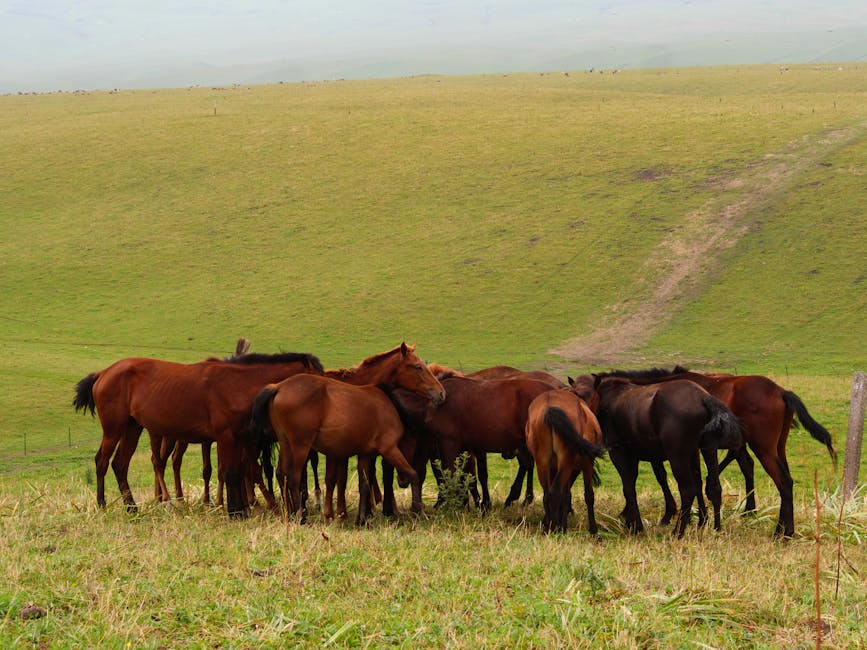
Xinjiang Province, China: Epic Silk Road Grandeur, Alpine Lakes & Uyghur Flavors (2026)
Sunset over the Taklamakan Desert paints the sky in hues of fire, while the scent of cumin and roasting lamb drifts from a Kashgar night market. This isn’t just a landscape; it’s a crossroads of worlds. Covering one-sixth of China’s total landmass, Xinjiang is a vast autonomous region where the ancient Silk Road caravans once tread, connecting Han Chinese, Uyghur, Kazakh, and Kyrgyz cultures. Here, you can stand before the second-highest peak on Earth, K2, wander a 600-year-old bazaar, and sleep under a blanket of stars in the otherworldly landscapes that feel more Central Asian than East Asian.
Why Xinjiang Province, China Stands Out

Golden sand dunes create abstract patterns in Xinjiang desert, China., Xinjiang Province, China
- Historic Architecture: The 15th-century Id Kah Mosque in Kashgar, with its yellow-tiled facade and vast courtyard, stands as the heart of Uyghur Islamic culture and can host up to 20,000 worshippers.
- Cultural Scene: The Sunday livestock market in Kashgar is a spectacle of commerce and tradition, where traders from remote mountain valleys barter for thousands of sheep, horses, and camels as they have for centuries.
- Local Specialties: You must try a proper Dapanji, or “Big Plate Chicken,” a hearty stew of free-range chicken, potatoes, bell peppers, and hand-pulled noodles, all simmered in a fragrant, spicy sauce.
Pro Tip: Your best bet for ideal weather and manageable crowds is during the shoulder seasons: late April to early June, and September to early October. Avoid the week-long National Day holiday in early October, when domestic tourism peaks and prices soar. For the most authentic market experience in Kashgar, go on a Sunday morning before 11 AM.
Map of Xinjiang Province, China
Use these interactive maps to explore Xinjiang Province, China and plan your route:
📍 View Xinjiang Province, China on OpenStreetMap
🗺️ Open Xinjiang Province, China in Google Maps
Planning Your Trip: Practical Essentials
Getting There and Around
- By Air: Ürümqi Diwopu International Airport (URC) is the main hub, with direct flights from Beijing, Shanghai, and Chengdu on China Southern and Air China. For southern Xinjiang, fly into Kashgar Airport (KHG). Book flights at Skyscanner for best deals.
- By Train: The high-speed rail now connects Ürümqi to major eastern cities. The classic 36-hour journey from Beijing offers a slow reveal of China’s changing landscapes. For the southern Silk Road route, trains from Ürümqi to Kashgar take about 16-20 hours. Reserve tickets at Trainline or the national railway website.
- By Car: Renting a car with a driver is highly recommended for long distances and remote areas like the Karakoram Highway. Self-driving is possible but requires a Chinese license and careful planning for vast, empty stretches. Compare car rentals at RentalCars.com.
- Local Transport: Within cities, taxis and ride-hailing apps like Didi are affordable. Long-distance shared vans and buses connect towns but schedules can be informal. For the most flexibility on the classic routes, savvy travelers often book a private car and driver for multi-day trips.
Best Time to Visit
Xinjiang’s climate is extreme continental—bitterly cold winters and scorching, dry summers. The timing of your visit dramatically shapes the experience, from alpine meadows in bloom to golden desert autumns.
| Season | Weather | Highlights |
|---|---|---|
| Summer (Jun–Aug) | Hot and dry (20-35°C/68-95°F) in lowlands; cool in mountains. | Ideal for hiking in Heavenly Lake (Tian Chi) and the Kanas Lake region; bustling night markets; peak domestic tourism. |
| Winter (Dec–Feb) | Very cold, especially north (-10 to -20°C/14 to -4°F); some snow. | Serene, crowd-free landscapes; frozen lakes; unique winter photography; lower prices, but some remote areas are inaccessible. |
| Shoulder (Apr–May/Sep–Oct) | Mild and pleasant (10-25°C/50-77°F); most stable conditions. | Best overall experience: comfortable for city and desert exploration; autumn foliage at Kanas is spectacular; ideal for the Karakoram Highway. |
Budgeting for Xinjiang Province, China

A scenic view of a wooden cabin with a mountainous backdrop in Xinjiang, China., Xinjiang Province, China
| Category | Budget | Mid-range | Luxury |
|---|---|---|---|
| Accommodation | Hostel/guesthouse: 80-150 CNY/night | 3-4 star hotel: 300-600 CNY/night | 5-star/luxury lodge: 800-2000+ CNY/night |
| Meals | Street food/noodle shops: 20-40 CNY/meal | Local restaurant sit-down: 50-100 CNY/meal | Fine dining/hotel restaurants: 150+ CNY/meal |
| Transport | Public bus/train: 50-200 CNY/day | Taxi/private car day trips: 400-800 CNY/day | Private driver+vehicle multi-day: 1000+ CNY/day |
| Activities | Free markets, city wandering | Paid attractions, lake entry fees (~150 CNY) | Guided hiking/photo tours, premium experiences |
| Daily Total | 250-400 CNY | 800-1500 CNY | 2000+ CNY |
Top Attractions and Must-See Sights
| Attraction | Description | Hours | Entry Fee |
|---|---|---|---|
| Kashgar Old City | A living maze of ochre-colored mud-brick houses, workshops, and alleys that has been the soul of the Silk Road for centuries. | Open 24/7, best light in morning/evening | Free to wander; some small museums charge ~30 CNY |
| Kanas Lake | A stunning alpine lake in the Altai Mountains famed for its turquoise “color-changing” waters and legendary lake monster tales. | Park: 8:30 AM-7:30 PM | Peak Season (May-Oct): 230 CNY (incl. park shuttle) |
| Heavenly Lake (Tian Chi) | A pristine, glacier-fed lake nestled below the snow-capped Bogda Peak, just 110km from Ürümqi. | 8:00 AM-7:00 PM (varies by season) | Apr-Oct: 155 CNY (incl. shuttle); Nov-Mar: 105 CNY |
| Jiaohe Ruins | An incredibly well-preserved 2,000-year-old city built on a lofty plateau, once a capital of the Tocharian kingdom. | 9:30 AM-7:00 PM (summer) | 70 CNY |
3-Day Itinerary: Xinjiang Province, China’s Highlights & Hidden Gems
Day 1: The Heart of the Old Silk Road in Kashgar
- Morning (7-9 AM): Get to the Id Kah Mosque as it opens to see the tranquil courtyard before the day’s crowds. Then, lose yourself in the maze of the Kashgar Old City, peeking into artisan workshops where families have crafted copperware and musical instruments for generations.
- Afternoon (12-3 PM): Feast on hand-pulled Laghman noodles at **Anjar Restaurant** (解放北路店) near the mosque. Afterwards, visit the Abakh Khoja Tomb (Fragrant Concubine’s Tomb), a stunning example of Islamic architecture with brilliant blue tiles.
- Evening (6-8 PM): Dive into the sensory overload of the **Kashgar Night Market** on Chai Bazaar Road. Don’t miss the lamb kebabs (Yang Rou Chuan), samsas (baked meat pies), and a cup of pomegranate juice. The energy here is unforgettable.
Day 2: From Bazaar to Mountain Vista
- Morning (7 AM): Take a taxi (about 30 CNY) to the legendary **Kashgar Sunday Livestock Market**. This is not a tourist show; it’s a genuine, dusty, and fascinating hub of commerce. Watch deals being sealed with a handshake. Go early for the most activity.
- Afternoon (1 PM): For lunch, head to **Qiongkuyitage Restaurant** for an authentic Dapanji. In the afternoon, drive about 45 minutes to **Opal Village**, a traditional Uyghur community where you can see old-style homes and the stunning backdrop of the Pamir Mountains.
- Evening (7 PM): Enjoy a quieter dinner at **Pamir Restaurant**, known for its hearty stews and warm atmosphere, reflecting the Tajik influences of the region.
Day 3: The Karakoram Highway & Karakul Lake
- Morning (8 AM): Hire a car and driver for the day (approx. 800-1000 CNY) for the stunning drive on the **Karakoram Highway** towards Pakistan. The road itself, skirting the mighty Pamirs, is the attraction.
- Afternoon (12 PM): Stop at the breathtaking **Karaku Lake**, with the 7,546m Muztagh Ata (“Father of Ice Mountains”) reflected in its waters. You can have a simple lunch at a Kyrgyz yurt camp by the lake (approx. 50 CNY).
- Evening (6 PM): Return to Kashgar for a final farewell dinner. Try **Dilixiati Restaurant** for its excellent polo (pilaf) and grilled fish, a perfect end to your Xinjiang journey.
Cultural Insights & Etiquette
- Language: Mandarin is official, but Uyghur (a Turkic language) is widely spoken. Learn a few phrases: “Yakshimusiz?” (Hello in Uyghur), “Rahmat” (Thank you). In tourist areas, basic English may be understood.
- Customs: Xinjiang is predominantly Muslim. Always ask permission before photographing people, especially women. When visiting mosques, dress modestly and remove shoes if entering prayer halls.
- Tipping: Not customary or expected in China. In high-end hotels or for exceptional private driver/guide service, a small tip may be appreciated but is not obligatory.
- Dress Code: Modesty is key, especially in southern Xinjiang (Kashgar, Hotan). Cover shoulders and knees. For desert/mountain areas, pack layers—temperatures swing dramatically between day and night.
- Business Hours: Shops and bazaars generally open 10 AM-8 PM (later in summer). Government offices and banks follow standard Chinese hours (9 AM-5 PM). Many restaurants close between 3-5 PM. Be mindful of prayer times, especially on Fridays.
Where to Eat: Xinjiang Province, China’s Best Bites
Xinjiang cuisine is a highlight, centered around wheat, lamb, and bold spices like cumin and red chili. It’s hearty, flavorful, and best enjoyed communally. Don’t look for pork on menus; lamb is the star. Meals are often accompanied by naan bread and strong black tea.
Must-Try Local Specialties
- Dapanji (Big Plate Chicken): The ultimate comfort food. The secret is in the slow simmering of local chicken with potatoes and wide belts of chewy noodles. Try it at **Xinjiang Dapanji** chains in Ürümqi or local favorites in Kashgar.
- Kebabs (Yang Rou Chuan): Skewers of marinated lamb grilled over charcoal and liberally seasoned with cumin, chili, and salt. The night market stalls are the best and cheapest (3-5 CNY per skewer).
- Polo (Uyghur Pilaf): Fragrant rice cooked with carrots, onions, raisins, and tender lamb. It’s a celebratory dish. For an authentic version, seek out small Uyghur-run restaurants where you’ll see a giant cauldron (kazan) simmering near the entrance.
Restaurant Recommendations by Budget
| Type | Restaurant | Specialty | Price Range |
|---|---|---|---|
| Budget | Kashgar Night Market Stalls (Chai Bazaar Rd) | Lamb kebabs, samsas, noodles | 10-30 CNY per item |
| Mid-range | Anjar Restaurant (Multiple locations, Kashgar) | Hand-pulled Laghman, dumplings | 30-60 CNY per person |
| Fine dining | Emin Restaurant (Ürümqi) | Upscale Uyghur cuisine in elegant setting | 150-300 CNY per person |
Where to Stay
Accommodation ranges from basic guesthouses to international chains in Ürümqi. In Kashgar, traditional courtyard hotels in the old city offer immense character. For nature areas like Kanas, options include tourist hotels or basic local inns. Compare prices and book at Booking.com or Airbnb for apartments.
Best Neighborhoods for Accommodation
- Kashgar Old City & Around: Immersive and full of character, with traditional courtyard hotels. Perfect for photographers and culture seekers, though amenities can be basic. It’s the heart of the action.
- Ürümqi City Center (Around Hongshan): Convenient, modern, and well-connected, with a range of international hotels and easy access to transport. Ideal for first-time visitors and those using Ürümqi as a travel hub.
- Kanas Lake Scenic Area: Stay in Jiadengyu Village, the main tourist base inside the park. Offers easy access to the lake and hiking trails, but books up fast in peak season and prices are higher.
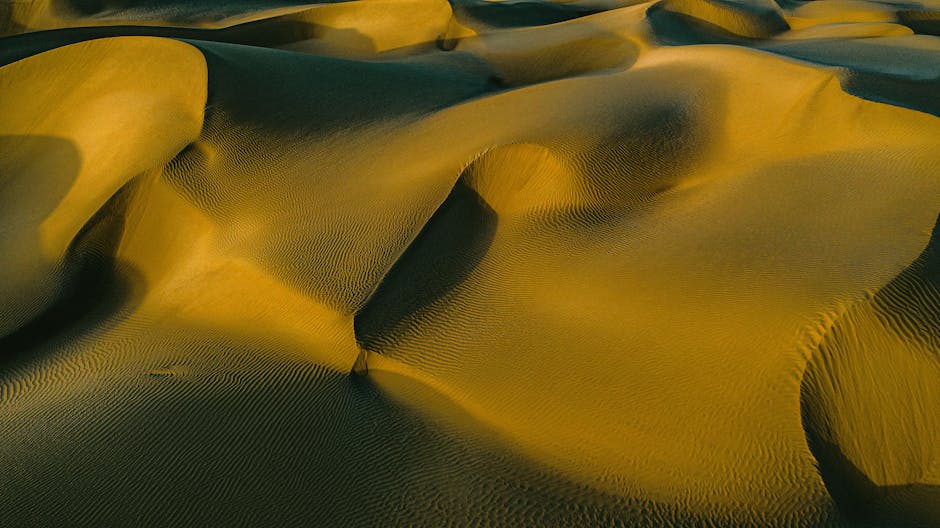
Captivating aerial view of golden sand dunes in the Xinjiang desert, Xinjiang Province, China
FAQs: Your Xinjiang Province, China Questions Answered
1. Is Xinjiang Province, China safe at night?
Major cities like Ürümqi and tourist areas in Kashgar are generally safe for travelers at night. As always, exercise standard precautions: stick to well-lit areas, be aware of your belongings in crowded markets, and avoid isolated alleys. Petty crime is rare but not impossible. Locals are typically hospitable and helpful.
2. What currency is used and are credit cards accepted?
The currency is the Chinese Yuan (CNY/RMB). Cash is still king, especially in markets, small restaurants, and for transportation in southern Xinjiang. Major hotels and some upscale restaurants in Ürümqi will accept international credit cards (Visa/Mastercard), but always carry
Explore More Destinations
- Jozani, Tanzania on a Budget: an Ancient Forest for $35/Day (2026)
- Nsumbu, Zambia on a Budget: Wild Africa for $40/Day (2026)
- Semporna, Malaysia on a Budget: Paradise for $35/Day (2026)
- Khuzestan, Iran on a Budget: Ancient Empires for $30/Day (2026)
- Ngerulmud, Palau on a Budget: Island Majesty for $45/Day (2026)
Ready to Visit Xinjiang Province?
Start planning your trip today. Compare hotels, find the best tours, and get insider tips.
Your adventure in Xinjiang Province starts here →
Related Guides
Explore more destinations similar to Xinjiang Province:
- Big Bend National Park, USA: Hidden Stargazing, Solitude & Southwestern Grandeur (2026)
- Cannes’s Epic Glamour, Film & Mediterranean Magic (2025)
- Bafoussam, Cameroon’s Best Highlands, Culture & Coffee Traditions (2025)
- Kaspi, Georgia: Ultimate Ancient Fortresses, Rustic Vineyards & The Heart of Kartli (2026)
{“@context”: “https://schema.org”, “@type”: “FAQPage”, “mainEntity”: [{“@type”: “Question”, “name”: “What is the best time to visit Xinjiang Province?”, “acceptedAnswer”: {“@type”: “Answer”, “text”: “The best time to visit Xinjiang Province depends on your preferences. Generally, the dry season offers the most pleasant weather for sightseeing and outdoor activities.”}}, {“@type”: “Question”, “name”: “How many days do I need in Xinjiang Province?”, “acceptedAnswer”: {“@type”: “Answer”, “text”: “Most travelers spend 3-5 days in Xinjiang Province to see the main attractions. A week allows for a more relaxed pace and day trips.”}}, {“@type”: “Question”, “name”: “Is Xinjiang Province expensive to visit?”, “acceptedAnswer”: {“@type”: “Answer”, “text”: “Xinjiang Province can be visited on various budgets. Accommodation ranges from hostels to luxury hotels, and local restaurants offer affordable dining.”}}]}

