
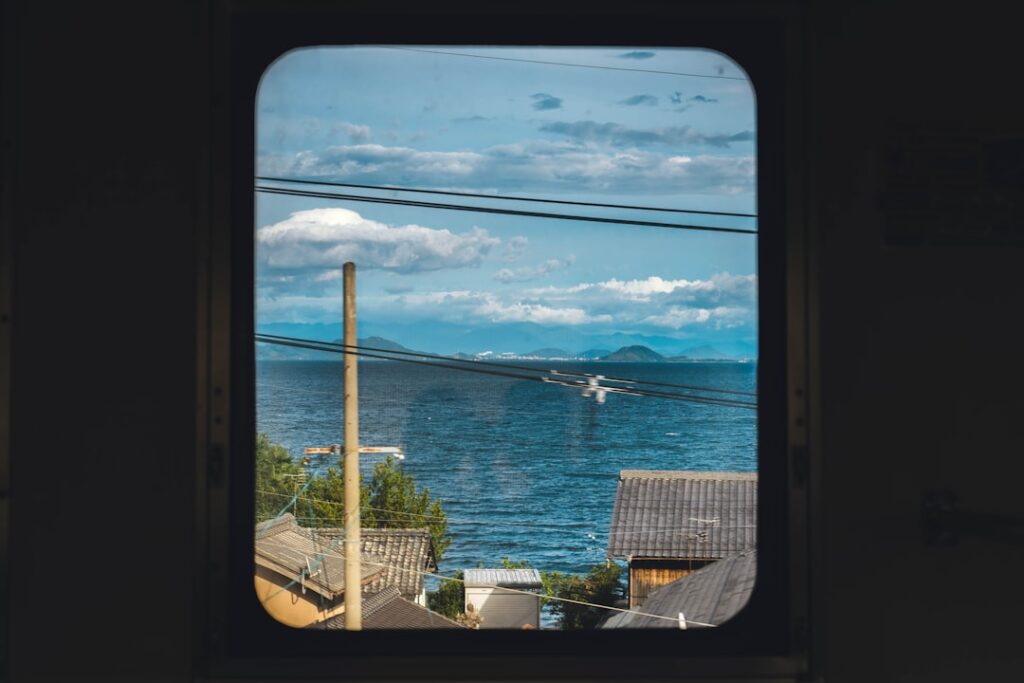
Lake Biwa, Japan: Ultimate Ancient Shrines, Freshwater Feasts & Lakeside Serenity (2026)
While crowds flock to Kyoto’s temples, just 10 minutes by Shinkansen lies Japan’s largest, oldest lake, holding 20% of the nation’s freshwater. Dawn on Lake Biwa reveals a misty tableau of fishermen in traditional *ebisu* boats casting nets, a practice unchanged for centuries. The air smells of wet reeds and charcoal grills. This is the soul of Shiga Prefecture, a living cultural landscape where history isn’t preserved behind glass but floats on the water.
Why Lake Biwa, Japan Stands Out

A tori tori floating in the middle of a body of water, Lake Biwa, Japan
- Historic Architecture: Hikone Castle, completed in 1622, is one of only twelve original castles in Japan, offering an authentic, un-reconstructed glimpse into the Edo period.
- Cultural Scene: The Nagahama Hikiyama Festival every April features extravagant 16th-century kabuki performances by boys on towering, ornate floats.
- Local Specialties: You must try *funazushi*, a pungent fermented carp sushi that is the progenitor of all sushi, with a history dating back over a thousand years.
Pro Tip: Visit in late April to early May. You’ll avoid the peak Golden Week crowds by focusing on the lake’s western shore, and the weather is perfect for cycling the Biwako Parkway. For the best sunset views without the tour buses, head to the quiet northern town of Takashima.
Map of Lake Biwa, Japan
Use these interactive maps to explore Lake Biwa, Japan and plan your route:
📍 View Lake Biwa, Japan on OpenStreetMap
🗺️ Open Lake Biwa, Japan in Google Maps
Planning Your Trip: Practical Essentials
Getting There and Around
- By Air: Kansai International Airport (KIX) is the main gateway. From there, take a direct Haruka limited express train to Kyoto Station (75 mins), then transfer to a local train to Otsu (10 mins). Book flights at Skyscanner for best deals.
- By Train: The Tokaido Shinkansen stops at Maibara Station on the lake’s east side. From Kyoto, the JR Biwako Line runs frequently along the western shore. A 3-day Kansai Area Pass can offer good value for wider exploration. Reserve tickets at Trainline or the national railway website.
- By Car: Renting a car offers the most flexibility for exploring remote northern villages and the scenic Biwako Skyline drive. Major rental agencies are at Kyoto Station. Note: driving in Japan requires an International Driving Permit. Compare car rentals at RentalCars.com.
- Local Transport: Buses connect coastal towns, but services can be infrequent. The most rewarding way to explore is by bicycle; rental shops are abundant in Otsu and Hikone (approx. ¥1,000/day). The “Biwako Ichiritto” one-day bus pass (¥2,500) is useful for focused sightseeing.
Best Time to Visit
The shoulder seasons offer the ideal balance of pleasant weather, vibrant nature, and local festivals. Summers are hot and humid but perfect for lakeside activities, while winters are cold and quiet, with occasional snow dusting the castle towns.
| Season | Weather | Highlights |
|---|---|---|
| Summer (Jun–Aug) | Hot & humid, 25-33°C (77-91°F), occasional rain | Swimming, fireworks festivals (Otsu in August), lush greenery. Crowds are moderate. |
| Winter (Dec–Feb) | Cold, 0-8°C (32-46°F), dry with possible snow | Stark, beautiful landscapes, hot springs (*onsen*), and having historic sites nearly to yourself. |
| Shoulder (Apr–May/Sep–Oct) | Mild, 15-25°C (59-77°F), low rainfall | Cherry blossoms (early Apr) or autumn colors (Nov), perfect cycling weather, major festivals. |
Budgeting for Lake Biwa, Japan

A man standing next to a tree near a body of water, Lake Biwa, Japan
| Category | Budget | Mid-range | Luxury |
|---|---|---|---|
| Accommodation | ¥4,000-7,000 (hostel/capsule) | ¥10,000-18,000 (business hotel/ryokan) | ¥30,000+ (luxury lakeside ryokan) |
| Meals | ¥2,500 (convenience store/ramen) | ¥5,000 (local restaurant set meals) | ¥10,000+ (kaiseki dinner) |
| Transport | ¥1,500 (local bus/bike rental) | ¥4,000 (train day pass/taxis) | ¥10,000 (private car hire) |
| Activities | ¥1,000 (temple grounds/hiking) | ¥3,000 (castle entry/boat rental) | ¥8,000 (private guided tour) |
| Daily Total | ¥9,000-12,000 | ¥22,000-30,000 | ¥58,000+ |
Top Attractions and Must-See Sights
| Attraction | Description | Hours | Entry Fee |
|---|---|---|---|
| Hikone Castle | An original 17th-century castle with a stunning keep, beautiful Genkyuen Garden, and views over the lake. | 8:30 AM – 5:00 PM | ¥800 (castle & garden) |
| Mii-dera Temple | One of Japan’s four largest temples, founded in 672 AD, with a serene complex of halls and a famous bell. | 8:00 AM – 5:00 PM | ¥600 |
| Chikubu Island | A sacred island in the northern lake, home to Tsukubusuma Shrine and Hogon-ji Temple, accessible by ferry. | Ferries 9AM-3PM (varies) | ¥2,900 (round-trip ferry) |
| Lake Biwa Museum | An exceptional museum exploring the lake’s unique ecosystem, history, and culture with impressive aquariums. | 9:30 AM – 5:00 PM (Closed Mon) | ¥750 |
3-Day Itinerary: Lake Biwa, Japan’s Highlights & Hidden Gems
Day 1: Castles & Garden Serenity
- Morning (7-9 AM): Arrive at Hikone Station. Walk to Hikone Castle grounds as they open to enjoy the stone walls and keep in the soft morning light. Climb to the top floor for a panoramic view.
- Afternoon (12-3 PM): Explore the adjacent Genkyuen Garden, a strolling garden built for the lord. For lunch, head to **Yamashina** near the castle for superb *unagi* (eel) over rice (set meal ~¥2,500).
- Evening (6-8 PM): Take a local train to Otsu (20 mins). Stroll along the Otsu Port area and have dinner at **Biwako Hotel’s Restaurant**, trying their local *ayu* (sweetfish) dishes.
Day 2: Sacred Islands & Temple Trails
- Morning (8 AM): From Nagahama Port, take the 9:00 AM ferry to Chikubu Island (¥2,900 round trip). Explore the intertwined Shinto and Buddhist sites on this car-free island in about 2 hours.
- Afternoon (1 PM): Return to Nagahama. Visit **Kurokabe Square**, a district of glassblowing studios in old merchant warehouses. Lunch at **Nagahama Roman Beer Brewery** for craft beer and pizza.
- Evening (6 PM): Travel to the lakeside town of Omihachiman. Wander the preserved **Hachiman-bori** canal district, then enjoy a *kaiseki* dinner at a traditional inn like **Suimeiso**.
Day 3: Cycling & Culinary Deep Dive
- Morning (9 AM): Rent a bicycle in Otsu (¥1,000) and cycle south along the lakeside path to the historic **Mii-dera Temple**. Explore its expansive, quiet grounds.
- Afternoon (12 PM): Cycle back towards Otsu and have lunch at **Otsu Market**, grabbing fresh *sushi* or *soba*. Then, visit the **Lake Biwa Museum** to understand the lake’s ecological significance.
- Evening (5 PM): For the adventurous, seek out a local *izakaya* like **Kappo Takenaka** in Otsu to sample the legendary *funazushi* (fermented carp) with a local sake. A milder alternative is grilled *biwako shiranui* (smelt).
Cultural Insights & Etiquette
- Language: Basic phrases like “Sumimasen” (Excuse me) and “Arigatou gozaimasu” (Thank you) go a long way. In rural areas, English is limited; a translation app is handy.
- Customs: Always remove your shoes when entering a temple building, a ryokan, or a traditional restaurant. Slip-on shoes are highly recommended.
- Tipping: Tipping is not practiced in Japan and can cause confusion. Excellent service is standard and included.
- Dress Code: Modest dress is required for temple visits. For ryokan stays, a provided *yukata* (cotton robe) is worn indoors and to onsen.
- Business Hours: Museums often close on Mondays. Small shops may open around 10 AM and close by 6 PM. Major stations have stores open late.
Where to Eat: Lake Biwa, Japan’s Best Bites
Lake Biwa’s cuisine, or *Biwako ryori*, is defined by freshwater bounty. Dining ranges from humble lakeside stalls grilling fish to refined multi-course *kaiseki* meals featuring the lake’s harvest. Locals take immense pride in their unique ingredients.
Must-Try Local Specialties
- Funazushi: This acquired-taste delicacy is carp salted and fermented with rice for 1-3 years. It has a strong, cheesy aroma and a complex sour taste. Try a small piece at specialist shops like **Morita Funazushi** in Takashima.
- Ayu (Sweetfish): Grilled whole over charcoal with a touch of salt (*shioyaki*), this small fish is sweet, tender, and a summer staple. Found at any lakeside restaurant.
- Omi Beef: Ranked alongside Kobe and Matsusaka as Japan’s top wagyu, Omi beef is marbled, tender, and incredibly flavorful. Savvy visitors know it’s often better value here. Try it as a steak or in *sukiyaki* at **Steakhouse Iroha** in Hikone.
Restaurant Recommendations by Budget
| Type | Restaurant | Specialty | Price Range |
|---|---|---|---|
| Budget | **Biwako Ohashi Rakuichi** (Otsu) | Freshwater fish *donburi* (rice bowls) with a view of the bridge. | ¥800-1,500 |
| Mid-range | **Yamashina** (Hikone) | Exceptional *unagi* (eel) grilled over charcoal with a secret sauce. | ¥2,500-4,000 |
| Fine dining | **Ryokan Suimeiso** (Omihachiman) | Lakeside *kaiseki* dinners featuring seasonal Biwa ingredients, requiring advance reservation. | ¥15,000+ per person |
Where to Stay
Your base defines your Lake Biwa experience. Otsu offers convenience and city amenities, Hikone provides classic castle-town charm, and northern lakeside ryokan deliver total immersion in nature and tradition. Compare prices and book at Booking.com or Airbnb for apartments.
Best Neighborhoods for Accommodation
- Otsu: The transport hub, right on the lake with easy access to Kyoto. Best for first-time visitors and those using public transport. You’ll find business hotels and a few larger resorts.
- Hikone: The quintessential castle town experience. Stay in a local business hotel or a traditional ryokan here to be within walking distance of the main historical site and a charming old town atmosphere.
- Northern Lakeshore (Takashima/Imazu): For serenity and stunning nature. This area is dotted with family-run ryokan and *minshuku* (guesthouses) featuring lakeside onsens. Ideal for travelers with a rental car seeking relaxation.

A building sitting on top of a beach next to the ocean, Lake Biwa, Japan
FAQs: Your Lake Biwa, Japan Questions Answered
1. Is Lake Biwa, Japan safe at night?
Extremely safe. Japan has very low crime rates, and Lake Biwa’s towns are particularly peaceful. As always, exercise normal precautions, but walking alone at night is generally not a concern.
2. What currency is used and are credit cards accepted?
The currency is the Japanese Yen (¥). Credit cards are widely accepted in hotels, department stores, and larger restaurants. However, smaller family-run shops, temples for entry fees, and rural bus services often require cash. It’s wise to always carry some yen.
3. How do I get from the airport to the city center?
From Kansai Airport (KIX), the easiest route is the direct Haruka limited express train to Kyoto Station (75 mins, approx. ¥2,850). From Kyoto, local JR trains to Otsu take just 10 minutes. A more direct but expensive option is a highway bus from KIX to Otsu Station (approx. 2 hours, ¥3,500). Book airport transfers at GetYourGuide for convenience.
4. Do I need to speak the local language?
No, but it helps. In train stations and tourist centers, you’ll find some English signage and staff. In smaller towns and restaurants, English may be minimal. Learning a few basic phrases and using a translation app like Google Translate (especially the camera function for menus) will greatly enhance your experience.
5. What’s the appropriate dress code?
Smart-casual is fine for most situations. For temple visits, ensure shoulders and knees are covered. If planning to visit an onsen (hot spring), know that they are enjoyed nude and separated by
{“@context”: “https://schema.org”, “@type”: “FAQPage”, “mainEntity”: [{“@type”: “Question”, “name”: “What is the best time to visit Lake Biwa?”, “acceptedAnswer”: {“@type”: “Answer”, “text”: “The best time to visit Lake Biwa depends on your preferences. Generally, the dry season offers the most pleasant weather for sightseeing and outdoor activities.”}}, {“@type”: “Question”, “name”: “How many days do I need in Lake Biwa?”, “acceptedAnswer”: {“@type”: “Answer”, “text”: “Most travelers spend 3-5 days in Lake Biwa to see the main attractions. A week allows for a more relaxed pace and day trips.”}}, {“@type”: “Question”, “name”: “Is Lake Biwa expensive to visit?”, “acceptedAnswer”: {“@type”: “Answer”, “text”: “Lake Biwa can be visited on various budgets. Accommodation ranges from hostels to luxury hotels, and local restaurants offer affordable dining.”}}]}
Related Guides
Explore more destinations similar to Lake Biwa:

