
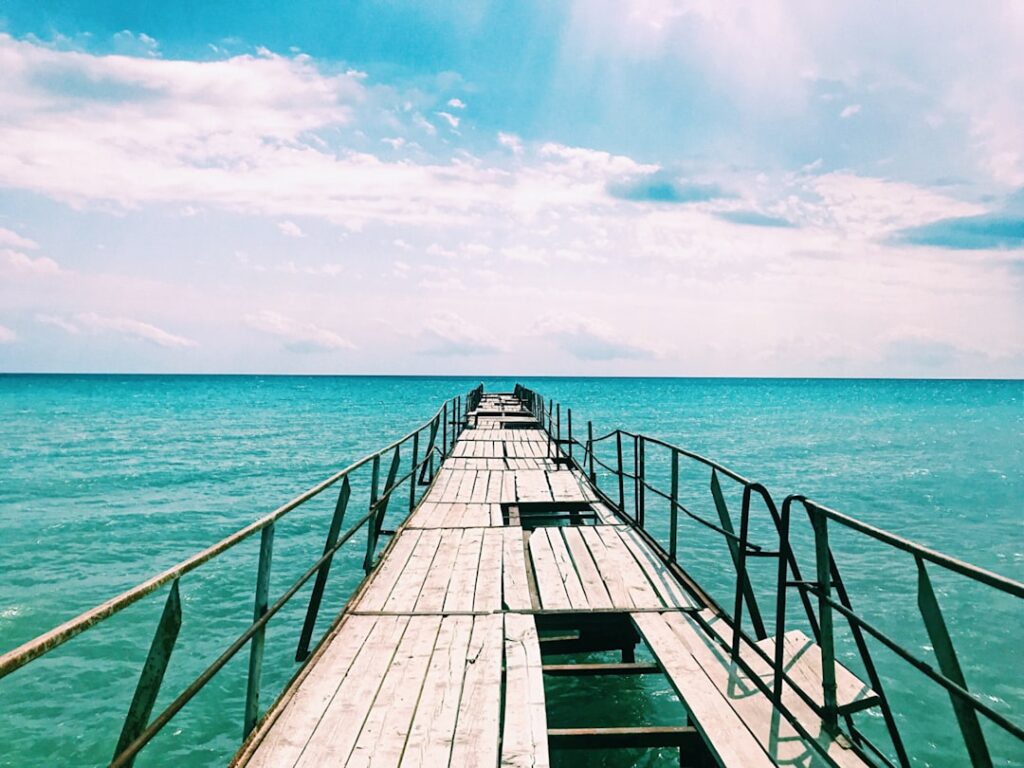
Lake Issyk-Kul, Kyrgyzstan: Incredible Alpine Lakes, Nomadic Culture & Silk Road History (2026)
While crowds flock to the Swiss Alps or Lake Como, Lake Issyk-Kul, Kyrgyzstan delivers a staggering 4,000 square miles of pristine, saline water ringed by snow-capped Tian Shan peaks for a fraction of the cost. Here, you can stay in a traditional yurt camp for $25 a night, hike to 4th-century petroglyphs, and swim in July in water warmed by geothermal springs, all while experiencing a living nomadic culture most travelers only read about. Here’s why savvy adventurers are choosing differently.
Why Lake Issyk-Kul, Kyrgyzstan Stands Out

A lake with mountains in the background, Lake Issyk-Kul, Kyrgyzstan
- Historic Architecture: The 14th-century Caravanserai at Tash Rabat, a perfectly preserved stone inn on the Silk Road, offers a tangible connection to the merchants and explorers who traversed these mountains.
- Cultural Scene: The World Nomad Games, held every two years in nearby Cholpon-Ata, is a spectacular celebration of Central Asian heritage featuring eagle hunting, kok-boru (horseback polo with a goat carcass), and traditional wrestling.
- Local Specialties: You must try Beshbarmak, the national dish of hand-pulled noodles, boiled meat (often horse or lamb), and onion sauce, traditionally eaten from a communal plate with your hands.
Pro Tip: Visit during the shoulder seasons of late May-June or September. You’ll avoid the peak July-August crowds from Almaty and Bishkek, enjoy milder hiking temperatures, and find yurt camps and guesthouses more readily available, often at lower prices.
Map of Lake Issyk-Kul, Kyrgyzstan
Use these interactive maps to explore Lake Issyk-Kul, Kyrgyzstan and plan your route:
📍 View Lake Issyk-Kul, Kyrgyzstan on OpenStreetMap
🗺️ Open Lake Issyk-Kul, Kyrgyzstan in Google Maps
Planning Your Trip: Practical Essentials
Getting There and Around
- By Air: Most travelers fly into Manas International Airport (FRU) in Bishkek. From there, it’s a 4-5 hour drive to the lake’s northern shore. Consider a pre-booked private transfer or a shared taxi (“marshrutka”). Book flights at Skyscanner for best deals.
- By Train: There is no direct passenger train to the lake. The main rail hub is Bishkek. For exploring Kyrgyzstan broadly, marshrutkas (shared minivans) and private cars are the primary modes. For regional train travel, check schedules at Trainline or the national railway website.
- By Car: Renting a car (preferably a 4×4 for mountain roads) in Bishkek offers maximum freedom. The A365 highway circles the entire lake. Driving is on the right. Compare car rentals at RentalCars.com.
- Local Transport: Marshrutkas are the backbone of local transport, running between towns like Cholpon-Ata, Karakol, and Bokonbayevo for 100-300 KGS ($1-3.50). They depart when full from designated stands. For remote sights, hiring a private driver for the day (approx. $50-80) is your best bet.
Best Time to Visit
The ideal time hinges on your activities. Summer promises warm lake swims and vibrant festivals, while shoulder seasons offer serene landscapes perfect for trekking without the heat.
| Season | Weather | Highlights |
|---|---|---|
| Summer (Jun–Aug) | Warm, 20-30°C (68-86°F); sunny with occasional mountain showers. | Peak swimming & beach season; bustling resorts; World Nomad Games (even years); crowded and pricier. |
| Winter (Dec–Feb) | Cold, -5 to -10°C (23-14°F) on shore; much colder in mountains. Lake rarely freezes. | Skiing at Karakol Ski Base; stark, beautiful snowy landscapes; few tourists; many yurt camps and rural guesthouses closed. |
| Shoulder (Apr–May/Sep–Oct) | Mild, 10-20°C (50-68°F); pleasant days, cool nights. Unpredictable spring rain, stable fall weather. | Best for hiking and trekking; wildflowers (spring) or golden foliage (fall); minimal crowds; lower prices. |
Budgeting for Lake Issyk-Kul, Kyrgyzstan

Aerial view of body of water near trees during daytime, Lake Issyk-Kul, Kyrgyzstan
| Category | Budget | Mid-range | Luxury |
|---|---|---|---|
| Accommodation | Hostel/Yurt Camp: 800-1500 KGS ($9-17) | Guesthouse/Hotel: 2500-5000 KGS ($29-58) | Boutique Hotel/Resort: 8000+ KGS ($93+) |
| Meals | Street food/Local Canteens: 300-500 KGS ($3.50-6) | Restaurant meals: 600-1200 KGS ($7-14) | Fine Dining (limited): 2000+ KGS ($23+) |
| Transport | Marshrutkas: 100-300 KGS ($1-3.50) per ride | Daily taxi hire: 3000-5000 KGS ($35-58) | Private driver/4×4: 6000+ KGS ($70+) |
| Activities | Hiking, beach access, petroglyph sites: Free | Guided day hikes, museum entries: 500-1500 KGS ($6-17) | Multi-day guided treks, eagle hunting displays: 8000+ KGS ($93+) |
| Daily Total | 1500-2500 KGS ($17-29) | 6000-10000 KGS ($70-116) | 20000+ KGS ($233+) |
Top Attractions and Must-See Sights
| Attraction | Description | Hours | Entry Fee |
|---|---|---|---|
| Cholpon-Ata Petroglyphs | An open-air museum with thousands of ancient rock drawings (dating from 1500 BC to 100 AD) depicting animals, hunters, and rituals. | Sunrise to Sunset | 80 KGS (~$1) |
| Jeti-Ögüz (Seven Bulls) | A stunning red sandstone rock formation resembling seven bulls, with scenic valleys perfect for short hikes and horseback riding. | 24/7 | Free (Horse rental ~500 KGS/hr) |
| Karakol Historical Museum | Houses fascinating Dungan (Chinese Muslim) and Uighur cultural artifacts, along with exhibits on regional history and ecology. | 9 AM – 5 PM (Closed Mon) | 150 KGS (~$1.75) |
| Skazka (Fairy Tale) Canyon | A vibrant, eroded landscape of red, orange, and yellow clay formations that look like a mythical castle, best visited at sunset. | 24/7 | Free |
3-Day Itinerary: Lake Issyk-Kul, Kyrgyzstan’s Highlights & Hidden Gems
Day 1: Northern Shores & Ancient History
- Morning (7-9 AM): Start early at the Cholpon-Ata Petroglyphs. The soft morning light makes the ancient carvings easier to spot. Budget an hour to wander among these Scythian-era stones.
- Afternoon (12-3 PM): Head to the Rukh Ordo Cultural Center in Cholpon-Ata (entry 400 KGS). This unique complex celebrates world spiritual traditions. For lunch, grab a table at Cafe Faiza in Cholpon-Ata for excellent laghman (hand-pulled noodle soup) and samsa (meat pies).
- Evening (6-8 PM): Enjoy a swim at the public beach in Cholpon-Ata. The water is saliter than the ocean, so you’ll float effortlessly. For dinner, try Asman, a local favorite known for its shashlik (grilled meat skewers) and views of the lake.
Day 2: Eastern Adventures & Karakol Culture
- Morning (8 AM): Drive to Jeti-Ögüz (about 1 hour from Karakol). Hire a horse (approx. 500 KGS/hour) from the local guides for a ride into the lush valley behind the iconic cliffs—the view back towards the red rocks is breathtaking.
- Afternoon (1 PM): Return to Karakol for lunch at the landmark Dastorkon Cafe. Don’t miss their ashlyan-fu, a spicy, vinegary cold noodle dish that is a Karakol specialty. Then, visit the colorful Dungan Mosque, built entirely without nails in 1910.
- Evening (7 PM): Explore the Karakol Bazaar for local atmosphere. For dinner, experience traditional Kyrgyz hospitality at a guesthouse that offers a home-cooked beshbarmak feast (book in advance, ~800 KGS).
Day 3: Southern Landscapes & Eagle Hunters
- Morning (9 AM): Take a marshrutka or taxi from Karakol to Bokonbayevo on the south shore (2 hours, ~500 KGS). Visit the Bokonbayevo History Museum for insight into the region’s famed eagle hunters.
- Afternoon (1 PM): Have lunch at a family-run café, then arrange a visit to a local eagle hunter’s family (often organized through CBT – Community Based Tourism offices for ~1000 KGS). Witness the powerful bond between hunter and bird.
- Evening (5 PM): Continue west to the surreal Skazka Canyon. Spend your final evening hiking the ridges as the setting sun sets the clay pillars ablaze with color—a truly magical finale.
Cultural Insights & Etiquette
- Language: Kyrgyz and Russian are both official. Learn a few Kyrgyz phrases: “Salamatsyzby” (Hello), “Rakhmat” (Thank you). In towns, Russian is widely understood, and basic English is spoken in tourist areas.
- Customs: When invited into a yurt or home, always remove your shoes. It’s polite to accept at least a small offering of tea or bread. Avoid stepping over people or the food spread on the floor.
- Tipping: Not traditionally expected, but appreciated in tourist-facing services. Round up taxi fares, leave 5-10% at sit-down restaurants if service was good.
- Dress Code: Modesty is appreciated, especially outside resorts. When visiting villages or religious sites, cover shoulders and knees. Pack layers—mountain weather shifts rapidly.
- Business Hours: Shops generally open 9 AM-6 PM. Bazaars are busiest in the morning. Many museums are closed on Mondays. Be prepared for a more relaxed approach to exact timing, often called “Kyrgyz time.”
Where to Eat: Lake Issyk-Kul, Kyrgyzstan’s Best Bites
Dining here is a hearty, communal affair centered around meat, dairy, and noodles. Don’t look for fancy plating; seek out authentic flavors in family-run cafés, bazaar stalls, and guesthouse dinners. The south shore is particularly known for its organic, farm-fresh produce.
Must-Try Local Specialties
- Beshbarmak: The national dish, meaning “five fingers.” Boiled meat (often lamb or horse) is served over wide noodles with a savory onion broth. Best tried in a local home or guesthouse.
- Ashlyan-Fu: A Karakol specialty of cold, chewy starch noodles in a spicy, vinegary broth with egg strips. It’s refreshing and addictive. Dastorkon Cafe in Karakol is the legendary spot.
- Kumis: Fermented mare’s milk, the traditional nomadic drink. It’s slightly sour and fizzy, an acquired taste but a true cultural experience. Often offered by shepherds in jailoos (summer pastures).
Restaurant Recommendations by Budget
| Type | Restaurant | Specialty | Price Range |
|---|---|---|---|
| Budget | Lanchvan (Cholpon-Ata Bazaar) | Fresh samsa, plov, and laghman from bustling market stalls. | 200-400 KGS ($2.30-$4.60) |
| Mid-range | Supara Ethno-Complex (near Chon-Sary-Oi) | Authentic Kyrgyz cuisine in a stunning traditional setting with cultural shows. | 800-1500 KGS ($9-$17) |
| Fine dining | Karven Club (Bosteri village) | Fusion and European dishes with exceptional lake views and a sophisticated atmosphere. | 2000+ KGS ($23+) |
Where to Stay
Accommodation ranges from Soviet-era sanatoriums to cozy guesthouses and the iconic yurt camps. The north shore (Cholpon-Ata area) has more resorts, while the south shore (Bokonbayevo) offers a more rustic, community-based experience. Karakol is the adventure hub. Compare prices and book at Booking.com or Airbnb for apartments.
Best Neighborhoods for Accommodation
- Cholpon-Ata & North Shore: The main tourist hub with a range of Soviet-style resorts, modern hotels, and guesthouses. Best for first-time visitors, beach access, and convenience. Can feel busy in peak summer.
- Karakol: The cultural and trekking capital. Stay here for access to hiking trails, the Karakol Gorge, and a lively town atmosphere with good restaurants. Ideal for active travelers.
- South Shore (Bokonbayevo/Tamga): For an authentic, peaceful experience. You’ll find family-run guesthouses, CBT homestays, and yurt camps with direct access to raw nature and cultural encounters with eagle hunters.

A yurt sitting in the middle of a desert, Lake Issyk-Kul, Kyrgyzstan
FAQs: Your Lake Issyk-Kul, Kyrgyzstan Questions Answered
1. Is Lake Issyk-Kul, Kyrgyzstan safe at night?
Yes, it is generally very safe. Petty crime is low, but exercise normal precautions. In towns, streets are quiet at night. When hiking or in remote areas, always inform someone of your plans. The biggest safety concerns are natural: rapidly changing mountain weather and driving on rural, sometimes rough roads.
2. What currency is used and are credit cards accepted?
The currency is the Kyrgyzstani Som (KGS). As of writing, $1 is approximately 86 KGS. Carry cash—it’s king outside major hotels in Bishkek
Related Guides
Explore more destinations similar to Lake Issyk-Kul:

