
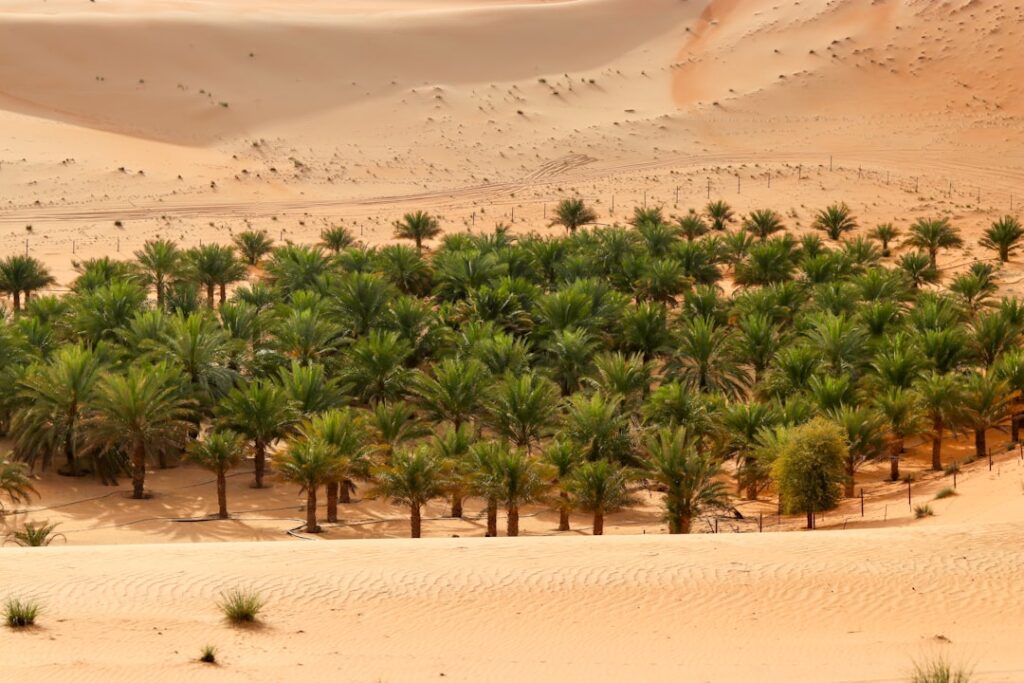
Liwa Oasis, United Arab Emirates: Essential Dunes, Date Palms & Bedouin Heritage (2026)
Sunset in Liwa Oasis reveals a landscape of impossible scale, where the world’s tallest dunes cast shadows like purple mountains across the Empty Quarter. The air cools, carrying the scent of damp earth from ancient falaj irrigation channels, while the call to prayer echoes from a distant mudbrick mosque. This is the historic heart of the Bani Yas tribe, a world away from Dubai’s skyscrapers, where the desert reveals its soul.
Why Liwa Oasis, United Arab Emirates Stands Out

Charming view of a stone bridge over a canal in Dubai surrounded by lush gr…, Liwa Oasis, United Arab Emirates
- Historic Architecture: The 19th-century Al Hili Oasis Fort, a classic example of UAE defensive architecture, stands as a silent guardian of the region’s pre-oil history and tribal heritage.
- Cultural Scene: The annual Liwa Date Festival each July celebrates the region’s agricultural soul with date competitions, traditional crafts, and camel beauty pageants that draw Bedouin families from across the Gulf.
- Local Specialties: You must try Luqaimat, sweet, golden dumplings drizzled with date syrup (dibs), a staple of Emirati hospitality best enjoyed with strong Arabic coffee (gahwa).
Pro Tip: Visit between November and early March for perfect weather (20-28°C). For the most dramatic experience, plan your dune drives for the golden hours—just after sunrise or about 90 minutes before sunset—when the light sculpts the sands into breathtaking forms and the heat is manageable.
Map of Liwa Oasis, United Arab Emirates
Use these interactive maps to explore Liwa Oasis, United Arab Emirates and plan your route:
📍 View Liwa Oasis, United Arab Emirates on OpenStreetMap
🗺️ Open Liwa Oasis, United Arab Emirates in Google Maps
Planning Your Trip: Practical Essentials
Getting There and Around
- By Air: Fly into Abu Dhabi International Airport (AUH), a 2.5-hour drive away. Emirates, Etihad, and numerous international carriers serve AUH. Your best bet is to pre-book a private transfer or rent a car immediately. Book flights at Skyscanner for best deals.
- By Train: There is no direct train service to Liwa Oasis. The UAE’s rail network is still developing, and this remote region is currently only accessible by road.
- By Car: The drive from Abu Dhabi city via the E45 and E65 roads is straightforward and scenic. A 4×4 vehicle is mandatory for exploring the dunes. Savvy visitors book their 4×4 in advance. Compare car rentals at RentalCars.com.
- Local Transport: There is no public transport within Liwa. Getting around requires your own vehicle or booked tours. Taxis are scarce and not practical for desert exploration.
Best Time to Visit
Timing is everything in the desert. The climate dictates your experience, with the winter months offering the only comfortable window for extensive outdoor exploration. Summer is fiercely hot and best avoided for tourism.
| Season | Weather | Highlights |
|---|---|---|
| Summer (Jun–Aug) | Extremely hot, 40-48°C (104-118°F), intense sun. | Only the July Date Festival draws visitors; outdoor activities are severely limited and potentially dangerous. |
| Winter (Dec–Feb) | Pleasant, 18-25°C (64-77°F) days, cool nights (can drop to 10°C). | Ideal for dune bashing, camping, and all outdoor activities. Peak season with perfect weather. |
| Shoulder (Apr–May/Sep–Oct) | Warm to hot, 28-35°C (82-95°F), evenings are pleasant. | Good for travel with fewer visitors; early mornings and late afternoons are perfect for desert excursions. |
Budgeting for Liwa Oasis, United Arab Emirates
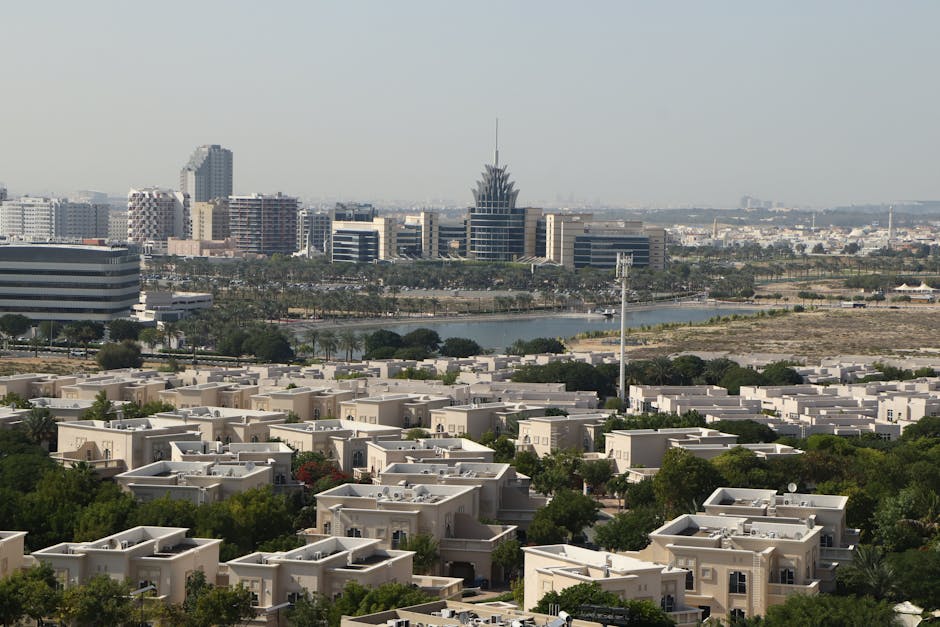
A scenic aerial view of Dubai Silicon Oasis with modern architecture and lu…, Liwa Oasis, United Arab Emirates
| Category | Budget | Mid-range | Luxury |
|---|---|---|---|
| Accommodation | 300-400 AED for a basic hotel or camping gear rental. | 600-900 AED for a comfortable desert resort room. | 1,200+ AED for a premium suite at Tilal Liwa or Qasr Al Sarab. |
| Meals | 80-120 AED for shawarma, falafel, and local cafes. | 150-250 AED for a meal at a hotel restaurant. | 400+ AED for fine dining multi-course experiences. |
| Transport | 250-400 AED/day for a standard rental car (but 4×4 is essential). | 400-600 AED/day for a proper 4×4 rental. | 1,500+ AED for a private driver/guide with 4×4. |
| Activities | Free for independent dune viewing; 150 AED for a basic desert safari. | 300-500 AED for a guided sunset dune tour. | 800+ AED for private bespoke tours, falconry, or camel treks. |
| Daily Total | 700-1,200 AED | 1,500-2,300 AED | 4,000+ AED |
Top Attractions and Must-See Sights
| Attraction | Description | Hours | Entry Fee |
|---|---|---|---|
| Moreeb Dune (Tal Mireb) | Conquer the world’s tallest dune at 300m; a Mecca for 4×4 enthusiasts and a stunning sunset viewpoint. | 24/7, but visit at sunrise/sunset | Free |
| Liwa Fort (Qasr Al Sarab) | Not just a hotel; the architecture is a reimagined fortress offering breathtaking public terrace views of the Empty Quarter. | Terrace access during daylight | Free (or price of a drink) |
| Empty Quarter (Rub’ al Khali) | Venture into the world’s largest sand sea, a mesmerizing, timeless landscape of rolling red sands stretching into Saudi Arabia. | Daylight hours with a guide | Tour dependent (300-800 AED) |
| Mezaira’a Fort & Liwa Museum | The central fort in the main town houses a small but insightful museum on Bedouin culture and local history. | Sat-Thu 8 AM-2 PM; Fri 4 PM-8 PM | ~5 AED |
3-Day Itinerary: Liwa Oasis, United Arab Emirates’s Highlights & Hidden Gems
Day 1: Arrival & Dune Majesty
- Morning (7-9 AM): Depart Abu Dhabi early. Stop at the Camel Souq in Al Dhafra (just before Liwa) to see traders and majestic animals. Your best bet is to be on the road by 6 AM to avoid traffic and heat.
- Afternoon (12-3 PM): Check into your accommodation. Have lunch at Liwa Restaurant in Mezaira’a for authentic Emirati Machboos (spiced rice with meat). Then, visit the Mezaira’a Fort & Museum to contextualize your trip.
- Evening (6-8 PM): The essential sunset at Moreeb Dune. Drive to the base (4×4 only for the climb, but 2WD can park below). Watch the spectacle, then enjoy a traditional Bedouin-style dinner under the stars, often arranged by your hotel or a tour operator.
Day 2: Desert Immersion & Oasis Life
- Morning (7 AM): Sunrise desert safari (booked in advance, ~400 AED) – the light is magical, and you might spot desert wildlife like gazelles. Your guide will demonstrate dune driving skills.
- Afternoon (12-3 PM): Explore a working date palm oasis. Locals recommend asking at your hotel for a contact to see the falaj irrigation systems and learn about date cultivation. Lunch on-site with a local family is a rare privilege if arranged.
- Evening (6 PM): A more relaxed evening. Drive to the public gardens in Mezaira’a to see locals at leisure. For dinner, try Al Forsan International Restaurant for a mix of Arabic and Indian grills.
Day 3: The Empty Quarter & Departure
- Morning (8 AM): A guided trip deeper into the Empty Quarter (essential, 600+ AED). A reputable guide will take you to pristine dunes far from any tracks. Experience the profound silence and scale.
- Afternoon (1 PM): Return for a late lunch at your hotel. If time allows, visit a local pottery workshop where traditional water jars (khous) are still made.
- Evening (5 PM): Begin your drive back to Abu Dhabi, stopping for one last panoramic photo at a dune viewpoint along the E65 as the day ends.
Cultural Insights & Etiquette
- Language: Arabic is official, but English is widely spoken in hotels and tourism. Learn “Marhaba” (Hello), “Shukran” (Thank you), and “Insha’Allah” (God willing).
- Customs: Always use your right hand for eating and greeting. Public displays of affection are frowned upon. When invited for coffee, accept at least one cup (it’s rude to refuse).
- Tipping: Not mandatory but appreciated. 10-15% in restaurants if service isn’t included. Tip desert guides 20-50 AED depending on the tour.
- Dress Code: Modesty is key. Wear loose-fitting clothing covering shoulders and knees. Swimwear is only for hotel pools/beaches. A light scarf is useful for women and for sandstorms.
- Business Hours: Government/museums: 8 AM-2 PM (Sat-Thu). Shopping: 10 AM-10 PM, often with a midday break. Friday is the holy day, with reduced hours; most activities start after 4 PM.
Where to Eat: Liwa Oasis, United Arab Emirates’s Best Bites
Dining in Liwa revolves around hotel restaurants and a handful of local eateries. Emirati cuisine is hearty and aromatic, centered on rice, meat (lamb, chicken, camel), fish, and dates. Don’t expect a bustling cafe scene; the focus is on generous, flavorful meals.
Must-Try Local Specialties
- Harees: A savory porridge of wheat and meat, slow-cooked to creamy perfection, especially popular during Ramadan. Try it at a hotel’s Friday brunch.
- Majboos: The national dish—fragrant rice cooked with turmeric, loomi (dried lime), and tender meat (often chicken or lamb). Liwa Restaurant does an excellent version.
- Fresh Dates & Arabic Coffee: Not a dish, but a ritual. The sweet, caramel-like Khalas dates from Liwa are considered among the world’s best. Paired with unsweetened, cardamom-spiced gahwa, it’s the ultimate welcome.
Restaurant Recommendations by Budget
| Type | Restaurant | Specialty | Price Range |
|---|---|---|---|
| Budget | Al Meshref Cafeteria, Mezaira’a | Fresh juices, shawarma, and mixed grills in a simple local setting. | 20-40 AED per dish |
| Mid-range | Ghaf Tree Restaurant, Tilal Liwa Hotel | International buffet with live cooking stations and stunning desert views. | 120-180 AED for dinner |
| Fine dining | Suwaan, Qasr Al Sarab Desert Resort | Contemporary Arabic fine dining in an elegant, lantern-lit setting. | 400+ AED for a tasting menu |
Where to Stay
Accommodation is clustered in the Mezaira’a area or as isolated desert resorts. For full immersion, the resorts are worth the splurge. For practicality and value, the town hotels are ideal. Compare prices and book at Booking.com or Airbnb for apartments (limited availability).
Best Neighborhoods for Accommodation
- Mezaira’a Town: The practical heart, with easy access to fuel stations, supermarkets, and local eateries. Hotels here are functional and offer good value. Best for self-drivers wanting a central base.
- Along the E65 near Moreeb Dune: Home to upscale desert resorts like Tilal Liwa. Offers breathtaking dune views, premium amenities (pools, spas), and direct desert access. Perfect for a luxurious escape.
- The Deep Desert (Empty Quarter): Exclusive resorts like Qasr Al Sarab. This is ultimate isolation and luxury, offering a once-in-a-lifetime sense of place. Requires a longer drive but delivers an unparalleled experience.

Elegant resort pool with Dubai’s traditional architecture and palm trees, Liwa Oasis, United Arab Emirates
FAQs: Your Liwa Oasis, United Arab Emirates Questions Answered
1. Is Liwa Oasis, United Arab Emirates safe at night?
Extremely safe. The UAE has a very low crime rate. The primary safety concerns in Liwa are environmental: never venture into the desert alone without a 4×4, ample water, and a fully charged phone. Inform someone of your route. At night, stick to lit roads.
2. What currency is used and are credit cards accepted?
The currency is the UAE Dirham (AED). Credit cards (Visa/Mastercard) are widely accepted at hotels, resorts, and larger restaurants. However, carry cash (small bills) for local cafes, small shops, and tipping. ATMs are available in Mezaira’a town.
3. How do I get from the airport to Liwa Oasis?
There is no direct public transport. Your options are: 1) Pre-book a private transfer (approx. 600-800 AED one-way from AUH), 2) Rent a 4×4 car at the airport (highly recommended for flexibility), or 3) Book a tour that includes pickup. The drive takes about 2.5 hours. Book airport transfers at GetYourGuide for convenience.
4. Do I need to speak the local language?
No. English is the lingua franca of tourism and business. You will have no trouble communicating at hotels, on tours, or in restaurants. Learning a few Arabic greetings, however, is always appreciated and shows respect.
5. What’s the appropriate dress code?
Dress modestly in public areas. For men: trousers and shirts are fine. For women
Related Guides
Explore more destinations similar to Liwa Oasis:
- Lamu Archipelago, Kenya: Essential Dhow Sailing, Swahili Culture & Untouched Beaches (2025)
- Bukavu, Democratic Republic of the Congo: Best Lakes, Legends & Lush Highlands (2025)
- The Ultimate Tiksi, Russia Guide (2026)
- Vatnajökull National Park, Iceland: Ultimate Glaciers, Ice Caves & Volcanic Landscapes (2025)
{“@context”: “https://schema.org”, “@type”: “FAQPage”, “mainEntity”: [{“@type”: “Question”, “name”: “What is the best time to visit Liwa Oasis?”, “acceptedAnswer”: {“@type”: “Answer”, “text”: “The best time to visit Liwa Oasis depends on your preferences. Generally, the dry season offers the most pleasant weather for sightseeing and outdoor activities.”}}, {“@type”: “Question”, “name”: “How many days do I need in Liwa Oasis?”, “acceptedAnswer”: {“@type”: “Answer”, “text”: “Most travelers spend 3-5 days in Liwa Oasis to see the main attractions. A week allows for a more relaxed pace and day trips.”}}, {“@type”: “Question”, “name”: “Is Liwa Oasis expensive to visit?”, “acceptedAnswer”: {“@type”: “Answer”, “text”: “Liwa Oasis can be visited on various budgets. Accommodation ranges from hostels to luxury hotels, and local restaurants offer affordable dining.”}}]}

