
Danube River, Europe’s Epic Castles, Culture & Continental Crossroads (2026)
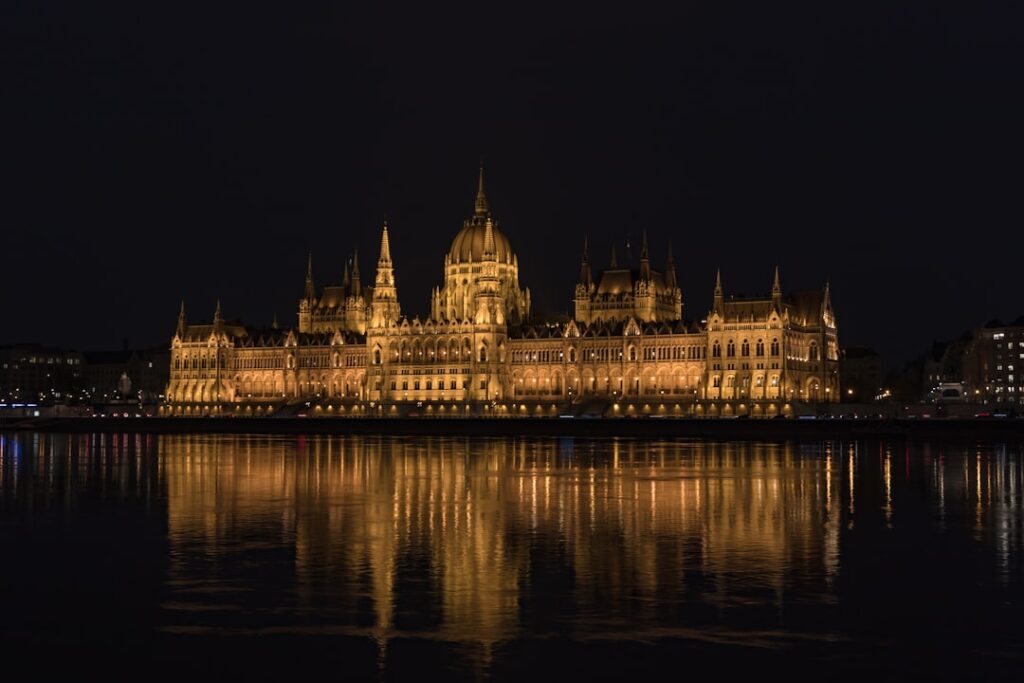
While crowds flock to the Mediterranean coast, the Danube River delivers a quieter, deeper European journey, connecting 10 countries and four historic capitals over 1,770 miles. At dawn in Budapest, the river reveals its magic: the first golden light hits the Parliament building, a lone swan cuts through the glassy water, and the scent of fresh chimney cake drifts from a riverside market. This is the Danube’s enduring power—a liquid highway of history, culture, and breathtaking landscapes that has shaped empires.
Why Danube River, Europe Stands Out

A boat is on the water near a bridge, Danube River, Europe
- Historic Architecture: The 19th-century Hungarian Parliament Building in Budapest, a neo-Gothic masterpiece with 691 rooms, symbolizes the river’s role as a political and cultural artery.
- Cultural Scene: The Donauinselfest in Vienna, Europe’s largest free open-air festival each June, transforms a river island into a massive stage for music and celebration.
- Local Specialties: You must try a slice of authentic Sachertorte at Vienna’s Hotel Sacher, the iconic chocolate cake born on the banks of the Danube in 1832.
Pro Tip: For the best experience with fewer crowds and pleasant weather, target the shoulder months of late April-May or September-October. This is when river cruise prices dip, city sidewalks are less packed, and the vineyards along the Wachau Valley glow with autumn colors.
Map of Danube River, Europe
Use these interactive maps to explore Danube River, Europe and plan your route:
📍 View Danube River, Europe on OpenStreetMap
🗺️ Open Danube River, Europe in Google Maps
Planning Your Trip: Practical Essentials
Getting There and Around
- By Air: Major hubs include Vienna International Airport (VIE), Budapest Ferenc Liszt (BUD), and Munich Airport (MUC). Book flights at Skyscanner for best deals.
- By Train: Excellent rail networks connect riverside cities; the Vienna to Budapest journey takes about 2.5 hours. Reserve tickets at Trainline or the national railway website.
- By Car: The Danube Bike Trail and parallel roads like the Donau Straße offer scenic drives, but parking in old towns is difficult. Compare car rentals at RentalCars.com.
- Local Transport: Trams, metros, and buses are efficient in cities; consider a Vienna City Card or Budapest Travel Card for unlimited travel. For the ultimate experience, travel by river cruise or local ferry.
Best Time to Visit
The Danube’s character shifts dramatically with the seasons. Summer buzzes with festivals, while winter offers magical Christmas markets. Savvy travelers often target the shoulder seasons for the ideal balance.
| Season | Weather | Highlights |
|---|---|---|
| Summer (Jun–Aug) | Warm, 75-85°F (24-30°C), occasional rain | Peak festival season, outdoor dining, vibrant atmosphere; also peak crowds and cruise prices. |
| Winter (Dec–Feb) | Cold, 30-40°F (-1 to 4°C), potential for snow | Enchanting Christmas markets in Vienna, Budapest, and Passau; fewer tourists; some river cruises operate. |
| Shoulder (Apr–May/Sep–Oct) | Mild, 55-70°F (13-21°C), pleasant | Best for cycling the Danube Path, wine tasting in Wachau, comfortable city exploration, and lower accommodation rates. |
Budgeting for Danube River, Europe

A bridge that has a boat on the water in front of it, Danube River, Europe
| Category | Budget | Mid-range | Luxury |
|---|---|---|---|
| Accommodation | Hostel/dorm: €20-40/night | 3-4* hotel: €80-150/night | 5* hotel/river suite: €250+/night |
| Meals | Street food/market: €5-10/meal | Local taverna/restaurant: €15-30/meal | Fine dining: €60+/meal |
| Transport | City transport pass: €5-10/day | Inter-city train: €20-50/trip, occasional taxi | Private transfers, first-class rail |
| Activities | Free walking tours, museum free days | Museum entries: €10-20, Danube cruise: €25 | Private guided tours, exclusive wine tastings |
| Daily Total | €50-80 | €120-200 | €300+ |
Top Attractions and Must-See Sights
| Attraction | Description | Hours | Entry Fee |
|---|---|---|---|
| Buda Castle & Castle Hill, Budapest | A UNESCO-listed palace complex offering panoramic Danube views and home to the Hungarian National Gallery. | Grounds: 24/7; Museums: 10am-6pm, closed Mon. | Courtyards: Free; Museum tickets from €10 |
| Schönbrunn Palace, Vienna | The 1,441-room Habsburg summer residence, with breathtaking gardens and the world’s oldest zoo. | Palace: 8:30am-5:30pm; Gardens: 6:30am-dusk | Imperial Tour: €20; Grand Tour: €24 |
| Melk Abbey, Austria | A stunning Baroque Benedictine monastery perched above the river in the Wachau Valley. | 9am-5:30pm (May-Sept), shorter in winter | €13.50 for basic tour |
| Iron Gates (Danube Gorge) | A dramatic natural border between Serbia & Romania, where the Danube narrows through the Carpathian mountains. | Accessible via cruise or road | Free to view; cruises vary |
3-Day Itinerary: Danube River, Europe’s Highlights & Hidden Gems
Day 1: Imperial Vienna & River Waltzes
- Morning (7-9 AM): Beat the crowds to the Schönbrunn Palace gardens for a peaceful stroll. Your best bet is to book the 8:30 AM “Imperial Tour” ticket online in advance.
- Afternoon (12-3 PM): Explore the historic Innere Stadt, then lunch at Figlmüller (Wollzeile 5) for their legendary, plate-sized Wiener Schnitzel (€17).
- Evening (6-8 PM): Take a one-hour evening sightseeing cruise with Brandner (€25) for glittering city views, followed by dinner at the heuriger (wine tavern) Wieninger in Nussdorf for local wine and cold cuts.
Day 2: Baroque Wachau Valley & Medieval Towns
- Morning: Catch the 8:04 AM train from Vienna to Melk (€20, 1 hour). Tour the magnificent Melk Abbey (€13.50), then walk to the pier for a noon DDSG Blue Danube ferry to Dürnstein (€22, 1.5 hours).
- Afternoon: Hike up to the ruins of Dürnstein Castle, where Richard the Lionheart was imprisoned. Enjoy a lunch of local apricot dumplings (Marillenknödel) at Hotel-Restaurant Sänger Blondel.
- Evening: Take a late afternoon train back to Vienna (from Krems). For your final Viennese evening, secure standing room tickets (€5-10) for a performance at the Staatsoper.
Day 3: Budapest’s Pearl of the Danube
- Morning: Take the 7:30 AM Railjet train from Vienna to Budapest (€30, 2.5 hours). Drop bags and head straight to the Great Market Hall for a breakfast lángos (fried dough).
- Afternoon: Cross the Chain Bridge and take the funicular up to Buda Castle. After exploring, enjoy a traditional goulash lunch at Régimódi Kávéház near the castle.
- Evening: As dusk falls, join locals on a sunset cruise (€15-20) for the iconic view of the lit Parliament. Conclude with a dinner of fine Hungarian cuisine at Mák Bistro on the Pest side.
Cultural Insights & Etiquette
- Language: German in Austria/Germany, Hungarian in Hungary. English is widely spoken in tourist areas. Learn “Danke” (DE), “Köszönöm” (HU), and “Prost” (Cheers).
- Customs: A firm handshake is common. In Austria and Bavaria, greet staff when entering small shops with “Grüß Gott.” Be punctual for tours and reservations.
- Tipping: Round up the bill or leave 5-10% in restaurants. For taxi fares, round up to the nearest euro. Tip tour guides €5-10 per person.
- Dress Code: Smart-casual for fine dining and opera houses. Pack comfortable shoes for cobblestone streets and layers for changeable weather.
- Business Hours: Shops typically close by 6 or 7 PM and on Sundays. Many museums are closed on Mondays. Christmas markets usually run from late November to December 24th.
Where to Eat: Danube River, Europe’s Best Bites
Danube cuisine is a hearty reflection of its lands: expect rich stews from Hungary, delicate pastries from Vienna, and superb wines from Austrian valleys. Don’t just eat—indulge in the *gemütlichkeit* (cozy comfort) of a riverside meal.
Must-Try Local Specialties
- Wiener Schnitzel: A thin, breaded, and fried veal cutlet. For the classic experience, head to Vienna’s Figlmüller or Zum Schwarzen Kameel.
- Lángos: Deep-fried flatbread topped with sour cream and cheese. Your best bet is from a stall at Budapest’s Great Market Hall or a riverside food truck.
- Wachau Valley Apricot Products: From jam (Marillenmarmelade) to brandy (Marillenschnaps). Sample them at family-run heurigen in towns like Spitz or Dürnstein.
Restaurant Recommendations by Budget
| Type | Restaurant | Specialty | Price Range |
|---|---|---|---|
| Budget | Bitzinger Würstelstand, Vienna (near Opera) | Classic Austrian sausages with a roll and mustard | €4-6 |
| Mid-range | Két Szerecsen, Budapest | Modern Hungarian cuisine in a stylish setting | €20-35 for mains |
| Fine dining | Steirereck, Vienna (Stadtpark) | Avant-garde Austrian tasting menus, multiple Michelin stars | €200+ per person |
Where to Stay
Your base defines your Danube experience. Vienna offers imperial grandeur, Budapest provides vibrant energy, and smaller towns like Linz or Passau deliver intimate charm. Compare prices and book at Booking.com or Airbnb for apartments.
Best Neighborhoods for Accommodation
- Innere Stadt, Vienna: The historic center. Perfect for first-time visitors wanting to be steps from major sights, though it’s the most expensive area.
- District V (Belváros) or VI, Budapest: The heart of Pest, near the Danube, buzzing with restaurants, bars, and easy access to all bridges. Ideal for nightlife and dining.
- Old Town (Altstadt), Passau: Where three rivers meet. Offers fairytale charm, baroque architecture, and a quieter, more romantic base for exploring the Upper Danube.

A large boat floating on top of a body of water, Danube River, Europe
FAQs: Your Danube River, Europe Questions Answered
1. Is Danube River, Europe safe at night?
Generally, yes. Major cities like Vienna, Budapest, and Bratislava are very safe. Exercise standard precautions: stick to well-lit areas in city centers, be aware of your belongings in crowded trams or markets, and avoid isolated river paths late at night.
2. What currency is used and are credit cards accepted?
Euro (€) in Germany, Austria, and Slovakia. Hungarian Forint (HUF) in Hungary. Credit cards are widely accepted in hotels, restaurants, and larger shops, but it’s wise to carry some cash for small vendors, markets, and public toilets. ATMs (Bankomats) are plentiful.
3. How do I get from the airport to the city center?
Vienna (VIE): City Airport Train (CAT) takes 16 mins to Mitte for €12; S-Bahn (S7) takes 25 mins for €4.30. Budapest (BUD): 100E express bus to Deák Ferenc tér takes 35 mins for €3.30; taxi is a fixed €30. Book airport transfers at GetYourGuide for convenience.
4. Do I need to speak the local language?
Not at all. English is commonly spoken in tourism, hospitality, and by younger generations in major cities and towns along the river. Learning a few basic greetings in German or Hungarian, however, is always appreciated and seen as a respectful gesture.
5. What’s the appropriate dress code?
Smart casual works for most situations. Pack layers for changeable weather, a waterproof jacket, and comfortable walking shoes. For attending an opera or a fine-dining restaurant, men should wear trousers and a collared shirt, and women a dress or smart separates. Cover shoulders and knees when visiting active churches or monasteries.
Final Thoughts: Danube River, Europe Awaits
The Danube is more than a river; it’s a journey through the heart of Europe. You’ll discover that its true magic lies in the contrasts—the imperial grandeur of Vienna against the edgy ruin bars of Budapest, the silent beauty of the Wachau vineyards versus the bustling energy of a riverside market. Travelers often find that the most memorable moments aren’t just the sights, but the rhythm of life along its banks: sipping local wine as a castle glides by, or hearing a Strauss waltz float on the evening air. Your best bet is to plan a trip that combines a major city with a stretch of the serene valley, allowing you to experience both the cultural power and the peaceful soul of this legendary river. The Blue Danube
Explore More Destinations
- Jozani, Tanzania on a Budget: an Ancient Forest for $35/Day (2026)
- Nsumbu, Zambia on a Budget: Wild Africa for $40/Day (2026)
- Semporna, Malaysia on a Budget: Paradise for $35/Day (2026)
- Khuzestan, Iran on a Budget: Ancient Empires for $30/Day (2026)
- Ngerulmud, Palau on a Budget: Island Majesty for $45/Day (2026)
Ready to Visit Danube River?
Start planning your trip today. Compare hotels, find the best tours, and get insider tips.
Your adventure in Danube River starts here →
Related Guides
Explore more destinations similar to Danube River:
- Belize Barrier Reef, Belize’s Hidden Diving, Ruins & Jungle Adventures (2026)
- Annapurna Circuit, Nepal’s Hidden Peaks, Passes & Pilgrimage Trails (2025)
- Waingapu, Indonesia’s Best Ikat Textiles, Savanna Sunsets & Sumba’s Soul (2026)
- How to Experience Civita di Bagnoregio: Italy’s Hidden Gem Guide
{“@context”: “https://schema.org”, “@type”: “FAQPage”, “mainEntity”: [{“@type”: “Question”, “name”: “What is the best time to visit Danube River?”, “acceptedAnswer”: {“@type”: “Answer”, “text”: “The best time to visit Danube River depends on your preferences. Generally, the dry season offers the most pleasant weather for sightseeing and outdoor activities.”}}, {“@type”: “Question”, “name”: “How many days do I need in Danube River?”, “acceptedAnswer”: {“@type”: “Answer”, “text”: “Most travelers spend 3-5 days in Danube River to see the main attractions. A week allows for a more relaxed pace and day trips.”}}, {“@type”: “Question”, “name”: “Is Danube River expensive to visit?”, “acceptedAnswer”: {“@type”: “Answer”, “text”: “Danube River can be visited on various budgets. Accommodation ranges from hostels to luxury hotels, and local restaurants offer affordable dining.”}}]}

