
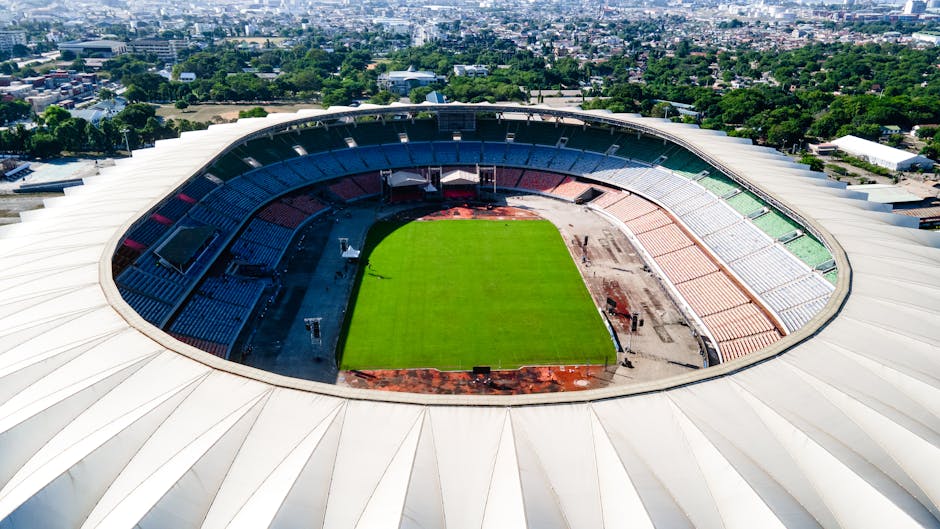
Mbulu, Tanzania’s Essential Hiking, Culture & Coffee in the Highlands (2026)
While crowds flock to the Serengeti plains, Mbulu, Tanzania delivers authentic highland culture and breathtaking scenery without the tourist buses. Nestled at 1,800 meters in the Manyara Region, this bustling market town is the gateway to the Iraqw homeland, where you’ll find terraced hillsides, ancient traditions, and some of Tanzania’s most spectacular and accessible hiking trails, all while spending a fraction of the cost of a northern safari circuit day rate.
Why Mbulu, Tanzania Stands Out

Air Tanzania passenger plane taxiing at a contemporary airport terminal on …, Mbulu, Tanzania
- Historic Architecture: The German Boma, built around 1907 during colonial rule, stands as a stark stone reminder of the region’s complex past and now serves as a local administrative center.
- Cultural Scene: The vibrant weekly Mbulu Market, held every Tuesday and Friday, is a sensory explosion of color, sound, and barter where the Iraqw people trade livestock, produce, and handcrafts.
- Local Specialties: You must try *Kitawa*, a hearty, savory porridge made from millet or sorghum, often served with a side of *Mchicha* (spinach) and meat stew for a truly local meal.
Pro Tip: For the best weather and to see the hillsides at their greenest, plan your visit during the dry season from June to October. To experience the market at its most authentic and less crowded, aim for a Tuesday rather than the larger Friday market.
Map of Mbulu, Tanzania
Use these interactive maps to explore Mbulu, Tanzania and plan your route:
📍 View Mbulu, Tanzania on OpenStreetMap
🗺️ Open Mbulu, Tanzania in Google Maps
Planning Your Trip: Practical Essentials
Getting There and Around
- By Air: The nearest major airport is Kilimanjaro International Airport (JRO), about a 5-6 hour drive away. From there, you’ll need a private transfer or bus. Book flights at Skyscanner for best deals.
- By Train: There are no direct passenger train services to Mbulu. The closest railhead is in Arusha, from where you continue by road. Reserve tickets for the Dar es Salaam to Arusha line at Trainline or the national railway website.
- By Car: The drive from Arusha on the A104 and then the B144 is scenic but winding, taking roughly 4 hours. A 4×4 is recommended, especially in the rainy season. Compare car rentals at RentalCars.com.
- Local Transport: *Dala-dalas* (minibuses) are the lifeblood of local transport, connecting Mbulu to nearby villages for about 1,000-5,000 TZS per trip. Within town, *boda-bodas* (motorcycle taxis) are quick and cheap for short hops.
Best Time to Visit
The climate in the Mbulu highlands is pleasantly cool year-round due to the altitude. The key distinction is between the dry and wet seasons, which dramatically affect road conditions and hiking trail accessibility.
| Season | Weather | Highlights |
|---|---|---|
| Dry Season (Jun–Oct) | Sunny days, cool nights (15°C-25°C / 59°F-77°F), no rain. | Ideal for hiking, clear mountain views, best road conditions, and peak market activity. |
| Short Rains (Nov–Dec) | Warm, with sporadic afternoon showers (18°C-28°C / 64°F-82°F). | Lush landscapes, fewer visitors, and vibrant green scenery perfect for photography. |
| Long Rains (Mar–May) | Cooler, with persistent rain (14°C-22°C / 57°F-72°F). | Challenging for travel due to muddy roads, but the region is at its most agriculturally vibrant. |
Budgeting for Mbulu, Tanzania
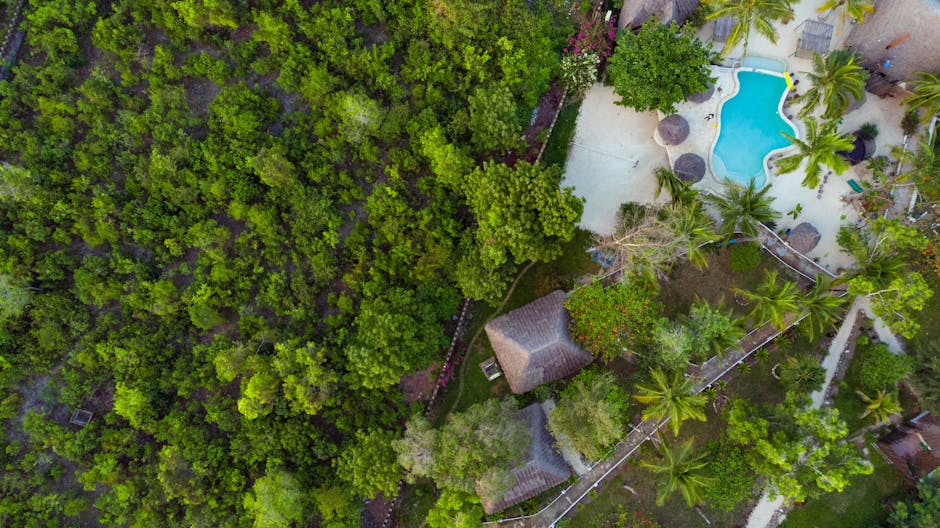
Lush greenery and poolside relaxation captured from above in Zanzibar, Tanzania., Mbulu, Tanzania
| Category | Budget | Mid-range | Luxury |
|---|---|---|---|
| Accommodation | 15,000 – 40,000 TZS/night (basic guesthouse) | 60,000 – 120,000 TZS/night (comfortable lodge) | 150,000+ TZS/night (full-service hotel) |
| Meals | 5,000 – 10,000 TZS (local eateries, street food) | 12,000 – 25,000 TZS (restaurant meal) | 30,000+ TZS (hotel dining) |
| Transport | 1,000 – 5,000 TZS (dala-dala rides) | 50,000 – 80,000 TZS/day (private car hire) | 100,000+ TZS/day (4×4 with driver-guide) |
| Activities | Free (market visits, town walks) | 20,000 – 50,000 TZS (guided village walk) | 100,000+ TZS (private multi-day hiking tour) |
| Daily Total | 25,000 – 60,000 TZS | 150,000 – 275,000 TZS | 400,000+ TZS |
Top Attractions and Must-See Sights
| Attraction | Description | Hours | Entry Fee |
|---|---|---|---|
| Mbulu Central Market | A vibrant, authentic hub of Iraqw culture where you can witness traditional dress, bartering, and community life. | Daylight hours, peak on Tue & Fri | Free |
| Lake Balangida Lelu | A stunning alkaline lake nestled in the rift valley, famous for its flamingo populations and dramatic escarpment backdrop. | Sunrise to Sunset | 10,000 TZS (often included in tour) |
| Iraqw Cultural Village Tour | Visit a traditional underground *Tembe* house and learn about the unique history and farming practices of the Iraqw people. | By arrangement with guide | 20,000 – 40,000 TZS per person |
| Mount Hanang Hike | Tanzania’s 4th highest peak (3,420m) offers a challenging but non-technical 2-3 day trek with phenomenal views. | Start at dawn | ~30,000 TZS park fees + guide cost |
3-Day Itinerary: Mbulu, Tanzania’s Highlights & Hidden Gems
Day 1: Immersion in Town & Market Culture
- Morning (7-9 AM): Start with a walking tour of Mbulu town. Your best bet is to hire a local guide (approx. 25,000 TZS) to explain the history of the German Boma and point out local landmarks. Grab a *mandazi* (fried dough) and spiced tea from a street vendor.
- Afternoon (12-3 PM): Dive into the Mbulu Market (if it’s a Tuesday or Friday). Watch the cattle auction, browse baskets and beaded jewelry, and have lunch at a market stall serving *Chipsi Mayai* (chips omelette) and a soda for about 5,000 TZS.
- Evening (6-8 PM): Enjoy a relaxed dinner at a local restaurant like **Mbulu View Lodge Restaurant** for a solid plate of rice, beans, and beef stew. As night falls, take in the cool, star-filled highland sky.
Day 2: Highland Lakes & Cultural Insight
- Morning (7 AM): Arrange a half-day trip to Lake Balangida Lelu (approx. 60,000 TZS for a car and driver). The 90-minute drive is spectacular. Bring binoculars to spot flamingos and other waterbirds against the stark landscape.
- Afternoon (1 PM): Return to Mbulu for a late lunch at **Kuleana Pizzeria**—a surprising spot for decent pizza and cold drinks. Then, visit a nearby Iraqw village for a cultural tour (book through your lodge) to see the unique *Tembe* pit dwellings and learn about their agricultural calendar.
- Evening (7 PM): For dinner, seek out a local *mgahawa* (eatery) to try *Kitawa* porridge with stew. Ask your guide for the best spot—locals swear by the ones just off the main market road.
Day 3: Adventure in the Surrounding Hills
- Morning (6 AM): For the active traveler, take a guided hike in the nearby **Bashay Forest** or to a scenic viewpoint like **Ngorika** (approx. 30,000 TZS for a guide). You’ll walk through small farms and enjoy breathtaking vistas over the terraced hills.
- Afternoon (12 PM): Enjoy a packed lunch from your lodge on the trail. Return to town and visit a local coffee washing station if it’s the season (July-September)—Mbulu is in a prime coffee-growing region.
- Evening (6 PM): Have a farewell dinner. If you’re feeling adventurous, try **Mama Ntilie’s** for *Nyama Choma* (grilled meat) with *Ugali*. It’s a simple, no-frills place where the food is fantastic.
Cultural Insights & Etiquette
- Language: Swahili is the national language, but the Iraqw language is widely spoken. Learn a few phrases: “Ndagwa” (Hello in Iraqw), “Asante” (Thank you in Swahili).
- Customs: Always greet people before asking questions or taking photos. The Iraqw are proud but reserved; a polite request goes a long way. It’s respectful to use your right hand for giving and receiving items.
- Tipping: Not mandatory but appreciated. For guides, 10-15% of the tour cost is standard. For small services (porters, waitstaff), 2,000-5,000 TZS is appropriate.
- Dress Code: Modesty is key. Avoid short shorts and revealing tops, especially when visiting villages or the market. For hiking, sturdy shoes and layers are essential.
- Business Hours: Shops generally open 8:30 AM-6 PM, with a break around 1 PM. Government offices keep shorter hours (9 AM-3 PM). Many businesses close on Sunday.
Where to Eat: Mbulu, Tanzania’s Best Bites
Dining in Mbulu is a lesson in hearty, local sustenance. You won’t find fine dining, but you will find flavorful, filling meals centered on maize, beans, vegetables, and meat. The best experiences are often at simple, family-run *mgahawas*.
Must-Try Local Specialties
- Kitawa: This savory porridge is the Iraqw staple. It has a unique, slightly sour flavor and is incredibly filling. Try it at any local eatery, especially in the morning.
- Nyama Choma with Ugali: Grilled goat or beef served with a thick maize porridge. **Mama Ntilie’s** spot near the bus stand is legendary for this.
- Mshikaki: Marinated meat skewers, often sold by street vendors in the evening. Perfect for a quick, protein-rich snack.
Restaurant Recommendations by Budget
| Type | Restaurant | Specialty | Price Range |
|---|---|---|---|
| Budget | Market Street Food Stalls | Chipsi Mayai, Samosas, Fresh Fruit | 1,000 – 5,000 TZS |
| Mid-range | Mbulu View Lodge Restaurant | Mixed Grill Platters, Western & Local Dishes | 8,000 – 18,000 TZS |
| Comfort Food | Kuleana Pizzeria | Pizza, Pasta, and Cold Soft Drinks | 12,000 – 25,000 TZS |
Where to Stay
Accommodation in Mbulu ranges from very basic guesthouses to a few comfortable lodges. Most are centrally located, making exploration easy. Compare prices and book at Booking.com or Airbnb for apartments (though options are limited).
Best Neighborhoods for Accommodation
- Central Mbulu (Town Center): The most convenient area, close to the market, bus stand, and eateries. It can be noisy but puts you right in the heart of the action. Best for short stays and independent travelers.
- Outskirts/Quiet Hillsides: A few lodges are situated just outside town, offering tranquility, cooler air, and stunning views. This area suits those with private transport who prefer peace after a day of exploration.

Bright orange vintage Land Rover parked outside an urban cafe in Dar es Salaam, Mbulu, Tanzania
FAQs: Your Mbulu, Tanzania Questions Answered
1. Is Mbulu, Tanzania safe at night?
Mbulu is generally a safe and peaceful town. As in any place, take sensible precautions: avoid walking alone in poorly lit, isolated areas at night, keep valuables secure, and use a *boda-boda* for short trips after dark if you’re unsure. The biggest hazard is often uneven pavements, so a small flashlight is useful.
2. What currency is used and are credit cards accepted?
The Tanzanian Shilling (TZS) is the currency. Carry ample cash, as credit cards are rarely accepted outside of the largest lodges. There are several ATMs in town (CRDB, NMB) that usually work with international cards, but it’s wise to withdraw cash in Arusha before arriving as a backup.
3. How do I get from the airport to Mbulu?
From Kilimanjaro Airport (JRO), you’ll need to travel to Arusha first (1-hour taxi, ~50,000 TZS). From Arusha, take a direct bus to Mbulu (4-5 hours, 15,000 TZS) from the central bus station, or book a private transfer (250,000-400,000 TZS for the whole car). Book airport transfers at GetYourGuide for convenience from Arusha.
4. Do I need to speak the local language?
You can manage with basic Swahili and English. In town, many people in shops and lodges speak some English. In villages, knowing a few Swahili greetings (“Jambo”, “Habari”) is essential and greatly appreciated. A guide will bridge any significant language gap.
5. What’s the appropriate dress code?
D
Related Guides
Explore more destinations similar to Mbulu:

