
Cuamba, Mozambique’s Stunning Trains, Markets & Untamed Landscapes (2026)
While crowds flock to the beaches of Ilha de Moçambique, Cuamba delivers the authentic, beating heart of northern Mozambique without the tourist premiums. As the terminus of the historic Nacala railway line, this bustling agricultural hub isn’t a curated destination—it’s a living, breathing town where the rhythm is set by the arrival of the train and the vibrant hum of one of the country’s largest produce markets. Here, you trade postcard views for profound cultural connection.
Why Cuamba, Mozambique Stands Out

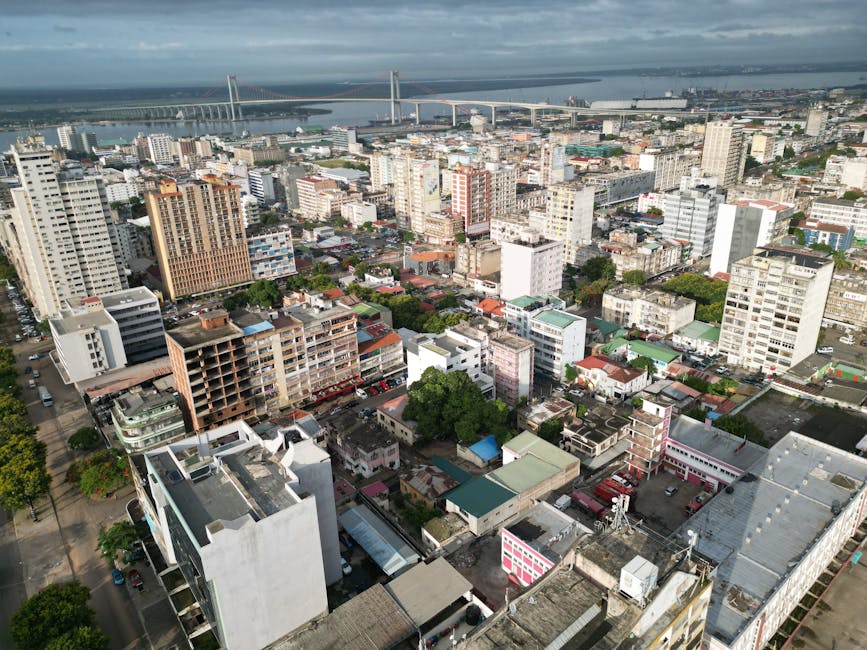
Aerial view of Maputo, Cuamba, Mozambique
- Historic Architecture: The Cuamba Railway Station, built in the 1950s, is a classic example of Portuguese colonial railway architecture and remains the vital lifeline of the entire Niassa province.
- Cultural Scene: The weekly Saturday market is a sensory spectacle where Makua and Yao communities trade everything from fresh cashews and tobacco to handcrafted baskets and traditional textiles.
- Local Specialties: You must try Matapa, a rich, flavorful stew made from cassava leaves, ground peanuts, coconut milk, and often shrimp or crab, served with xima (a maize porridge).
Pro Tip: Plan your visit to coincide with a Wednesday or Saturday. These are the main market days when the town is at its most vibrant, and more importantly, they align with the scheduled arrivals of the passenger train from Nampula, making transport logistics far simpler.
Map of Cuamba, Mozambique
Use these interactive maps to explore Cuamba, Mozambique and plan your route:
📍 View Cuamba, Mozambique on OpenStreetMap
🗺️ Open Cuamba, Mozambique in Google Maps
Planning Your Trip: Practical Essentials
Getting There and Around
- By Air: Cuamba Airport (FXO) has limited scheduled flights. LAM Mozambique Airlines offers the most reliable connections, typically from Nampula. The airport is about 7km from town; arrange a taxi in advance or expect to negotiate a fare on arrival. Book flights at Skyscanner for best deals.
- By Train: The iconic Nacala Corridor railway is the soul of the region. The passenger service from Nampula to Cuamba runs several times a week (confirm schedules locally) and is a 10-12 hour journey through stunning landscapes. It’s an experience, not just transport. Reserve tickets at Trainline or the national railway website.
- By Car: The EN8 road from Nampula is paved but can be challenging. A 4×4 is recommended, especially in the rainy season. Parking is generally informal and on-street. Compare car rentals at RentalCars.com from hubs like Nampula.
- Local Transport: Chapas (shared minibus taxis) are the primary mode for short trips. Motorcycle taxis (“tuk-tuks” or “boda-bodas”) are ubiquitous for quick, affordable rides—always agree on a price before setting off. For longer day trips, hiring a private car and driver is your best bet.
Best Time to Visit
The climate is tropical, with a distinct wet and dry season. The dry season offers the easiest travel conditions, while the wet season brings lush greenery but challenging roads.
| Season | Weather | Highlights |
|---|---|---|
| Dry Season (May–Oct) | Warm, sunny days (25-30°C/77-86°F) with little to no rain. Cooler nights. | Ideal for market visits, train travel, and road trips. Peak season for local tourism, with clear skies. |
| Wet Season (Nov–Apr) | Hot (30-35°C/86-95°F) with high humidity and frequent, heavy afternoon thunderstorms. | Landscapes are vividly green, and the air is clear. Fewer visitors, but some rural roads may be impassable. |
| Shoulder (Apr & Oct) | Transitional periods with sporadic rain and rising/falling temperatures. | A good balance of decent weather and smaller crowds. A chance to see the landscape change. |
Budgeting for Cuamba, Mozambique

A blue pushpin marks Zimbabwe on a colorful close-up map highlighting its g…, Cuamba, Mozambique
| Category | Budget | Mid-range | Luxury |
|---|---|---|---|
| Accommodation | 800-1,500 MZN ($13-$23) for a basic guesthouse | 2,000-4,000 MZN ($31-$63) for a comfortable hotel | 5,000+ MZN ($78+) for the town’s best lodges |
| Meals | 200-400 MZN ($3-$6) for street food & local eateries | 500-800 MZN ($8-$13) for a restaurant meal with drink | 1,000+ MZN ($16+) for a multi-course dinner |
| Transport | 20-50 MZN ($0.30-$0.80) for chapas/moto-taxis | 300-600 MZN ($5-$9) for daily private taxi hire | 1,500+ MZN ($23+) for private 4×4 with driver |
| Activities | Free (market exploring, town walks) | 500-1,000 MZN ($8-$16) for guided local tours | 2,000+ MZN ($31+) for exclusive cultural/agricultural tours |
| Daily Total | 1,200-2,500 MZN ($19-$39) | 3,500-6,500 MZN ($55-$102) | 10,000+ MZN ($156+) |
Top Attractions and Must-See Sights
| Attraction | Description | Hours | Entry Fee |
|---|---|---|---|
| Cuamba Central Market | A sprawling, chaotic, and captivating hub where the region’s agricultural bounty is traded amid a cacophony of voices and colors. | Daily, peak activity 6 AM – 2 PM (best Wed & Sat) | Free |
| Cuamba Railway Station | The historic heart of the town; witnessing the arrival or departure of the train is a major social event. | Always accessible; train schedule varies | Free |
| Local Cashew Processing | See the fascinating, labor-intensive process of cashew nut harvesting and shelling at small-scale farms on the town’s outskirts. | Daylight hours; ask locally for visits | Small donation (50-100 MZN) |
| Mihecue Mountain | A striking inselberg (isolated rock hill) offering a moderate hike and panoramic views over the Cuamba plains. | Daylight hours | Free |
3-Day Itinerary: Cuamba, Mozambique’s Highlights & Hidden Gems
Day 1: Immersion in the Market & Town Rhythm
- Morning (7-9 AM): Dive straight into the Cuamba Central Market. Arrive early to see the freshest produce and experience the market at its most energetic. Your best bet is to find a local guide at your hotel to explain the different goods and help with translation.
- Afternoon (12-3 PM): Enjoy a local lunch of grilled chicken and xima at a *barraca* (street-side stall) near the market. Then, walk to the Cuamba Railway Station. Even if no train is due, the architecture and the constant, low-key activity are fascinating.
- Evening (6-8 PM): As the heat fades, take a stroll through the quieter residential streets. For dinner, head to Restaurante Mihecue for a solid Portuguese-Mozambican menu, trying the grilled fish or the prawn curry.
Day 2: Industry, Agriculture & Local Crafts
- Morning (8 AM): Arrange a visit to a local cashew farm or processing center (your hotel can help). You’ll see the dangerous yet skillful process of extracting the nut, a key industry here. Expect to pay around 500 MZN for a guided visit.
- Afternoon (1 PM): Have lunch at Pizzaria Four Brothers for a surprising and welcome change of pace. Afterwards, seek out local basket weavers. The baskets made from palm leaves are both beautiful and functional; you can often find artisans working near the market periphery.
- Evening (6 PM): Experience a more local dinner spot at Restaurante 1º de Maio. It’s simple, no-frills, and serves excellent, hearty Mozambican staples. Afterwards, enjoy a cold Laurentina or 2M beer at a roadside kiosk and watch the town’s evening life.
Day 3: Natural Vista & Cultural Departure
- Morning (7 AM): Hire a motorcycle taxi (approx. 150 MZN round-trip) to the base of Mihecue Mountain for a morning hike. The climb takes about an hour and rewards you with a spectacular 360-degree view. Bring water and wear sturdy shoes.
- Afternoon (12 PM): For a final lunch, try the iconic Matapa at a local eatery like Churrasqueira Mihecue. Then, if it’s a train travel day, head to the station to witness the orchestrated chaos of loading and departure—a cultural show in itself.
- Evening (6 PM): Your final evening calls for a relaxed meal. If you’re staying at a lodge like Nkwichi Lodge’s town base (if accessible), they often provide superb meals. Otherwise, return to a favorite spot from the week and reflect on the authentic slice of Mozambique you’ve experienced.
Cultural Insights & Etiquette
- Language: Portuguese is the official language. In Cuamba, Emakhuwa and Chiyao are widely spoken. Learning basic Portuguese greetings (“Bom dia” – Good morning, “Obrigado/a” – Thank you) is greatly appreciated.
- Customs: Greetings are important. Always greet people before asking questions or taking photos. A handshake is common. Use your right hand for giving and receiving items. Politeness and patience are valued over haste.
- Tipping: Not mandatory but appreciated. In restaurants, rounding up the bill or leaving 5-10% is fine for good service. For guides and drivers, a tip of 200-500 MZN for a half/full day is generous.
- Dress Code: Dress modestly, especially when visiting markets or residential areas. Knee-length shorts and covered shoulders are respectful for both men and women. Swimwear is only for pools at lodges.
- Business Hours: Shops and services typically open around 7:30-8 AM, close for a long lunch (12-2 PM), and reopen until 5-6 PM. Government offices keep shorter hours. Many businesses are closed or have limited hours on Sunday.
Where to Eat: Cuamba, Mozambique’s Best Bites
Dining in Cuamba is about hearty, flavorful food that fuels a busy agricultural town. You’ll find a mix of traditional Mozambican cuisine, Portuguese influences, and simple grilled fare. The freshest ingredients come straight from the market that morning.
Must-Try Local Specialties
- Matapa: The signature dish of the region. This creamy, peanut-based stew of cassava leaves is a must-try. For an authentic version, ask for it at local eateries like Churrasqueira Mihecue or from market food stalls.
- Frango Grelhado com Piri-Piri: Succulent grilled chicken basted in piri-piri (African bird’s eye chili sauce). You’ll find excellent versions at almost any *churrasqueira* (grill house).
- Feijão Branco com Arroz: A simple but comforting dish of white beans stewed with coconut and spices, served with rice. A staple lunch in many local homes and small restaurants.
Restaurant Recommendations by Budget
| Type | Restaurant | Specialty | Price Range |
|---|---|---|---|
| Budget | Market Food Stalls (Central Market) | Fresh grilled meat/fish, xima, beans | 150-300 MZN |
| Mid-range | Restaurante Mihecue (Town Center) | Portuguese-style grilled seafood, prawn curry | 400-700 MZN |
| Fine dining | Lodge Dining (e.g., Nkwichi Lodge base, by arrangement) | Multi-course fusion meals using local produce | 1,000+ MZN |
Where to Stay
Accommodation in Cuamba is functional rather than luxurious, focusing on clean rooms and good service for business and transit travelers. The town center is compact, so most places are within walking distance of key sites. Compare prices and book at Booking.com or Airbnb for apartments.
Best Neighborhoods for Accommodation
- Town Center: The most convenient area, close to the market, train station, and main restaurants. It can be noisy during the day but puts you right in the action. Ideal for short stays and explorers.
- Residential Areas (e.g., near Mihecue Mountain): Quieter, with a more local feel. You’ll need transport or enjoy longer walks to the center. Offers a more relaxed pace and a glimpse into everyday life.
- Airport Road: A few lodges and guesthouses are located here, offering more space and tranquility. Best for those with private transport or who prioritize quiet over centrality.
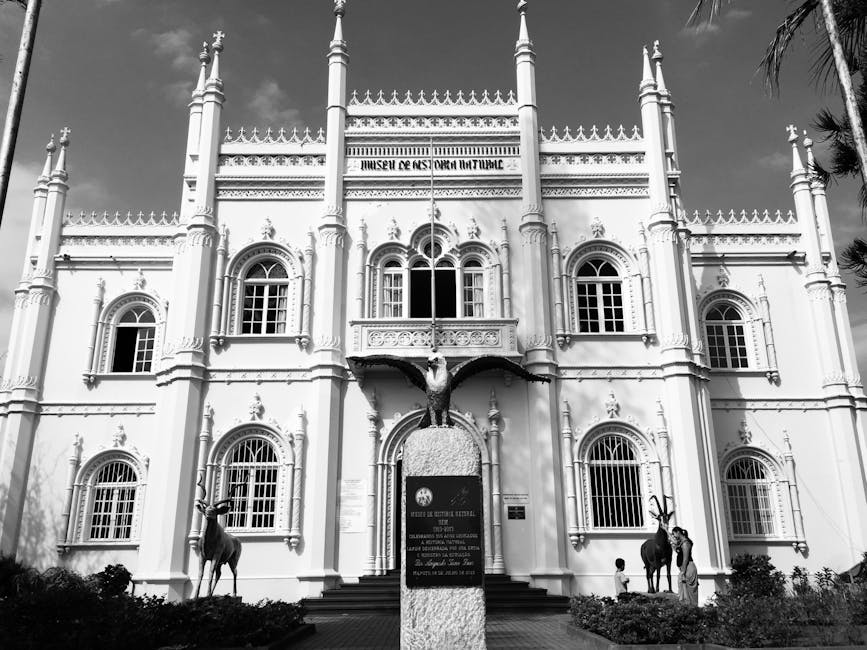
A black and white image of the iconic Museu de Historia Natural in Maputo, Cuamba, Mozambique
FAQs: Your Cuamba, Mozambique Questions Answered
1. Is Cuamba, Mozambique safe at night?
Cuamba is generally a safe town, but standard precautions apply. Avoid walking alone in poorly lit areas at night. Use motorcycle taxis for short evening journeys. Petty crime like pickpocketing can occur in crowded markets, so keep valuables secure and out of sight. Always be aware of your surroundings.
2. What currency is used and are credit cards accepted?
The Mozambican Metical (MZN) is the currency. Cash is king in Cuamba. While a few upmarket hotels or lodges might accept Visa cards, you should not rely on it. Bring enough Meticais for your stay. ATMs are available in town but can sometimes be out of cash or service; have a backup plan. US Dollars are sometimes accepted for larger payments (like lodge bills) but at a poor rate.
3. How do I get from the airport to the city center?
Cuamba Airport is small. There is no official taxi rank or public transport. Your best bet is to have your accommodation arrange a pickup in advance. If not, you can negotiate with drivers waiting outside the terminal. The 7km journey should cost between 300-500 MZN. Book airport transfers at GetYourGuide for convenience.
4. Do I need
Explore More Destinations
- Jozani, Tanzania on a Budget: an Ancient Forest for $35/Day (2026)
- Nsumbu, Zambia on a Budget: Wild Africa for $40/Day (2026)
- Semporna, Malaysia on a Budget: Paradise for $35/Day (2026)
- Khuzestan, Iran on a Budget: Ancient Empires for $30/Day (2026)
- Ngerulmud, Palau on a Budget: Island Majesty for $45/Day (2026)
Ready to Visit Cuamba?
Start planning your trip today. Compare hotels, find the best tours, and get insider tips.
Your adventure in Cuamba starts here →
Related Guides
Explore more destinations similar to Cuamba:
- Rincón de la Vieja National Park, Costa Rica: Best Volcanoes, Waterfalls & Wild Adventure (2026)
- Neuschwanstein Castle, Germany
- Moyobamba, Peru’s Hidden Orchids, Waterfalls & Amazonian Culture (2025)
- Boaco, Nicaragua’s Best Cowboys, Culture & Mountain Vistas (2026)
{“@context”: “https://schema.org”, “@type”: “FAQPage”, “mainEntity”: [{“@type”: “Question”, “name”: “What is the best time to visit Cuamba?”, “acceptedAnswer”: {“@type”: “Answer”, “text”: “The best time to visit Cuamba depends on your preferences. Generally, the dry season offers the most pleasant weather for sightseeing and outdoor activities.”}}, {“@type”: “Question”, “name”: “How many days do I need in Cuamba?”, “acceptedAnswer”: {“@type”: “Answer”, “text”: “Most travelers spend 3-5 days in Cuamba to see the main attractions. A week allows for a more relaxed pace and day trips.”}}, {“@type”: “Question”, “name”: “Is Cuamba expensive to visit?”, “acceptedAnswer”: {“@type”: “Answer”, “text”: “Cuamba can be visited on various budgets. Accommodation ranges from hostels to luxury hotels, and local restaurants offer affordable dining.”}}]}

