

Ishkashim, Tajikistan’s Best Silk Road Crossroads, Pamir Peaks & Afghan Vistas (2026)
Ask locals about the Pamir Highway, and they’ll tell you the real adventure begins where the pavement ends—in Ishkashim. This slender finger of Tajikistan, wedged between Afghanistan and the soaring Pamir Mountains, is home to the legendary Wakhan Corridor, a 220km-long ancient trade route that once funneled silk, spices, and ideas between empires. While most travelers rush through, savvy visitors know that spending a few days here unlocks a living Silk Road experience, where you can literally wave across the Panj River to Afghan shepherds and explore Ismaili fortresses that have guarded this frontier for a millennium.
Why Ishkashim, Tajikistan Stands Out

Stunning aerial view of mountains and arid landscapes in Darvoz, Tajikistan., Ishkashim, Tajikistan
- Historic Architecture: The 3rd-century Yamchun Fortress, perched on a cliffside, offers commanding views of the Wakhan Valley and is a testament to the region’s ancient strategic importance.
- Cultural Scene: The weekly Saturday border market, a unique bi-national affair where Tajiks and Afghans trade goods, is a vibrant, time-honored tradition of cross-cultural exchange.
- Local Specialties: You must try Shakarob, a hearty dish of flatbread soaked in a rich sauce of meat, onions, and chickpeas, a staple of Pamiri mountain cuisine.
Pro Tip: Plan your visit for a Saturday to experience the unique cross-border market. For the clearest mountain views and most comfortable trekking conditions, aim for the shoulder months of late May-June or September, when the summer crowds have thinned and the weather is still mild.
Map of Ishkashim, Tajikistan
Use these interactive maps to explore Ishkashim, Tajikistan and plan your route:
📍 View Ishkashim, Tajikistan on OpenStreetMap
🗺️ Open Ishkashim, Tajikistan in Google Maps
Planning Your Trip: Practical Essentials
Getting There and Around
- By Air: The nearest major airport is in Khorog (approx. 100km away), served by small planes from Dushanbe. The flight is spectacular but weather-dependent. From Khorog, you’ll need a 4×4 jeep. Book flights at Skyscanner for best deals.
- By Train: There are no train services to the Pamirs. Your overland journey will be by road. The classic route is the Pamir Highway from Dushanbe or Osh, Kyrgyzstan.
- By Car: A 4×4 vehicle is mandatory. The road from Khorog to Ishkashim is rough but stunning. Self-driving requires experience and proper permits (GBAO permit). Compare car rentals at RentalCars.com for pick-up in Dushanbe.
- Local Transport: Shared jeeps (“marshrutkas”) run between Khorog and Ishkashim but schedules are informal. The most flexible and common option is hiring a private jeep with a driver for multi-day trips (approx. $100-$150 per day).
Best Time to Visit
The travel window for the High Pamirs is narrow. Summer offers accessibility but some crowds, while the shoulder seasons provide a perfect balance of good weather and solitude.
| Season | Weather | Highlights |
|---|---|---|
| Summer (Jun–Aug) | Warm days (15-25°C/59-77°F), cool nights. Roads are fully open, but afternoon mountain showers are possible. | All attractions accessible; vibrant local life; ideal for trekking. Busiest time on the Pamir Highway. |
| Winter (Dec–Feb) | Extremely cold (-10 to -20°C/14 to -4°F). Heavy snow closes most high passes and roads. | Not recommended for travel. The region is largely isolated, with limited services available. |
| Shoulder (May/Jun & Sep/Oct) | Pleasant, mild days (10-20°C/50-68°F) and crisp nights. Most stable, clear skies. | The absolute best time. Fewer tourists, stunning autumn colors in Sept/Oct, and perfect photography light. |
Budgeting for Ishkashim, Tajikistan

Scenic view of a mountain road with a stunning turquoise alpine lake and ro…, Ishkashim, Tajikistan
| Category | Budget | Mid-range | Luxury |
|---|---|---|---|
| Accommodation | $10-20 (Homestay/Guesthouse) | $25-40 (Comfortable Guesthouse) | $50+ (Best available private room) |
| Meals | $5-10 (Homestay meals/tea house) | $10-15 (Restaurant meals) | $20+ (Arranged feasts) |
| Transport | $15-25 (Shared jeep segments) | $50-75 (Private jeep share per day) | $100-150 (Sole use of jeep/driver) |
| Activities | Free (Hiking, village walks) | $5-10 (Fortress entry, hot springs) | $20-50 (Guided day treks) |
| Daily Total | $35-60 | $90-140 | $190+ |
Top Attractions and Must-See Sights
| Attraction | Description | Hours | Entry Fee |
|---|---|---|---|
| Yamchun Fortress & Bibi Fatima Hot Springs | A stunning 3rd-century fortress offering panoramic Wakhan views, with natural hot spring pools carved into the cliffside below. | Daylight Hours | Fortress: 20 TJS ($2). Springs: 10 TJS ($1) |
| Ishkashim Saturday Border Market | A unique weekly market on a river island where Tajiks and Afghans trade clothes, spices, and livestock, separated only by a symbolic line. | Saturday 8 AM – 1 PM | Free |
| Vrang Stupa & Buddhist Heritage | A 4th-7th century Buddhist stupa and cave complex, a silent reminder of the region’s pre-Islamic history along the Silk Road. | Daylight Hours | 10 TJS ($1) |
| Kahkaha Fortress | Less-visited than Yamchun, this fortress near the village of Namadgut offers a more intimate and atmospheric ruin to explore. | Daylight Hours | Free (Donation appreciated) |
3-Day Itinerary: Ishkashim, Tajikistan’s Highlights & Hidden Gems
Day 1: Ancient Fortresses & Healing Waters
- Morning (7-9 AM): Depart early from your guesthouse for the 90-minute drive to Yamchun Fortress. The morning light is perfect for photography, and you’ll beat any day-trippers from Khorog. Explore the labyrinthine ruins.
- Afternoon (12-3 PM): Descend to the Bibi Fatima Hot Springs. Soak in the gender-separated, stone-carved pools with legendary fertility lore. For lunch, enjoy a packed picnic or simple meal at a nearby chaikhana (tea house).
- Evening (6-8 PM): Return to Ishkashim town. Have dinner at your guesthouse, where you’ll likely be served Shakarob or Osh (plov). Enjoy the star-filled Pamiri sky, some of the clearest on earth.
Day 2: Cross-Border Culture & Local Life
- Morning (8 AM): If it’s Saturday, head to the border market (bring your passport). Browse textiles, knives, and spices. It’s less about shopping and more about the unique atmosphere. If not Saturday, visit the Ishkashim Museum for local history.
- Afternoon (1-4 PM): Drive to the village of Vrang (approx. 30 mins). Hike up to the ancient Buddhist stupa and meditate in the caves with centuries-old soot markings. Have a late lunch at a homestay in Vrang, trying fresh tandyr bread.
- Evening (6 PM): Take a leisurely walk along the Panj River. You can see Afghan villages clearly on the other side. Enjoy a quiet dinner and conversation with your homestay family about Ismaili culture.
Day 3: Hidden Valleys & Village Trails
- Morning (8 AM): Hire a local guide (approx. $20) for a half-day hike into a side valley like the Garm Chashma area. Look for Marco Polo sheep and enjoy pristine landscapes few tourists see.
- Afternoon (12-3 PM): Enjoy a picnic lunch by a mountain stream. Visit the lesser-known Kahkaha Fortress for a peaceful, crowd-free exploration.
- Evening (5 PM): Return to Ishkashim. For your final evening, seek out a local family that might demonstrate traditional Pamiri music on the rubab or daf if you ask politely. Savor a final cup of sweet Pamiri tea.
Cultural Insights & Etiquette
- Language: Tajik (a Persian dialect) and Pamiri languages are spoken. Russian is useful. Learn “Salom” (Hello), “Rahmat” (Thank you), and “Chand pul?” (How much?).
- Customs: The local Ismaili Muslim culture is moderate and welcoming. Always remove shoes before entering a home. Accept offers of tea—it’s a sign of hospitality. When meeting someone, a slight bow with hand over heart is appreciated.
- Tipping: Not customary, but for excellent service (e.g., a guide or driver), a tip of 5-10% is a generous and welcome gesture.
- Dress Code: Modesty is key, especially for women. Cover shoulders and knees. In villages, women may want to wear a headscarf as a sign of respect.
- Business Hours: Shops and offices generally operate from 9 AM to 5 PM, but close for a long lunch (1-2 PM). Everything slows on Friday (the day of prayer) and closes for the Saturday market.
Where to Eat: Ishkashim, Tajikistan’s Best Bites
Dining in Ishkashim is almost exclusively a homestay experience, where meals are hearty, communal, and cooked with local ingredients. Don’t expect restaurants; instead, you’ll enjoy authentic Pamiri hospitality at the family table.
Must-Try Local Specialties
- Shakarob: The definitive Pamiri comfort food: pieces of flatbread soaked in a savory, onion-based meat and chickpea gravy. Your homestay mother will make the best version.
- Pamiri Kurutob: A tangy salad of chaka (strained yogurt), cucumbers, onions, and herbs, often served with fresh flatbread. Refreshing and light.
- Osh (Plov): The Central Asian staple of rice, carrots, and meat. The Pamiri version is less oily than its Uzbek cousin. Look for it at larger chaikhanas on the main road.
Restaurant Recommendations by Budget
| Type | Restaurant | Specialty | Price Range |
|---|---|---|---|
| Budget | Homestay Meals (e.g., Lola Guesthouse) | Home-cooked Shakarob, soups, and fresh bread | $5-8 per meal |
| Mid-range | Chaikhana near the Bazaar | Simple Osh (plov), shashlik (kebabs), and laghman noodles | $8-12 per meal |
| Fine dining | Private Homestay Feast (arranged in advance) | A multi-course meal with traditional music表演 | $15-25 per person |
Where to Stay
Accommodation means homestays and guesthouses, which are the heart of the experience. You’ll sleep in traditional Pamiri homes with distinctive five-pillar central rooms symbolizing the five holy figures of Ismailism. Book in advance during peak season. Compare prices and book at Booking.com or Airbnb for apartments (though listings are sparse here).
Best Neighborhoods for Accommodation
- Ishkashim Town Center: Close to the market and basic shops. Best for logistics and meeting other travelers. Can be a bit dusty. Ideal for first-time visitors.
- Surrounding Villages (Vrang, Yamchun): For a deeper, quieter immersion. You’ll wake up to mountain views and village sounds. Requires more planning for transport but offers unparalleled authenticity.
- Along the Panj River: Some homestays offer rooms with direct views across to Afghanistan. A profoundly unique experience, emphasizing the borderland nature of the region.
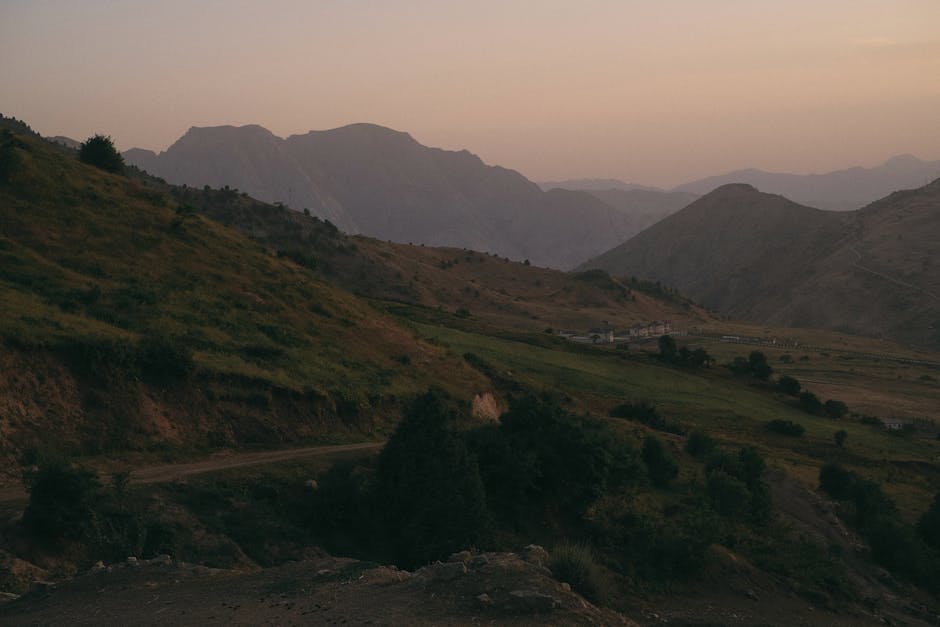
Scenic view of misty mountains and valleys at dawn in Dushanbe, Tajikistan., Ishkashim, Tajikistan
FAQs: Your Ishkashim, Tajikistan Questions Answered
1. Is Ishkashim, Tajikistan safe at night?
Yes, it is generally very safe. Crime is extremely rare. The primary considerations are environmental: carry a flashlight as streets are unlit, and be mindful of livestock or uneven paths when walking after dark. The local communities are close-knit and protective of visitors.
2. What currency is used and are credit cards accepted?
The currency is the Tajik Somoni (TJS). Bring enough US dollars or Euros in crisp, unblemished bills to exchange, as ATMs do not exist in Ishkashim. Credit cards are useless here. Cash is king for everything—homestays, transport, meals, and souvenirs.
3. How do I get from the airport to the city center?
There is no airport in Ishkashim. You will arrive by road from Khorog (the nearest airstrip) or Dushanbe. From Khorog, a pre-arranged jeep transfer (2-3 hours, ~$60-$80) is your only reliable option. Book airport transfers at GetYourGuide for convenience, but note that specialized local tour operators are often more reliable for this remote region.
4. Do I need to speak the local language?
No, but it helps immensely. Basic Russian phrases will get you further than English, which is rarely spoken outside of guesthouse owners. Learning a few words of Tajik (Salom, Rahmat) will earn you warm smiles. Carrying a phrasebook or translation app is a savvy move.
5. What’s the appropriate dress code?
Conservative and modest. For both men and women, long trousers and shirts covering shoulders are essential, especially when visiting villages, homes, or religious sites. Women should carry a headscarf. Sturdy, comfortable walking shoes are non-negotiable for exploring ruins and rough terrain.
Final Thoughts: Ishkashim, Tajikistan Awaits
Explore More Destinations
- Jozani, Tanzania on a Budget: an Ancient Forest for $35/Day (2026)
- Nsumbu, Zambia on a Budget: Wild Africa for $40/Day (2026)
- Semporna, Malaysia on a Budget: Paradise for $35/Day (2026)
- Khuzestan, Iran on a Budget: Ancient Empires for $30/Day (2026)
- Ngerulmud, Palau on a Budget: Island Majesty for $45/Day (2026)
Ready to Visit Ishkashim?
Start planning your trip today. Compare hotels, find the best tours, and get insider tips.
Your adventure in Ishkashim starts here →
{“@context”: “https://schema.org”, “@type”: “FAQPage”, “mainEntity”: [{“@type”: “Question”, “name”: “What is the best time to visit Ishkashim?”, “acceptedAnswer”: {“@type”: “Answer”, “text”: “The best time to visit Ishkashim depends on your preferences. Generally, the dry season offers the most pleasant weather for sightseeing and outdoor activities.”}}, {“@type”: “Question”, “name”: “How many days do I need in Ishkashim?”, “acceptedAnswer”: {“@type”: “Answer”, “text”: “Most travelers spend 3-5 days in Ishkashim to see the main attractions. A week allows for a more relaxed pace and day trips.”}}, {“@type”: “Question”, “name”: “Is Ishkashim expensive to visit?”, “acceptedAnswer”: {“@type”: “Answer”, “text”: “Ishkashim can be visited on various budgets. Accommodation ranges from hostels to luxury hotels, and local restaurants offer affordable dining.”}}]}
Related Guides
Explore more destinations similar to Ishkashim:

