
The Kimberley, Australia: Incredible Ancient Landscapes, Aboriginal Culture & Epic Adventure (2026)
Sunrise over the Bungle Bungle Range reveals a landscape that feels less discovered and more revealed. The ochre and black tiger-striped domes, formed over 350 million years, glow in the first light, while the only sound is the distant call of a black cockatoo. This is the Kimberley: a region three times the size of England with a population density of less than one person per square kilometer, where the horizons are vast, the history is deep, and the adventure is utterly raw.
Why The Kimberley, Australia Stands Out

Brown wooden fence on brown sand near body of water during daytime, The Kimberley, Australia
- Historic Architecture: The Argyle Homestead Museum, a 19th-century station homestead, offers a tangible glimpse into the rugged life of early European settlers and the frontier cattle industry.
- Cultural Scene: The Mowanjum Festival, held near Derby, is a vibrant celebration of Worrorra, Ngarinyin, and Wunumbal cultures featuring mesmerizing Wandjina spirit art and traditional dance.
- Local Specialties: Freshly caught barramundi, grilled over coals with native lemon myrtle, is a quintessential Kimberley taste you’ll find at roadhouses and upscale lodges alike.
Pro Tip: The absolute best time to visit is during the dry season, from May to October. Specifically, aim for late May or early June; the waterfalls from the wet season are still thunderous, the landscapes are lush, and you’ll beat the peak tourist crowds of July and August. Book tours and 4WD vehicles at least 6-9 months in advance.
Map of The Kimberley, Australia
Use these interactive maps to explore The Kimberley, Australia and plan your route:
📍 View The Kimberley, Australia on OpenStreetMap
🗺️ Open The Kimberley, Australia in Google Maps
Planning Your Trip: Practical Essentials
Getting There and Around
- By Air: The main gateways are Broome (BME) and Kununurra (KNX). Qantas, Virgin Australia, and Airnorth offer regular flights from Perth, Darwin, and major east coast cities. Book flights at Skyscanner for best deals.
- By Train: There are no passenger rail services into the Kimberley. The famous Indian Pacific train runs Perth to Adelaide/Sydney, but to reach the Kimberley, you’ll need to fly or drive from Perth (a 2,500km journey).
- By Car: A 4WD is essential for exploring beyond the sealed highways like the Great Northern Highway. The Gibb River Road is a 660km iconic 4WD adventure track. Compare car rentals at RentalCars.com.
- Local Transport: There is no public transport network. Getting around requires your own vehicle, joining an organized tour, or taking scenic flights between key points like Broome, Derby, and Kununurra.
Best Time to Visit
The Kimberley has two distinct seasons: the Dry (May-Oct) and the Wet (Nov-Apr). The Dry offers perfect, sunny weather for exploration, while the Wet brings dramatic storms, flooded roads, and limited access but breathtakingly green landscapes.
| Season | Weather | Highlights |
|---|---|---|
| Dry Season (May–Oct) | Sunny, warm days (20-35°C), cool nights. Virtually no rain. | All roads and attractions are accessible. Peak season for tours, festivals, and camping. Ideal for hiking and 4WD adventures. |
| Wet Season (Nov–Apr) | Extremely hot, humid (30-40°C+). Monsoonal rains and cyclones possible. | Spectacular lightning shows, roaring waterfalls, and lush scenery. Many roads close. Best for station stays and experiencing the region’s dramatic power. |
| Shoulder (Apr–May/Oct–Nov) | Transitional; can be hot with increasing or decreasing humidity. | Fewer crowds and potential discounts as seasons change. Waterfalls are still flowing at the start of the Dry, landscapes are green. |
Budgeting for The Kimberley, Australia

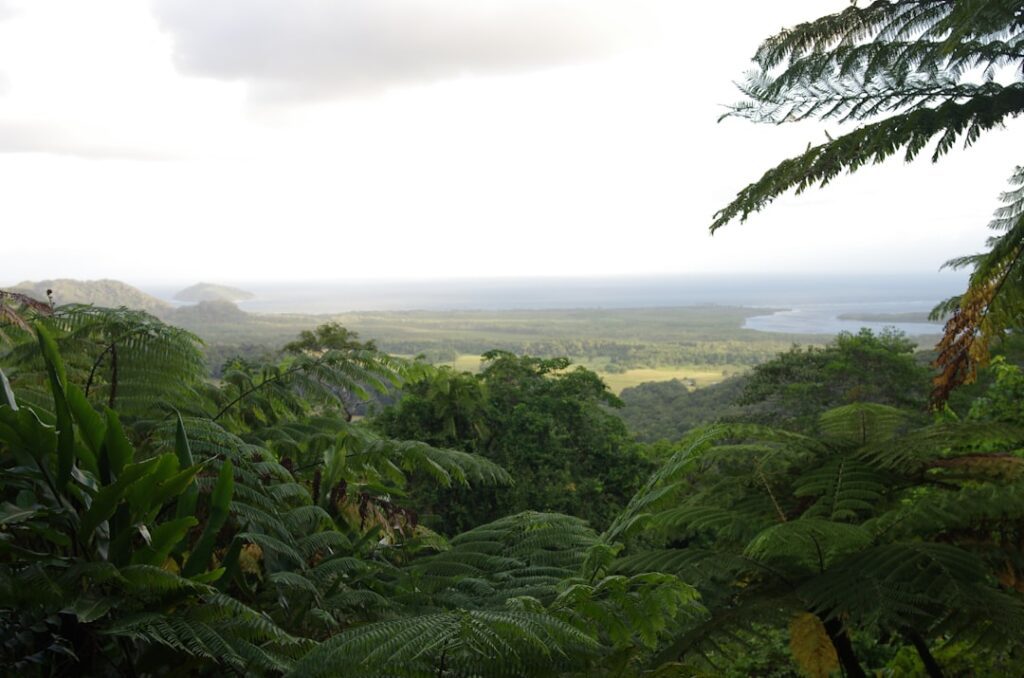
A large body of water surrounded by lush green trees, The Kimberley, Australia
| Category | Budget | Mid-range | Luxury |
|---|---|---|---|
| Accommodation | $30-$60/night (camping, hostel dorm) | $150-$300/night (motel, station stay cabin) | $600-$2000+/night (wilderness lodge, luxury safari tent) |
| Meals | $15-$25/meal (roadhouse burger, self-catering) | $30-$60/meal (pub meal, cafe lunch) | $80-$150+/meal (lodge fine dining) |
| Transport | $100-$150/day (4WD rental + fuel split between 4) | $200-$300/day (private 4WD tour seat) | $1000+/day (scenic flights between lodges) |
| Activities | Free (hiking, swimming holes) | $50-$150 (guided gorge tour, Horizontal Falls day trip) | $400-$800 (helicopter flight over Bungle Bungles, multi-day cruise) |
| Daily Total | $150-$250 per day | $400-$700 per day | $1500-$3000+ per day |
Top Attractions and Must-See Sights
| Attraction | Description | Hours | Entry Fee |
|---|---|---|---|
| Purnululu National Park (Bungle Bungles) | Walk among the otherworldly, beehive-shaped sandstone domes striped in orange and black. | Park accessible 6 AM – 6 PM; access road is 4WD only. | $15 per vehicle (up to 12 people) for a 7-day pass. |
| Horizontal Falls | Experience the powerful tidal phenomenon where water rushes horizontally between cliff gaps. | Tours operate daily from Broome or Derby, typically 7 AM – 5 PM. | From $450 for a scenic flight; $800+ for boat & flight combo. |
| Mitchell Falls | A majestic four-tiered waterfall best viewed from the air or after a challenging 8km return hike. | Accessible during Dry season; hike recommended in morning. | Park entry fee applies (varies). Helicopter flights from $220. |
| Cable Beach, Broome | 22km of pristine white sand famous for its camels at sunset and turquoise Indian Ocean waters. | Beach accessible 24/7; camel rides at sunrise and sunset. | Free; camel rides approx. $70-$90 per person. |
3-Day Itinerary: The Kimberley, Australia’s Highlights & Hidden Gems
Day 1: Broome’s Coastal Charms & Cultural Heart
- Morning (7-9 AM): Start at the Broome Historical Museum ($12 entry) to understand the town’s pearling history. Then, browse the genuine South Sea pearls at Linneys on Dampier Terrace.
- Afternoon (12-3 PM): Grab a famous mango smoothie from The Good Cart at Town Beach, then visit the Japanese Cemetery, a poignant reminder of Broome’s multicultural past. For lunch, head to Matso’s Broome for their iconic ginger beer and a mango-infused barramundi burger.
- Evening (6-8 PM): Witness the iconic Cable Beach sunset camel ride spectacle (book with Red Sun Camels for $85). Follow with dinner at Aarli, serving modern Australian fare with native ingredients like kangaroo and quandong.
Day 2: The Mighty Gibb River Road & Gorges
- Morning (6 AM start): Drive 2 hours from Derby to Windjana Gorge. Arrive early to see freshwater crocodiles basking on the banks and walk the 3.5km trail through the towering limestone walls.
- Afternoon (12-3 PM): Continue to Tunnel Creek ($12 entry), a 750-meter-long cave system you can wade through (torch essential!). This is a sacred site where Jandamarra, the Indigenous resistance fighter, hid. Pack a picnic lunch, as services are sparse.
- Evening (6-8 PM): Stay at a classic Kimberley cattle station like Birdwood Downs Station Stay (from $35 for camping). Enjoy a hearty station dinner and stargazing under some of the darkest skies on Earth.
Day 3: Ancient Art & Aerial Wonders
- Morning (7 AM): Take a scenic flight from Kununurra ($550-$700) over the mind-bending Bungle Bungle domes and the vast Lake Argyle. Your best bet is to book with Aviair or Kingfisher Tours.
- Afternoon (12-3 PM): After your flight, drive to Mirima National Park (Hidden Valley), just 5 minutes from Kununurra. Walk the easy trails to see ancient Wandjina and Gwion Gwion (Bradshaw) rock art. For lunch, grab a gourmet wrap from The PumpHouse overlooking Lake Kununurra.
- Evening (6-8 PM): Take a sunset cruise on Lake Argyle, the largest man-made lake in the southern hemisphere. Spot wallabies and freshwater crocodiles before toasting the day with a glass of wine as the sky ignites. Dinner at the Lake Argyle Resort bistro is a perfect end.
Cultural Insights & Etiquette
- Language: English is spoken everywhere. Learning a few words of local Aboriginal languages is a sign of respect; “Kaya” means hello in Noongar (used in the south), and “Wanjoo” is a welcome in Yawuru (Broome area).
- Customs: Always seek permission before photographing Aboriginal people or specific cultural sites. Many rock art sites are sacred men’s or women’s business; heed all signage and guide instructions.
- Tipping: Not expected but appreciated for exceptional service in restaurants (5-10%). Tour guides often receive tips, especially on multi-day adventures.
- Dress Code: Practical, sun-smart clothing is key: wide-brimmed hats, long sleeves, and sturdy walking shoes. Swimwear is for beaches and pools only; cover up when in towns.
- Business Hours: Shops generally open 9 AM – 5 PM. Many smaller businesses close on Sundays. Note: “Kimberley Time” is a real thing—things often move at a relaxed pace.
Where to Eat: The Kimberley, Australia’s Best Bites
Dining in the Kimberley ranges from legendary roadhouse burgers to sophisticated lodge cuisine featuring bush tucker. Fresh seafood, especially barramundi and mud crab, is a highlight, often paired with tropical fruits like mango and passionfruit.
Must-Try Local Specialties
- Barramundi: This iconic Australian fish is at its best here, often grilled with native spices. Try it at The Wharf Restaurant in Broome or the cook-your-catch BBQ at Lake Argyle Village.
- Kimberley Beef: Raised on vast stations, the beef is famously flavorful. Order a steak at the Derby Boab Inn or at any classic roadhouse like the Ellenbrae Station for scones.
- Bush Tucker: Seek out experiences incorporating native ingredients: lemon myrtle, wattleseed, bush tomatoes, and quandong (native peach). Many upscale lodges and tours, like those at Kooljaman at Cape Leveque, offer tasting experiences.
Restaurant Recommendations by Budget
| Type | Restaurant | Specialty | Price Range |
|---|---|---|---|
| Budget | Willare Bridge Roadhouse (on the Great Northern Hwy) | Massive, juicy beef burgers and homemade pies for hungry travelers. | $10-$25 |
| Mid-range | PumpHouse, Kununurra (on Lake Kununurra) | Modern Australian fare with a stunning view; their salt and pepper crocodile is a must-try. | $30-$60 |
| Fine dining | McAlpine House, Broome (at Cable Beach Club) | Elegant, seasonal degustation menus often featuring local seafood and native ingredients in a romantic setting. | $120-$200+ |
Where to Stay
Accommodation defines your Kimberley experience, from remote bush camping to wilderness lodges. Book extremely early, especially for the Dry season. Compare prices and book at Booking.com or Airbnb for apartments in Broome or Kununurra.
Best Neighborhoods for Accommodation
- Broome (Cable Beach area): The tourist hub with resort-style hotels, cafes, and easy beach access. Perfect for first-time visitors and those wanting amenities, but can feel busy in peak season.
- Kununurra: The eastern gateway, more laid-back than Broome, with excellent access to Lake Argyle, the Ord River, and Purnululu. Ideal for adventure-seekers and those focusing on the eastern Kimberley.
- Gibb River Road Stations: For an authentic outback experience, stay at working cattle stations like El Questro, Home Valley, or Drysdale River. They offer everything from camping to upscale cabins and are bases for exploring nearby gorges.

Brown and gray stone on brown soil, The Kimberley, Australia
FAQs: Your The Kimberley, Australia Questions Answered
1. Is The Kimberley, Australia safe at night?
In towns like Broome and Kununurra, general city precautions apply. The main safety concerns are related to the environment: never swim in rivers, billabongs, or coastal waters without checking for crocodile warnings. At night in the bush, use a torch to watch for wildlife. Always carry ample water and a satellite phone or EPIRB when traveling remotely.
2. What currency is used and are credit cards accepted?
Australian Dollars (AUD) are used. Credit cards (Visa/Mastercard) are widely accepted in towns, roadhouses, and lodges. However, cash is king in remote areas, at some smaller stations, and for markets. Savvy travelers always carry a reasonable amount of cash for incidentals and fuel.
3. How do I get from the airport to the city center?
In Broome, the airport is just 2km from town. A taxi costs about $15-$20. Most hotels offer shuttle services. In Kununurra, it’s a 5-minute, $10-$15 taxi ride into town. Pre-booking a transfer is wise. Book airport transfers at GetYourGuide for convenience.
4. Do I need to speak the local language?
No. English is universally spoken. However, learning a few basic greetings in local Aboriginal languages is a wonderful gesture of respect that will be warmly received by Indigenous communities.
5. What
Explore More Destinations
- Jozani, Tanzania on a Budget: an Ancient Forest for $35/Day (2026)
- Nsumbu, Zambia on a Budget: Wild Africa for $40/Day (2026)
- Semporna, Malaysia on a Budget: Paradise for $35/Day (2026)
- Khuzestan, Iran on a Budget: Ancient Empires for $30/Day (2026)
- Ngerulmud, Palau on a Budget: Island Majesty for $45/Day (2026)
Ready to Visit The Kimberley?
Start planning your trip today. Compare hotels, find the best tours, and get insider tips.
Your adventure in The Kimberley starts here →
Related Guides
Explore more destinations similar to The Kimberley:
- Parnaíba, Brazil: Essential Riverboat Journeys, Colonial Heritage & Untouched Dunes (2026)
- Kulob, Tajikistan: Hidden Silk Road Legacy, Mountain Vistas & Authentic Pamiri Culture (2026)
- Vung Tau, Vietnam’s Best Beaches, French Heritage & Seafood Feasts (2025)
- Lençóis’ Park, Brazil’s Best Dunes, Lagoons & Star-Filled Skies (2026)
{“@context”: “https://schema.org”, “@type”: “FAQPage”, “mainEntity”: [{“@type”: “Question”, “name”: “What is the best time to visit The Kimberley?”, “acceptedAnswer”: {“@type”: “Answer”, “text”: “The best time to visit The Kimberley depends on your preferences. Generally, the dry season offers the most pleasant weather for sightseeing and outdoor activities.”}}, {“@type”: “Question”, “name”: “How many days do I need in The Kimberley?”, “acceptedAnswer”: {“@type”: “Answer”, “text”: “Most travelers spend 3-5 days in The Kimberley to see the main attractions. A week allows for a more relaxed pace and day trips.”}}, {“@type”: “Question”, “name”: “Is The Kimberley expensive to visit?”, “acceptedAnswer”: {“@type”: “Answer”, “text”: “The Kimberley can be visited on various budgets. Accommodation ranges from hostels to luxury hotels, and local restaurants offer affordable dining.”}}]}

