
Damaraland, Namibia: Incredible Desert Elephants, Ancient Art & Volcanic Giants (2026)
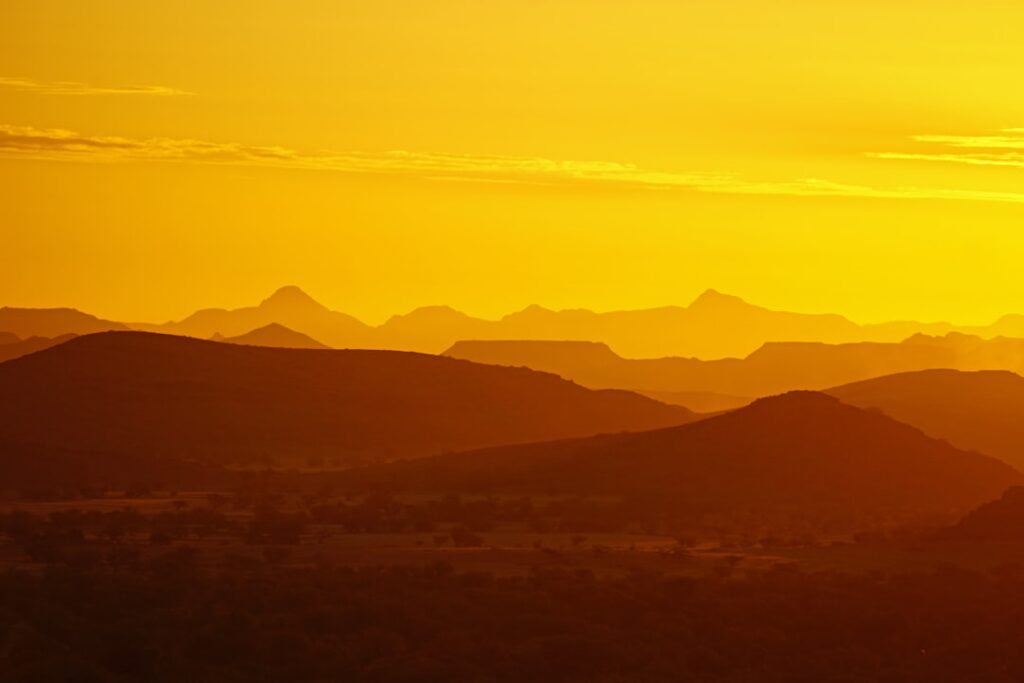
Sunset in Damaraland reveals a landscape forged by fire and time. The burnt-orange glow of the Brandberg, Namibia’s highest mountain, illuminates a vast, silent wilderness where desert-adapted elephants move like ghosts between petrified forests. This isn’t a manicured park; it’s a 4.7-million-hectare geological wonder where fewer than 15,000 people live, offering a profound sense of solitude you simply can’t find in the crowded safari circuits of Etosha to the north. Here, the adventure is raw, the history is painted on stone, and the silence is a sound in itself.
Why Damaraland, Namibia Stands Out

Green tree on brown field during daytime, Damaraland, Namibia
- Historic Architecture: The 2,000-year-old rock engravings at Twyfelfontein, a UNESCO World Heritage Site, form an open-air gallery of ancient “architecture” depicting rhinos, elephants, and seals, offering a direct line to the region’s first inhabitants.
- Cultural Scene: A visit to a living Himba or Damara community provides an immersive cultural experience, where traditions of dress, homestead building, and storytelling have been preserved for centuries.
- Local Specialties: Don’t miss a traditional *braai* (barbecue) featuring game meats like oryx or springbok, often enjoyed under a blanket of stars at your lodge.
Pro Tip: The absolute best time for wildlife viewing is the dry winter season (May to October). Animals congregate around scarce water sources, making sightings of desert-adapted elephant and black rhino far more reliable. For photography, the low-angle light of early morning and late afternoon is magical, casting long shadows across the dramatic landscapes.
Map of Damaraland, Namibia
Use these interactive maps to explore Damaraland, Namibia and plan your route:
📍 View Damaraland, Namibia on OpenStreetMap
🗺️ Open Damaraland, Namibia in Google Maps
Planning Your Trip: Practical Essentials
Getting There and Around
- By Air: Most travelers fly into Hosea Kutako International Airport (WDH) near Windhoek. From there, you’ll need a connecting charter flight to a private airstrip (like Doro Nawas or Mowani) or drive. Book flights at Skyscanner for best deals.
- By Train: There are no passenger train services to Damaraland. The region is accessed exclusively by road or air.
- By Car: A 4×4 vehicle is non-negotiable. The gravel roads (like the C39 and D2612) can be rough. The drive from Swakopmund takes about 5 hours. Compare car rentals at RentalCars.com.
- Local Transport: There is no public transport. Your options are a rented 4×4, a guided tour, or transfers arranged by your lodge. Self-drive is popular but requires careful planning and supplies.
Best Time to Visit
Damaraland’s climate is arid and seasonal shifts dictate the experience. The cool, dry winter is prime time for exploration and wildlife, while the summer brings dramatic but challenging conditions.
| Season | Weather | Highlights |
|---|---|---|
| Winter (May–Oct) | Cool, dry days (20-25°C/68-77°F) and cold nights (5-10°C/41-50°F). Virtually no rain. | Excellent wildlife viewing at waterholes, ideal hiking conditions, clear skies for stargazing. Peak season with more visitors. |
| Summer (Nov–Apr) | Very hot days (30-40°C/86-104°F) with afternoon thunderstorms possible. High humidity. | Lush, green landscapes, dramatic skies, birdlife is abundant. Fewer tourists, but some tracks may be impassable and heat can be intense. |
| Shoulder (Apr/Oct–Nov) | Transitional; warm days and moderate nights. Unpredictable short rains possible. | A good balance of pleasant weather and thinner crowds. A savvy choice for those wanting a quieter experience. |
Budgeting for Damaraland, Namibia

A pick up truck parked on the side of a dirt road, Damaraland, Namibia
| Category | Budget | Mid-range | Luxury |
|---|---|---|---|
| Accommodation | Camping (N$200-400/night) | Lodge B&B (N$2,000-4,000/night) | Full-board Luxury Lodge (N$8,000-15,000+/night) |
| Meals | Self-catered groceries | Lodge restaurant (N$250-500/meal) | Gourmet multi-course dinners included |
| Transport | 4×4 rental + fuel (N$1,200/day) | Guided day tours (N$1,500-2,500) | Private guide & vehicle included |
| Activities | Free scenic drives | Twyfelfontein (N$100), Organ Pipes (N$50) | Rhino tracking on foot (N$2,500+) |
| Daily Total | N$1,800-2,500 | N$5,000-8,000 | N$12,000+ |
Top Attractions and Must-See Sights
| Attraction | Description | Hours | Entry Fee |
|---|---|---|---|
| Twyfelfontein (UNESCO) | One of Africa’s richest rock art sites, with over 2,500 ancient engravings depicting wildlife and rituals. | Sunrise to Sunset (Guided tours essential) | N$100 per person + guide fee |
| The Petrified Forest | A geological marvel where 280-million-year-old fossilized tree trunks lie scattered in a valley, some over 30m long. | 8:00 AM – 5:00 PM | N$80 per person |
| Burnt Mountain & Organ Pipes | Spectacular volcanic phenomena: the Organ Pipes are a cliff of cooled basalt columns, and Burnt Mountain shimmers with mineral colors at sunset. | 24/7 (Best at sunset) | N$50 (combined site) |
| Brandberg Mountain | Namibia’s highest peak (2,573m) and home to the famous “White Lady” rock painting, a hike into ancient San history. | Access with guide only; early starts recommended | N$150 + mandatory guide (N$200+) |
3-Day Itinerary: Damaraland, Namibia’s Highlights & Hidden Gems
Day 1: Ancient Canvases & Volcanic Wonders
- Morning (7-9 AM): Depart your lodge early for Twyfelfontein. Book a 2-hour guided tour (N$100 + N$200 guide fee) to understand the symbolism behind the ancient engravings. The morning light makes the carvings stand out.
- Afternoon (12-3 PM): Drive 10 minutes to the Organ Pipes and Burnt Mountain. Have a packed lunch at the viewpoint. Savvy visitors know to return to Burnt Mountain just before sunset when the mineral deposits glow.
- Evening (6-8 PM): Sundowner drinks overlooking the dramatic landscape, followed by a traditional *braai* dinner at your lodge, featuring local game meat.
Day 2: Giants of the Desert & Stone
- Morning (6:30 AM): An early morning guided game drive (N$1,500-2,000) tracking desert-adapted elephants in the Huab or Aba-Huab River valleys. Your guide will explain their unique survival strategies.
- Afternoon (1 PM): Visit the Petrified Forest. The 45-minute guided walk (N$80) is fascinating—you’re walking among trees that fell before dinosaurs ruled.
- Evening (7 PM): Stargazing. With virtually zero light pollution, the Milky Way is breathtakingly clear. Many lodges have telescopes or know the best spots.
Day 3: Cultural Immersion & Mountain Majesty
- Morning (8 AM): A respectfully arranged visit to a local Himba or Damara community (N$300-500 per person, often arranged through lodges). This is a cultural exchange, not a photo op—listen and learn.
- Afternoon (12 PM): Enjoy lunch at your lodge before a scenic drive towards the Brandberg Massif.
- Evening (4 PM): Take a shorter, guided hike (like to the “White Lady”) at the base of Brandberg. The granite mountains turn fiery red in the late afternoon light, a perfect finale.
Cultural Insights & Etiquette
- Language: English is widely spoken in tourism, but the local languages are Damara/Nama and Otjiherero. A simple “Moro” (Hello) is appreciated.
- Customs: Always ask permission before photographing people, especially in Himba communities. A small fee is often expected and is appropriate. Respect personal space.
- Tipping: For guides, 10-15% of the tour cost is standard. In restaurants, 10% is customary if service isn’t included. For lodge staff, a collective tip box is common.
- Dress Code: Practical, neutral-colored clothing for safari. For community visits, modest dress (covering shoulders and knees) is a sign of respect.
- Business Hours: Small shops may keep irregular hours. Attractions are generally open daylight hours. Everything moves at a slower, “African time” pace—patience is key.
Where to Eat: Damaraland, Namibia’s Best Bites
Dining in Damaraland is almost exclusively lodge-based. The experience is about fresh, often locally sourced ingredients enjoyed in incredible settings. You won’t find street food or standalone restaurants, but the lodge chefs create memorable meals.
Must-Try Local Specialties
- Oryx Steak: Lean, flavorful, and often the star of the *braai*. Best tried at your lodge’s evening barbecue under the stars.
- Kapana: While more common in towns, if you pass a roadside grill, this spiced, grilled beef is a Namibian staple.
- Potjiekos: A slow-cooked stew made in a three-legged cast-iron pot, often with game meat and vegetables. A true taste of South African and Namibian tradition.
Restaurant Recommendations by Budget
| Type | Restaurant/Lodge | Specialty | Price Range |
|---|---|---|---|
| Budget | Camping with self-catering (Twyfelfontein Country Lodge Campsite) | Your own *braai* under the stars | N$200-400 per site |
| Mid-range | Twyfelfontein Lodge Restaurant | Buffet dinners with local game options | N$300-500 per meal |
| Fine dining | Doro Nawas Lodge or Mowani Mountain Camp | Gourmet plated dinners with paired South African wines | Included in nightly rate |
Where to Stay
Accommodation defines your Damaraland experience, ranging from rustic campsites to architectural wonders blending into the landscape. Book well in advance, especially in peak season. Compare prices and book at Booking.com or Airbnb for apartments (though lodges are more common here).
Best Areas for Accommodation
- Twyfelfontein Area: Centrally located for major attractions. Offers a range from campsites to upscale lodges. Perfect for first-time visitors wanting convenience.
- Huab River Valley: Renowned for desert elephant sightings. Lodges here are more remote and exclusive, focusing on wildlife and solitude.
- Brandberg Area: Dramatic mountain scenery. Ideal for hikers and those seeking a more rugged, spiritual connection to the landscape.

A small lizard sitting on top of a cement ground, Damaraland, Namibia
FAQs: Your Damaraland, Namibia Questions Answered
1. Is Damaraland, Namibia safe at night?
Yes, the crime rate in these remote areas is very low. The primary safety concerns are environmental: never walk alone at night due to wildlife (especially near rivers), drive only on designated roads, and always have ample water and fuel. At lodges, you are perfectly safe.
2. What currency is used and are credit cards accepted?
The Namibian Dollar (NAD) is pegged 1:1 to the South African Rand (ZAR), which is also accepted. Major lodges accept credit cards (Visa/Mastercard). However, you must carry cash (NAD) for entrance fees, community visits, tips, and any supplies from small villages. ATMs are only found in larger towns like Outjo or Khorixas.
3. How do I get from the airport to Damaraland?
There is no direct transfer. From Windhoek’s airport (WDH), you’ll either pick up a pre-booked 4×4 rental (a 5-6 hour drive north) or take a scheduled or charter flight to a private airstrip near your lodge, where you’ll be collected. Book airport transfers or tours at GetYourGuide for convenience if starting from Windhoek.
4. Do I need to speak the local language?
Not at all. English is the official language and is spoken by all tourism professionals. Learning a few greetings in Damara/Nama (“Moro” for hello, “ǃGâiǂgoâs” for thank you) will bring smiles, but it’s not necessary.
5. What’s the appropriate dress code?
Pack for safari: lightweight, breathable, neutral-colored clothing (khaki, green, beige), a wide-brimmed hat, sturdy closed shoes, and a warm jacket for cold winter nights. For community visits, ensure shoulders and knees are covered out of respect. Swimwear is for pools only.
Final Thoughts: Damaraland, Namibia Awaits
Damaraland offers something increasingly rare: a true wilderness experience intertwined with deep human history. This is not a destination for ticking off a list of big five sightings; it’s for travelers who find magic in the silence of a desert afternoon, the story told in a 2,000-year-old engraving, and the awe of watching an elephant thrive in a land of rock and sand. Your best bet is to slow down, let the scale of the landscape humble you, and listen to the stories told by the guides who know this ancient land intimately. Pack your sense of adventure, your respect for nature and culture, and prepare for a journey that changes your perspective long after you’ve left its rust-colored plains behind.
Explore More Destinations
- Jozani, Tanzania on a Budget: an Ancient Forest for $35/Day (2026)
- Nsumbu, Zambia on a Budget: Wild Africa for $40/Day (2026)
- Semporna, Malaysia on a Budget: Paradise for $35/Day (2026)
- Khuzestan, Iran on a Budget: Ancient Empires for $30/Day (2026)
- Ngerulmud, Palau on a Budget: Island Majesty for $45/Day (2026)
Ready to Visit Damaraland?
Start planning your trip today. Compare hotels, find the best tours, and get insider tips.
Your adventure in Damaraland starts here →
Related Guides
Explore more destinations similar to Damaraland:
- Sidi Ifni, Morocco: Hidden Art Deco Architecture, Atlantic Sunsets & Saharan Culture (2025)
- Marino Ballena National Park, Costa Rica: Best Whales, Tombolas & Bioluminescent Bays (2026)
- Lusaka, Zambia’s Best Markets, Culture & Southern African Soul (2026)
- Bandarban, Bangladesh’s Hidden Hills, Tribes & Waterfall Wonders (2026)
{“@context”: “https://schema.org”, “@type”: “FAQPage”, “mainEntity”: [{“@type”: “Question”, “name”: “What is the best time to visit Damaraland?”, “acceptedAnswer”: {“@type”: “Answer”, “text”: “The best time to visit Damaraland depends on your preferences. Generally, the dry season offers the most pleasant weather for sightseeing and outdoor activities.”}}, {“@type”: “Question”, “name”: “How many days do I need in Damaraland?”, “acceptedAnswer”: {“@type”: “Answer”, “text”: “Most travelers spend 3-5 days in Damaraland to see the main attractions. A week allows for a more relaxed pace and day trips.”}}, {“@type”: “Question”, “name”: “Is Damaraland expensive to visit?”, “acceptedAnswer”: {“@type”: “Answer”, “text”: “Damaraland can be visited on various budgets. Accommodation ranges from hostels to luxury hotels, and local restaurants offer affordable dining.”}}]}

