
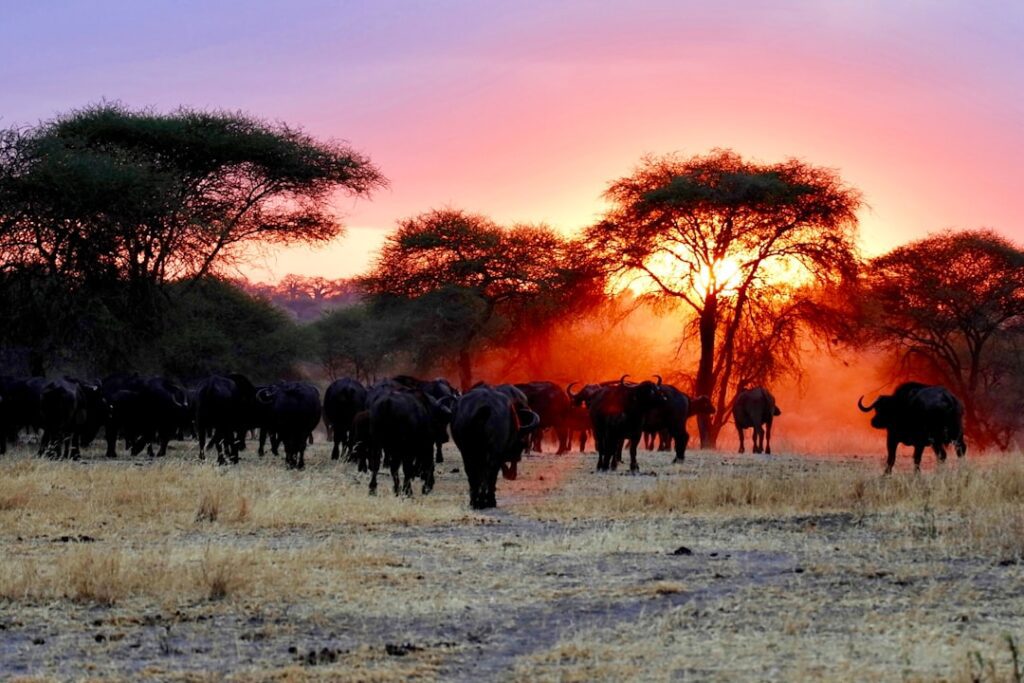
Arusha National Park, Tanzania’s Epic Volcanoes, Canoe Safaris & Rare Wildlife (2026)
While crowds flock to the Serengeti for the Great Migration, Arusha National Park delivers a breathtakingly diverse safari experience in a single, compact 552-square-kilometer park. Here, savvy travelers can spot giraffes silhouetted against the perfect cone of Mount Meru, paddle silently past hippos on Momella Lakes, and hike through misty montane forest to see black-and-white colobus monkeys—all in one day, and often with just a handful of other visitors.
Why Arusha National Park, Tanzania Stands Out

A herd of zebra standing on top of a lush green field, Arusha National Park, Tanzania
- Historic Architecture: The park’s Ngurdoto Crater, a 3km-wide volcanic caldera formed millennia ago, is often called the “Little Ngorongoro” and offers a dramatic, self-contained ecosystem teeming with wildlife.
- Cultural Scene: The park is the spiritual home of the Mount Meru climb, a 3-4 day trek considered a sacred rite of passage by the local Meru people and a quieter, steeper alternative to Kilimanjaro.
- Local Specialties: After a morning game drive, you must try a hearty plate of Nyama Choma (grilled meat, often goat or beef) with Ugali (maize porridge) at a nearby lodge.
Pro Tip: Your best bet for clear views of both Mount Meru and Kilimanjaro, and for avoiding the heavier rains, is to visit during the dry seasons from late June to October or from December to February. Arrive at the park gate by 6:30 AM to maximize wildlife sightings in the cool morning air.
Map of Arusha National Park, Tanzania
Use these interactive maps to explore Arusha National Park, Tanzania and plan your route:
📍 View Arusha National Park, Tanzania on OpenStreetMap
🗺️ Open Arusha National Park, Tanzania in Google Maps
Planning Your Trip: Practical Essentials
Getting There and Around
- By Air: Fly into Kilimanjaro International Airport (JRO), about 50km away. Major airlines like KLM, Qatar Airways, and Ethiopian Airlines serve it. Pre-book a private transfer (approx. $60-80) or shared shuttle to Arusha town, the gateway to the park. Book flights at Skyscanner for best deals.
- By Train: No direct train service to the park. The Tanzania-Zambia Railway (TAZARA) and Central Line serve Dar es Salaam. From Arusha town, you’ll need road transport. Reserve tickets at Trainline or the national railway website.
- By Car: A 4×4 vehicle is mandatory for park entry. The drive from Arusha town takes about 45 minutes via the well-signposted Arusha-Moshi road. You can rent a car with a driver-guide (highly recommended) from agencies in Arusha. Compare car rentals at RentalCars.com.
- Local Transport: Within the park, transport is exclusively via your pre-arranged safari vehicle. There is no public transport inside. All tours include private transport.
Best Time to Visit
The park is a year-round destination, but wildlife viewing and trekking conditions vary significantly with the seasons. The dry seasons offer the best visibility and animal concentrations around water sources.
| Season | Weather | Highlights |
|---|---|---|
| Dry Season (Jun–Oct) | Sunny, warm days (20-25°C), cold nights, very little rain. | Prime wildlife viewing, clear mountain views, best for photography and trekking. Peak tourist season. |
| Short Dry Season (Dec–Feb) | Warm, mostly dry, with occasional brief showers. | Excellent birdwatching (migrant species), lush scenery, fewer crowds than mid-year. |
| Wet Seasons (Mar–May & Nov) | Heavy, persistent rain, especially in April/May. Humid and cloudy. | Landscape is vividly green, park is very quiet, lower accommodation rates. Some roads may be challenging. |
Budgeting for Arusha National Park, Tanzania

An elephant walks across a grassy savanna., Arusha National Park, Tanzania
| Category | Budget | Mid-range | Luxury |
|---|---|---|---|
| Accommodation | $20-50 (camping or basic hostel in Arusha) | $150-300 (comfortable lodge on park periphery) | $400-800+ (exclusive luxury lodge or tented camp) |
| Meals | $10-15 (local eateries in Arusha) | $25-40 (lodge restaurant meals) | $60+ (fine dining at luxury camps) |
| Transport | $50/day (shared safari vehicle seat) | $150-250/day (private 4×4 with driver) | $300+/day (private luxury vehicle & guide) |
| Activities | $45 (park entry fee per 24hrs) + guided walk fee | $200 (full-day game drive + canoe safari) | $1000+ (private guided trek or specialist photography safari) |
| Daily Total | $125-160 | $525-840 | $1760+ |
*Note: Daily totals assume a safari package including park fees, transport, guide, and accommodation. Budget tier often involves camping outside the park.
Top Attractions and Must-See Sights
| Attraction | Description | Hours | Entry Fee |
|---|---|---|---|
| Mount Meru | Tanzania’s second-highest peak (4,566m), a stunning stratovolcano offering a spectacular and less-crowded multi-day trek. | Climb starts early AM; park gate 6:00 AM – 6:00 PM | Included in park fee + $20 rescue fee + guide/cook fees (~$1000 total for trek) |
| Momella Lakes | A series of seven alkaline lakes, each a different hue, famous for flamingos, hippos, and incredible canoe safaris. | Park hours; canoe safaris 8:00 AM – 4:00 PM | Park fee + ~$50 per person for canoe safari |
| Ngurdoto Crater | A breathtaking, forest-fringed volcanic caldera inhabited by buffalo, warthogs, and monkeys—viewable only from the rim. | Accessible during park hours | Included in park entry fee |
| Fig Tree Arch | A magnificent natural arch formed by two giant fig trees, a famous photo spot often visited by giraffes and elephants. | Accessible during park hours | Included in park entry fee |
3-Day Itinerary: Arusha National Park, Tanzania’s Highlights & Hidden Gems
Day 1: Lakes, Volcanoes & Gentle Giants
- Morning (7:00 AM): Enter the park at the Momella Gate. Enjoy a game drive around the Momella Lakes, spotting flamingos, hippos, and waterbuck. Your best bet for seeing giraffes is in the open acacia woodlands here.
- Afternoon (12:30 PM): Have a packed lunch at a scenic viewpoint overlooking the lakes. Then, take a guided walking safari (approx. $20 pp) from the Momella area—a unique chance to stretch your legs and learn about smaller flora and fauna.
- Evening (5:00 PM): Sunset game drive towards the Fig Tree Arch for iconic photos. Exit the park and check into your lodge. Dine at your lodge, trying the local specialty, Mtori (a banana and meat stew).
Day 2: Crater Rims & Canoe Adventures
- Morning (6:30 AM): Early drive to the rim of Ngurdoto Crater. Spend the morning at various lookout points, using binoculars to spot wildlife in the crater bowl below. Listen for the roaring calls of black-and-white colobus monkeys in the forest.
- Afternoon (1:00 PM): Return to the Momella area for lunch at a lodge like Momella Wildlife Lodge. Then, embark on a tranquil canoe safari ($50 pp) on one of the smaller lakes, gliding past hippo pods and countless birds.
- Evening (6:00 PM): Relax at your lodge. Savvy visitors often request a sundowner drink at a vantage point to watch the sky turn pink behind Mount Meru.
Day 3: Mountain Forests & Cultural Touch
- Morning (7:00 AM): Take a guided hike into the montane rainforest on the lower slopes of Mount Meru. This 3-4 hour walk is the best way to see troops of acrobatic colobus monkeys and stunning tropical birds.
- Afternoon (12:00 PM): Enjoy a final picnic lunch in the park. Depart for Arusha town. Visit the Cultural Heritage Centre for high-quality Tanzanian art and crafts.
- Evening (7:00 PM): For a final dinner, head to The Blue Heron in Arusha for excellent fusion cuisine or a local spot for an authentic Nyama Choma experience.
Cultural Insights & Etiquette
- Language: Swahili is the national language. Key phrases: “Jambo” (Hello), “Asante” (Thank you), “Hakuna Matata” (No problem). English is widely spoken by guides and in tourism.
- Customs: Always greet people politely before launching into requests. Use your right hand for giving/receiving items or handshakes. Ask permission before taking photos of people.
- Tipping: Expected for good service. For a private driver-guide, consider $15-25 per day. For a trekking team (guide, cook, porters), a collective tip of $80-120 for the group is standard.
- Dress Code: Modest, casual clothing is fine. For safaris, wear neutral colors (khaki, green, brown). For villages/towns, avoid very short shorts or revealing tops out of respect.
- Business Hours: Park gates are open 6:00 AM to 6:00 PM. Shops in Arusha typically open 8:30 AM-6:00 PM. Many places close on Sunday.
Where to Eat: Arusha National Park, Tanzania’s Best Bites
Dining within the park itself is limited to lodge restaurants, which offer a mix of international and Tanzanian cuisine. The real culinary exploration happens in Arusha town, where you can find everything from street food to upscale dining.
Must-Try Local Specialties
- Nyama Choma: Simply grilled meat (goat, beef, or chicken), often served with a side of spicy pili pili sauce and Ugali. Best tried at local “grill and beer” spots in Arusha like Khan’s Barbecue.
- Ugali & Mchuzi: The staple maize porridge served with a savory stew (mchuzi) of meat, beans, or vegetables. A filling and authentic meal available at most local eateries.
- Mandazi: Sweet, fried dough triangles, similar to doughnuts. The perfect snack with morning coffee, found at roadside stalls and markets.
Restaurant Recommendations by Budget
| Type | Restaurant | Specialty | Price Range |
|---|---|---|---|
| Budget | Khan’s Barbecue (Arusha) | Authentic, no-frills Nyama Choma in a lively setting. | $5-10 |
| Mid-range | Momella Wildlife Lodge (Park periphery) | Buffet lunches with stunning views of the lakes and giraffes on the lawn. | $15-25 |
| Fine dining | The Blue Heron (Arusha) | Creative fusion cuisine using local ingredients in a beautiful garden setting. | $30-50 |
Where to Stay
Accommodation ranges from basic camping to ultra-luxurious lodges. Most lodges are located just outside the park boundaries, offering easy access. Staying inside the park is limited to a few special campsites and one mountain hut for climbers. Compare prices and book at Booking.com or Airbnb for apartments in Arusha town.
Best Neighborhoods for Accommodation
- Momella Area (Park Eastern Edge): Characterized by stunning views of Meru and the lakes. Pros: Immediate park access, wildlife often wanders through lodge grounds. Cons: Isolated, need transport for everything. Suits safari purists.
- Arusha City Centre: Urban vibe with hotels, restaurants, and markets. Pros: More dining options, cultural experiences, often cheaper. Cons: 45-minute drive to park gate, city traffic. Suits budget travelers and those combining safari with city exploration.
- Usa River / Tengeru (Between Arusha & Park): A peaceful suburban corridor with many excellent lodges. Pros: Quiet, lush gardens, shorter drive to park than from central Arusha. Cons: Still requires transport. Suits most mid-range to luxury travelers.

Safari vehicles at the entrance of Arusha National Park in Tanzania., Arusha National Park, Tanzania
FAQs: Your Arusha National Park, Tanzania Questions Answered
1. Is Arusha National Park, Tanzania safe at night?
Inside the park, while on safari or at a secured lodge, it is very safe. You will be with guides and in protected areas. In Arusha town, exercise standard city precautions: avoid walking alone at night in poorly lit areas, use registered taxis, and keep valuables secure.
2. What currency is used and are credit cards accepted?
The Tanzanian Shilling (TZS) is the local currency. US Dollars are widely accepted for tourism services (park fees, tours, lodges), but notes must be printed after 2006 and be in good condition. Credit cards (Visa/Mastercard) are accepted at larger lodges and hotels in Arusha, but always carry cash for smaller expenses, tips, and markets.
3. How do I get from the airport to the park?
From Kilimanjaro Airport (JRO), you have three main options: a pre-booked private transfer directly to a lodge near the park ($80-100), a shared shuttle to Arusha town ($20-30) followed by a separate taxi to your lodge, or a domestic flight to Arusha Airport (ARK) which is closer. Most safari packages include this transfer. Book airport transfers at GetYourGuide for convenience.
4. Do I need to speak the local language?
No. English is the language of tourism in Tanzania. All safari guides and lodge staff speak excellent English. Learning a few basic Swahili greetings (Jambo, Asante) is greatly appreciated by locals and adds to the experience.
5. What’s the appropriate dress code?
Explore More Destinations
- Jozani, Tanzania on a Budget: an Ancient Forest for $35/Day (2026)
- Nsumbu, Zambia on a Budget: Wild Africa for $40/Day (2026)
- Semporna, Malaysia on a Budget: Paradise for $35/Day (2026)
- Khuzestan, Iran on a Budget: Ancient Empires for $30/Day (2026)
- Ngerulmud, Palau on a Budget: Island Majesty for $45/Day (2026)
Ready to Visit Arusha National Park?
Start planning your trip today. Compare hotels, find the best tours, and get insider tips.
Your adventure in Arusha National Park starts here →
Related Guides
Explore more destinations similar to Arusha National Park:
- Tinsukia, India’s Best Tea Gardens, Tribal Culture & Wildlife Encounters (2025)
- White Plains, Liberia’s Incredible History, Resilience & Coastal Serenity (2025)
- Dogon Country, Mali: Hidden Ancient Architecture, Star Lore & Cliffside Villages (2025)
- Khao Lak, Thailand’s Essential Diving, Rainforests & Serene Beaches (2026)

