
Babylon, Iraq’s Amazing Ancient Wonders, Epic Legends & Mesopotamian Soul (2026)
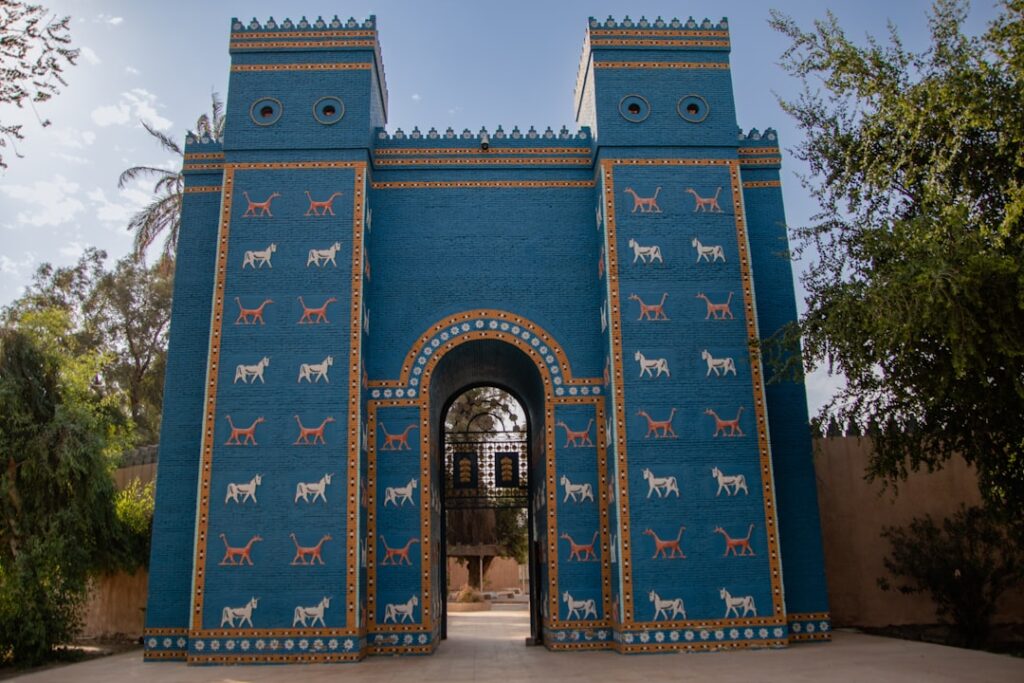
While crowds flock to the Pyramids of Giza, Babylon, Iraq delivers a profound, nearly solitary encounter with the cradle of civilization itself. Here, you can stand on the original 2,600-year-old Processional Way where Nebuchadnezzar II once paraded, tracing the same bricks inscribed with his name. The silence is palpable, broken only by the wind whispering through the reconstructed Ishtar Gate—a fraction of which is in Berlin, but its monumental spirit remains here, in the dust of its birthplace. This is history you feel in your bones, not just observe behind ropes.
Why Babylon, Iraq Stands Out

Ancient ruins with palm trees under a gradient sky, Babylon, Iraq
- Historic Architecture: The Lion of Babylon statue (circa 605-562 BC), carved from a single basalt block, is a powerful symbol of the city’s enduring strength and one of its most iconic surviving artifacts.
- Cultural Scene: The annual Babylon International Festival, when it is held, transforms the ancient ruins into a stage for music and theater, creating a surreal blend of millennia-old history and contemporary Iraqi art.
- Local Specialties: You must try Masgouf, Iraq’s national dish of seasoned, slow-grilled carp from the Tigris, best enjoyed at a riverside restaurant as the sun sets.
Pro Tip: Visit from late October to early April. The summer heat (often exceeding 45°C/113°F) is brutal for exploring vast archaeological sites. Aim for weekday mornings right at 8:00 AM opening to have iconic spots like the ruins of Nebuchadnezzar’s palace entirely to yourself before any day-tour groups arrive from Baghdad.
Map of Babylon, Iraq
Use these interactive maps to explore Babylon, Iraq and plan your route:
📍 View Babylon, Iraq on OpenStreetMap
🗺️ Open Babylon, Iraq in Google Maps
Planning Your Trip: Practical Essentials
Getting There and Around
- By Air: All international travelers fly into Baghdad International Airport (BGW). From there, Babylon is about a 90-minute drive south. Pre-book a private driver through your hotel or a reputable tour company for the safest and most convenient transfer. Book flights at Skyscanner for best deals.
- By Train: Iraq’s rail network is limited for tourists. There is no direct passenger train to the Babylon archaeological site. The most reliable way is by road. Reserve tickets at Trainline or the national railway website.
- By Car: Driving from Baghdad, take Route 8 south. Renting a car is possible but not recommended for first-time visitors due to complex checkpoints and local driving norms. Hiring a car with a knowledgeable local driver is your best bet. Compare car rentals at RentalCars.com.
- Local Transport: Within the town of Hillah (the modern city adjacent to the ruins), taxis are the primary mode. Agree on a fare before getting in. For exploring the extensive archaeological site itself, be prepared for a lot of walking on uneven terrain.
Best Time to Visit
Timing is everything in Mesopotamia. The climate dictates not just comfort, but the quality of your experience. The sweet spot is the cooler months, when exploring the sprawling ruins is a pleasure rather than an endurance test.
| Season | Weather | Highlights |
|---|---|---|
| Summer (Jun–Aug) | Extremely hot and dry, 40-50°C (104-122°F). Intense sun. | Very few tourists; some indoor museums are air-conditioned. Not ideal for extensive site exploration. |
| Winter (Dec–Feb) | Cool and mild, 8-18°C (46-64°F). Can be rainy. | Perfect walking weather. Clear skies for photography. The most pleasant overall experience. |
| Shoulder (Apr–May/Sep–Oct) | Warm to hot, 25-35°C (77-95°F). Dry with cooler evenings. | Excellent conditions. Spring offers greener landscapes. Ideal for full-day archaeological exploration. |
Budgeting for Babylon, Iraq

Panoramic view of Saddam’s Babylonian Palace atop a hill in Hillah, Babylon, Iraq
| Category | Budget | Mid-range | Luxury |
|---|---|---|---|
| Accommodation | $30-50/night (basic local hotel in Hillah) | $80-150/night (comfortable hotel with amenities) | $200+/night (high-end Baghdad hotel, day trip to Babylon) |
| Meals | $5-10 (street food, local kebab shops) | $15-25 (sit-down restaurant meals) | $40+ (fine dining in Baghdad) |
| Transport | $20-30/day (shared taxi from Hillah) | $80-120/day (private car & driver from Baghdad) | $200+/day (private guided tour with luxury transport) |
| Activities | $2 (Babylon site entry) | $50 (guided site tour) | $150+ (comprehensive multi-day private archaeological tour) |
| Daily Total | $60-100 | $200-350 | $500+ |
Top Attractions and Must-See Sights
| Attraction | Description | Hours | Entry Fee |
|---|---|---|---|
| The Ishtar Gate (Reconstruction) | Walk through this stunning, blue-glazed brick reconstruction of Nebuchadnezzar II’s grand entrance, adorned with reliefs of dragons and bulls. | 8:00 AM – 4:00 PM | Included in site ticket (~2,000 IQD / $1.50) |
| The Lion of Babylon | Marvel at this ancient, weathered basalt statue of a lion standing over a human figure—a powerful symbol of the city’s might for over 2,500 years. | 8:00 AM – 4:00 PM | Included in site ticket |
| Processional Way | Stroll along the original stone path used for religious parades, lined with walls once covered in glazed brick lions. | 8:00 AM – 4:00 PM | Included in site ticket |
| Ruins of Nebuchadnezzar’s Palace | Explore the vast, crumbling foundations of the king’s palace, where the famed Hanging Gardens were said to have been built. | 8:00 AM – 4:00 PM | Included in site ticket |
3-Day Itinerary: Babylon, Iraq’s Highlights & Hidden Gems
Day 1: The Heart of Ancient Babylon
- Morning (7-9 AM): Arrive early at the main site entrance. Head straight to the Ishtar Gate to see it in the soft morning light without crowds. Run your hand over the brickwork—many are original and still bear cuneiform inscriptions of Nebuchadnezzar II.
- Afternoon (12-3 PM): Follow the Processional Way north to the Lion of Babylon. For lunch, leave the site and head to a local restaurant in Hillah like Al-Maseef for your first taste of authentic Masgouf.
- Evening (6-8 PM): Return to the site’s outer perimeter at dusk. The silhouettes of the ruins against the Mesopotamian sunset are unforgettable. Enjoy dinner at your hotel or a simple kebab house in Hillah.
Day 2: Kings, Legends & Local Life
- Morning (8 AM): Explore the extensive ruins of Nebuchadnezzar’s Southern Palace and the nearby Greek Theatre, built much later during Alexander the Great’s time. A local guide (approx. $50) is invaluable here to point out details like the throne room base.
- Afternoon (1 PM): Visit the modest but interesting Hillah Museum to see smaller artifacts in context. For lunch, try Abu Ali in Hillah for fantastic lamb kebabs and Iraqi bread.
- Evening (6 PM): Take a leisurely drive or walk along the banks of the Euphrates River, the lifeblood of this civilization. Enjoy tea at a simple riverside café and watch local life unfold.
Day 3: Beyond the City Walls
- Morning (7 AM): Hire a car for the day (approx. $80) for the 45-minute drive to the ancient city of Borsippa, home to the impressive, crumbling ziggurat of Nabonidus. It’s a more remote and raw archaeological experience.
- Afternoon (12 PM): Return towards Babylon and stop at a local date palm orchard. This region produces some of the world’s best dates—ask to try the prized ‘Barhi’ variety.
- Evening (5 PM): Your final evening calls for a celebratory feast. Head to a well-regarded restaurant like Al-Sa’ah in Hillah for a mixed grill platter and traditional dolma, reflecting on three days spent walking in the footsteps of legends.
Cultural Insights & Etiquette
- Language: Arabic is the official language. In Hillah, few people speak fluent English. Learn key phrases: “As-salaam alaikum” (Hello), “Shukran” (Thank you), “Kam ath-thaman?” (How much?). A smile goes a long way.
- Customs: Hospitality is sacred. If invited for tea, it’s polite to accept. Use your right hand for eating and handing items. Public displays of affection are frowned upon.
- Tipping: Not always expected but greatly appreciated. In restaurants, 5-10% is generous. For a private driver or guide, consider 10-15% of the daily rate.
- Dress Code: Modesty is key. For both men and women, clothing should cover shoulders and knees. Loose, lightweight trousers and long-sleeved shirts are perfect for the climate and culture.
- Business Hours: Government sites and museums typically open 8:00 AM-2:00 PM, sometimes reopening 4:00-6:00 PM. Friday is the weekly holiday. Many businesses close during prayer times.
Where to Eat: Babylon, Iraq’s Best Bites
Iraqi cuisine is a hearty, aromatic legacy of the Fertile Crescent. In Babylon and Hillah, dining is about robust flavors—charred meat, fragrant rice, tangy herbs, and sweet dates. Most restaurants are casual, family-run affairs where the focus is on generous portions and warm hospitality.
Must-Try Local Specialties
- Masgouf: The iconic dish of Babylon. A whole carp, butterflied, marinated with tamarind and spices, and slow-grilled beside an open fire. Best enjoyed at dedicated Masgouf restaurants along the river.
- Qeema: A savory breakfast dish of minced meat, tomatoes, and chickpeas, often served with eggs and bread. It’s the ultimate fuel for a day of exploration.
- Kleicha: Iraq’s national cookie, often date-filled or spiced with cardamom. Perfect with a cup of sweet black tea. Look for them in local bakeries.
Restaurant Recommendations by Budget
| Type | Restaurant | Specialty | Price Range |
|---|---|---|---|
| Budget | Al-Maseef (Hillah, near the river) | Freshly grilled Masgouf and mezze | $8-15 per person |
| Mid-range | Abu Ali Restaurant (Central Hillah) | Exceptional lamb kebabs and biryani | $12-20 per person |
| Fine dining | Note: Fine dining is in Baghdad. For a special meal in Hillah, Al-Sa’ah offers a premium experience. | Full mixed grill platters and traditional stews | $20-30 per person |
Where to Stay
Most visitors use Hillah as a base for exploring Babylon. Accommodation ranges from basic local hotels to a few more comfortable, modern options. Many travelers on tighter itineraries choose to stay in Baghdad and make a day trip, but staying in Hillah allows for early and late access to the ruins. Compare prices and book at Booking.com or Airbnb for apartments.
Best Neighborhoods for Accommodation
- Central Hillah: The most practical choice. You’ll find the largest selection of hotels and restaurants within a short drive (10-15 mins) to the Babylon site. It’s bustling and offers a real slice of local Iraqi city life.
- Riverside Area: A quieter option with a few hotels and restaurants overlooking the Euphrates. The atmosphere is more relaxed, and you’re closer to the archaeological site’s perimeter.
- Baghdad (for day-trippers): For those prioritizing luxury and international standards, staying in Baghdad’s secure Green Zone or Karrada district and booking a private full-day tour to Babylon is the preferred (though more expensive) method.

Explore the historic ruins of ancient Babylon under the expansive Iraqi sky., Babylon, Iraq
FAQs: Your Babylon, Iraq Questions Answered
1. Is Babylon, Iraq safe at night?
Safety in Iraq is highly situation-dependent. In Hillah, the general area is considered stable, but it is not advisable to walk around alone at night. Always travel with a trusted local guide or driver after dark. Follow the advice of your hotel and local contacts, and avoid any areas they recommend against. Security checkpoints are common; always carry your passport and visa copies.
2. What currency is used and are credit cards accepted?
The Iraqi Dinar (IQD) is the currency. Cash is king—you will need it for almost everything, from site entry to taxis and restaurants. Very few places accept credit cards. Exchange money at official exchange offices in Baghdad or at the airport. Carry smaller denomination notes for daily expenses.
3. How do I get from the airport to the city center?
From Baghdad International Airport (BGW) to Hillah (the city for Babylon), it’s a 90-120 minute drive. The most secure and recommended method is to pre-arrange a private driver through your hotel or tour operator (cost: approx. $80-120 one way). Do not take unofficial taxis. Book airport transfers at GetYourGuide for convenience.
4. Do I need to speak the local language?
You do not need to be fluent, but it is essential to have a guide or fixer who is. Very little English is spoken in Hillah or at the site. Learning basic Arabic greetings is a sign of respect. For a smooth and insightful trip, hiring an English-speaking local guide is non-negotiable.
5. What’s the appropriate dress code?
Conservative, modest dress is required. For all visitors: long trousers or skirts below the knee,
Explore More Destinations
- Jozani, Tanzania on a Budget: an Ancient Forest for $35/Day (2026)
- Nsumbu, Zambia on a Budget: Wild Africa for $40/Day (2026)
- Semporna, Malaysia on a Budget: Paradise for $35/Day (2026)
- Khuzestan, Iran on a Budget: Ancient Empires for $30/Day (2026)
- Ngerulmud, Palau on a Budget: Island Majesty for $45/Day (2026)
Ready to Visit Babylon?
Start planning your trip today. Compare hotels, find the best tours, and get insider tips.
Your adventure in Babylon starts here →
Related Guides
Explore more destinations similar to Babylon:
- Lerik, Azerbaijan (longevity village)
- Puerto Deseado, Argentina: Essential Penguins, Patagonian Rivers & Maritime History (2026)
- Gabarone, Botswana: Ultimate Wildlife Encounters, Urban Sophistication & Authentic Culture (2025)
- Irkutsk, Russia’s Hidden History, Wooden Lace & The Gateway to Baikal (2026)
{“@context”: “https://schema.org”, “@type”: “FAQPage”, “mainEntity”: [{“@type”: “Question”, “name”: “What is the best time to visit Babylon?”, “acceptedAnswer”: {“@type”: “Answer”, “text”: “The best time to visit Babylon depends on your preferences. Generally, the dry season offers the most pleasant weather for sightseeing and outdoor activities.”}}, {“@type”: “Question”, “name”: “How many days do I need in Babylon?”, “acceptedAnswer”: {“@type”: “Answer”, “text”: “Most travelers spend 3-5 days in Babylon to see the main attractions. A week allows for a more relaxed pace and day trips.”}}, {“@type”: “Question”, “name”: “Is Babylon expensive to visit?”, “acceptedAnswer”: {“@type”: “Answer”, “text”: “Babylon can be visited on various budgets. Accommodation ranges from hostels to luxury hotels, and local restaurants offer affordable dining.”}}]}

