
Seto Inland Sea, Japan: Stunning Art Islands, Citrus Groves & Timeless Waterways (2026)
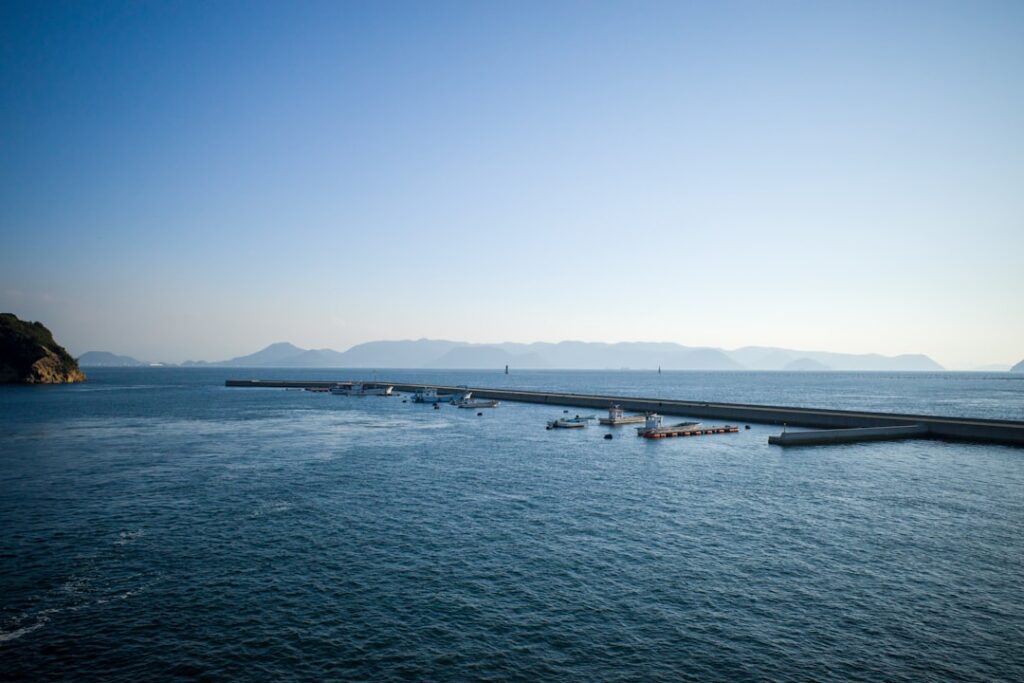
Sunset on the Seto Inland Sea reveals a landscape that feels both ancient and avant-garde. As the light softens, you’ll watch traditional wooden fishing boats, known as *taraibune*, putter past colossal, open-air sculptures on remote islands. This is Japan’s artistic and agricultural heart, a 400-kilometer-long sheltered sea dotted with over 700 islands, where centuries-old salt farms neighbor world-class contemporary art museums. While the crowds head to Tokyo and Kyoto, savvy travelers discover a slower, profoundly beautiful Japan here, where the rhythm is set by the tides and the harvest.
Why Seto Inland Sea, Japan Stands Out

An empty road next to a body of water, Seto Inland Sea, Japan
- Historic Architecture: The 13th-century Itsukushima Shrine on Miyajima, with its iconic “floating” torii gate, is a UNESCO World Heritage site and a masterpiece of Shinden-zukuri architectural style.
- Cultural Scene: The triennial Setouchi Triennale transforms sleepy islands like Naoshima and Teshima into a global art pilgrimage site with installations from artists like Yayoi Kusama.
- Local Specialties: You must try fresh, translucent *shima-aji* (striped jack) sashimi, caught daily in the nutrient-rich waters and served with a touch of local citrus.
Pro Tip: To experience the art islands without the Triennale crowds, visit in the lovely shoulder months of late October or early November. Ferry schedules are reduced, but you’ll have Yayoi Kusama’s iconic pumpkin largely to yourself. Avoid Golden Week (late April/early May) and Obon (mid-August) when domestic travel peaks.
Map of Seto Inland Sea, Japan
Use these interactive maps to explore Seto Inland Sea, Japan and plan your route:
📍 View Seto Inland Sea, Japan on OpenStreetMap
🗺️ Open Seto Inland Sea, Japan in Google Maps
Planning Your Trip: Practical Essentials
Getting There and Around
- By Air: The main gateways are Hiroshima Airport (HIJ) and Takamatsu Airport (TAK). Both have excellent domestic connections from Tokyo (Haneda) and international flights from select Asian hubs. From there, take a bus or train to the port cities. Book flights at Skyscanner for best deals.
- By Train: The Shinkansen (bullet train) stops at Hiroshima and Okayama, perfect hubs for the sea. The JR Seto-Ohashi Line crosses the Great Seto Bridge, offering stunning views. A JR Pass can be valuable for extensive travel. Reserve tickets at Trainline or the national railway website.
- By Car: Driving the Shimanami Kaido, a 70-km expressway linking Honshu to Shikoku across six islands via spectacular bridges, is a world-class cycling and driving route. Rentals are available in Onomichi or Imabari. Compare car rentals at RentalCars.com.
- Local Transport: Ferries are your lifeline. Services connect major ports like Takamatsu, Uno, and Mihara to the islands. Schedules are frequent but can be complex; always check the last return ferry. On islands, rent electric bicycles (around ¥1,500/day) – the best way to explore.
Best Time to Visit
The Seto Inland Sea enjoys a relatively mild climate, but timing is key for art, weather, and crowds. Spring and autumn are universally ideal, offering pleasant temperatures and vibrant landscapes.
| Season | Weather | Highlights |
|---|---|---|
| Summer (Jun–Aug) | Hot (25-32°C/77-90°F) and humid, with rainy season in June/July. | Lush greenery, beach activities, and the Setouchi Triennale (in Triennale years). Can be crowded and very hot. |
| Winter (Dec–Feb) | Cool to cold (5-12°C/41-54°F), rarely snowy. Windy on the water. | Fewest tourists, crisp air for hiking, and steaming hot springs (*onsen*). Some ferry routes have reduced service. |
| Shoulder (Apr–May/Sep–Oct) | Perfect (15-25°C/59-77°F), low humidity, sunny days. | Best for cycling the Shimanami Kaido, hiking, and island-hopping. Cherry blossoms in April, autumn colors in November. |
Budgeting for Seto Inland Sea, Japan

A view of a bridge over a large body of water, Seto Inland Sea, Japan
| Category | Budget | Mid-range | Luxury |
|---|---|---|---|
| Accommodation | ¥4,000-7,000 (hostels, basic minshuku) | ¥10,000-20,000 (business hotels, nice ryokan) | ¥30,000+ (luxury ryokan like Benesse House) |
| Meals | ¥2,000-3,000 (convenience store, udon shops) | ¥5,000-8,000 (good local restaurants, set meals) | ¥15,000+ (kaiseki ryori, chef’s omakase) |
| Transport | ¥2,000-3,000 (local ferries, buses) | ¥4,000-6,000 (inter-island ferries, taxi for group) | ¥10,000+ (private water taxi, car rental) |
| Activities | ¥0-2,000 (beaches, hiking, free art) | ¥3,000-5,000 (museum entries, bike rental) | ¥8,000+ (private guided tours, special workshops) |
| Daily Total | ¥8,000-15,000 | ¥22,000-39,000 | ¥60,000+ |
Top Attractions and Must-See Sights
| Attraction | Description | Hours | Entry Fee |
|---|---|---|---|
| Benesse House Museum, Naoshima | Tadao Ando’s architectural marvel, blending contemporary art (Monet, Kusama) seamlessly with the island’s nature. | 8:00-21:00 (last entry 20:00) | ¥1,050 |
| Chichu Art Museum, Naoshima | Another Ando masterpiece built underground, featuring breathtaking light installations by James Turrell and Walter De Maria. | 10:00-18:00 (Mar-Sep), 10:00-17:00 (Oct-Feb), Closed Mon | ¥2,100 |
| Itsukushima Shrine, Miyajima | The iconic “floating” Shinto shrine, a UNESCO site best seen at high tide when the great torii gate appears to drift on the sea. | 6:30-18:00 (varies seasonally) | ¥300 |
| Teshima Art Museum | Not a museum of objects, but a single, breathtaking space by architect Ryue Nishizawa, where water, light, and wind become the art. | 10:00-17:00 (last entry 16:30), Closed Tue/Wed (Mar-Nov), Closed Tue-Thu (Dec-Feb) | ¥1,570 |
3-Day Itinerary: Seto Inland Sea, Japan’s Highlights & Hidden Gems
Day 1: The Art Island Immersion – Naoshima
- Morning (7-9 AM): Take the first ferry from Uno Port (¥290, 20 mins) to Miyanoura Port on Naoshima. Rent an electric bicycle (¥1,500) and head straight to the *Red Pumpkin* by Yayoi Kusama on the pier for photos without the crowds.
- Afternoon (12-3 PM): Explore the Benesse House Museum and the nearby *Yellow Pumpkin*. For lunch, grab a simple but delicious bowl of udon at **Mikazuki**, a local favorite near Miyanoura Port. Then, bike to the Chichu Art Museum (book online in advance).
- Evening (6-8 PM): Visit the Art House Project in Honmura village, where old homes are transformed into art installations. Stay for dinner at **I♥︎YU**, a whimsical, art-filled sento (bathhouse) turned café, or take the ferry back to Uno for fresh seafood at **Marugame.
Day 2: Spiritual Serenity & Scenic Cycling – Miyajima & Shimanami
- Morning (7 AM): Take a train from Okayama to Miyajimaguchi (approx. 1.5 hours), then the ferry to Miyajima (¥180, 10 mins). Arrive early to see the torii gate in the morning light and feed the friendly deer before the day-trippers arrive.
- Afternoon (12-3 PM): Explore Itsukushima Shrine and hike (or take the ropeway) up Mt. Misen for panoramic sea views. For lunch, you must try the island’s famous *anago-meshi* (conger eel rice) at **Ueno**. In the late afternoon, travel to Onomichi, the start of the Shimanami Kaido.
- Evening (6-8 PM): Stay in a guesthouse in Onomichi’s charming temple-strewn hills. Enjoy a casual dinner of *Onomichi ramen* (rich, soy-based broth) at **Ramen Iroha** and prepare for your cycling adventure.
Day 3: Island-Hopping by Bike – Shimanami Kaido
- Morning (8 AM): Pick up your rental bike from the official terminal in Onomichi (¥1,100 for a standard bike, ¥1,500 for electric; you can drop off at the other end in Imabari). Cycle across the breathtaking Seto-Ohashi Bridge to Mukaishima Island.
- Afternoon (12-3 PM): Continue cycling across Ikuchi and Omishima islands, stopping at the Kosanji Temple’s fantastically ornate “Hill of Hope” and the Hirayama Ikuo Museum. Grab a late lunch of fresh lemon curry (a local specialty) at a café on Omishima.
- Evening (6-8 PM): Cross the final bridges to Imabari. Return your bike and celebrate with a dinner of famed Imabari *tonkatsu* (pork cutlet) at **Katsuya**. Take a train from Imabari back to your base, or stay overnight to explore Shikoku.
Cultural Insights & Etiquette
- Language: Basic Japanese phrases go a long way. Say “*Konnichiwa*” (Hello), “*Arigatou gozaimasu*” (Thank you), and “*Sumimasen*” (Excuse me). In rural areas, English is limited, but people are exceptionally helpful.
- Customs: Always remove your shoes when entering a home, ryokan, or some traditional restaurants. Be quiet and respectful on ferries and in museums. Never stick your chopsticks upright in rice.
- Tipping: Tipping is not practiced in Japan and can cause confusion. Excellent service is standard and included.
- Dress Code: Modest, comfortable clothing is fine. Have a cover-up for temple visits. For onsens, be prepared to bathe nude (gender-segregated); tattoos may be prohibited at some public baths.
- Business Hours: Museums often open at 9 or 10 AM and close by 5 or 6 PM, frequently closed on Mondays or Tuesdays. Restaurants may close between lunch and dinner (3-5 PM). Ferries have strict schedules—never assume there’s a late one.
Where to Eat: Seto Inland Sea, Japan’s Best Bites
The Setouchi region is a culinary powerhouse, famed for its *shokuzai* (ingredients). The sea provides pristine seafood, the islands yield sweet citrus like lemons and *mikan* (mandarins), and the fertile land produces olive oil and wheat for Sanuki udon, Japan’s best.
Must-Try Local Specialties
- Sanuki Udon: Thick, chewy wheat noodles from Kagawa Prefecture. For the authentic experience, head to a standing udon shop in Takamatsu like **Tamaru** or **Matsuyama**, where you choose your tempura toppings.
- Olive Beef: From Shodoshima Island, where cattle are fed olive pulp, resulting in tender, fragrant, and slightly fruity marbled beef. Try it as a steak or in burgers at **Shodoshima Olive Park**.
- Setouchi Lemons & Seafood: The region produces over half of Japan’s lemons. Don’t miss dishes like lemon *shabu-shabu* or grilled *shima-aji* with a squeeze of fresh lemon at a seaside *ryotei* like **Kaigetsu** in Onomichi.
Restaurant Recommendations by Budget
| Type | Restaurant | Specialty | Price Range |
|---|---|---|---|
| Budget | **Men-ichi**, Takamatsu | Self-service Sanuki udon in a bustling, no-frills setting. | ¥400-800 per bowl |
| Mid-range | **Café Salon Naka-Oku**, Naoshima | Delicious, artful set lunches using local vegetables, in a cozy converted house. | ¥1,500-2,500 per set |
| Fine dining | **Ryokan Kurashiki**, Kurashiki | Exquisite multi-course *kaiseki* dinners featuring seasonal Setouchi ingredients, served in a historic canal town setting. | ¥15,000-25,000 per person |
Where to Stay
Accommodation ranges from unique art lodgings to traditional ryokan and functional business hotels. Booking well in advance is crucial, especially on small islands and during festivals. Compare prices and book at Booking.com or Airbnb for apartments.
Best Neighborhoods for Accommodation
- Takamatsu, Kagawa: The main transport hub for the art islands. It’s a lively city with great food (udon!), convenient ferries, and a range of hotels. Ideal for first-time visitors and foodies.
- Naoshima/Teshima Islands: For total immersion. Options include the legendary **Benesse House** (luxury), the minimalist **Tsutsuji-so** lodge (mid-range), or family-run *minshuku* (budget). You’ll have the islands to yourself after the last ferry leaves.
- Onomichi, Hiroshima: A picturesque hillside town, perfect as a base for the Shimanami Kaido cycling route. Full of charming guesthouses, retro
A view of a city from a hill with cherry blossoms, Seto Inland Sea, Japan

Explore More Destinations
- Jozani, Tanzania on a Budget: an Ancient Forest for $35/Day (2026)
- Nsumbu, Zambia on a Budget: Wild Africa for $40/Day (2026)
- Semporna, Malaysia on a Budget: Paradise for $35/Day (2026)
- Khuzestan, Iran on a Budget: Ancient Empires for $30/Day (2026)
- Ngerulmud, Palau on a Budget: Island Majesty for $45/Day (2026)
Ready to Visit Seto Inland Sea?
Start planning your trip today. Compare hotels, find the best tours, and get insider tips.
Your adventure in Seto Inland Sea starts here →
Related Guides
Explore more destinations similar to Seto Inland Sea:
- Roraima, Venezuela’s Best Lost Worlds, Epic Hikes & Indigenous Culture (2026)
- Fish River Canyon, Namibia’s Best Solitude, Scale & Starlit Skies (2026)
- Ulaanbaatar, Mongolia: Best Nomadic Heritage, Buddhist Treasures & Wild Landscapes (2025)
- Surat Thani, Thailand: Ultimate Gateway to Islands, Ancient Forests & Riverside Charm (2026)
{“@context”: “https://schema.org”, “@type”: “FAQPage”, “mainEntity”: [{“@type”: “Question”, “name”: “What is the best time to visit Seto Inland Sea?”, “acceptedAnswer”: {“@type”: “Answer”, “text”: “The best time to visit Seto Inland Sea depends on your preferences. Generally, the dry season offers the most pleasant weather for sightseeing and outdoor activities.”}}, {“@type”: “Question”, “name”: “How many days do I need in Seto Inland Sea?”, “acceptedAnswer”: {“@type”: “Answer”, “text”: “Most travelers spend 3-5 days in Seto Inland Sea to see the main attractions. A week allows for a more relaxed pace and day trips.”}}, {“@type”: “Question”, “name”: “Is Seto Inland Sea expensive to visit?”, “acceptedAnswer”: {“@type”: “Answer”, “text”: “Seto Inland Sea can be visited on various budgets. Accommodation ranges from hostels to luxury hotels, and local restaurants offer affordable dining.”}}]}

