
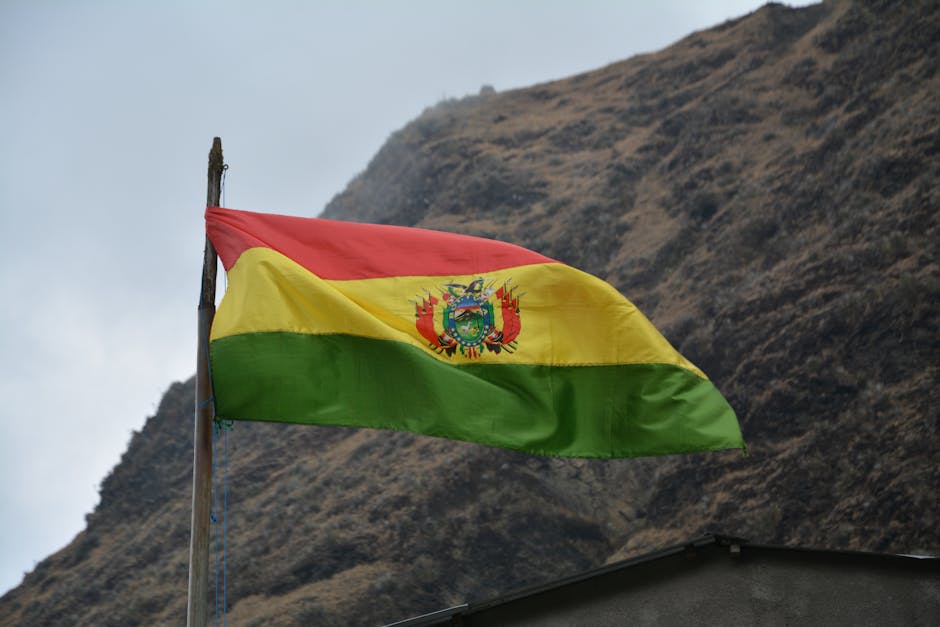
Madidi National Park, Bolivia: Ultimate Biodiversity, Indigenous Culture & Untamed Rivers (2026)
What if one of the most biodiverse places on the planet was also one of the least visited? Madidi National Park, Bolivia proves this is true. Spanning an area larger than Jamaica, from Andean peaks to Amazonian lowlands, this UNESCO-recognized park is estimated to contain over 11% of the world’s bird species. Yet, fewer than 5,000 international travelers venture here annually. Here’s how to discover a world where jaguars still roam free and ancient cultures thrive along wild rivers.
Why Madidi National Park, Bolivia Stands Out

Breathtaking view of unique rock formations against a clear blue sky, Madidi National Park, Bolivia
- Historic Architecture: The Chalalán Ecolodge, built in the 1990s by the indigenous Quechua-Tacana community, is a landmark of community-based tourism and sustainable design using traditional materials.
- Cultural Scene: The opportunity to spend time with the Tacana, T’simane, and Mosetene communities, learning about forest survival skills and spiritual traditions tied directly to the land.
- Local Specialties: Freshly caught surubí (a giant catfish) grilled over an open fire, often served with yuca and plantains, is a quintessential riverside meal.
Pro Tip: The absolute best time to visit is during the dry season from May to October. Not only are trails passable and mosquitoes less fierce, but wildlife congregates around shrinking water sources, making sightings of tapirs, capybaras, and caiman significantly more common. Book your lodge at least 3-4 months in advance for this peak period.
Map of Madidi National Park, Bolivia
Use these interactive maps to explore Madidi National Park, Bolivia and plan your route:
📍 View Madidi National Park, Bolivia on OpenStreetMap
🗺️ Open Madidi National Park, Bolivia in Google Maps
Planning Your Trip: Practical Essentials
Getting There and Around
- By Air: All journeys start with a flight to El Alto International Airport (LPB) in La Paz. From there, take a 45-minute connecting flight on Amaszonas or BoA to Rurrenabaque (RBQ), the gateway town. Book flights at Skyscanner for best deals.
- By Train: There are no passenger train services to this remote region. Overland travel from La Paz involves a grueling 18+ hour bus ride on precarious mountain roads; it’s an adventure, but flying is the recommended and safer choice.
- By Car: Self-driving is not advised. The roads are poor, rental agencies discourage it, and once in Rurrenabaque, your transport into the park will be by boat. Compare car rentals at RentalCars.com for exploring other parts of Bolivia first.
- Local Transport: From Rurrenabaque, your booked lodge will arrange all transport via motorized canoe (called a *peque-peque*) up the Beni and Tuichi Rivers. This 3-6 hour journey is your first wildlife safari.
Best Time to Visit
Your experience in Madidi is profoundly shaped by the seasons. The dry season offers accessibility and wildlife viewing, while the wet season brings lush landscapes and higher river levels for deeper exploration by boat, albeit with more rain and insects.
| Season | Weather | Highlights |
|---|---|---|
| Dry Season (May–Oct) | Sunny days, cooler nights (20-30°C/68-86°F), low rainfall, lower humidity. | Prime wildlife spotting, passable hiking trails, minimal mosquitoes, peak tourist season. |
| Wet Season (Nov–Apr) | Hot, humid (25-35°C/77-95°F), daily heavy afternoon rains, high river levels. | Lush, vibrant greenery, fantastic birding, fewer visitors, lower prices, more boat access. |
| Shoulder (Apr/Oct–Nov) | Transitional weather; can be wet or dry, temperatures moderate. | Good balance of decent weather and thinner crowds, but be prepared for variability. |
Budgeting for Madidi National Park, Bolivia

Discover the serene beauty of Yosemite National Park with majestic waterfal…, Madidi National Park, Bolivia
| Category | Budget | Mid-range | Luxury |
|---|---|---|---|
| Accommodation | $15-30/night (Rurre hostel) | $80-150/night (all-inclusive lodge 3D/2N package) | $250+/night (top-tier all-inclusive ecolodge) |
| Meals | $5-10 (local markets & comedores in Rurre) | Included in lodge packages | Included in lodge packages + premium service |
| Transport | $100-150 (round-trip flight La Paz-Rurre) | $150-200 (flight + lodge boat transfer) | $200+ (private transfers/flights) |
| Activities | $30/day (guided day trips from Rurre) | All guided hikes, boat trips included | Private guides, specialized tours (photography, birding) |
| Daily Total | $60-100/day | $120-200/day (all-inclusive) | $300+/day |
Top Attractions and Must-See Sights
| Attraction | Description | Hours | Entry Fee |
|---|---|---|---|
| Chalalán Ecolodge & Lake | A community-run paradise with a stunning oxbow lake perfect for swimming, canoeing, and observing giant otters. | Access via scheduled programs | Packages from $250/3D2N (all-inclusive) |
| Madidi Jungle Ecolodge Trails | An extensive network of trails near the Beni River, known for excellent primate sightings (spider & howler monkeys) and canopy platforms. | Dawn to dusk with guide | Packages from $200/3D2N |
| Serere Sanctuary | A private reserve focusing on wildlife rehabilitation and offering some of the best chances to see elusive mammals like peccaries and deer. | Guided visits only | ~$50/day visit from Rurre |
| Beni & Tuichi River Journey | The transport route itself is an attraction, with constant birdlife (herons, kingfishers), possible caiman, and stunning jungle scenery. | Daylight hours | Included with lodge transfer |
3-Day Itinerary: Madidi National Park, Bolivia’s Highlights & Hidden Gems
Day 1: River Arrival & Jungle Immersion
- Morning (7:00 AM): Depart Rurrenabaque by motorized canoe. Keep your binoculars ready for the 4-hour journey; your guide will point out capybara families on sandbanks and macaws flying overhead.
- Afternoon (12:30 PM): Arrive at your ecolodge (like Chalalán or Madidi Jungle). After a welcome lunch of *masaco* (mashed yuca with cheese and meat), take a short orientation walk to learn about medicinal plants.
- Evening (6:30 PM): Embark on a thrilling night walk with headlamps to spot tarantulas, tree frogs, and the reflective eyes of nocturnal creatures. Dinner at the lodge is followed by stories from your indigenous guide.
Day 2: Deep Jungle Exploration & Lake Life
- Morning (5:30 AM): Wake up for a dawn chorus birdwatching hike—the forest is most active. With luck, you’ll spot toucans or the iconic Andean cock-of-the-rock. Return for a hearty breakfast.
- Afternoon (1:00 PM): After lunch, paddle a dugout canoe on a tranquil oxbow lake like Chalalán. This is prime territory for the endangered giant otter and the bizarre hoatzin bird, known locally as the “stinkbird.”
- Evening (7:00 PM): Enjoy a traditional barbecue of fresh fish by the lake. Savvy visitors know to ask about trying *chicha*, a traditional fermented corn drink shared in community.
Day 3: Community Visit & Return to Civilization
- Morning (8:00 AM): Visit a nearby Tacana community. This isn’t a performance; it’s a chance to see daily life, learn about hunting techniques (with blowguns or bows), and understand their conservation challenges. A small donation for crafts is appreciated.
- Afternoon (12:00 PM): Share a final lunch at the lodge, then begin the return boat journey to Rurrenabaque. The river looks different heading downstream.
- Evening (6:00 PM): Back in Rurre, treat yourself to a well-earned dinner at **Juliano’s Restaurant** on the main plaza for excellent pizza and pasta, a welcome change after days of jungle fare.
Cultural Insights & Etiquette
- Language: Spanish is essential for basic communication. In indigenous communities, learning a greeting in their language (like “Quiode” for hello in Tacana) shows great respect. Guides will translate.
- Customs: Always ask permission before taking photos of people. In communities, there’s a deep spiritual connection to the forest; listen respectfully to stories and avoid dismissing beliefs.
- Tipping: Tipping your guide ($10-15/day) and lodge staff ($5-10 total) is customary and vital for the local economy. Tip in Bolivianos (BOB).
- Dress Code: Modest, practical clothing is key. Quick-dry pants, long-sleeved shirts, and sturdy boots protect from insects and thorns. Swimwear is only for the lake, not in communities.
- Business Hours: In Rurrenabaque, shops follow typical Latin hours (9am-7pm with a siesta). In the jungle, you’re on nature’s schedule—early to bed, early to rise.
Where to Eat: Madidi National Park, Bolivia’s Best Bites
Dining in Madidi is defined by your lodge’s kitchen, which provides fresh, hearty, and locally sourced meals. In Rurrenabaque, you’ll find simple but satisfying restaurants catering to backpackers and tour groups.
Must-Try Local Specialties
- Surubí a la Parrilla: The massive Amazonian catfish, grilled simply with salt over wood coals. The flesh is firm and flavorful. Best tried at your jungle lodge.
- Majao: A savory rice dish cooked with charque (dried beef), onions, and spices, often served with fried plantains. A staple in Rurre’s *comedores* like **El Litoral**.
- Tropical Fruits: Don’t miss sampling fruits you’ve likely never seen: *copuazú* (for juices), *achachairú*, and *majo* (similar to avocado).
Restaurant Recommendations by Budget
| Type | Restaurant | Specialty | Price Range |
|---|---|---|---|
| Budget | **Pizzeria El Turista** (Calle Comercio) | Hearty set lunches (*almuerzo*) and cheap, filling dinners. | $3-7 |
| Mid-range | **Juliano’s** (Plaza 2 de Febrero) | Italian-Bolivian fusion, great wood-fired pizza and pasta. | $8-15 |
| Fine dining | Lodge Dining (e.g., Chalalán) | Multi-course dinners featuring the day’s fresh catch and local produce. | Included in package |
Where to Stay
Your choice of accommodation is your choice of experience. The true magic happens inside the park at all-inclusive ecolodges. Rurrenabaque offers basic hostels for pre/post-trip nights. Compare prices and book at Booking.com for Rurre or directly with the lodges for the best jungle packages.
Best Neighborhoods for Accommodation
- Inside Madidi National Park (Ecolodges): The only way to fully immerse yourself. Lodges like **Chalalán**, **Madidi Jungle**, or **Berraco del Madidi** offer guided activities, meals, and deep access. Perfect for wildlife enthusiasts and those seeking authenticity.
- Rurrenabaque Town Center: Convenient for arriving late or leaving early. You’ll find hostels (**Hostal El Curichal**) and simple hotels. It’s functional but not where you’ll spend your meaningful time.
- Rurrenabaque Riverside: A few nicer hotels like **Hotel Los Tucanes de Rurrenabaque** offer poolside relaxation with jungle views, a good compromise for comfort while doing day trips.
Serene reflection of iconic National Capitol Columns at the National Arboretum, Madidi National Park, Bolivia
FAQs: Your Madidi National Park, Bolivia Questions Answered
1. Is Madidi National Park, Bolivia safe at night?
Within the confines of your guided ecolodge, yes, it is very safe. You are in wild animal territory, so never wander alone at night. In Rurrenabaque, exercise standard precautions: stick to well-lit areas, don’t flash valuables, and use common sense. The greatest “danger” is typically insects or an unexpected rain shower.
2. What currency is used and are credit cards accepted?
The Boliviano (BOB) is the currency. In Rurrenabaque, some hotels and nicer restaurants accept credit cards (with a fee), but cash is king. **Withdraw enough cash in La Paz before you fly to Rurre**, as ATMs in Rurre are unreliable and often out of service. Ecolodges must be paid in advance via bank transfer or sometimes cash.
3. How do I get from the airport to the city center?
Rurrenabaque’s airport is tiny and just 2km from town. Your best bet is to take a collective taxi for about 10 BOB ($1.50) per person. They wait for arriving flights. For absolute convenience, some lodges can arrange a pickup. Book airport transfers at GetYourGuide for other destinations, but for Rurre, the local taxi is straightforward.
4. Do I need to speak the local language?
You need basic Spanish for navigating Rurrenabaque, talking to taxi drivers, and ordering in restaurants. Your jungle guides will speak excellent Spanish and often good English. Learning a few key phrases (“gracias,” “¿dónde está…?”) goes a long way. In indigenous communities, your guide will translate.
5. What’s the appropriate dress code?
Function over fashion. Pack light, quick-drying clothing in neutral colors (avoid bright whites and blues, which attract insects). Essentials include: long-sleeved shirts, long pants, a wide-brimmed hat, sturdy hiking boots, sandals for the lodge, a swimsuit, and a high-quality rain jacket. Dress modestly when visiting communities.
Final Thoughts: Madidi National Park, Bolivia Awaits
Madidi National Park is
{“@context”: “https://schema.org”, “@type”: “FAQPage”, “mainEntity”: [{“@type”: “Question”, “name”: “What is the best time to visit Madidi National Park?”, “acceptedAnswer”: {“@type”: “Answer”, “text”: “The best time to visit Madidi National Park depends on your preferences. Generally, the dry season offers the most pleasant weather for sightseeing and outdoor activities.”}}, {“@type”: “Question”, “name”: “How many days do I need in Madidi National Park?”, “acceptedAnswer”: {“@type”: “Answer”, “text”: “Most travelers spend 3-5 days in Madidi National Park to see the main attractions. A week allows for a more relaxed pace and day trips.”}}, {“@type”: “Question”, “name”: “Is Madidi National Park expensive to visit?”, “acceptedAnswer”: {“@type”: “Answer”, “text”: “Madidi National Park can be visited on various budgets. Accommodation ranges from hostels to luxury hotels, and local restaurants offer affordable dining.”}}]}
Related Guides
Explore more destinations similar to Madidi National Park:

