
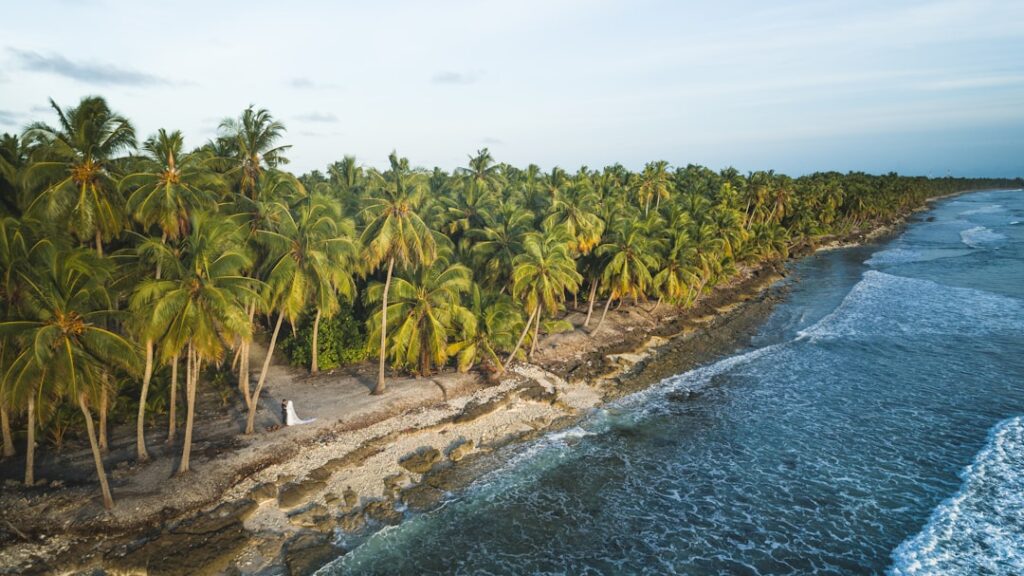
Fuvahmulah, Maldives’s Ultimate Sharks, Lakes & Island Life (2026)
While crowds flock to the overwater bungalows of North Malé Atoll, Fuvahmulah, Maldives delivers a raw, authentic island experience without the premium price tag. This single, bowl-shaped island—one of only two natural atolls in the Maldives—is a world apart, where you can cycle from a freshwater lake to a shark-filled channel in under 30 minutes. Here’s why savvy travelers choose differently, trading infinity pools for the thrill of the planet’s most consistent tiger shark diving.
Why Fuvahmulah, Maldives Stands Out

Green plant on white sand beach during daytime, Fuvahmulah, Maldives
- Historic Architecture: The 17th-century Friday Mosque (Fandiyaaru Miskiy), built from intricately carved coral stone, stands as a testament to the island’s ancient craftsmanship and Islamic heritage.
- Cultural Scene: The annual Bodu Eid celebrations transform the island with traditional drumming (Bodu Beru), feasts, and a palpable sense of community rarely seen in resort-heavy atolls.
- Local Specialties: You must try the island’s unique “Dhon Riha,” a rich, fragrant tuna curry made with a distinct blend of local spices and fresh coconut milk.
Pro Tip: For the absolute best diving conditions—crystal-clear visibility and the highest chance of seeing pelagic sharks—plan your visit between January and April. This is the dry season (Iruvai), when the Indian Ocean is at its calmest and most predictable.
Map of Fuvahmulah, Maldives
Use these interactive maps to explore Fuvahmulah, Maldives and plan your route:
📍 View Fuvahmulah, Maldives on OpenStreetMap
🗺️ Open Fuvahmulah, Maldives in Google Maps
Planning Your Trip: Practical Essentials
Getting There and Around
- By Air: Fuvahmulah Airport (FVM) is served by daily 70-minute flights from Malé via Maldivian airlines. Book flights at Skyscanner for best deals.
- By Train: No train service exists in the Maldives. Inter-atoll travel is exclusively by air or sea.
- By Car: The island is small and flat, perfect for bicycles or scooters. A few guesthouses rent scooters. Compare car rentals at RentalCars.com for potential scooter options.
- Local Transport: Your own two feet or a rented bicycle are the best ways to explore. Taxis are available but not metered; agree on a price (typically 50-100 MVR) before you ride.
Best Time to Visit
Fuvahmulah’s climate is tropical, but its location in the deep south means it experiences more distinct wet and dry seasons than the central atolls. Your activities will dictate the ideal time to visit.
| Season | Weather | Highlights |
|---|---|---|
| Dry Season (Jan–Apr) | Sunny, low humidity, minimal rain, calm seas. Avg: 28-31°C. | Prime time for diving, especially shark encounters. Excellent for cycling and beach days. Peak season for divers. |
| Wet Season (May–Dec) | Higher humidity, frequent short downpours, rougher seas. Avg: 27-30°C. | Lush, green landscapes. Fewer tourists and lower prices. Surfing can be good on the eastern side. Not ideal for beginner divers. |
| Shoulder (Late Apr/Nov–Dec) | Transitional weather; mix of sun and brief showers. | A good balance of decent diving conditions and manageable tourist numbers. A calculated risk that can pay off. |
Budgeting for Fuvahmulah, Maldives

An aerial view of a beach with houses on it, Fuvahmulah, Maldives
| Category | Budget | Mid-range | Luxury |
|---|---|---|---|
| Accommodation | $50-80 (Local guesthouse) | $100-180 (Comfortable hotel/eco-lodge) | $250+ (Premium dive liveaboard) |
| Meals | $15-25 (Local cafés & “hotaa”) | $30-50 (Hotel restaurant) | $75+ (Private dining/boat chef) |
| Transport | $5 (Bike rental) | $15-25 (Scooter/Taxi) | $150+ (Private boat transfer) |
| Activities | $0 (Beaches, lakes, cycling) | $120-200 (2-tank dive) | $400+ (Private shark safari) |
| Daily Total | $70-110 | $265-475 | $875+ |
Top Attractions and Must-See Sights
| Attraction | Description | Hours | Entry Fee |
|---|---|---|---|
| Thundi Beach & Bandaara Kilhi | A stunning juxtaposition of a white-sand beach with a unique pebble shore right beside a serene, deep freshwater lake. | Sunrise to Sunset | Free |
| Dhadimagi Kilhi (Fuvahmulah Lake) | The larger of the two iconic freshwater lakes, fringed by dense vegetation and walking paths—a biodiversity hotspot. | Sunrise to Sunset | Free |
| Fuvahmulah Harbor & Channel | The bustling heart of local life and the launch point for world-class dives; watch mantas and sharks from the jetty. | 24/7 | Free |
| Friday Mosque (Fandiyaaru Miskiy) | A historic coral stone mosque showcasing exquisite Maldivian craftsmanship from the 17th century. | Outside prayer times | Free (Dress modestly) |
3-Day Itinerary: Fuvahmulah, Maldives’s Highlights & Hidden Gems
Day 1: Land & Lake Discovery
- Morning (7-9 AM): Cycle to Thundi Beach for sunrise. Have a swim in the calm, turquoise lagoon before the day heats up. Your best bet is to rent a bike from your guesthouse the night before.
- Afternoon (12-3 PM): Explore Dhadimagi Kilhi. Walk the shaded path around the lake, looking for native birds. For lunch, head to a local “hotaa” like Rehendhi Hotaa for a massive plate of Garudhiya (tuna soup) with rice, lime, and chili ($5).
- Evening (6-8 PM): Watch the fishing boats return at the main harbor. For dinner, try Sea House for their grilled reef fish and roshi (Maldivian flatbread).
Day 2: Ocean Giants & Island Culture
- Morning (6 AM – 12 PM): Dive with Tiger Sharks. A two-tank morning dive with operators like Fuvahmulah Dive or Atoll Divers ($180-$220) offers an incredible chance to see tigers, hammerheads, and thresher sharks at sites like “Tiger Zoo.”
- Afternoon (1-4 PM): Recover with a relaxed lunch at your guesthouse. Then, visit the Friday Mosque and the small, informative Fuvahmulah Museum to understand the island’s unique geology and history.
- Evening (6 PM onwards): Enjoy a sunset stroll on the long, deserted beach on the island’s western side. Dine at Malaafaiy Restaurant, known for its hearty Maldivian curries.
Day 3: Villages & Vistas
- Morning (8-11 AM): Take a taxi or scooter to the northern village of Dhadimago. Wander the quiet, sandy streets lined with traditional houses and massive breadfruit trees. Stop at a local shop for sweet “hedhikaa” (short eats).
- Afternoon (12-3 PM): Have a final swim at Bondo Beach, known for its unique natural pool formation. For lunch, grab a delicious tuna wrap from a café near the football stadium.
- Evening (5 PM onwards): Your last activity should be watching the sunset from the harbor jetty, where you might spot eagle rays gliding in the channel. Enjoy a farewell dinner at your guesthouse, often the best place for authentic home-cooked “Dhon Riha.”
Cultural Insights & Etiquette
- Language: The local language is Dhivehi. English is widely spoken in guesthouses and dive shops. Learn “Assalaamu alaikum” (hello), “Shukuriyaa” (thank you), and “Kihineh?” (how are you?).
- Customs: Fuvahmulah is a conservative Muslim community. Public displays of affection are frowned upon. Always ask permission before photographing locals, especially women.
- Tipping: Not expected but appreciated for good service, especially for dive guides and boat crews. 5-10% in a restaurant or $5-10 per day for a dive master is a generous gesture.
- Dress Code: Swimwear is for the beach only. When in villages or public areas, cover shoulders and knees. Many guesthouses provide sarongs.
- Business Hours: Shops open around 9 AM, close for prayer times (especially midday Friday), and reopen until 10-11 PM. Government offices work Sunday-Thursday.
Where to Eat: Fuvahmulah, Maldives’s Best Bites
Dining here is about fresh, simple, and flavorful Maldivian cuisine centered around tuna, coconut, and starches. You’ll find exceptional local eateries (“hotaa”) serving large, affordable plates, alongside a growing number of guesthouse and tourist-friendly restaurants.
Must-Try Local Specialties
- Dhon Riha: The island’s signature tuna curry, less fiery and more aromatic than other versions. Try it at any local guesthouse like Fuvahmulah Lodge.
- Mas Huni: A breakfast staple of finely shredded smoked tuna, coconut, onion, and chili, served with warm roshi. Best at morning tea shops.
- Bis Keemiya: A savory pastry filled with tuna, hard-boiled egg, and spices—the perfect on-the-go snack from a bakery.
Restaurant Recommendations by Budget
| Type | Restaurant | Specialty | Price Range |
|---|---|---|---|
| Budget | Rehendhi Hotaa (Near the harbor) | Massive plates of Garudhiya with all the fixings | $4-7 |
| Mid-range | Sea House (Harbor area) | Freshly grilled whole fish and seafood pasta | $12-25 |
| Fine dining | Fuvahmulah Inn Restaurant | Upscale takes on local dishes in a comfortable setting | $20-40 |
Where to Stay
Accommodation ranges from basic, family-run guesthouses to comfortable eco-lodges catering to divers. There are no large resorts. Most places are in or near the main district of Miskimmago. Compare prices and book at Booking.com or Airbnb for apartments.
Best Neighborhoods for Accommodation
- Miskimmago (Island Center): Close to shops, the harbor, and several restaurants. Convenient but less secluded. Ideal for first-time visitors and divers.
- Dhadimago (North): A quieter, more traditional village vibe. You’ll need a bike or taxi to reach the harbor. Perfect for travelers seeking peace and cultural immersion.
- Near Thundi Beach (Southeast): A few guesthouses offer proximity to the beautiful beach. A bit remote from other services but unbeatable for sunrise swims.

Person in blue shirt walking on beach during daytime, Fuvahmulah, Maldives
FAQs: Your Fuvahmulah, Maldives Questions Answered
1. Is Fuvahmulah, Maldives safe at night?
Yes, it is generally very safe. The crime rate is extremely low. However, as in any place, use common sense: stick to lit areas if walking alone at night. The main concern is cycling on unlit roads—carry a light.
2. What currency is used and are credit cards accepted?
The Maldivian Rufiyaa (MVR) is the local currency, but US dollars are widely accepted. Credit cards are taken at most guesthouses, dive centers, and larger restaurants, but you’ll need cash for small shops, taxis, and local “hotaa.” There are ATMs on the island.
3. How do I get from the airport to the city center?
The airport is centrally located. Most guesthouses offer a free pickup service if arranged in advance. Otherwise, taxis are always waiting; a ride to any point on the island costs a fixed 50-100 MVR ($3-$6). Book airport transfers at GetYourGuide for convenience, though local arrangement is often easier.
4. Do I need to speak the local language?
No. English is commonly spoken in the tourism sector. Learning a few Dhivehi phrases, however, will earn you warm smiles and is considered a sign of great respect.
5. What’s the appropriate dress code?
Modest, loose-fitting clothing that covers shoulders and knees is mandatory when outside beach areas. Pack a light cover-up for moving between your guesthouse and the beach. Dive shops are relaxed, but change into proper attire once you’re back on land.
Final Thoughts: Fuvahmulah, Maldives Awaits
Fuvahmulah offers a rare and compelling version of the Maldives that goes far beyond the resort brochure. It’s for the traveler who finds equal joy in the adrenaline of a shark encounter and the simple peace of cycling past a freshwater lake at dusk. Here, you engage with a proud local community and experience an island ecosystem in its most complete form. Your best souvenir won’t be a trinket, but the memory of that moment on the jetty, watching the sun dip below the horizon while eagle rays dance in the channel below. Plan to spend at least four days to truly sync with the rhythm of this extraordinary island—you’ll discover it’s not just a stop, but a destination that redefines the Maldivian dream.
Related Guides
Explore more destinations similar to Fuvahmulah:
- Durmitor National Park, Montenegro’s Best Peaks, Canyons & Alpine Adventures (2025)
- Cobán, Guatemala’s Hidden Orchids, Coffee & Highland Mystique (2025)
- Portland, USA’s Essential Craft Beer, Food Carts & Forest Adventures (2025)
- Dana Biosphere Reserve, Jordan: Hidden Canyons, Conservation & Bedouin Culture (2025)
{“@context”: “https://schema.org”, “@type”: “FAQPage”, “mainEntity”: [{“@type”: “Question”, “name”: “What is the best time to visit Fuvahmulah?”, “acceptedAnswer”: {“@type”: “Answer”, “text”: “The best time to visit Fuvahmulah depends on your preferences. Generally, the dry season offers the most pleasant weather for sightseeing and outdoor activities.”}}, {“@type”: “Question”, “name”: “How many days do I need in Fuvahmulah?”, “acceptedAnswer”: {“@type”: “Answer”, “text”: “Most travelers spend 3-5 days in Fuvahmulah to see the main attractions. A week allows for a more relaxed pace and day trips.”}}, {“@type”: “Question”, “name”: “Is Fuvahmulah expensive to visit?”, “acceptedAnswer”: {“@type”: “Answer”, “text”: “Fuvahmulah can be visited on various budgets. Accommodation ranges from hostels to luxury hotels, and local restaurants offer affordable dining.”}}]}

