
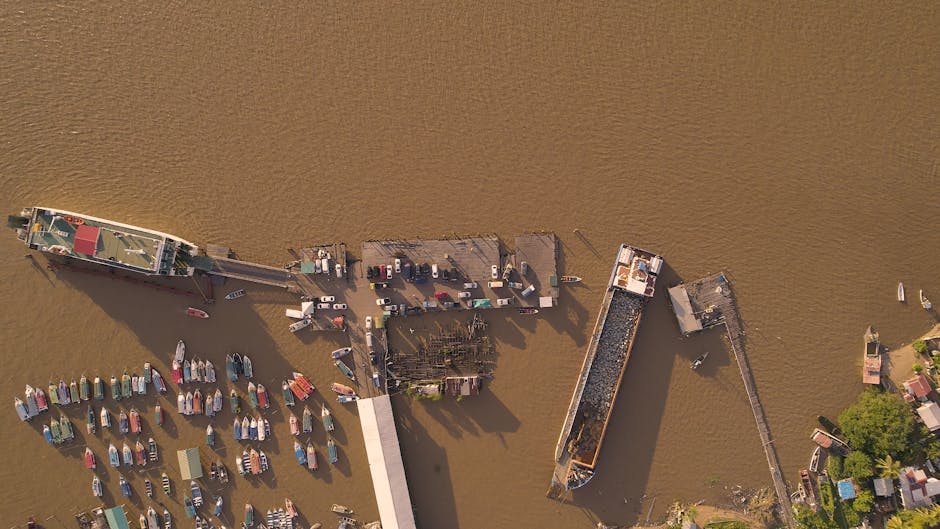
Mabaruma, Guyana’s Ultimate Frontier Culture, Rainforest Vistas & River Life (2026)
Ask locals about the capital of Guyana’s Barima-Waini region, and they’ll tell you about the cool, breezy hilltop respite from the coastal heat, a secret known to fewer than 2,000 international visitors a year. Most guidebooks miss this completely, focusing solely on Georgetown or the interior. But here, perched 80 feet above the surrounding rainforest, you’ll find a unique administrative outpost where Amerindian, Afro-Guyanese, and colonial histories converge, offering a pace of life dictated by river tides and a genuine welcome from its 3,000 residents.
Why Mabaruma, Guyana Stands Out
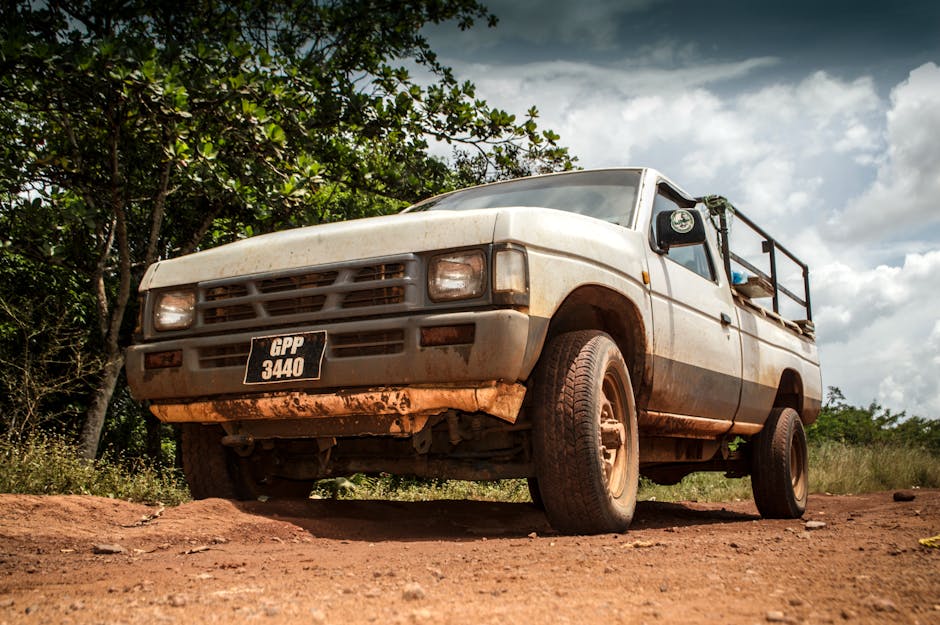
Low-angle shot of a vintage pickup truck navigating a dirt road in the Guya…, Mabaruma, Guyana
- Historic Architecture: The Mabaruma Post Office, a classic wooden colonial building from the 1930s, stands as a charming relic of British administration in the region.
- Cultural Scene: The annual Amerindian Heritage Month celebrations in September bring vibrant displays of traditional Arawak and Carib crafts, music, and storytelling to the community center.
- Local Specialties: You must try Pepperpot, Guyana’s national dish—a slow-cooked, cassareep-based meat stew—often served with fresh cassava bread from a local baker.
Pro Tip: Your best bet is to visit during the two dry seasons: February to April and August to November. This is when the rivers are navigable, roads are passable, and you can reliably take the scenic flight from Georgetown without weather delays. Aim for September to potentially catch Heritage Month festivities.
Map of Mabaruma, Guyana
Use these interactive maps to explore Mabaruma, Guyana and plan your route:
📍 View Mabaruma, Guyana on OpenStreetMap
🗺️ Open Mabaruma, Guyana in Google Maps
Planning Your Trip: Practical Essentials
Getting There and Around
- By Air: The only practical way in is via a 90-minute flight from Ogle Airport (OGL) in Georgetown to Mabaruma Airstrip (USI) on Trans Guyana Airways. Flights cost ~$150-200 USD roundtrip and run several times weekly. Book flights at Skyscanner for best deals.
- By Train: There are no passenger train services in this remote region of Guyana.
- By Car: Overland travel is an extreme expedition via rough trails from Charity; it’s not recommended for casual travelers. There are no formal car rentals in Mabaruma.
- Local Transport: Travel is by foot, bicycle, or hiring a local driver with a 4×4 for ~$50-100 GYD per short trip. For river excursions, you’ll hire boat captains directly at the Kumaka waterfront.
Best Time to Visit
Timing is everything in this river-dependent region. The climate is tropical, but rainfall dictates accessibility. The dry seasons offer the most reliable conditions for exploring.
| Season | Weather | Highlights |
|---|---|---|
| Long Dry (Feb–Apr) | Hot, 28-32°C (82-90°F), low humidity, minimal rain. | Best for river trips to Hosororo and the Venezuelan border, ideal hiking, fewest mosquitoes. Peak accessibility. |
| Short Dry (Aug–Nov) | Warm, 27-31°C (81-88°F), occasional showers. | Lush greenery, Amerindian Heritage Month (Sep), good fishing. A vibrant, green landscape with manageable travel. |
| Rainy (May–Jul, Dec–Jan) | Heavy rainfall, high humidity, flooded trails. | Very limited transport, flights often canceled. Only for those seeking solitude and don’t mind being weather-bound. |
Budgeting for Mabaruma, Guyana
A vibrant portrait of a smiling woman in a colorful garden, Mabaruma, Guyana
| Category | Budget | Mid-range | Luxury |
|---|---|---|---|
| Accommodation | $20-30 USD (basic guesthouse) | $50-80 USD (private room, meals included) | $100+ USD (best available lodge) |
| Meals | $5-10 USD (local cookshops) | $15-25 USD (lodge meals) | $30+ USD (arranged private dining) |
| Transport | Walking/Free | $10-20 USD (hired 4×4 for half-day) | $50-100 USD (private boat charter) |
| Activities | Free (hiking, village visits) | $30-50 USD (guided day trip) | $100+ USD (multi-day river expedition) |
| Daily Total | $30-50 USD | $100-150 USD | $250+ USD |
Top Attractions and Must-See Sights
| Attraction | Description | Hours | Entry Fee |
|---|---|---|---|
| Mabaruma Hilltop Walk | A scenic stroll offering panoramic views over the rainforest canopy and the Aruka River system from the town’s highest point. | Daylight Hours | Free |
| Kumaka Waterfront & Stelling | The bustling river port where life revolves around arriving boats; a perfect spot for people-watching and understanding local commerce. | Dawn to Dusk | Free |
| Hosororo Hill | A sacred Amerindian site a short drive away, featuring ancient petroglyphs (rock carvings) and a lookout with breathtaking views. | Daylight Hours | ~$5 USD guide fee |
| White Water Community | A nearby Amerindian village where you can observe and purchase traditional cassava-grating and basket-weaving crafts. | By Arrangement | Small donation expected |
3-Day Itinerary: Mabaruma, Guyana’s Highlights & Hidden Gems
Day 1: Arrival & Hilltop Immersion
- Morning (7-9 AM): Arrive on the early flight from Ogle. Settle into your guesthouse, like the Mabaruma Guesthouse, and enjoy a simple breakfast of eggs and fresh bread. The cool morning air is perfect for acclimatizing.
- Afternoon (12-3 PM): Take a guided walk of the town with a local. See the historic Post Office, the Magistrate’s Court, and the well-kept nursery gardens. For lunch, find a cookshop serving a hearty plate of rice, beans, and stewed chicken for about $8 USD.
- Evening (6-8 PM): Walk to the western edge of town for a spectacular sunset over the rainforest. Dine at your lodge, where Pepperpot is likely on the menu. Listen for the sounds of the forest coming to life at night.
Day 2: River Life & Ancient History
- Morning (8 AM): Hire a 4×4 (approx. $15,000 GYD / $75 USD for half-day) for the 30-minute drive to Hosororo Hill. A local guide (essential, ~$5 USD) will show you the mysterious petroglyphs and share legends of the area. The climb is moderate but rewarding.
- Afternoon (1 PM): Return to Kumaka waterfront. Have a late lunch at a waterside stall—try the fried fish with plantains. Spend time observing the loading and unloading of boats carrying everything from produce to fuel.
- Evening (6 PM): Enjoy a relaxed evening. If it’s a weekend, you might hear music from a local bar. Otherwise, it’s a night for stargazing; the lack of light pollution makes the sky incredibly clear.
Day 3: Community & Craft
- Morning (9 AM): Arrange a visit to the White Water or neighboring Five Star Amerindian community. Transport via 4×4 costs ~$10,000 GYD. Witness the intricate process of making cassava bread, from grating the root to baking on a large metal plate.
- Afternoon (12 PM): Share a simple lunch with a family, perhaps some of the fresh cassava bread with peanut butter or jam. Purchase directly from the artisans—a woven basket or a pair of seed earrings makes for a meaningful souvenir.
- Evening (5 PM): Return to Mabaruma for your final evening. Pack and prepare for your morning flight. Have a farewell dinner, reflecting on the slow, profound rhythm of life in Region One.
Cultural Insights & Etiquette
- Language: English is the official language, but you’ll hear Guyanese Creole and Amerindian languages like Arawak. A simple “Good morning” or “Thank you” goes a long way.
- Customs: Always ask permission before taking photos of people, especially in Amerindian villages. It’s polite to greet people you pass on the street. Community and respect for elders are paramount.
- Tipping: Not universally expected but greatly appreciated for good service. For guides, 10% is a good guideline. In restaurants, rounding up the bill is sufficient.
- Dress Code: Modest, casual clothing is best. Lightweight, breathable fabrics are essential. When visiting villages, avoid overly revealing outfits out of respect.
- Business Hours: Government offices: 8 AM – 4:30 PM. Shops keep variable hours, often closing for a midday break. Little is open on Sunday.
Where to Eat: Mabaruma, Guyana’s Best Bites
Dining in Mabaruma is a lesson in simplicity and local sourcing. There are no fancy restaurants, but plenty of flavorful, hearty meals. Most eating happens at guesthouse lodges, small cookshops, or from street-side vendors. The food is a delicious blend of Afro-Caribbean and Amerindian influences, centered around rice, root vegetables, fresh river fish, and tropical fruits.
Must-Try Local Specialties
- Pepperpot: A rich, dark stew of beef, pork, or mutton, slow-cooked with cinnamon, cassareep (a sauce made from cassava), and hot peppers. It’s traditionally served at Christmas but available in lodges year-round.
- Cassava Bread: A flat, crispy bread made from grated cassava, a staple in Amerindian communities. Best enjoyed fresh and warm, often with butter or as an accompaniment to stews.
- Fresh River Fish: Look for *hassar* (catfish) or *banga* (a type of tilapia), either fried, steamed, or in a curry. Served with rice and *metemgee* (a boiled root vegetable and dumpling dish).
Restaurant Recommendations by Budget
| Type | Restaurant | Specialty | Price Range |
|---|---|---|---|
| Budget | Various Cookshops near the Market | Daily “Cook-up” (one-pot rice and meat/bean dish) | $5-10 USD |
| Mid-range | Mabaruma Guesthouse Dining | Home-cooked set meals featuring local catches and produce | $15-25 USD |
| Fine dining | N/A – The closest is a specially arranged private dinner through your lodge. | A multi-course meal prepared with advance notice. | $30+ USD |
Where to Stay
Accommodation is basic, clean, and focused on hospitality. Most options are guesthouses or small lodges that include meals, as independent restaurants are scarce. Booking ahead is essential due to limited capacity. Compare prices and book at Booking.com or Airbnb for apartments (though Airbnb options are very limited here).
Best Neighborhoods for Accommodation
- Central Mabaruma: The most convenient area, close to the airstrip, administrative buildings, and shops. You’ll be within walking distance of everything in town. Ideal for first-time visitors.
- Kumaka Area: Closer to the river port, offering a more vibrant, bustling atmosphere. Perfect for travelers fascinated by river commerce and who don’t mind a bit more noise and activity.
- Outskirts/Community Stays: For a truly immersive experience, some families in nearby Amerindian villages offer basic homestays. This suits adventurous travelers seeking deep cultural exchange over comfort.

A young couple outdoors adjusting helmets, Mabaruma, Guyana
FAQs: Your Mabaruma, Guyana Questions Answered
1. Is Mabaruma, Guyana safe at night?
Mabaruma is generally very safe. Violent crime is rare. However, as in any place, take sensible precautions: avoid walking alone in unlit areas at night, keep valuables secure, and be aware of your surroundings. The main concern is often wildlife (insects) rather than people.
2. What currency is used and are credit cards accepted?
The Guyanese Dollar (GYD) is the currency. As of mid-2024, $1 USD ≈ $210 GYD. Credit cards are virtually useless in Mabaruma. You must bring enough cash (US dollars are widely accepted and often preferred) for your entire stay. There are no ATMs and banking facilities are extremely limited.
3. How do I get from the airport to the city center?
The Mabaruma Airstrip is just on the outskirts of town. Most guesthouses will arrange a pickup for you if notified in advance, often for a small fee (~$5-10 USD). Otherwise, you can easily walk into the center in 10-15 minutes or find a taxi (a local car) waiting for flights. Book airport transfers at GetYourGuide for convenience (though options may be limited for this specific destination).
4. Do I need to speak the local language?
No. English is the official language and is spoken by everyone. Learning a few phrases of Guyanese Creole like “Wha’ appenin’?” (What’s happening?) or “Big ups” (Thank you/Respect) will earn you smiles, but it’s not necessary for communication.
5. What’s the appropriate dress code?
Light, loose, modest clothing is key. Pack long pants and long-sleeved shirts for protection against mosquitoes, especially at dusk. Sturdy, comfortable walking shoes are a must. A hat, sunglasses, and high-SPF, eco-friendly sunscreen are essential. When visiting villages, dressing conservatively shows respect.
Final Thoughts: Mabaruma, Guyana Awaits
Mabaruma is not a destination of checklist tourism. It’s a place for the curious traveler, the one who finds beauty in the slow chug of a riverboat, the cool relief of a hilltop breeze, and the profound hospitality of a remote community. You won’t find luxury resorts, but you will discover the authentic rhythm of Guyana’s northwest frontier. Savvy visitors know the reward here is connection—to a stunning natural landscape and the resilient, welcoming people who call it home. Your most lasting souvenir will be the perspective gained from life at a different pace. Plan to disconnect, immerse, and simply be present. The hilltop vista is waiting.
Related Guides
Explore more destinations similar to Mabaruma:
- Jaipur, India’s Best Palaces, Markets & Royal Heritage (2025)
- Atlin, Canada’s Best Glaciers, Gold Rush History & Northern Solitude (2026)
- Malanje, Angola’s Best Waterfalls, Rock Art & Colonial Echoes (2025)
- Gujarat, India’s Hidden Wildlife, Ancient Temples & Vibrant Textiles (2026)
{“@context”: “https://schema.org”, “@type”: “FAQPage”, “mainEntity”: [{“@type”: “Question”, “name”: “What is the best time to visit Mabaruma?”, “acceptedAnswer”: {“@type”: “Answer”, “text”: “The best time to visit Mabaruma depends on your preferences. Generally, the dry season offers the most pleasant weather for sightseeing and outdoor activities.”}}, {“@type”: “Question”, “name”: “How many days do I need in Mabaruma?”, “acceptedAnswer”: {“@type”: “Answer”, “text”: “Most travelers spend 3-5 days in Mabaruma to see the main attractions. A week allows for a more relaxed pace and day trips.”}}, {“@type”: “Question”, “name”: “Is Mabaruma expensive to visit?”, “acceptedAnswer”: {“@type”: “Answer”, “text”: “Mabaruma can be visited on various budgets. Accommodation ranges from hostels to luxury hotels, and local restaurants offer affordable dining.”}}]}

