
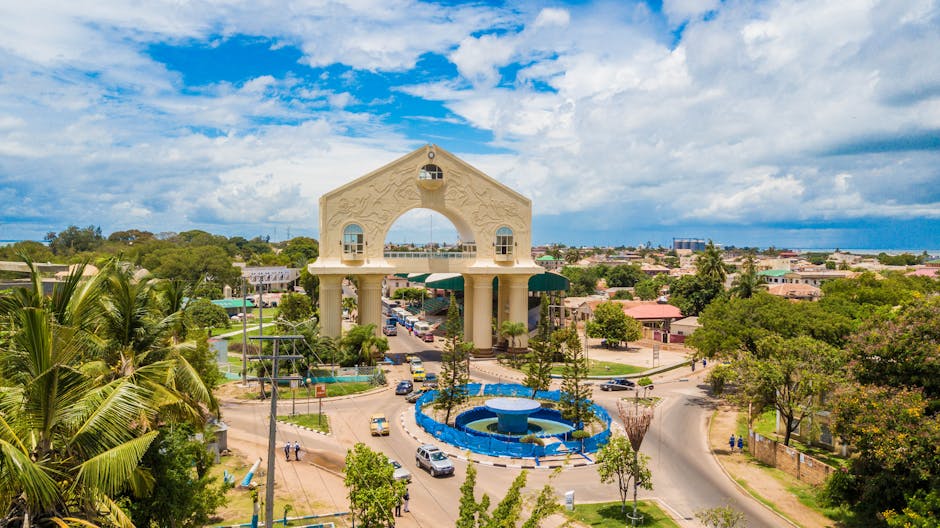
Janjanbureh, Gambia: Stunning River Life, Colonial History & Authentic Culture (2026)
While crowds flock to the coastal resorts of the Atlantic, Janjanbureh, Gambia delivers a profound sense of place and history for a fraction of the cost. For under $50 a day, you can explore a 19th-century British colonial settlement, cruise the mighty Gambia River among hippos, and sleep in a historic slave trader’s house turned guesthouse. This is the Gambia you came to find, where the river is the heartbeat and stories are etched into the very architecture.
Why Janjanbureh, Gambia Stands Out

Golden sunset over a Gambia beach with silhouette palm trees and serene seascape, Janjanbureh, Gambia
- Historic Architecture: The McCarthy Island Divisional Headquarters, built in the 1850s, stands as a poignant symbol of British colonial administration and the town’s founding.
- Cultural Scene: The annual Janjanbureh Kankurang Festival celebrates the sacred masked figure of the Kankurang, a UNESCO-recognized tradition central to Mandinka culture.
- Local Specialties: You must try Domoda, a rich, savory peanut stew served with rice, which is the heart of local cuisine here.
Pro Tip: The absolute best time to visit is from late November to early February. The weather is dry and pleasantly warm, and this coincides with the peak of birdwatching season, when over 550 species can be spotted along the riverbanks. Avoid the rainy season (July to September) when some roads become impassable.
Map of Janjanbureh, Gambia
Use these interactive maps to explore Janjanbureh, Gambia and plan your route:
📍 View Janjanbureh, Gambia on OpenStreetMap
🗺️ Open Janjanbureh, Gambia in Google Maps
Planning Your Trip: Practical Essentials
Getting There and Around
- By Air: You’ll fly into Banjul International Airport (BJL). From there, it’s a 4-5 hour journey east. Book flights at Skyscanner for best deals.
- By Train: There are no passenger train services in The Gambia. All long-distance travel is by road or river.
- By Car: Hiring a private 4×4 with a driver is highly recommended. The South Bank Road is paved but the final stretch can be rough. Compare car rentals at RentalCars.com for pick-up in Banjul.
- Local Transport: Within Janjanbureh, you’ll walk everywhere. For excursions, use the local “gele-gele” (shared minibuses) or arrange a boat. Chartered boats are the best way to explore the river islands.
Best Time to Visit
The Gambia has a distinct dry season (Nov-May) and rainy season (Jun-Oct). For Janjanbureh, the dry season is non-negotiable for comfortable exploration and wildlife viewing.
| Season | Weather | Highlights |
|---|---|---|
| Summer/Rainy (Jun–Aug) | Hot, humid, daily heavy rains (25-35°C). High humidity. | Lush green landscapes. Very few tourists, but many lodges close and travel is difficult. |
| Winter/Dry (Dec–Feb) | Warm, dry, and sunny (20-32°C). Low humidity, cool nights. | Perfect for all activities: birdwatching (peak season), river cruises, and cultural tours. Busiest time. |
| Shoulder (Mar–May/Oct–Nov) | Increasing heat before rains (Mar-May), or drying out after (Oct-Nov) (25-38°C). | Good value, fewer crowds. March-May is very hot. October can still see some rain. |
Budgeting for Janjanbureh, Gambia

Two vultures battle over food on a sandy beach in Banjul, Janjanbureh, Gambia
| Category | Budget | Mid-range | Luxury |
|---|---|---|---|
| Accommodation | GMD 800-1,500 ($12-$22) for a basic guesthouse | GMD 2,500-4,000 ($37-$60) for a comfortable lodge with meals | GMD 6,000+ ($90+) for full-board at the premier island camp |
| Meals | GMD 200-400 ($3-$6) for street food/local eateries | GMD 600-1,000 ($9-$15) for a restaurant meal with drink | GMD 1,500+ ($22+) for curated dining experiences |
| Transport | GMD 100-200 ($1.50-$3) for local *gele-gele* | GMD 1,500-2,500 ($22-$37) for a half-day private car hire | GMD 5,000+ ($75+) for private boat charters |
| Activities | Free walking tours, market visits | GMD 500-1,500 ($7-$22) for guided bird walks or museum entry | GMD 3,000+ ($45+) for full-day private guided historical & wildlife tours |
| Daily Total | GMD 1,200-2,300 ($18-$34) | GMD 5,000-8,000 ($75-$120) | GMD 15,000+ ($225+) |
Top Attractions and Must-See Sights
| Attraction | Description | Hours | Entry Fee |
|---|---|---|---|
| Janjanbureh (Georgetown) Colonial Quarter | Walk among historic buildings like the Commissioner’s Quarter, slave merchant houses, and the old prison, feeling the layers of 19th-century history. | Daylight hours | Free to walk; guided tour ~GMD 500 ($7.50) |
| Gambia River Cruise to Kunta Kinteh Island | A profound full-day journey to the UNESCO-listed island, a key departure point during the transatlantic slave trade, with a knowledgeable guide. | Tours depart 8:30 AM, return by 5 PM | GMD 2,500-4,000 ($37-$60) including boat, guide, and lunch |
| Birdwatching at River Gambia National Park (Baboon Islands) | Take a boat safari to spot hippos, crocodiles, and incredible birdlife like the Egyptian plover, with chimpanzees on the protected islands. | Morning (7-11 AM) or afternoon (3-6 PM) cruises | GMD 1,500-2,500 ($22-$37) for a shared boat tour |
| Wassu Stone Circles | Visit this mysterious UNESCO World Heritage site north of town, featuring ancient megalithic circles dating from the 8th to 12th centuries. | 9 AM – 5 PM daily | GMD 300 ($4.50) |
3-Day Itinerary: Janjanbureh, Gambia’s Highlights & Hidden Gems
Day 1: Colonial History & Riverside Immersion
- Morning (7-9 AM): Start with a guided walking tour of the Colonial Quarter. Your best bet is to arrange a guide through your lodge. Stand in the courtyard of the old slave merchant’s house, now **Janjangbureh Camp**, and hear the stories of its transformation.
- Afternoon (12-3 PM): Enjoy a simple lunch of **Benachin** (one-pot rice dish) at a local compound eatery. Then, hire a local canoe (about GMD 400/$6 per hour) for a peaceful paddle along the riverbanks, a perfect way to see birdlife up close.
- Evening (6-8 PM): Watch the sunset over the Gambia River from the ferry crossing point. For dinner, head to **Mama’s Restaurant** near the market for an authentic, hearty plate of Domoda.
Day 2: River Safari & Cultural Connection
- Morning (7:30 AM): Depart on a 3-hour boat safari to the **River Gambia National Park** (Baboon Islands). Cost is around GMD 2,000 ($30) for a shared trip. Keep your eyes peeled for hippos surfacing and the brilliant flash of kingfishers.
- Afternoon (12-3 PM): Return for a late lunch at your lodge. Then, visit the lively **Janjanbureh Market**. This isn’t for tourists; it’s where locals buy fabric, fish, and vegetables. It’s a vibrant, sensory experience.
- Evening (6-8 PM): If your visit coincides with a community event, ask about a **Kankurang** performance. Otherwise, enjoy a relaxed evening swapping stories with other travelers and lodge owners, who are fonts of local knowledge.
Day 3: Ancient Mysteries & Island Pilgrimage
- Morning (8 AM): Take a taxi (GMD 1,500/$22 round-trip) north to the **Wassu Stone Circles**. Wander among the laterite stone pillars, whose purpose remains an archaeological mystery. The small museum provides essential context.
- Afternoon (12 PM): This is the day for the significant journey to **Kunta Kinteh Island** (formerly James Island). Pack water and sunscreen. The boat trip itself, passing remote villages and mangroves, is unforgettable. The guide’s narration on the island is essential and sobering.
- Evening (7 PM): Return to Janjanbureh for a final, reflective dinner. Savvy visitors know to ask their lodge to prepare a special **Grilled River Fish** feast, the perfect fresh, local end to your journey.
Cultural Insights & Etiquette
- Language: The local language is Mandinka. English is widely understood. Learn greetings: “**Salaam aleikum**” (Hello, peace be upon you) and “**Herabe**” (Thank you).
- Customs: Always greet people before asking questions or taking photos. Use your right hand for eating, shaking hands, and giving/receiving items. The left hand is considered unclean.
- Tipping: Not mandatory but greatly appreciated. For guides, 10% is a good guideline. For small services (carrying bags), GMD 20-50 ($0.30-$0.75) is fine.
- Dress Code: Dress modestly. For both men and women, knees and shoulders should be covered, especially when visiting villages or markets. Light, loose cotton clothing is ideal.
- Business Hours: Shops and markets are generally open from 8 AM to 6 PM, with a break around midday. Friday is the Muslim holy day, so some services may be limited.
Where to Eat: Janjanbureh, Gambia’s Best Bites
Dining in Janjanbureh is about authentic, home-cooked Gambian flavors. Most eateries are simple, family-run spots or part of your accommodation. The focus is on fresh, local ingredients like rice, peanuts, fish from the river, and okra.
Must-Try Local Specialties
- Domoda: The national dish. A creamy, savory peanut stew with meat (often beef or chicken) and vegetables, served over rice. Every lodge cook makes their own version.
- Benachin (“One Pot”): A flavorful Jollof rice cooked with fish, meat, tomatoes, and vegetables. You’ll find excellent versions at local lunch spots.
- Grilled River Fish (Carp or Ladyfish): Freshly caught from the Gambia River, simply grilled with lemon and spices. Ask your lodge to prepare this the day the fishermen come in.
Restaurant Recommendations by Budget
| Type | Restaurant | Specialty | Price Range |
|---|---|---|---|
| Budget | Local Compound Eateries (near the market) | Daily rice dishes like Benachin or Domoda, served on shared plates. | GMD 200-400 ($3-$6) |
| Mid-range | Mama’s Restaurant (Central Janjanbureh) | Reliable, hearty Gambian meals in a simple, friendly setting. | GMD 500-800 ($7.50-$12) |
| Fine dining | Your Lodge Kitchen (e.g., Janjangbureh Camp) | Multi-course dinners featuring the day’s best local catch and produce, arranged in advance. | GMD 1,000-1,500 ($15-$22) |
Where to Stay
Accommodation ranges from basic guesthouses to comfortable, characterful lodges, often with river views. Most operate on a full-board basis, which is highly recommended as independent restaurants are limited. Compare prices and book at Booking.com or Airbnb for apartments (though these are rare here).
Best Neighborhoods for Accommodation
- Central Janjanbureh (Georgetown): The historic heart. You’ll be steps from colonial buildings and the market. Perfect for history buffs who want to be immersed in the town’s atmosphere. Lodges here, like **Janjangbureh Camp**, are full of character.
- Riverside, East of Town: A quieter area with lodges set in gardens along the riverbank. Offers beautiful sunset views, direct access for birdwatching, and a more relaxed vibe. Ideal for nature lovers.
- On a River Island (e.g., Bird Safari Camp): For a truly unique experience, stay on a nearby island. This is the ultimate choice for serenity and wildlife, but requires boat transfers for any town visit.
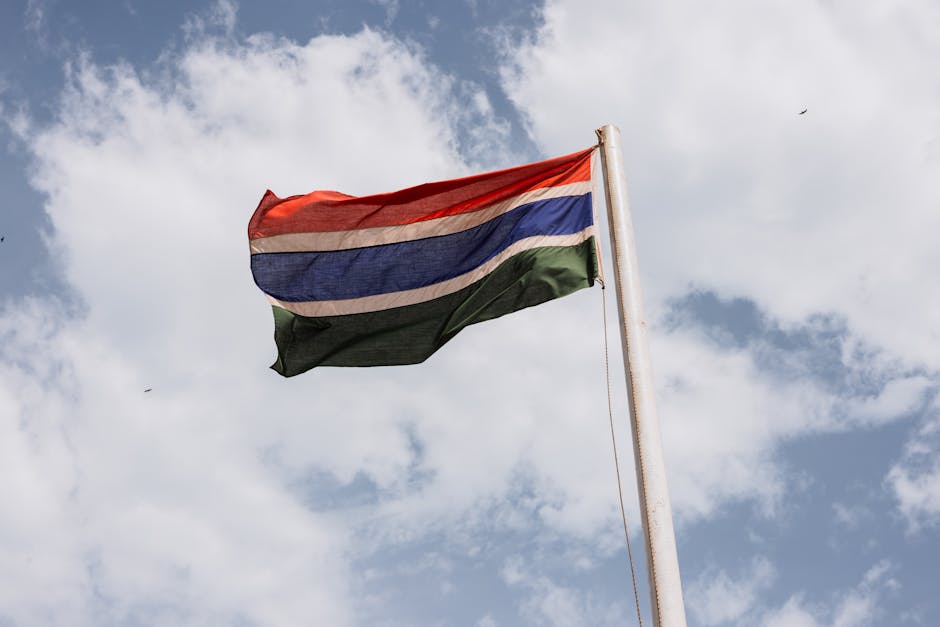
The national flag of Gambia waving proudly against a bright blue sky, Janjanbureh, Gambia
FAQs: Your Janjanbureh, Gambia Questions Answered
1. Is Janjanbureh, Gambia safe at night?
Janjanbureh is generally very safe. Violent crime is rare. However, it’s a small, quiet town with limited street lighting. Common sense applies: avoid walking alone in very dark, isolated areas at night. Most evening movement is between your lodge and a nearby restaurant, which is perfectly fine.
2. What currency is used and are credit cards accepted?
The currency is the Gambian Dalasi (GMD). Credit cards are **almost never accepted** in Janjanbureh. You must bring enough cash in Dalasi for your entire stay. Exchange money or withdraw cash (ATMs are limited) in Banjul or Serekunda before traveling upriver. Some lodges may accept USD or EUR at a poor rate, but don’t rely on it.
3. How do I get from the airport to Janjanbureh?
You have two main options. The most convenient is to pre-book a private 4×4 taxi with a driver for the 4-5 hour journey (cost: GMD 4,000-6,000 / $60-$90). Alternatively, take a taxi to Banjul ferry terminal,
Explore More Destinations
- Jozani, Tanzania on a Budget: an Ancient Forest for $35/Day (2026)
- Nsumbu, Zambia on a Budget: Wild Africa for $40/Day (2026)
- Semporna, Malaysia on a Budget: Paradise for $35/Day (2026)
- Khuzestan, Iran on a Budget: Ancient Empires for $30/Day (2026)
- Ngerulmud, Palau on a Budget: Island Majesty for $45/Day (2026)
Ready to Visit Janjanbureh?
Start planning your trip today. Compare hotels, find the best tours, and get insider tips.
Your adventure in Janjanbureh starts here →
Related Guides
Explore more destinations similar to Janjanbureh:

