
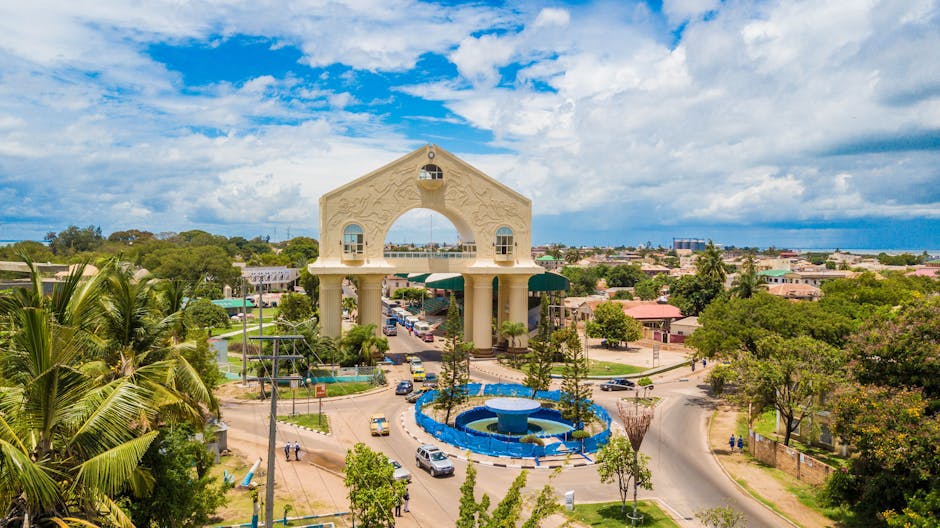
Kuntaur, Gambia’s Stunning River Giants, Ancient Stones & Authentic Culture (2026)
Ask locals about Kuntaur, Gambia, and they’ll tell you about the quiet mornings when the mist lifts from the Gambia River to reveal the backs of hippos, a sight most guidebooks miss completely. This is the true heart of the country, a place where the river is the highway, history is etched in laterite stone, and the rhythm of life is set by the seasons. While many visitors stick to the coastal resorts, savvy travelers venture here for a profound connection with West Africa’s soul, where a three-hour traditional ferry ride costs less than a fancy coffee back home.
Why Kuntaur, Gambia Stands Out

Golden sunset over a Gambia beach with silhouette palm trees and serene seascape, Kuntaur, Gambia
- Historic Architecture: The Wassu Stone Circles, a UNESCO World Heritage Site dating from the 8th to 12th centuries, are mysterious laterite pillars marking ancient burial sites.
- Cultural Scene: The annual Janjanbureh Kankurang Festival, centered on the powerful masked Kankurang figure, is a vibrant display of Mandinka culture and spiritual tradition.
- Local Specialties: Don’t miss Domoda, a rich, savory peanut stew served with rice, often prepared with fresh river fish or chicken.
Pro Tip: Your best bet for wildlife viewing is the dry season from November to May. For the most immersive cultural experience without the intense heat, aim for the shoulder months of November or late February. Always arrange boat trips for the early morning (6:30-9:30 AM) when animals are most active and the light is perfect for photography.
Map of Kuntaur, Gambia
Use these interactive maps to explore Kuntaur, Gambia and plan your route:
📍 View Kuntaur, Gambia on OpenStreetMap
🗺️ Open Kuntaur, Gambia in Google Maps
Planning Your Trip: Practical Essentials
Getting There and Around
- By Air: You’ll fly into Banjul International Airport (BJL), 180km from Kuntaur. From there, take a shared taxi (“sept-place”) to Barra, then the ferry to Banjul, and finally another vehicle to Kuntaur (a 5-6 hour journey). Book flights at Skyscanner for best deals.
- By Train: There is no passenger train service in The Gambia. All long-distance travel is by road or river.
- By Car: Driving from Banjul takes about 4 hours on the North Bank Road. A 4×4 is not necessary for the main highway. Compare car rentals at RentalCars.com, but note that hiring a local driver/guide is often more practical and affordable.
- Local Transport: The most authentic way to travel is by the public “GTP” ferry or local pirogues along the river. In town, shared taxis and “bush taxis” (minibuses) are the norm. A short ride within Kuntaur costs about GMD 20-50 ($0.30-$0.75).
Best Time to Visit
The Gambia has a distinct dry season (winter) and rainy season (summer). Kuntaur’s appeal is heavily tied to the dry months when wildlife congregates at the river and roads are easily passable.
| Season | Weather | Highlights |
|---|---|---|
| Summer – Rainy (Jun–Oct) | Hot (28-33°C/82-91°F), humid, with frequent heavy showers, especially Aug-Sept. High humidity. | Lush green landscapes, fewer tourists, lower prices. However, some lodges close, wildlife is harder to spot, and road travel can be difficult. |
| Winter – Dry (Nov–May) | Hot and dry (25-34°C/77-93°F), with cool, dust-laden Harmattan winds possible Dec-Feb. | Prime wildlife viewing, especially Nov-Feb. All attractions are open, cultural festivals occur, and river transport is most reliable. This is peak season. |
| Shoulder (Nov & May) | Pleasant temperatures, lower humidity. May sees the first rains; November is freshly dry. | Ideal balance: great weather, thinner crowds than Dec-Feb, and vibrant scenery. The best time for comfortable exploration. |
Budgeting for Kuntaur, Gambia

Two vultures battle over food on a sandy beach in Banjul, Kuntaur, Gambia
| Category | Budget | Mid-range | Luxury |
|---|---|---|---|
| Accommodation | GMD 800-1200/night ($12-$18) for a basic guesthouse | GMD 2000-3500/night ($30-$52) for a comfortable lodge with meals | GMD 5000+/night ($75+) for all-inclusive eco-lodges or private guided stays |
| Meals | GMD 200-400 ($3-$6) for street food or local “benechin” at a chop shop | GMD 600-1000 ($9-$15) for a meal at a lodge or better restaurant | GMD 1500+ ($22+) for multi-course dinners at top eco-lodges |
| Transport | GMD 50-100 ($0.75-$1.50) for shared taxis; ferry trips ~GMD 50 | GMD 1500-2500 ($22-$37) for a private car hire for a day trip | GMD 4000+ ($60+) for private 4×4 with driver/guide per day |
| Activities | Free village walks; Wassu Stones ~GMD 300 ($4.50) | Half-day boat trip: GMD 800-1500 ($12-$22); Guided birding walk: ~GMD 500 ($7.50) | Full-day private river safari with picnic: GMD 3000+ ($45+); Multi-day cultural immersion packages |
| Daily Total | GMD 1200-2000 ($18-$30) | GMD 4000-7000 ($60-$105) | GMD 10,000+ ($150+) |
Top Attractions and Must-See Sights
| Attraction | Description | Hours | Entry Fee |
|---|---|---|---|
| Wassu Stone Circles | Mysterious UNESCO-listed megaliths in serene settings, the largest concentration in The Gambia. | Sunrise to Sunset | GMD 300 (includes guide) |
| River Gambia National Park (Baboon Islands) | A boat-based sanctuary for rescued chimpanzees and abundant hippos, birds, and monkeys. | Trips at 9 AM & 3 PM (book ahead) | ~GMD 1500 for a 3-hr boat trip |
| Kuntaur Fish Market | The vibrant, noisy hub of daily life where pirogues unload the day’s catch from the river. | 6 AM – 12 PM daily | Free |
| Traditional Ferry Crossing | The authentic “GTP” ferry to/from Janjanbureh, a slow journey shared with locals, livestock, and goods. | Varies, approx. 8 AM, 12 PM, 4 PM | GMD 50 per person |
3-Day Itinerary: Kuntaur, Gambia’s Highlights & Hidden Gems
Day 1: Rivers & Stones
- Morning (7:30 AM): Head to the Kuntaur waterfront to hire a local pirogue (approx. GMD 800 for 2 hours) for a morning wildlife cruise. Your best bet is to look for the hippo pools and prolific birdlife like malachite kingfishers and African fish eagles.
- Afternoon (1:00 PM): Enjoy a lunch of grilled tilapia and rice at a riverside spot like Kuntaur Riverside Lodge. Then, take a shared taxi (GMD 100) for the 30-minute ride to the Wassu Stone Circles. Spend time with the local guide learning about the theories behind these ancient monuments.
- Evening (6:30 PM): Return to Kuntaur for a sunset stroll along the riverbank. For dinner, try the local Domoda at Mama’s Chop Shop near the market.
Day 2: Island Life & Culture
- Morning (8:00 AM): Take the public ferry (GMD 50) from Kuntaur to the historic island of Janjanbureh (Georgetown). The 3-hour journey is an experience in itself. Explore the colonial-era ruins, like the slave trader’s house and the missionary church.
- Afternoon (12:30 PM): Have lunch at Janjanbureh Camp, known for its yassa chicken. Then, visit the nearby Katchikally Crocodile Pool in the village or arrange a village walk to see traditional crafts.
- Evening (5:00 PM): Catch the late ferry back to Kuntaur. For a special dinner, book ahead at your lodge for a traditional “benachin” (one-pot rice dish) cooked over an open fire.
Day 3: Wildlife & Village Immersion
- Morning (7:00 AM): Book a guided bird-watching walk (GMD 500) in the woodlands near Kuntaur. Over 500 species have been recorded in The Gambia, and this area is a hotspot for hornbills, bee-eaters, and raptors.
- Afternoon (12:00 PM): Enjoy a simple lunch. Then, hire a taxi for a visit to a nearby Mandinka village like Wassu or Dumbuto (always go with a guide from your lodge, and a small donation of GMD 200 for the village is customary). Witness daily life, from weaving to peanut pounding.
- Evening (6:00 PM): Your final evening calls for a sundowner boat trip. Many lodges offer this. Afterwards, savor a farewell dinner, perhaps trying “supakanja” (okra stew) at a local eatery.
Cultural Insights & Etiquette
- Language: The official language is English, but Mandinka is widely spoken. Key phrases: “Salaam aleikum” (Hello, peace be upon you), “I be di?” (How are you?), “Abaraka” (Thank you).
- Customs: Always greet people properly before asking questions. Use your right hand for eating, shaking hands, and giving/receiving items. Seek permission before photographing people, especially elders.
- Tipping: Not mandatory but appreciated. For guides, 10% of the tour cost is standard. For restaurant staff where no service charge is added, rounding up the bill is fine.
- Dress Code: Modesty is key. For both men and women, clothing that covers shoulders and knees is respectful, especially in villages. Light, breathable fabrics are best.
- Business Hours: Shops and markets are typically open 8 AM – 6 PM, with a break around 1-3 PM. Friday is the Muslim holy day, so some businesses may close for midday prayers.
Where to Eat: Kuntaur, Gambia’s Best Bites
Dining in Kuntaur is about authentic, hearty Gambian cuisine. You’ll eat at simple chop shops (local eateries), lodge restaurants, or from street vendors. The focus is on fresh river fish, peanuts, rice, and locally grown vegetables like okra and bitter tomato.
Must-Try Local Specialties
- Domoda: The national dish. A creamy, savory peanut stew served with rice, often with beef, chicken, or fish. For a classic version, ask at any local chop shop.
- Benachin (“Jollof Rice”): A one-pot rice dish cooked with tomatoes, onions, spices, and fish or meat. Each cook has their own secret recipe.
- Chura Gerte: A popular snack of pounded millet or rice mixed with sour milk or yogurt and sugar. It’s refreshing in the heat and often sold by street vendors.
Restaurant Recommendations by Budget
| Type | Restaurant | Specialty | Price Range |
|---|---|---|---|
| Budget | Market Chop Shops (Kuntaur Market) | Freshly grilled fish with rice and sauce | GMD 200-400 ($3-$6) |
| Mid-range | Kuntaur Riverside Lodge Restaurant | Western and Gambian dishes with river views | GMD 600-1000 ($9-$15) |
| Fine dining | Mandina River Lodge (nearby, requires boat transfer) | Gourmet set menus using local ingredients in a stunning eco-lodge setting | GMD 2000+ ($30+) |
Where to Stay
Accommodation in Kuntaur ranges from basic guesthouses to beautiful, remote eco-lodges accessible only by boat. Most places are small, family-run, and offer full-board options, which are highly recommended as independent restaurants are limited. Compare prices and book at Booking.com or Airbnb for apartments (though options are scarce).
Best Neighborhoods for Accommodation
- Kuntaur Town Centre: Simple guesthouses near the market and ferry terminal. Pros: Central, affordable, easy access to transport. Cons: Can be noisy, basic amenities. Best for budget travelers and short stays.
- Riverside Lodges (just outside town): Scattered lodges along the riverbank. Pros: Beautiful settings, wildlife viewing, peace and quiet. Cons: Require taxi rides into town, often more expensive. Ideal for nature lovers and mid-range travelers.
- Remote Eco-Lodges (River Gambia National Park area): Lodges like Mandina or Bamboo. Pros: Incredible immersion in nature, luxury in sustainability, exclusive access. Cons: Very expensive, require boat transfers, isolated. Perfect for a splurge and a digital detox.
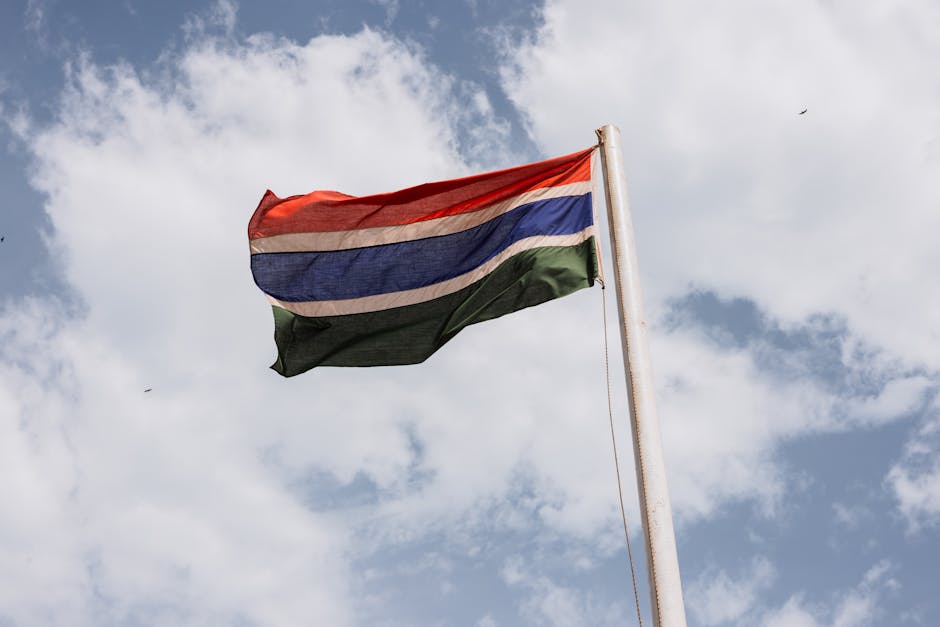
The national flag of Gambia waving proudly against a bright blue sky, Kuntaur, Gambia
FAQs: Your Kuntaur, Gambia Questions Answered
1. Is Kuntaur, Gambia safe at night?
Kuntaur is generally very safe. Petty crime is low, but standard precautions apply. Avoid walking alone in unlit areas at night. The main concern after dark is uneven paths and limited street lighting, so a flashlight is essential. Your lodge will advise on local safety.
2. What currency is used and are credit cards accepted?
The currency is the Gambian Dalasi (GMD). Carry ample cash, as credit cards are rarely accepted outside a few high-end lodges in the region. There are ATMs in larger towns like Janjanbureh, but they can be unreliable. Euros and US Dollars can be exchanged in Banjul or
Explore More Destinations
- Jozani, Tanzania on a Budget: an Ancient Forest for $35/Day (2026)
- Nsumbu, Zambia on a Budget: Wild Africa for $40/Day (2026)
- Semporna, Malaysia on a Budget: Paradise for $35/Day (2026)
- Khuzestan, Iran on a Budget: Ancient Empires for $30/Day (2026)
- Ngerulmud, Palau on a Budget: Island Majesty for $45/Day (2026)
Ready to Visit Kuntaur?
Start planning your trip today. Compare hotels, find the best tours, and get insider tips.
Your adventure in Kuntaur starts here →
Related Guides
Explore more destinations similar to Kuntaur:
- Tasikmalaya, Indonesia: Ultimate Bamboo Crafts, Spiritual Retreats & Volcanic Vistas (2025)
- Biên Hòa, Vietnam’s Hidden Ceramics, Coffee & Riverside Charm (2026)
- Lamu Archipelago, Kenya: Essential Dhow Sailing, Swahili Culture & Untouched Beaches (2025)
- Zadar’s Hidden Sea Organ Sunsets, Roman Ruins & Adriatic Cuisine (2025)
{“@context”: “https://schema.org”, “@type”: “FAQPage”, “mainEntity”: [{“@type”: “Question”, “name”: “What is the best time to visit Kuntaur?”, “acceptedAnswer”: {“@type”: “Answer”, “text”: “The best time to visit Kuntaur depends on your preferences. Generally, the dry season offers the most pleasant weather for sightseeing and outdoor activities.”}}, {“@type”: “Question”, “name”: “How many days do I need in Kuntaur?”, “acceptedAnswer”: {“@type”: “Answer”, “text”: “Most travelers spend 3-5 days in Kuntaur to see the main attractions. A week allows for a more relaxed pace and day trips.”}}, {“@type”: “Question”, “name”: “Is Kuntaur expensive to visit?”, “acceptedAnswer”: {“@type”: “Answer”, “text”: “Kuntaur can be visited on various budgets. Accommodation ranges from hostels to luxury hotels, and local restaurants offer affordable dining.”}}]}

