
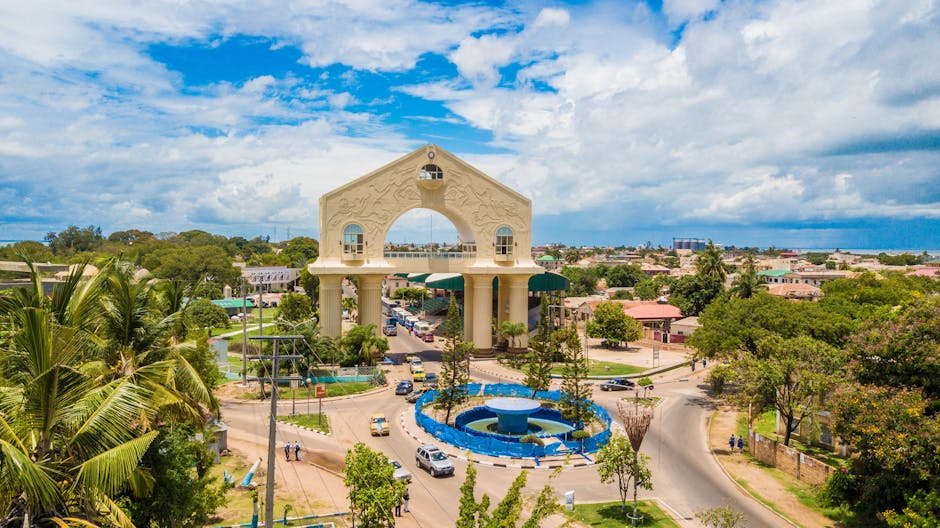
Gunjur, Gambia’s Incredible Beaches, Birdlife & Authentic Culture (2026)
Ask locals about Gunjur, Gambia, and they’ll tell you about the sacred crocodile pool of Folonko, a site of spiritual significance for centuries that most guidebooks miss completely. This isn’t a town built for tourism; it’s a vibrant fishing community of 20,000 people where the day still begins with the rhythmic thud of wooden pirogues being launched into the Atlantic. Here, you don’t just see a beach—you witness a way of life, where the catch of the day is hauled in by hand and the air carries the scent of smoking bonga fish.
Why Gunjur, Gambia Stands Out

Golden sunset over a Gambia beach with silhouette palm trees and serene seascape, Gunjur, Gambia
- Historic Architecture: The Gunjur Mosque, built in the 1930s, showcases classic Sudano-Sahelian mud-brick architecture and serves as the community’s spiritual heart.
- Cultural Scene: The annual Kankurang Festival, a UNESCO-recognized ritual, features masked initiates and is a profound display of Mandinka cultural heritage.
- Local Specialties: You must try Domoda, a rich, savory peanut stew served with rice, considered the national dish of The Gambia.
Pro Tip: For the perfect balance of good weather and cultural immersion, visit in November or early December. The heavy rains have ceased, the landscape is lush green, and you’ll arrive just before the peak tourist season, meaning better prices and more authentic interactions.
Map of Gunjur, Gambia
Use these interactive maps to explore Gunjur, Gambia and plan your route:
📍 View Gunjur, Gambia on OpenStreetMap
🗺️ Open Gunjur, Gambia in Google Maps
Planning Your Trip: Practical Essentials
Getting There and Around
- By Air: You’ll fly into Banjul International Airport (BJL), 45 km northwest. Major airlines include Brussels Airlines and TUI. Your best bet for a transfer is a pre-booked taxi (approx. 1,500 GMD / $25) or a local “bush taxi” for the adventurous. Book flights at Skyscanner for best deals.
- By Train: There are no passenger train services in The Gambia. Travel between towns is exclusively by road.
- By Car: Driving is on the right. The South Bank Road connects Gunjur to Banjul. Renting a car offers freedom but be prepared for informal road conditions. Compare car rentals at RentalCars.com.
- Local Transport: Shared yellow-and-green “bush taxis” (minibuses) are the lifeline. A ride from Gunjur to nearby Serekunda costs about 75 GMD ($1.20). For private trips, negotiate a price with a green taxi before setting off.
Best Time to Visit
The Gambia has a distinct dry season (November to May) and rainy season (June to October). Savvy visitors target the dry season for reliable sunshine, though the early rains bring a beautifully green landscape.
| Season | Weather | Highlights |
|---|---|---|
| Summer / Rainy (Jun–Oct) | Hot (25-32°C/77-90°F) with high humidity and frequent, heavy afternoon showers. | Lush scenery, lowest tourist crowds, and great hotel deals. Some lodges may close. |
| Winter / Dry (Dec–Feb) | Pleasant and warm (18-31°C/64-88°F) with low humidity, cool nights, and virtually no rain. | Perfect beach weather, peak birdwatching, and all attractions are open. This is peak tourist season. |
| Shoulder (Nov & Mar–May) | Warm to hot (22-35°C/72-95°F), transitioning between seasons with minimal rain. | Ideal balance: great weather, thinner crowds than winter, and vibrant local life. The best value period. |
Budgeting for Gunjur, Gambia

Two vultures battle over food on a sandy beach in Banjul, Gunjur, Gambia
| Category | Budget | Mid-range | Luxury |
|---|---|---|---|
| Accommodation | 500-800 GMD ($8-$13) for a basic guesthouse | 1,200-2,500 GMD ($20-$40) for a comfortable lodge or eco-camp | 3,500+ GMD ($58+) for a boutique beachfront hotel |
| Meals | 150-300 GMD ($2.50-$5) for street food or a local “chop” shop | 400-800 GMD ($7-$13) for a restaurant meal with a drink | 1,200+ GMD ($20+) for fine dining at an upscale lodge |
| Transport | 50-150 GMD ($0.80-$2.50) daily for bush taxis | 800-1,500 GMD ($13-$25) for a private taxi day rental | 2,500+ GMD ($40+) for a private driver/vehicle |
| Activities | Free beach walks, market visits | 500-1,000 GMD ($8-$17) for a guided birdwatching tour | 1,500+ GMD ($25+) for a private cultural tour or fishing trip |
| Daily Total | 700-1,400 GMD ($12-$23) | 2,500-4,800 GMD ($42-$80) | 7,500+ GMD ($125+) |
Top Attractions and Must-See Sights
| Attraction | Description | Hours | Entry Fee |
|---|---|---|---|
| Gunjur Beach & Fishing Port | A working beach where colorful pirogues land their catch at sunrise; the heart of local life. | Dawn until late afternoon (most active 6-9 AM) | Free (small donation to fishermen for photos is appreciated) |
| Bolon Fenyo Community Wildlife Reserve | A community-managed lagoon and woodland perfect for birdwatching, with over 150 species recorded. | Daylight hours, best early morning | 500 GMD ($8) includes a local guide |
| Folonko Sacred Crocodile Pool | A spiritually significant site where you can see West African crocodiles in a natural, revered setting. | 9 AM – 5 PM daily | 300 GMD ($5) includes a guide |
| Gunjur Central Market | A bustling, sensory market selling fresh produce, vibrant fabrics, and local crafts. | 7 AM – 7 PM (most active mornings) | Free |
3-Day Itinerary: Gunjur, Gambia’s Highlights & Hidden Gems
Day 1: Coastal Life & Community
- Morning (6:30 AM): Head directly to Gunjur Beach to witness the fishing pirogues return. The spectacle of hauling in nets by hand is unforgettable. Chat with fishermen (a simple “Salaam aleikum” goes a long way).
- Afternoon (1 PM): Enjoy a fresh seafood lunch at Lemonfish Art Cafe (try the grilled barracuda). Then, explore the Gunjur Central Market; look for traditional tie-dye fabrics called “kampala.”
- Evening (6 PM): Take a sunset stroll along the empty southern end of the beach. For dinner, locals recommend Madiyana Restaurant for an authentic Domoda stew (approx. 350 GMD).
Day 2: Nature & Tradition
- Morning (7:30 AM): Guided birdwatching at Bolon Fenyo (500 GMD). Your guide will point out brilliant kingfishers, ospreys, and maybe even a flash of a paradise flycatcher.
- Afternoon (12:30 PM): Simple lunch at a local “chop” shop near the market. Then, visit the Folonko Sacred Crocodile Pool. The guide will share the site’s history and you can safely observe these ancient reptiles.
- Evening (5:30 PM): Relax at your lodge or take a walk through the village lanes. For dinner, try Benachin (a one-pot rice dish) at a family-run spot like Kalilu’s Place.
Day 3: Craft & Connection
- Morning (9 AM): Bush taxi to nearby Tanji Fishing Village & Museum (150 GMD, 30 mins). The museum offers excellent context on Gambian culture before you see Tanji’s even larger, bustling fish-smoking sites.
- Afternoon (1 PM): Lunch on the beach at Tanji. Later, return to Gunjur and arrange a visit to a local batik or tie-dye workshop—many artisans welcome visitors to see the process.
- Evening (6 PM): Your final evening calls for a sundowner. Enjoy a cold Julbrew (the local beer) on the beach, reflecting on the rhythms of Gambian life you’ve experienced.
Cultural Insights & Etiquette
- Language: The official language is English, but Mandinka is widely spoken. Greetings are crucial. Learn “Salaam aleikum” (Hello, peace be upon you), “Herabe” (How are you?), and “Abaraka” (Thank you).
- Customs: Always use your right hand for eating, greeting, and exchanging money. The left hand is considered unclean. Show respect to elders by slightly bowing your head when greeting.
- Tipping: Not mandatory but greatly appreciated. For guides, 10% is good. For small services (carrying bags), 20-50 GMD (30-80 cents) is fine. Round up taxi fares.
- Dress Code: Modesty is key, especially outside the beach. Cover shoulders and knees when in the village. Swimwear is for the beach/resort only.
- Business Hours: Shops open around 8 AM, close for a midday break (1-3 PM), and reopen until 6 or 7 PM. Friday is the Muslim holy day, so some businesses may have shorter hours.
Where to Eat: Gunjur, Gambia’s Best Bites
Dining in Gunjur is about fresh, local ingredients and communal dishes. You’ll find few formal restaurants; instead, seek out lodges with dining, local “chop” shops, and family compounds serving food. The catch of the day is always your best bet.
Must-Try Local Specialties
- Domoda: The iconic Gambian dish—meat (often chicken or beef) in a rich, creamy peanut sauce served over rice. Find it at any local eatery like Madiyana Restaurant.
- Benachin (“One Pot”): A flavorful Jollof rice cooked with fish or meat and vegetables. Kalilu’s Place serves a fantastic version.
- Fresh Grilled Fish: Often barracuda, snapper, or bonga, simply grilled over coals and served with a lime wedge. The beachfront shacks near the fishing port are unbeatable.
Restaurant Recommendations by Budget
| Type | Restaurant | Specialty | Price Range |
|---|---|---|---|
| Budget | Local Chop Shop (near market) | Daily stews (Domoda, Supa Kanja) with rice | 150-250 GMD ($2.50-$4) |
| Mid-range | Lemonfish Art Cafe (Beachfront) | Creative seafood dishes, salads, and coffee | 400-700 GMD ($7-$12) |
| Fine dining | Lodge Restaurant (e.g., Footsteps Eco Lodge) | Multi-course international & Gambian fusion dinners | 1,200+ GMD ($20+) |
Where to Stay
Accommodation ranges from basic guesthouses to beautiful eco-lodges. Most are clustered near the beach or just inland in peaceful compounds. Staying at a lodge that employs and trains locals directly benefits the community. Compare prices and book at Booking.com or Airbnb for apartments.
Best Neighborhoods for Accommodation
- Beachfront/South Gunjur: Offers direct beach access, stunning sunsets, and a breeze. It’s quieter but a short walk from the village center. Ideal for relaxation.
- Central Gunjur (near Market): Puts you in the heart of daily life. You’ll hear the call to prayer and be steps from markets and transport. Best for cultural immersion.
- Eco-Lodge Compounds (inland edges): Often set in gardens or forest clearings, these offer peace, birdlife, and a strong focus on sustainability. Perfect for nature lovers.
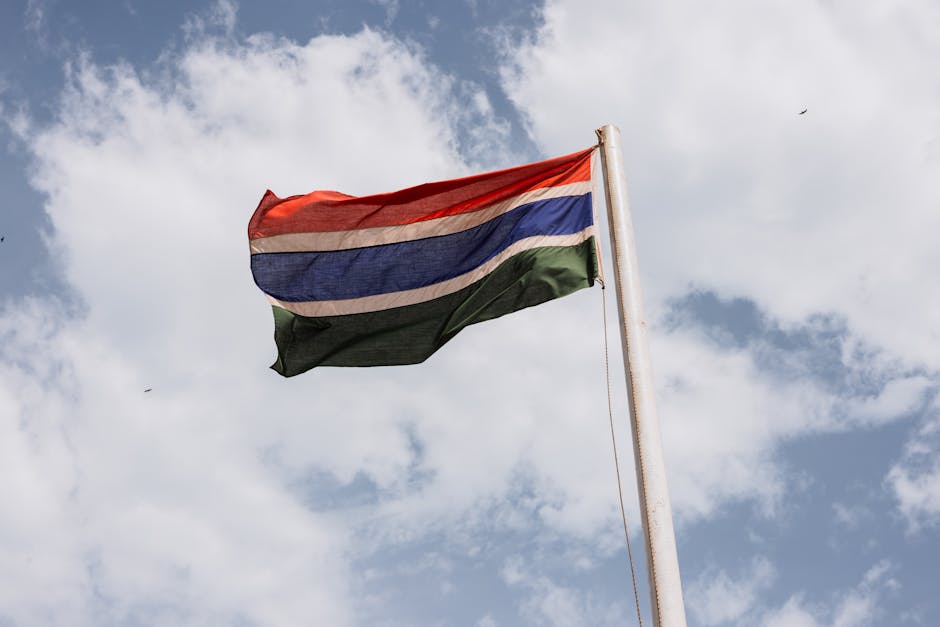
The national flag of Gambia waving proudly against a bright blue sky, Gunjur, Gambia
FAQs: Your Gunjur, Gambia Questions Answered
1. Is Gunjur, Gambia safe at night?
Gunjur is generally very safe, with a low crime rate against tourists. Common sense applies: avoid walking alone on dark, isolated beaches at night and keep valuables secure. The biggest “danger” is tripping over a sleeping goat! The community is welcoming and looks out for visitors.
2. What currency is used and are credit cards accepted?
The currency is the Gambian Dalasi (GMD). Carry cash, as credit cards are rarely accepted outside a few upscale lodges in the tourist areas. ATMs are available in larger towns like Brikama (a 30-minute drive away), but not reliably in Gunjur itself. Exchange some money at the airport and bring enough Euros or USD to exchange locally.
3. How do I get from the airport to Gunjur?
Banjul Airport is about a 60-90 minute drive. Your options are: a pre-arranged hotel transfer (often $40-60), negotiating a green taxi at the airport (aim for 1,500 GMD / $25), or taking a bush taxi to Brikama and another to Gunjur (under 200 GMD total, for the adventurous). Book airport transfers at GetYourGuide for convenience.
4. Do I need to speak the local language?
No. English is the official language and is widely spoken, especially by those in tourism. However, learning a few Mandinka greetings (Salaam aleikum, Abaraka) will delight locals and open doors to warmer interactions. It’s a sign of great respect.
5. What’s the appropriate dress code?
Dress modestly to respect the predominantly Muslim culture. In the village, cover shoulders and knees (light linen trousers and t-shirts are perfect). On the beach, swimwear is fine, but cover up with
Explore More Destinations
- Jozani, Tanzania on a Budget: an Ancient Forest for $35/Day (2026)
- Nsumbu, Zambia on a Budget: Wild Africa for $40/Day (2026)
- Semporna, Malaysia on a Budget: Paradise for $35/Day (2026)
- Khuzestan, Iran on a Budget: Ancient Empires for $30/Day (2026)
- Ngerulmud, Palau on a Budget: Island Majesty for $45/Day (2026)
Ready to Visit Gunjur?
Start planning your trip today. Compare hotels, find the best tours, and get insider tips.
Your adventure in Gunjur starts here →
Related Guides
Explore more destinations similar to Gunjur:
- Dar es Salaam, Tanzania’s Hidden Beaches, Bazaars & Swahili Soul (2025)
- Jervis Bay Territory, Australia’s Ultimate Whales, White Sand & Wilderness (2025)
- Raja Ampat, Indonesia: Best Marine Biodiversity, Pristine Islands & Indigenous Culture (2025)
- Touggourt, Algeria: Amazing Saharan Sunsets, Ancient Oases & Date Palm Majesty (2025)
{“@context”: “https://schema.org”, “@type”: “FAQPage”, “mainEntity”: [{“@type”: “Question”, “name”: “What is the best time to visit Gunjur?”, “acceptedAnswer”: {“@type”: “Answer”, “text”: “The best time to visit Gunjur depends on your preferences. Generally, the dry season offers the most pleasant weather for sightseeing and outdoor activities.”}}, {“@type”: “Question”, “name”: “How many days do I need in Gunjur?”, “acceptedAnswer”: {“@type”: “Answer”, “text”: “Most travelers spend 3-5 days in Gunjur to see the main attractions. A week allows for a more relaxed pace and day trips.”}}, {“@type”: “Question”, “name”: “Is Gunjur expensive to visit?”, “acceptedAnswer”: {“@type”: “Answer”, “text”: “Gunjur can be visited on various budgets. Accommodation ranges from hostels to luxury hotels, and local restaurants offer affordable dining.”}}]}

