
Tingi Hills, Sierra Leone: Ultimate Rainforests, Rare Wildlife & Sacred Summits (2026)
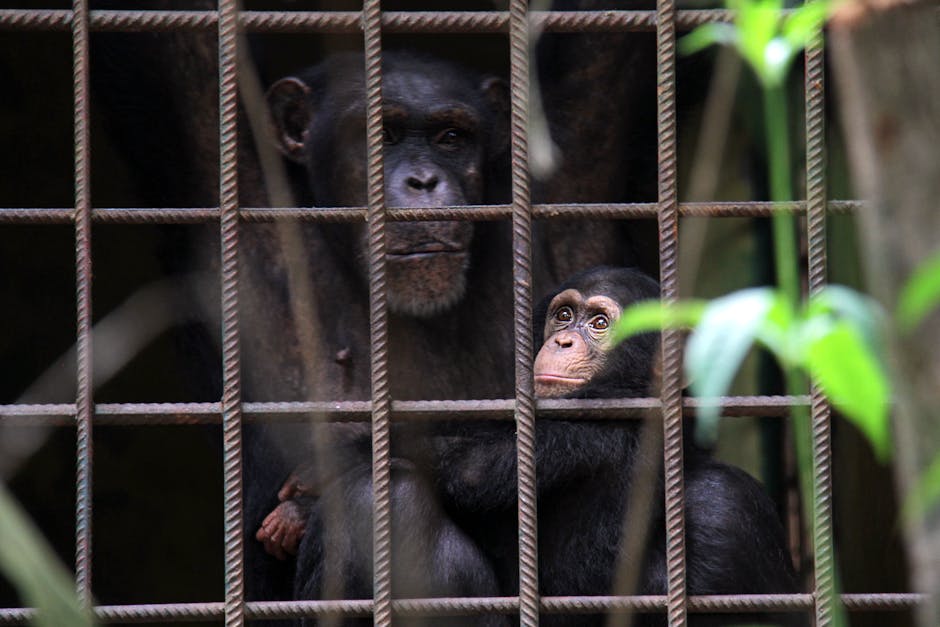
Just before dawn, the mist clinging to the twin granite peaks of Sankanbiriwa and Sankanbirwa begins to glow with the first light, a daily spectacle witnessed by more chimpanzees than people. Fewer than 500 international travelers venture into this remote 118.8 sq km forest reserve annually, yet it protects one of West Africa’s last significant tracts of Upper Guinean rainforest. Here, your footsteps follow ancient hunter-gatherer paths, not tourist trails, into a world where biodiversity whispers secrets older than history.
Why Tingi Hills, Sierra Leone Stands Out

Young boy practicing oral hygiene outdoors near a corrugated metal wall in …, Tingi Hills, Sierra Leone
- Historic Architecture: The sacred initiation shelters (Poro and Sande society “bushes”) near surrounding villages, though not for tourist entry, represent centuries-old Mende and Kuranko cultural architecture central to community identity.
- Cultural Scene: The annual harvest festivals in villages like Serekolia or Bumbuna, where masked dancers (Ndoli jowei for Sande, Gbini for Poro) perform, offer rare, respectful glimpses into living traditions.
- Local Specialties: Don’t miss a hearty serving of cassava leaf stew with rice, often prepared with smoked bushmeat alternatives like fish or chicken, shared from a communal bowl to signify unity.
Pro Tip: The absolute best time for trekking and clear summit views is during the short dry season from late December to March. Avoid the peak rainy months of July and August when trails become treacherous leech habitats and cloud cover obscures the peaks completely.
Map of Tingi Hills, Sierra Leone
Use these interactive maps to explore Tingi Hills, Sierra Leone and plan your route:
📍 View Tingi Hills, Sierra Leone on OpenStreetMap
🗺️ Open Tingi Hills, Sierra Leone in Google Maps
Planning Your Trip: Practical Essentials
Getting There and Around
- By Air: You’ll fly into Freetown’s Lungi International Airport (FNA). From Freetown, it’s a 5-6 hour drive northeast. Book flights at Skyscanner for best deals.
- By Train: No passenger train services operate to this region. All travel is by road.
- By Car: A 4×4 vehicle is non-negotiable. Hire a car with an experienced local driver in Freetown or Makeni. The final approach from the main highway is on rough, unpaved tracks. Compare car rentals at RentalCars.com for Freetown pick-up.
- Local Transport: Within the region, shared taxis (“poda-poda”) run between major towns like Makeni and Bumbuna. For the hills themselves, your only transport is your own vehicle or guided trekking.
Best Time to Visit
Timing is everything in the Tingi Hills. The dramatic shift between wet and dry seasons transforms accessibility and the overall experience. Savvy visitors target the dry window for manageable trekking and wildlife spotting.
| Season | Weather | Highlights |
|---|---|---|
| Dry Season (Dec–Mar) | Hot, dusty, with temps of 28-35°C (82-95°F). Virtually no rain. | Optimal trekking conditions, clearest summit views, best birdwatching, and highest chance of spotting mammals at water sources. Fewer insects. |
| Rainy Season (May–Oct) | Very humid with heavy daily rainfall. Temps 24-30°C (75-86°F). | Lush, vibrant greenery and flowing waterfalls. However, trails are slippery and leech-infested, cloud cover hides peaks, and travel is challenging. Not recommended for trekking. |
| Shoulder (Apr & Nov) | Transitional with sporadic, building (Nov) or ending (Apr) showers. | A good compromise if you don’t mind some rain risk. Landscapes are green, and you’ll encounter very few other visitors. Be prepared for sudden downpours. |
Budgeting for Tingi Hills, Sierra Leone

Explore the stunning aerial view of Monterrey, Tingi Hills, Sierra Leone
| Category | Budget | Mid-range | Luxury |
|---|---|---|---|
| Accommodation | $15-30/night (basic guesthouse in Makeni/Bumbuna) | $50-80/night (organized camp stay or better lodge) | $150+/night (full-service safari-style camp with guide & chef – rare, book well ahead) |
| Meals | $5-10/day (local cook-shops & street food) | $15-25/day (lodge meals or local restaurant dinners) | $40+/day (catered meals at exclusive camps) |
| Transport | $50/day (shared poda-poda & motorbike taxis for approach) | $100-150/day (private 4×4 with driver) | $200+/day (private 4×4, driver, and fuel included) |
| Activities | $10-20 (village guide donation) | $30-50/day (certified forest guide fees) | $80+/day (specialist wildlife guide & porters) |
| Daily Total | $80-110 | $195-305 | $470+ |
Top Attractions and Must-See Sights
| Attraction | Description | Hours | Entry Fee |
|---|---|---|---|
| Twin Peaks Summit Trek | A challenging full-day hike to the sacred summits (Sankanbiriwa: 1,853m), offering breathtaking panoramas over the Guinean forest zone. | Start at dawn (6 AM); 8-10 hour round trip | Guide Fee: ~$30-50 + Community Levy: ~$10 |
| Tingi Hills Forest Reserve | Primeval rainforest trekking to spot Diana monkeys, chimpanzees, and over 200 bird species, including the rare Rufous Fishing Owl. | Daylight hours; best 6-10 AM | Guide Fee: ~$25-40/day + Reserve Fee: ~$15 |
| Bumbuna Waterfall | A stunning cascade on the outskirts of the reserve, perfect for a refreshing swim after a trek; a local picnic spot. | Daylight hours | Small community donation (~$2-5) |
| Village Cultural Visit (e.g., Serekolia) | An authentic, arranged visit to a Kuranko or Mende village to learn about traditions, farming, and daily life (always go with a guide). | Morning or late afternoon | Guided visit & donation: ~$15-25 |
3-Day Itinerary: Tingi Hills, Sierra Leone’s Highlights & Hidden Gems
Day 1: Arrival & Immersion in Bumbuna
- Morning: Arrive in the frontier town of Bumbuna after the drive from Freetown. Settle into your basic guesthouse or camp and meet your pre-arranged local guide. Your first task is to visit the local chief and elders to pay respects and discuss your visit—a crucial cultural courtesy.
- Afternoon: An acclimatization hike to the **Bumbuna Waterfall** (45 mins). Enjoy a swim in the cool pool and a picnic lunch prepared by your guesthouse. Listen for the calls of the Green Turaco in the surrounding trees.
- Evening: Simple dinner at your lodging. Early to bed, as tomorrow starts before sunrise. Savvy travelers know to double-check their daypack, water (3L minimum), and hiking boots.
Day 2: Sacred Summits & Forest Giants
- Morning: Depart at 6 AM sharp for the **Twin Peaks trek**. The initial path winds through farmland before entering the dense montane forest. Your guide will point out medicinal plants and old elephant tracks. The final scramble to Sankanbiriwa’s summit (4-5 hours up) rewards you with a 360-degree view that stretches for miles.
- Afternoon: Descend carefully (3-4 hours) and have a late, well-earned lunch back in Bumbuna. Rest those muscles. In the late afternoon, take a short, gentle walk with your guide along the forest edge to look for primates like the Western Red Colobus as they settle for the evening.
- Evening: Share a hearty cassava leaf stew dinner with your guide, the perfect chance to hear local legends about the hills being the home of powerful spirits.
Day 3: Deep Forest & Cultural Connection
- Morning: A different, slower-paced trek **into the Tingi Hills Forest Reserve core** (Guide fee: ~$40). The goal isn’t distance but quiet observation. You’ll learn to identify chimpanzee nests, the massive buttress roots of Silk Cotton trees, and the alarm calls of squirrels that often signal hidden wildlife.
- Afternoon: Visit a nearby village like **Serekolia** for a cultural exchange. With your guide translating, you might see blacksmithing, rice farming, or traditional weaving. This is not a performance; it’s an insight into a resilient way of life. Purchase local crafts like baskets directly from artisans.
- Evening: Your final evening. Enjoy a simple meal and reflect on the profound sense of remoteness and discovery. Plan for an early departure the next morning for your journey back to Freetown.
Cultural Insights & Etiquette
- Language: The local languages are Kuranko and Mende. Krio is widely spoken as a lingua franca. Learn a few phrases: “Kushe” (Hello), “Tenki” (Thank you), “How di bodi?” (How are you?). English is understood in towns but not always in remote villages.
- Customs: Always greet the chief or village elders first when entering a community. Use your right hand for giving and receiving items. Avoid photographing people, especially elders or masked figures, without explicit, granted permission—often involving a small fee.
- Tipping: Tipping is appreciated for good service. For guides, 10-15% of the daily fee is standard. For drivers, a similar amount. Always tip in cash (Leones).
- Dress Code: Modesty is key. Wear knee-length shorts or long pants and shirts that cover shoulders, especially in villages. For trekking, sturdy boots, long socks (against ants/leeches), and lightweight long sleeves are practical and respectful.
- Business Hours: Government hours are typically 8 AM to 5 PM, but in rural areas, life revolves around daylight and the farming cycle. Shops have flexible hours. Friday prayers (Jumu’ah) are observed in Muslim communities.
Where to Eat: Tingi Hills, Sierra Leone’s Best Bites
Dining here is about sustenance and local flavor. You won’t find fine-dining restaurants; instead, you’ll experience hearty, communal meals centered on rice, the national staple. Meals are often cooked over wood fires and bursting with natural, earthy flavors.
Must-Try Local Specialties
- Cassava Leaf Stew: A rich, thick, and flavorful stew made from pounded cassava leaves, palm oil, ground peanuts (peanut butter), and smoked fish or meat. It’s a celebration dish. Your best bet is to have it prepared at your guesthouse or camp.
- Groundnut Soup: A creamy, savory peanut-based soup often served with rice or *fufu* (pounded cassava). It’s a comforting, protein-packed meal perfect after a long trek.
- Jollof Rice: Sierra Leone’s version of this West African classic is a must. The rice is cooked in a tomato, pepper, and spice broth, often with chicken or fish. Look for it at local “cook-shops” in Bumbuna.
Restaurant Recommendations by Budget
| Type | Restaurant | Specialty | Price Range |
|---|---|---|---|
| Budget | Local Cook-shops (Bumbuna Market) | Fresh Jollof Rice, Fried Plantains, Beans | $2-5 per meal |
| Mid-range | Your Guesthouse/Camp Kitchen (e.g., Bumbuna Guesthouse) | Request a prepared Cassava Leaf Stew or Groundnut Soup with rice | $5-10 per meal |
| Fine dining | N/A in immediate area. For a special meal, plan it in Makeni (e.g., Makeni City Hotel restaurant) on your transit day. | Grilled Fish, Chicken, International Options | $10-20 per meal |
Where to Stay
Accommodation is basic and functional, focused on proximity to the hills rather than luxury. Your options range from simple town guesthouses to organized bush camps. Booking ahead is essential, often done via phone or through a tour operator in Freetown. Compare prices and book at Booking.com for options in Makeni or Airbnb for apartments in Freetown as transit points.
Best Neighborhoods for Accommodation
- Bumbuna Town: The main jump-off point. You’ll find a couple of very basic guesthouses (e.g., Bumbuna Guesthouse) with shared facilities. The benefit is immediate access to guides and the forest edge. It’s rustic but authentic.
- Organized Bush Camps: Some tour operators set up temporary tented camps closer to the reserve. This is your best bet for immersion, often including a cook and guide. It requires advance arrangement through a specialist operator in Freetown.
- Makeni: Sierra Leone’s second-largest city, about 2 hours drive away. Offers more comfortable hotels (like the Wusum Hotel or Makeni City Hotel) for before/after your trek. Ideal if you prefer reliable electricity and amenities, but adds daily travel time.

Detailed close-up of a green turaco sitting on a branch in natural light., Tingi Hills, Sierra Leone
FAQs: Your Tingi Hills, Sierra Leone Questions Answered
1. Is Tingi Hills, Sierra Leone safe at night?
Within the villages and your accommodation, it is generally safe. However, there is no reason to walk around at night in the remote areas. Personal safety concerns are low, but the primary considerations are wildlife (avoid wandering) and simply getting lost. Always use a flashlight, stay within your lodging compound after dark, and travel with a trusted guide.
2. What currency is used and are credit cards accepted?
The currency is the Sierra Leonean Leone (SLL). You must bring enough cash (US dollars or Euros to exchange in Freetown or Makeni) for your entire stay in the hills. Credit cards are absolutely not accepted anywhere in the region. Even in Bumbuna, there are no ATMs. Plan accordingly.
3. How do I get from the airport to the city center?
From Lungi Airport (FNA) to Freetown, you must cross the Sierra Leone River. The most reliable option is the airport ferry (approx. $10) to the city’s ferry terminal, then a taxi. Alternatively, book
Related Guides
Explore more destinations similar to Tingi Hills:
- Coral Sea Islands, Australia’s Hidden Solitude, Science & Spectacular Diving (2025)
- Piriápolis, Uruguay’s Best Beaches, Hills & Belle Époque Charm (2026)
- Liverpool, United Kingdom’s Essential Music, Maritime & Unmatched Spirit (2026)
- Tumbes, Peru’s Ultimate Mangroves, History & Tropical Paradise (2025)
{“@context”: “https://schema.org”, “@type”: “FAQPage”, “mainEntity”: [{“@type”: “Question”, “name”: “What is the best time to visit Tingi Hills?”, “acceptedAnswer”: {“@type”: “Answer”, “text”: “The best time to visit Tingi Hills depends on your preferences. Generally, the dry season offers the most pleasant weather for sightseeing and outdoor activities.”}}, {“@type”: “Question”, “name”: “How many days do I need in Tingi Hills?”, “acceptedAnswer”: {“@type”: “Answer”, “text”: “Most travelers spend 3-5 days in Tingi Hills to see the main attractions. A week allows for a more relaxed pace and day trips.”}}, {“@type”: “Question”, “name”: “Is Tingi Hills expensive to visit?”, “acceptedAnswer”: {“@type”: “Answer”, “text”: “Tingi Hills can be visited on various budgets. Accommodation ranges from hostels to luxury hotels, and local restaurants offer affordable dining.”}}]}


Pingback: Visakhapatnam, India Travel Guide: Best Things to Do & See (2026) - tangyOcean