
Lake Chala, Tanzania: Incredible Crater Lakes, Crocodile Myths & Tranquil Wilderness (2026)
While thousands of safari vehicles converge on the nearby Amboseli plains for views of Mount Kilimanjaro, a select few travelers discover a secret: the mountain’s most breathtaking reflection is found 55 kilometers east, in the 4.2-square-kilometer, 90-meter-deep caldera of Lake Chala. This ancient volcanic crater lake, straddling the Kenya-Tanzania border, changes from sapphire to emerald with the seasons, a phenomenon scientists still study. Here, the soundtrack isn’t engine noise, but the call of fish eagles and the whisper of acacia trees in the wind—a pristine wilderness experience shared with only a handful of visitors each day.
Why Lake Chala, Tanzania Stands Out

A herd of zebras grazes by Lake Manyara with flamingos in the background., Lake Chala, Tanzania
- Historic Architecture: While not man-made, the lake’s very form is a geological masterpiece, a caldera formed by the collapse of a volcanic cone over 250,000 years ago, creating its sheer 100-meter cliffs.
- Cultural Scene: The lake is central to local Chagga and Maasai folklore, believed to be a bottomless home to a legendary giant crocodile, a story passed down through generations.
- Local Specialties: After a hike, savor a fresh “Chagga Lunch” of roasted plantains (ndizi) and local stew, often prepared by guides over an open fire with ingredients from nearby farms.
Pro Tip: The absolute best time for photography and calm waters is at sunrise (6:00-7:30 AM) during the dry seasons (June-October and January-February). Not only is the light magical, but you’ll have the trails entirely to yourself before the day’s heat sets in.
Map of Lake Chala, Tanzania
Use these interactive maps to explore Lake Chala, Tanzania and plan your route:
📍 View Lake Chala, Tanzania on OpenStreetMap
🗺️ Open Lake Chala, Tanzania in Google Maps
Planning Your Trip: Practical Essentials
Getting There and Around
- By Air: Fly into Kilimanjaro International Airport (JRO), about a 2-hour drive away. Major airlines include KLM, Qatar Airways, and Ethiopian Airlines. Your best bet is to pre-book a private transfer (approx. $80-$100) or arrange a pickup with your safari/lodge operator. Book flights at Skyscanner for best deals.
- By Train: No direct rail service exists to Lake Chala. The nearest major rail hub is in Moshi, but you’ll still require road transport for the final 90-minute journey.
- By Car: A 4×4 vehicle is essential, especially in the rainy season. The drive from Moshi or Arusha takes 1.5-2 hours via the B1 and local roads. There is secure parking at the Lake Chala Safari Camp. Compare car rentals at RentalCars.com.
- Local Transport: There is no public transport to the lake itself. You must have a pre-arranged vehicle, a rental, or be part of an organized tour from Moshi or Arusha.
Best Time to Visit
Lake Chala is a year-round destination, but your experience varies dramatically with the seasons. The dry seasons offer the best accessibility and views, while the green season transforms the landscape into a lush paradise, albeit with more challenging trails.
| Season | Weather | Highlights |
|---|---|---|
| Dry Season (Jun–Oct) | Warm, sunny days (20-28°C), cool nights, virtually no rain. | Ideal for hiking, camping, and clear views of Kilimanjaro; wildlife is more concentrated at water sources. Peak season for tourism. |
| Short Dry Season (Jan–Feb) | Hot, dry, and dusty (22-30°C). Excellent visibility. | Great for swimming in the lake, which is at its warmest; fewer visitors than mid-year. |
| Green/Rainy Season (Nov-Dec & Mar–May) | Warm with frequent, heavy afternoon showers. High humidity. | The crater rim is spectacularly green; fantastic for birdwatching; you’ll have the place almost to yourself. Trails can be slippery. |
Budgeting for Lake Chala, Tanzania

Drone shot capturing fishing boats docked in Mwanza, Tanzania harbor., Lake Chala, Tanzania
| Category | Budget | Mid-range | Luxury |
|---|---|---|---|
| Accommodation | Camping $15-$30 pp | Lodge/Tented Camp $100-$200 pn | All-inclusive Safari Camp $350+ pn |
| Meals | Self-catered or local café ($5-$10) | Lodge restaurant meals ($15-$30) | Multi-course dinners with wine ($50+) |
| Transport | Shared taxi to nearest town, then hike | Private day trip from Moshi ($150-$250) | Private 4×4 with driver-guide ($300+/day) |
| Activities | Self-guided rim hike (Park fee $30) | Guided hike or canoe trip ($50-$80) | Private guided multi-day wilderness experience |
| Daily Total | $50-$80 | $200-$350 | $500+ |
Top Attractions and Must-See Sights
| Attraction | Description | Hours | Entry Fee |
|---|---|---|---|
| Lake Chala Crater Rim Hike | A challenging 4-5 hour trek around the entire crater offering ever-changing, breathtaking views of the lake and distant Kilimanjaro. | Sunrise to Sunset (Start by 7 AM) | $30 Conservation Fee (Paid at gate) |
| Lake Chala Canoe Safari | Paddle on the jewel-colored waters to spot fish eagles, hippos (from a safe distance), and admire the sheer crater walls from below. | 8:00 AM – 4:00 PM (Book ahead) | $50 per person for 2 hours |
| Sunset Viewpoint | The designated spot near the campgrounds where the setting sun paints the crater walls and lake in spectacular shades of orange and purple. | Best 5:30-6:30 PM | Included with stay/conservation fee |
| Birdwatching & Wildlife | The diverse ecosystem hosts over 100 bird species, including Verreaux’s eagles, along with bushbuck, monkeys, and the elusive leopard. | Dawn & Dusk for best sightings | Included with conservation fee |
3-Day Itinerary: Lake Chala, Tanzania’s Highlights & Hidden Gems
Day 1: Arrival & Crater Immersion
- Morning: Arrive at Lake Chala Safari Camp by 10 AM after the drive from Moshi. Settle into your tent with a view and enjoy a welcome drink overlooking the caldera.
- Afternoon: Embark on a guided descent to the lake shore (1.5 hours round trip) for a refreshing swim in the clear, cool water. Your guide will point out geological features and local flora.
- Evening: Enjoy a sundowner at the sunset viewpoint followed by a hearty dinner at the camp’s restaurant, trying the local grilled tilapia caught from the lake.
Day 2: The Full Rim & Cultural Touch
- Morning: Start the full crater rim hike at 7:00 AM with a packed lunch and 3 liters of water. The 14km hike takes 4-5 hours, with your guide sharing stories of the legendary lake crocodile.
- Afternoon: Return to camp for a late lunch and well-deserved rest. Later, visit a nearby Chagga village for a coffee tour, seeing how coffee is grown, roasted, and traditionally prepared.
- Evening: Relax by the campfire under a spectacular blanket of stars—some of the clearest skies in East Africa.
Day 3: Canoes & Departure
- Morning: After breakfast, head out on a 2-hour canoe safari ($50) at 8:00 AM when the water is calm. Glide past basking hippos and listen for the iconic call of the African fish eagle.
- Afternoon: Enjoy a final lunch at the camp. Savvy visitors often purchase some locally grown coffee or honey as a souvenir before the 2 PM transfer back to Moshi or Arusha.
- Evening: Depart Lake Chala, with the serene memory of its colored waters firmly etched in your mind.
Cultural Insights & Etiquette
- Language: Swahili is the national language. Key phrases: “Jambo” (Hello), “Asante” (Thank you), “Habari za asubuhi” (Good morning). English is spoken at lodges and by guides.
- Customs: Always greet people politely before asking questions or taking photographs. It is respectful to ask permission before photographing local people.
- Tipping: Tip guides $10-$15 per day per group, and camp staff $5-$10 per day. Tips are usually given at the end of your stay in cash (USD or TZS).
- Dress Code: Modest, casual clothing is appropriate. For village visits, cover shoulders and knees. Sturdy hiking boots are essential for the trails.
- Business Hours: Lodges operate all day. Village shops keep irregular hours, typically from 8 AM until early evening.
Where to Eat: Lake Chala, Tanzania’s Best Bites
Dining at Lake Chala is almost exclusively lodge-based, focusing on fresh, hearty meals to fuel your adventures. The experience is about the stunning setting as much as the food, with most meals served al fresco with panoramic views.
Must-Try Local Specialties
- Nyama Choma: Seasoned, grilled meat (often goat or beef) served with a spicy pili pili sauce. Best enjoyed at the camp’s barbecue nights.
- Ugali & Mchuzi: A staple maize porridge served with a meat or vegetable stew. A filling and authentic Tanzanian meal provided at lodge restaurants.
- Fresh Lake Tilapia: When available, fish caught directly from Lake Chala, simply grilled with lemon and local herbs—a true taste of the place.
Restaurant Recommendations by Budget
| Type | Restaurant | Specialty | Price Range |
|---|---|---|---|
| Budget | Campfire Cooking (Your own campsite) | Self-prepared simple meals with local ingredients bought in Taveta town. | $5-$10 per meal |
| Mid-range | Lake Chala Safari Camp Restaurant | Western and Tanzanian fusion dishes with incredible lake views; known for their breakfast spread. | $15-$30 per meal |
| Fine dining | Private Bush Dinner (arranged by camp) | A multi-course meal set up in a secluded spot under the stars, with personalized service. | $50+ per person |
Where to Stay
Accommodation is limited and intimate, enhancing the secluded feel. Your main choice is between camping or staying at the sole permanent lodge. Book well in advance, especially in peak season. Compare prices and book at Booking.com or Airbnb for apartments in nearby towns, but note these are far from the lake.
Best Neighborhoods for Accommodation
- Lake Chala Safari Camp Grounds: The only lodge option, offering permanent tents and bungalows right on the crater rim. Pros: Stunning views, direct access to trails, restaurant. Cons: Limited availability, higher price. Suits all travelers seeking comfort.
- Designated Campsites: Basic sites near the lodge with shared facilities. Pros: Very affordable, immersive nature experience. Cons: No frills, you must be self-sufficient. Suits budget backpackers and adventurers.
- Nearby Taveta Town (Kenya side): Basic guesthouses are available. Pros: Very low cost. Cons: A 30-minute drive from the lake, requiring your own transport each day. Only suits the most budget-restricted travelers with a vehicle.

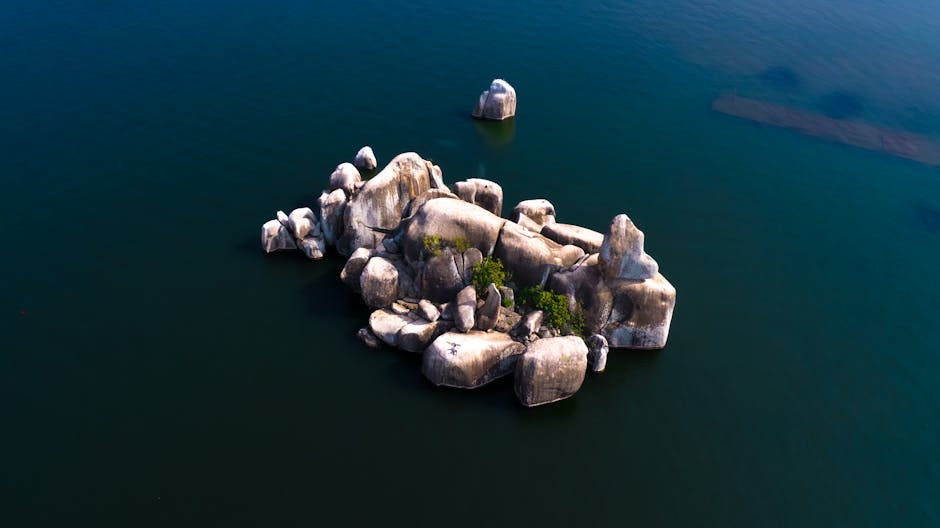
Iconic Bismarck Rock formation in Lake Victoria, Lake Chala, Tanzania
FAQs: Your Lake Chala, Tanzania Questions Answered
1. Is Lake Chala, Tanzania safe at night?
Within the fenced lodge and campgrounds, it is very safe. However, it is wild country. Always follow camp rules: do not walk alone at night outside lit areas due to wildlife (like hippos, which are nocturnal and dangerous). Use a flashlight and stay in your tent or room after dark unless accompanied by staff.
2. What currency is used and are credit cards accepted?
The Tanzanian Shilling (TZS) is the local currency, but US Dollars are widely accepted at the lodge. Credit cards (Visa/Mastercard) are accepted at Lake Chala Safari Camp, but connectivity can be unreliable—carry sufficient cash (small USD bills or TZS) for tips, souvenirs, and as a backup.
3. How do I get from the airport to Lake Chala?
You must pre-arrange transport. There are no taxis waiting. Your best bet is to book a private transfer through your accommodation (approx. $80-$100 from Kilimanjaro Airport) or as part of a wider safari package. Book airport transfers at GetYourGuide for convenience, but confirm the driver knows the exact lodge location.
4. Do I need to speak the local language?
No. Staff at the camp and all guides speak excellent English. Learning a few Swahili greetings, however, is greatly appreciated by everyone you meet and enhances your cultural experience.
5. What’s the appropriate dress code?
Practical, breathable outdoor clothing for hiking and warm layers for cool evenings. Neutral colors (khaki, green, brown) are best for wildlife viewing. For around camp, casual wear is fine. Remember a swimsuit, a wide-brimmed hat, and sturdy, broken-in hiking boots.
Final Thoughts: Lake Chala, Tanzania Awaits
Lake Chala offers a rare commodity in today’s world: profound silence and untouched natural drama. It’s not a destination for ticking off a list of monuments, but for reconnecting with the raw beauty of the planet. You’ll leave with memories of the lake’s shifting colors, the accomplishment of the rim hike, and the warmth of Tanzanian hospitality. For the savvy traveler looking to step beyond the classic safari circuit and find a place where nature still writes the only agenda, Lake Chala is an essential pilgrimage. Plan to spend at least two nights—the magic here unfolds when you slow down and simply listen to the ancient whispers of the crater.
Explore More Destinations
- Jozani, Tanzania on a Budget: an Ancient Forest for $35/Day (2026)
- Nsumbu, Zambia on a Budget: Wild Africa for $40/Day (2026)
- Semporna, Malaysia on a Budget: Paradise for $35/Day (2026)
- Khuzestan, Iran on a Budget: Ancient Empires for $30/Day (2026)
- Ngerulmud, Palau on a Budget: Island Majesty for $45/Day (2026)
Ready to Visit Lake Chala?
Start planning your trip today. Compare hotels, find the best tours, and get insider tips.
Your adventure in Lake Chala starts here →
Related Guides
Explore more destinations similar to Lake Chala:
- Lijiang, China’s Hidden Ancient Canals, Naxi Culture & Snow Mountain Majesty (2025)
- Australian Capital Territory, Australia: Essential Democracy, Design & Natural Drama (2025)
- Ilovik, Croatia’s Ultimate Secluded Bays, Olive Groves & Island Serenity (2026)
- Chobe National Park, Botswana: Epic River Giants, Epic Safaris & Untamed Wilderness (2025)
{“@context”: “https://schema.org”, “@type”: “FAQPage”, “mainEntity”: [{“@type”: “Question”, “name”: “What is the best time to visit Lake Chala?”, “acceptedAnswer”: {“@type”: “Answer”, “text”: “The best time to visit Lake Chala depends on your preferences. Generally, the dry season offers the most pleasant weather for sightseeing and outdoor activities.”}}, {“@type”: “Question”, “name”: “How many days do I need in Lake Chala?”, “acceptedAnswer”: {“@type”: “Answer”, “text”: “Most travelers spend 3-5 days in Lake Chala to see the main attractions. A week allows for a more relaxed pace and day trips.”}}, {“@type”: “Question”, “name”: “Is Lake Chala expensive to visit?”, “acceptedAnswer”: {“@type”: “Answer”, “text”: “Lake Chala can be visited on various budgets. Accommodation ranges from hostels to luxury hotels, and local restaurants offer affordable dining.”}}]}

