
Lake Manyara, Tanzania: Amazing Tree-Climbing Lions, Flamingo Spectacles & Safari Intimacy (2026)
While the vast Serengeti draws over 350,000 visitors annually, savvy travelers discover a more intimate, condensed safari experience just 126 kilometers west of Arusha. Lake Manyara National Park, a slender green ribbon at the base of the Great Rift Valley escarpment, packs an astonishing density of wildlife into just 330 square kilometers. Here, you can witness the park’s legendary tree-climbing lions dozing in acacia branches and watch a shoreline blush pink with over two million lesser flamingos, all in a single game drive without the convoy crowds of its famous northern neighbors.
Why Lake Manyara, Tanzania Stands Out

A herd of cattle standing on top of a dry grass field, Lake Manyara, Tanzania
- Historic Architecture: The park’s iconic entrance gate, built in the 1960s, features a classic thatched roof and stonework that has welcomed safari-goers for decades, symbolizing the dawn of Tanzanian conservation tourism.
- Cultural Scene: Visiting a nearby Maasai boma offers an authentic glimpse into the semi-nomadic pastoralist traditions that have shaped this landscape for centuries, far from staged cultural shows.
- Local Specialties: Don’t miss Nyama Choma, perfectly grilled goat or beef often served with Ugali (maize porridge) and Kachumbari (tomato and onion salad), best enjoyed at a local barbecue spot.
Pro Tip: Your best bet for seeing the famous tree-climbing lions is during the late afternoon game drive in the acacia woodland area. The lions seek the cooler breezes and a vantage point in the trees, especially from January to March. Arrive around 3:30 PM and have your guide focus on the areas near the Msasa River.
Map of Lake Manyara, Tanzania
Use these interactive maps to explore Lake Manyara, Tanzania and plan your route:
📍 View Lake Manyara, Tanzania on OpenStreetMap
🗺️ Open Lake Manyara, Tanzania in Google Maps
Planning Your Trip: Practical Essentials
Getting There and Around
- By Air: Fly into Kilimanjaro International Airport (JRO) or Arusha Airport (ARK). From there, it’s a 1.5 to 2-hour drive. Coastal Aviation and other regional carriers offer flights to Lake Manyara Airstrip. Book flights at Skyscanner for best deals.
- By Train: While no direct train serves the park, the modern Standard Gauge Railway connects Dar es Salaam to Dodoma, with future phases planned toward Arusha. Reserve tickets at Trainline or the national railway website.
- By Car: The most common approach is a private transfer or rental 4×4 from Arusha via the well-maintained A104 highway. A 4×4 is essential for park game drives. Compare car rentals at RentalCars.com.
- Local Transport: Within the park, transport means your safari vehicle. Outside, dalla-dalla minibuses run between Mto wa Mbu village and Arusha but are not practical for park exploration. Organized tours are highly recommended.
Best Time to Visit
The ideal time hinges on your priorities: the dry season (June-October) offers prime wildlife viewing as animals congregate around water, while the wet season (November-May) brings lush scenery, migratory birds, and flamingo flocks, with fewer visitors.
| Season | Weather | Highlights |
|---|---|---|
| Dry Season (Jun–Oct) | Warm, sunny days (70-85°F), very little rain. | Best for big game viewing; animals are easier to spot near the lake and rivers. Peak tourist season. |
| Wet Season (Nov–May) | Warmer (75-90°F), with heavy rains especially in Apr & May. | Lush green landscapes, birdwatching paradise (including flamingos), lower rates, and far fewer vehicles. |
| Shoulder (Nov & late May) | Mix of sun and short rains, pleasant temperatures. | A sweet spot with good wildlife, emerging greenery, and manageable crowds before or after peak seasons. |
Budgeting for Lake Manyara, Tanzania
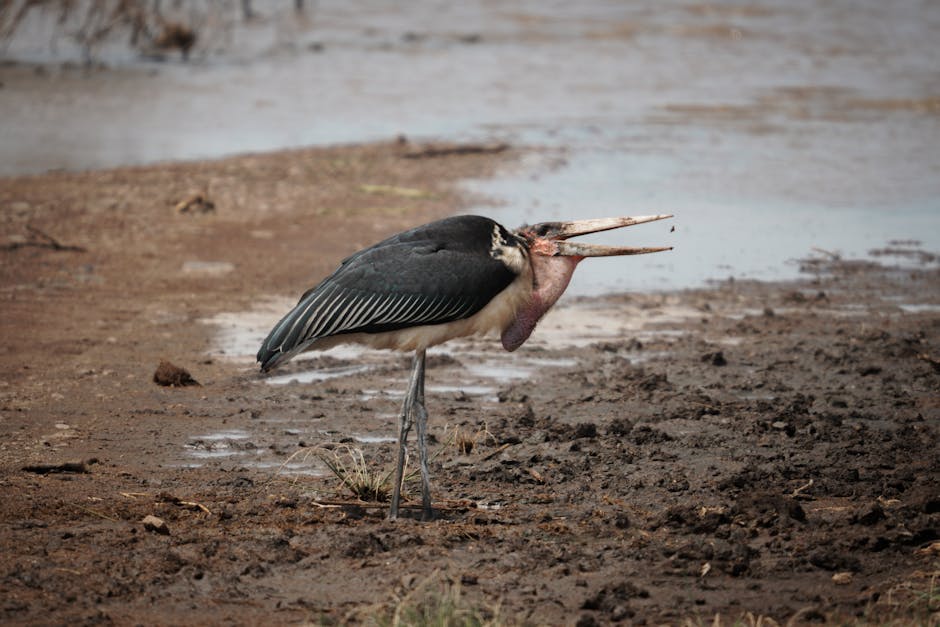
A Marabou Stork stands in a muddy area near Lake Manyara in Tanzania, Lake Manyara, Tanzania
| Category | Budget | Mid-range | Luxury |
|---|---|---|---|
| Accommodation | $30-80/night (camping or basic lodge outside park) | $150-350/night (comfortable lodge with park views) | $500-1,200+/night (top-tier safari lodge or tented camp) |
| Meals | $10-15/day (local eateries in Mto wa Mbu) | $40-60/day (lodge meals) | $100+/day (gourmet all-inclusive) |
| Transport | $50/day (shared tour segment) | $150-250/day (private 4×4 & driver-guide) | $400+/day (private luxury vehicle) |
| Activities | $53/day (park entry fee is mandatory) | $53 park fee + $50-100 for guided walk/cultural tour | $53 park fee + exclusive experiences (e.g., bush breakfast) |
| Daily Total | $140-200 | $400-750 | $1,000+ |
*Note: Park entry fees are $53 USD per person, per 24-hour visit for foreign non-resident adults. Most visitors book all-inclusive safari packages.
Top Attractions and Must-See Sights
| Attraction | Description | Hours | Entry Fee |
|---|---|---|---|
| Lake Manyara National Park | The main event: a diverse park with groundwater forest, plains, and the alkaline lake, famous for tree-climbing lions and flamingos. | 6:00 AM – 6:30 PM | $53 (adult, 24hrs) |
| Mto wa Mbu Village | A vibrant, multi-ethnic village offering cultural tours, local markets, and banana plantation walks for authentic community interaction. | Daylight hours | Tours ~$20-30 |
| Rift Valley Escarpment Viewpoint | A breathtaking panoramic stop on the main road overlooking the entire park and the vast geological trench of the Rift Valley. | Always accessible | Free (small tip for vendors) |
| Hot Springs (Majimoto) | Natural sulfur springs on the lake’s southern edge, where you can see bubbling water and often wildlife attracted to the minerals. | Accessible during game drives | Included in park fee |
3-Day Itinerary: Lake Manyara, Tanzania’s Highlights & Hidden Gems
Day 1: Arrival & First Safari Thrills
- Morning (7-9 AM): Enter the park gates right at 6:00 AM. The cool morning is prime time for spotting leopards and lions on the move. Head straight for the acacia woodlands to search for the famous tree-climbing lions lounging on the sturdy boughs.
- Afternoon (12-3 PM): Enjoy a packed lunch at a scenic picnic site like the one near the Msasa River. Afterwards, drive to the lake shore to witness the spectacular flocks of flamingos (seasonal) and herds of elephants that often emerge from the forest to bathe and drink.
- Evening (6-8 PM): Exit the park and check into your lodge. For dinner, savor a classic Tanzanian BBQ at the Fig Tree Lodge’s open-air restaurant, trying their excellent Nyama Choma.
Day 2: Culture, Canopy & Conservation
- Morning (8-11 AM): Take a guided cultural walk in Mto wa Mbu village (~$25). Visit a local farm, see banana beer brewing, and explore the bustling market where over 120 tribes are said to trade.
- Afternoon (12-4 PM): Return to the park for a different perspective with a guided canoe trip (seasonal, on the periphery) or request your driver to explore the less-visited southern circuit towards the hot springs, looking for large buffalo herds and klipspringers on the cliffs.
- Evening (6 PM): Enjoy a sundowner drink at your lodge overlooking the escarpment, followed by a talk from a resident naturalist about the park’s unique ecology.
Day 3: Treetops & Tranquil Departure
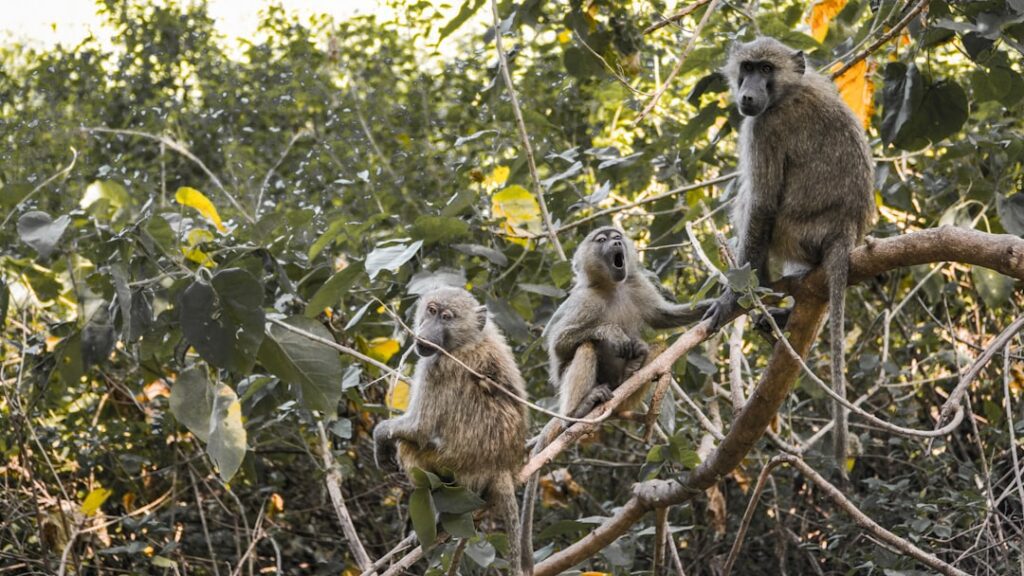
- Morning (7-10 AM): One final early game drive, focusing on the groundwater forest. Look for the park’s large troops of blue monkeys and olive baboons. With luck, you might spot a lion still resting in a tree from the night before.
- Afternoon (12-2 PM): Have lunch at Gibbs Farm (about a 30-minute drive north towards Ngorongoro). This historic coffee plantation offers a stunning garden-to-table lunch using produce from their own organic gardens.
- Evening (3 PM+): Depart for your next destination—the Ngorongoro Crater is just a 90-minute drive away, making Lake Manyara the perfect start to the iconic Northern Circuit.
Cultural Insights & Etiquette
- Language: Swahili is the national language. Key phrases: “Jambo” (Hello), “Asante sana” (Thank you very much), “Hakuna Matata” (No problem). English is widely spoken in tourist areas and by guides.
- Customs: Always greet people politely before asking questions or taking photographs. When visiting a Maasai boma, it is respectful to accept the elder’s greeting and follow your guide’s lead. Never take photos of people without explicit permission, often granted in exchange for a small tip.
- Tipping: Tipping is customary. For your private driver-guide, consider $15-25 per day from the group. Lodge staff appreciate $5-10 left at the end of your stay. Tip in US dollars or Tanzanian Shillings.
- Dress Code: Dress modestly, especially in villages. Neutral-colored clothing (khaki, green, brown) is best for safari to avoid disturbing wildlife. Bring a warm layer for early mornings.
- Business Hours: Park hours are strict (6 AM-6:30 PM). Shops in Mto wa Mbu are generally open from 8 AM until dusk.
Where to Eat: Lake Manyara, Tanzania’s Best Bites
Dining revolves around your lodge or camp, which typically provide full-board meals. For independent eating, the village of Mto wa Mbu offers authentic local flavor. Lodge cuisine is often international with Tanzanian highlights, featuring fresh, locally-sourced ingredients.
Must-Try Local Specialties
- Nyama Choma: The quintessential East African barbecue. For a true local experience, ask your guide to recommend a simple BBQ spot in Mto wa Mbu where meat is grilled over charcoal and sold by weight.
- Ugali & Sukuma Wiki: A staple combo of stiff maize porridge served with a flavorful sauté of kale or collard greens. Try it at a village eatery for an authentic taste of daily life.
- Mtori: A hearty banana and beef stew originating from the Chagga people near Kilimanjaro, sometimes found on lodge menus as a delicious and filling traditional option.
Restaurant Recommendations by Budget
| Type | Restaurant | Specialty | Price Range |
|---|---|---|---|
| Budget | Mto wa Mbu Local Market Stalls | Fresh mangoes, samosas, grilled maize, and street BBQ. | $2-7 per meal |
| Mid-range | Fig Tree Lodge Restaurant | High-quality international and Tanzanian dishes with stunning sunset views over the park. | $20-40 per meal |
| Fine dining | Gibbs Farm (near Karatu) | Exquisite farm-to-table multi-course meals in a stunning historical garden setting. | $50+ per meal |
Where to Stay
Accommodation ranges from basic campsites to ultra-luxurious treehouses. Most lodges are situated on the rift wall overlooking the park, offering phenomenal views. Staying inside the park is limited to one public campsite and a few exclusive options, offering unparalleled access to night sounds and early starts. Compare prices and book at Booking.com or Airbnb for apartments in nearby towns.
Best Neighborhoods for Accommodation
- Rift Valley Escarpment: This is the prime area, with lodges perched on the edge offering breathtaking views down into the park. It suits travelers wanting iconic safari scenery and easy park access, though prices are higher.
- Mto wa Mbu Village: Offers basic guesthouses and campsites. It’s ideal for budget backpackers and cultural immersion, but you’ll need transport to the park gate daily.
- Karatu Area (North of Park): A small farming town with a wide range of lodges, from budget to luxury. It’s a great base for exploring both Lake Manyara and the Ngorongoro Crater, offering more variety and often better value.

A herd of zebras grazes by Lake Manyara with flamingos in the background., Lake Manyara, Tanzania
FAQs: Your Lake Manyara, Tanzania Questions Answered
1. Is Lake Manyara, Tanzania safe at night?
Inside the park, you must be on an official campsite or in your lodge after dark due to wildlife. Lodges are fenced and secure. In villages like Mto wa Mbu, exercise normal precautions: avoid walking alone at night and secure your valuables. Your safari guide is your best source of local safety advice.
2. What currency is used and are credit cards accepted?
The Tanzanian Shilling (TZS) is the local currency, but US Dollars are widely accepted for park fees, tips, and at lodges. Ensure dollar bills are series 2009 or newer and in good condition. Major lodges accept credit cards (Visa/Mastercard), but always carry cash for smaller purchases, market stalls, and tips.
3. How do I get from the airport to the park?
Most visitors pre-arrange a transfer with their safari company or lodge from Arusha (2-hour drive) or directly from Kilimanjaro Airport (2.5-hour drive). A private taxi from Arusha costs around $80-100. There is no public transport to the park gate suitable for tourists. Book airport transfers at GetYourGuide for convenience.
4. Do I need to speak the local language?
No. English is the language of tourism in Tanzania. All safari guides are fluent in English (and often several other languages). Learning a few basic Swahili greetings, however, is greatly appreciated by locals and will enhance your interactions.
5. What’s the appropriate dress code?
On safari, wear
Explore More Destinations
- Jozani, Tanzania on a Budget: an Ancient Forest for $35/Day (2026)
- Nsumbu, Zambia on a Budget: Wild Africa for $40/Day (2026)
- Semporna, Malaysia on a Budget: Paradise for $35/Day (2026)
- Khuzestan, Iran on a Budget: Ancient Empires for $30/Day (2026)
- Ngerulmud, Palau on a Budget: Island Majesty for $45/Day (2026)
Ready to Visit Lake Manyara?
Start planning your trip today. Compare hotels, find the best tours, and get insider tips.
Your adventure in Lake Manyara starts here →
Related Guides
Explore more destinations similar to Lake Manyara:
- Garanhuns, Brazil’s Hidden Cool Climate, Colorful Culture & Culinary Comfort (2026)
- Nkayi, Republic of the Congo: Ultimate Sugar, Savanna & Authentic Kongo Culture (2026)
- Huayacocotla, Mexico’s Hidden Mountain Air, Huapango Music & Colonial Charm (2026)
- Pašman, Croatia’s Best Secluded Coves, Franciscan Serenity & Olive Oil Trails (2026)
{“@context”: “https://schema.org”, “@type”: “FAQPage”, “mainEntity”: [{“@type”: “Question”, “name”: “What is the best time to visit Lake Manyara?”, “acceptedAnswer”: {“@type”: “Answer”, “text”: “The best time to visit Lake Manyara depends on your preferences. Generally, the dry season offers the most pleasant weather for sightseeing and outdoor activities.”}}, {“@type”: “Question”, “name”: “How many days do I need in Lake Manyara?”, “acceptedAnswer”: {“@type”: “Answer”, “text”: “Most travelers spend 3-5 days in Lake Manyara to see the main attractions. A week allows for a more relaxed pace and day trips.”}}, {“@type”: “Question”, “name”: “Is Lake Manyara expensive to visit?”, “acceptedAnswer”: {“@type”: “Answer”, “text”: “Lake Manyara can be visited on various budgets. Accommodation ranges from hostels to luxury hotels, and local restaurants offer affordable dining.”}}]}

