
Sakurajima, Japan’s Essential Volcano Views, Onsen Relaxation & Giant Radishes (2026)
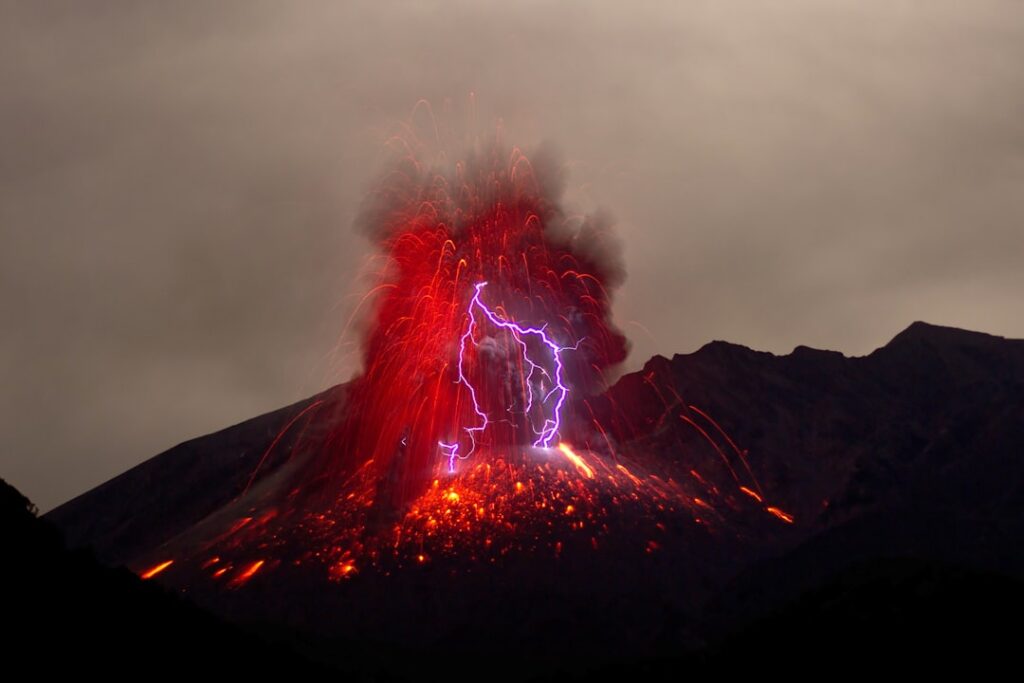
At 6:30 AM, the ferry from Kagoshima glides across Kinko Bay, the water a perfect mirror for the 1,117-meter volcano that dominates the horizon. You’ll hear the low, distant rumble before you see the plume of ash—a daily reminder this is one of Japan’s most active peaks, erupting over 1,000 times a year. This isn’t a dormant postcard; it’s a living, breathing island where you walk on land created in 1914 and taste vegetables grown in its mineral-rich soil.
Why Sakurajima, Japan Stands Out

Green and brown mountain under white clouds during daytime, Sakurajima, Japan
- Historic Architecture: The Kurokami Buried Shrine Gate, half-submerged since the colossal 1914 eruption, stands as a stark monument to the volcano’s raw power and the island’s resilience.
- Cultural Scene: The Sakurajima Daikon Festival in February celebrates the world’s largest radishes, some weighing over 45 pounds, grown in the volcanic ash with unique competitions and local pride.
- Local Specialties: You must try *Sakurajima komikan*, a tiny, intensely sweet mandarin orange cultivated for over 400 years in the island’s unique microclimate.
Pro Tip: For the clearest views and minimal ash fall, plan your visit between October and December. The summer rainy season (June-July) often obscures the peak, and winter winds can carry ash directly over the main observation points. Always check the real-time eruption alert level on the local municipality website before you set out for the day.
Map of Sakurajima, Japan
Use these interactive maps to explore Sakurajima, Japan and plan your route:
📍 View Sakurajima, Japan on OpenStreetMap
🗺️ Open Sakurajima, Japan in Google Maps
Planning Your Trip: Practical Essentials
Getting There and Around
- By Air: Fly into Kagoshima Airport (KOJ), served by domestic flights from Tokyo (Haneda, 1h 45m), Osaka, and Fukuoka. From the airport, take the 40-minute airport limousine bus to Kagoshima City’s main terminal (¥1,300), then a short tram or taxi to the ferry port. Book flights at Skyscanner for best deals.
- By Train: The Kyushu Shinkansen connects Kagoshima-Chuo Station to major cities (Hakata/Fukuoka: 1h 20m; Osaka: 3h 45m). From the station, it’s a 10-minute tram ride (¥170) to the Suizokukan-guchi ferry terminal. Reserve tickets at Trainline or the national railway website.
- By Car: Driving allows maximum flexibility. Rent a car in Kagoshima and take the 15-minute car ferry (¥1,600 for a standard car + ¥200 per passenger). The island has a 36km coastal road. Compare car rentals at RentalCars.com.
- Local Transport: The Sakurajima Island View Bus (Red Line) is the most efficient way to see sights without a car. A 1-Day Pass costs ¥500 and makes a loop of all major attractions every 30-60 minutes. Bicycles can be rented near the ferry port for ~¥1,000/day, but be prepared for hilly terrain.
Best Time to Visit
Timing is everything on Sakurajima, balancing clear views, comfortable weather, and volcanic activity. The shoulder seasons offer the ideal blend of mild conditions and vivid landscapes.
| Season | Weather | Highlights |
|---|---|---|
| Summer (Jun–Aug) | Hot (25-32°C/77-90°F), humid, with frequent rain and the possibility of typhoons. | Lush greenery, but the volcano summit is often shrouded in clouds; higher chance of ash fall being blown away from the island. |
| Winter (Dec–Feb) | Cool to mild (5-15°C/41-59°F), dry, and windy. | Crisp, clear views of the snow-dusted peak are common, but the wind often blows ash plumes toward the eastern side of the island. |
| Shoulder (Apr–May/Sep–Oct) | Pleasant (15-25°C/59-77°F) with low humidity and minimal rain. | Optimal hiking conditions, reliable visibility for photography, and the most comfortable weather for exploring outdoors. The autumn *komikan* harvest begins in October. |
Budgeting for Sakurajima, Japan

White clouds over snow covered mountain, Sakurajima, Japan
| Category | Budget | Mid-range | Luxury |
|---|---|---|---|
| Accommodation | ¥4,000-¥7,000 for a hostel/guesthouse in Kagoshima | ¥12,000-¥20,000 for a business hotel or ryokan in Kagoshima | ¥35,000+ for a luxury onsen hotel with private volcano views |
| Meals | ¥800-¥1,500 for ramen or a donburi bowl | ¥2,500-¥4,000 for a set-menu lunch or local restaurant dinner | ¥8,000+ for a multi-course *kaiseki* dinner featuring local seafood and Kurobuta pork |
| Transport | ¥300 ferry + ¥500 bus pass | ¥1,800 car ferry + fuel, or taxi tours (~¥8,000/2hrs) | Private car charter with guide (~¥25,000/half-day) |
| Activities | Free observation points, hiking trails | ¥600 for Nagisa Lava Trail foot bath, ¥1,000 for museum entry | ¥5,000+ for a guided geology tour or premium onsen experience |
| Daily Total | ¥6,000-¥9,000 | ¥18,000-¥28,000 | ¥50,000+ |
Top Attractions and Must-See Sights
| Attraction | Description | Hours | Entry Fee |
|---|---|---|---|
| Yunohira Observatory | The closest public viewpoint to the crater at 373m, offering a breathtaking, unobstructed panorama of the smoking Minamidake peak. | 24/7, but access may close during high eruption alerts | Free |
| Kurokami Buried Shrine Gate (Kurokami Shukkei) | Only the top 3 meters of this once 10-meter torii gate are visible, buried by ash and lava during the Taisho eruption—a powerful, silent witness to history. | Always viewable | Free |
| Nagisa Lava Trail & Foot Baths | Walk a 3km path along the 1914 lava flow to the sea, then soak your feet in a 100-meter long, free seaside foot onsen with volcano views. | Trail: 24/7; Foot Bath: 9:00 AM – 9:00 PM (last entry 8:30 PM) | Free |
| Sakurajima Visitor Center | An essential first stop with impressive interactive exhibits on the volcano’s geology, real-time seismographs, and detailed English explanations. | 9:00 AM – 5:00 PM (Closed Mon & day after Nat. Holidays) | Free |
3-Day Itinerary: Sakurajima, Japan’s Highlights & Hidden Gems
Day 1: Volcanic Foundations & Seaside Soaks
- Morning (7:30 AM): Catch the early ferry from Kagoshima (¥200, 15 min). At the Sakurajima port, rent a bicycle or buy a bus pass. Head straight to the **Sakurajima Visitor Center** to understand the giant you’re standing on.
- Afternoon (12:30 PM): Enjoy lunch at **Komikan No Sato**, a local restaurant known for its *Sakurajima Don*—a bowl of rice topped with local beef, giant daikon, and a tiny *komikan* (¥1,800). Afterwards, walk the **Nagisa Lava Trail** and reward yourself with a long soak in the free foot baths.
- Evening (6:00 PM): Take the ferry back to Kagoshima. For dinner, savor Kagoshima’s famous Kurobuta pork tonkatsu at **Tonkatsu Wako** in Tenmonkan district (¥2,500).
Day 2: Summit Views & Buried History
- Morning (8:30 AM): Return to the island via ferry. Take the Island View Bus or drive to the **Yunohira Observatory**. Spend an hour here; the view changes by the minute with the shifting plume. On a clear day, you can see Kagoshima city perfectly framed by the crater.
- Afternoon (1:00 PM): Have a simple, delicious bowl of *Sakurajima Curry*—made with local vegetables—at the café near the observatory. Then, visit the solemn **Kurokami Buried Shrine Gate**. Continue to the **Arimura Lava Observatory** on the east coast for a different perspective.
- Evening (5:30 PM): Experience a true local ritual at **Sakurajima Yuzen Onsen**. This public bath uses natural hot spring water heated by the volcano (¥500). It’s a fantastic way to unwind before heading back.
Day 3: Island Life & Citrus Delights
- Morning (9:00 AM): Visit a **Komikan Orchard** (some offer seasonal tours; book ahead, ~¥1,500). Learn about the cultivation and taste fresh-picked oranges. Then, explore the **Furusato Village** market to buy volcanic ash soap, *komikan* jam, and giant daikon pickles as souvenirs.
- Afternoon (12:00 PM): Enjoy a final island lunch at a market stall. If activity levels permit and you’ve booked in advance, consider a **guided 4×4 tour** (from ¥5,000/person) to get closer to restricted volcanic zones than you can on your own.
- Evening (4:00 PM): Take a final ferry ride, watching Sakurajima recede into the bay. In Kagoshima, cap your trip with a visit to the **Sengan-en Garden**, a UNESCO site with a stunning borrowed landscape view of the volcano you just conquered.
Cultural Insights & Etiquette
- Language: Basic Japanese phrases go a long way. Say “Konnichiwa” (Hello), “Arigatou gozaimasu” (Thank you), and “Sumimasen” (Excuse me). In tourist centers, some English is spoken, but menus and signs are often only in Japanese.
- Customs: Always remove your shoes when entering a tatami mat room, a ryokan, or some traditional restaurants. When using public onsens, wash thoroughly at the shower stations before entering the bath, and never let your towel touch the bath water.
- Tipping: Tipping is not practiced in Japan. It can even cause confusion. Excellent service is standard and included. A simple, sincere “arigatou gozaimashita” (thank you very much) is the best gratuity.
- Dress Code: Casual and comfortable for exploring. Pack a light rain jacket. For onsens, modesty is key in changing areas, but in the bath itself, no clothing or swimsuits are allowed.
- Business Hours: Most shops open 10:00 AM – 6:00 PM. Restaurants serve lunch 11:30 AM – 2:00 PM and dinner from 5:30 PM or 6:00 PM. Many museums and smaller attractions are closed on Mondays.
Where to Eat: Sakurajima, Japan’s Best Bites
Dining on Sakurajima is a lesson in *terroir*. The volcanic soil and seaside location create uniquely flavorful produce and seafood. Meals are hearty, simple, and deeply connected to the land. Don’t expect a vast array of restaurants; instead, savor the hyper-local specialties at a handful of dedicated spots.
Must-Try Local Specialties
- Sakurajima Don: A bowl of rice topped with thin slices of Kagoshima black beef, grated giant daikon, a raw egg, and sometimes a tiny *komikan*. The daikon, grown in ash, is surprisingly sweet and less pungent. Try it at **Komikan No Sato** near the port.
- Sakurajima Komikan: These miniature oranges are an explosion of sweetness. Eat them fresh, or try them in jams, candies, or even as a dressing. Buy them at the Furusato Village market or directly from farm stands.
- Kagoshima Kurobuta Pork: While not exclusive to the island, the world-renowned Berkshire pork from this prefecture is a must. It’s richer and more marbled than standard pork. Enjoy it as tonkatsu (breaded cutlet) or shabu-shabu in Kagoshima city.
Restaurant Recommendations by Budget
| Type | Restaurant | Specialty | Price Range |
|---|---|---|---|
| Budget | **Sakurajima Port Ferry Terminal Cafeteria** (Sakurajima side) | Quick, hearty noodle bowls and curry rice for a fast bite before exploring. | ¥600-¥1,200 |
| Mid-range | **Komikan No Sato** (Near Sakurajima Port) | The definitive spot for Sakurajima Don and other set meals featuring every local ingredient. | ¥1,500-¥3,000 |
| Fine dining | **Shigetomi** (Kagoshima City, Tenmonkan) | Exquisite multi-course *kaiseki* highlighting seasonal Kagoshima ingredients like Kurobuta pork, Satsuma chicken, and local seafood. | ¥8,000-¥15,000 |
Where to Stay
Most visitors stay in Kagoshima City for a wider selection of hotels and dining, making day trips to Sakurajima. However, a few unique accommodations on the island offer an immersive experience. Compare prices and book at Booking.com or Airbnb for apartments.
Best Neighborhoods for Accommodation
- Kagoshima City Center (Near Tenmonkan): The bustling heart of the city, packed with restaurants, shops, and izakayas. Excellent transport links to the ferry. Best for foodies and those who want convenience and nightlife.
- Kagoshima Station Area: Ideal for travelers using the Shinkansen. It’s more business-oriented, with modern hotels and easy access to long-distance transport. A short tram ride from the ferry port.
<li 
A house with a mountain in the background, Sakurajima, Japan
{“@context”: “https://schema.org”, “@type”: “FAQPage”, “mainEntity”: [{“@type”: “Question”, “name”: “What is the best time to visit Sakurajima?”, “acceptedAnswer”: {“@type”: “Answer”, “text”: “The best time to visit Sakurajima depends on your preferences. Generally, the dry season offers the most pleasant weather for sightseeing and outdoor activities.”}}, {“@type”: “Question”, “name”: “How many days do I need in Sakurajima?”, “acceptedAnswer”: {“@type”: “Answer”, “text”: “Most travelers spend 3-5 days in Sakurajima to see the main attractions. A week allows for a more relaxed pace and day trips.”}}, {“@type”: “Question”, “name”: “Is Sakurajima expensive to visit?”, “acceptedAnswer”: {“@type”: “Answer”, “text”: “Sakurajima can be visited on various budgets. Accommodation ranges from hostels to luxury hotels, and local restaurants offer affordable dining.”}}]}
Related Guides
Explore more destinations similar to Sakurajima:
- Marigot, Saint Martin’s Hidden French Flair, Epic Markets & Caribbean Color (2026)
- Dalaba, Guinea’s Best Mountain Air, Colonial Charm & Fouta Djallon Culture (2026)
- Guéckédou, Guinea: Essential Crossroads Culture, Forest Treks & Resilient Spirit (2026)
- Trevelin, Argentina: Hidden Welsh Heritage, Alpine Lakes & Artisanal Chocolate (2026)

