
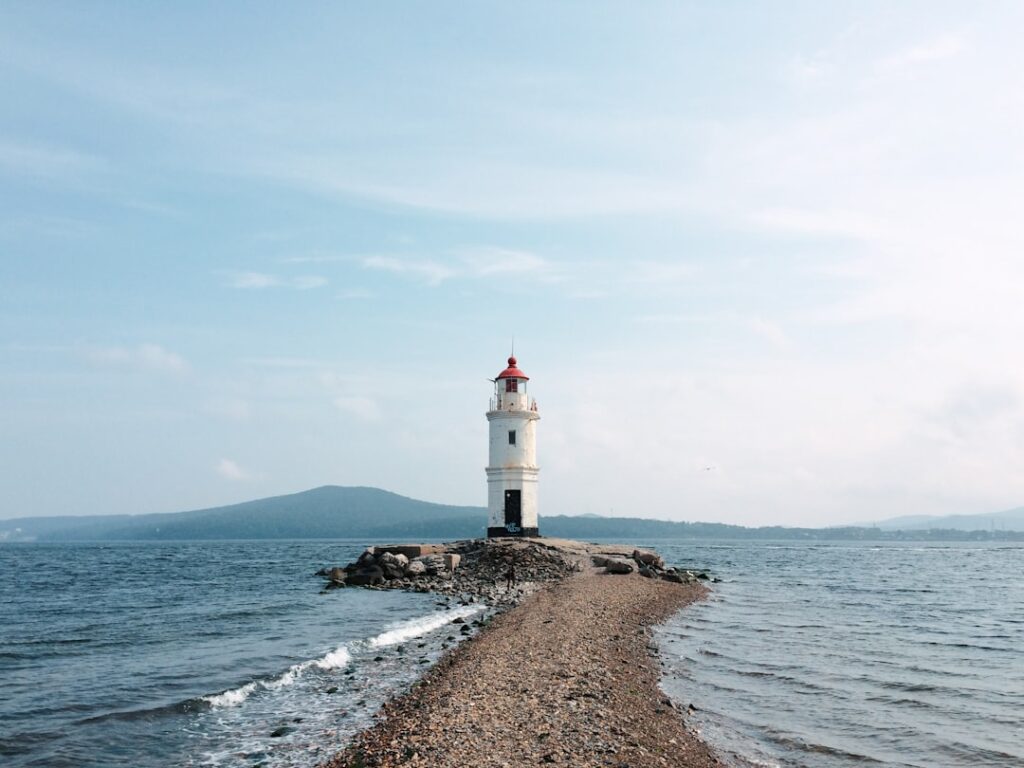
Primorsky Krai, Russia’s Best Tigers, Taiga & Untamed Coastlines (2026)
While crowds flock to Japan’s Hokkaido for its volcanic landscapes, Primorsky Krai, Russia delivers a wilder, more biodiverse frontier just across the Sea of Japan, without the premium price tag. Here, you can track the world’s largest big cat through pristine forest in the morning and feast on king crab pulled from the Pacific that same evening. This is Russia’s Far East, a vast territory where the Trans-Siberian Railway meets the ocean, offering a raw, adventurous alternative to its manicured neighbors.
Why Primorsky Krai, Russia Stands Out

A carving of a man and a woman, Primorsky Krai, Russia
- Historic Architecture: The 1912 Vladivostok Railway Station, the ornate terminus of the 9,288-kilometer Trans-Siberian Railway, is a living monument to imperial ambition and engineering.
- Cultural Scene: The annual Tiger Day festival in late September transforms Vladivostok into a celebration of Amur tiger conservation with parades and educational events unique to the region.
- Local Specialties: You must try *krasnaya ikra* (red salmon caviar) and *kamchatsky krab* (Kamchatka crab), served fresh from the cold Pacific waters at a fraction of the cost you’d find elsewhere.
Pro Tip: The absolute best time to visit is early September. The summer fog has lifted, the taiga forests are turning brilliant gold, the water is still warm enough for swimming, and you’ll avoid the peak tourist rush of July and August. For tiger tracking in the Sikhote-Alin Reserve, late September to early October offers the best conditions.
Map of Primorsky Krai, Russia
Use these interactive maps to explore Primorsky Krai, Russia and plan your route:
📍 View Primorsky Krai, Russia on OpenStreetMap
🗺️ Open Primorsky Krai, Russia in Google Maps
Planning Your Trip: Practical Essentials
Getting There and Around
- By Air: Vladivostok International Airport (VVO) is the main gateway, with direct flights from Moscow, Seoul, Tokyo, and Beijing. Aeroflot, S7, and Aurora operate most routes. The Aeroexpress train (30 mins, ~300 RUB) is your best bet to reach the city center. Book flights at Skyscanner for best deals.
- By Train: The legendary Trans-Siberian Railway ends here. The journey from Moscow takes about 7 days. It’s an experience in itself. For regional travel, the *Elektricka* commuter trains connect coastal towns. Reserve tickets at Trainline or the national railway website.
- By Car: Renting a car (4WD recommended) is ideal for exploring the rugged coastline and national parks. The AH6 highway runs from Vladivostok north along the coast. Parking in Vladivostok can be challenging. Compare car rentals at RentalCars.com.
- Local Transport: Vladivostok has an efficient network of trams, buses, and funiculars. A single trip costs ~30 RUB. The funicular up to Eagle’s Nest Hill is a must for the view. For ferries to Russky Island, check the Vostochny Port schedule.
Best Time to Visit
Primorsky Krai experiences a monsoon-influenced climate, with distinct seasons offering vastly different experiences. Your ideal time depends on whether you seek beach weather, golden autumnal hikes, or pristine winter snowscapes.
| Season | Weather | Highlights |
|---|---|---|
| Summer (Jun–Aug) | 16–25°C (61–77°F), humid, with frequent sea fog, especially in June. | Beach days at Lazurnaya Bay, island hopping, vibrant city life. Peak tourist season; book ahead. |
| Winter (Dec–Feb) | -8 to -15°C (18 to 5°F), dry, sunny, and snowy. The sea often freezes. | Stunning frozen coastline, winter sports on Russky Island, unique photography. Very cold but magical. |
| Shoulder (Apr–May/Sep–Oct) | 5–18°C (41–64°F), crisp air, minimal fog, stable weather. | Best for hiking and wildlife viewing (especially tiger tracking in fall), fewer crowds, lower prices. |
Budgeting for Primorsky Krai, Russia

A couple of large rocks sitting on top of a lush green hillside, Primorsky Krai, Russia
| Category | Budget | Mid-range | Luxury |
|---|---|---|---|
| Accommodation | Hostel: 800-1200 RUB/night | 3-star hotel: 3500-5500 RUB/night | 5-star (Hyundai Hotel): 8000+ RUB/night |
| Meals | Stolovaya (cafeteria): 300-500 RUB | Local restaurant: 1000-1500 RUB | Fine dining: 3000+ RUB |
| Transport | Public transport: 200 RUB/day | Taxi/day rental: 1500-2500 RUB/day | Private driver: 5000+ RUB/day |
| Activities | Hiking, beaches, free museums | Fort tours, aquarium: 500-1000 RUB/attraction | Guided tiger tracking tour: 20,000+ RUB |
| Daily Total | 2000-3000 RUB | 7000-10,000 RUB | 20,000+ RUB |
Top Attractions and Must-See Sights
| Attraction | Description | Hours | Entry Fee |
|---|---|---|---|
| Russky Island & Vladivostok Fortress | Explore the massive, haunting tsarist-era fortifications and pristine beaches, connected by the stunning Russky Bridge. | Island: 24/7; Forts: 10 AM-6 PM (varies) | Island: Free; Fort Museums: ~300 RUB |
| Primorsky Oceanarium | A world-class aquarium on Russky Island showcasing the incredible marine life of the Pacific Rim. | 10 AM-8 PM (Closed Mon) | ~1000 RUB |
| Eagle’s Nest Hill | The iconic viewpoint offering a panoramic postcard view of Golden Horn Bay, the bridges, and the cityscape. | 24/7 (Funicular 7 AM-8 PM) | Free (Funicular: ~20 RUB) |
| S-56 Submarine Museum | Board a legendary WWII Soviet submarine permanently moored on Korabelnaya Embankment. | 10 AM-6 PM | ~200 RUB |
3-Day Itinerary: Primorsky Krai, Russia’s Highlights & Hidden Gems
Day 1: Vladivostok’s Imperial Past & Maritime Present
- Morning (7-9 AM): Start at Korabelnaya Embankment. See the S-56 Submarine and the Memorial to the Pacific Fleet. The morning light here is perfect for photos of the harbor.
- Afternoon (12-3 PM): Take the funicular up to Eagle’s Nest Hill for breathtaking views. For lunch, head to Stolovaya No. 1 on Svetlanskaya Street for an authentic, cheap Russian cafeteria experience (try the beef stroganoff, ~350 RUB).
- Evening (6-8 PM): Walk across the iconic Zolotoy Bridge (Golden Bridge) as it lights up at dusk. Have dinner at Port Cafe for superb seafood platters overlooking the water (~1500 RUB).
Day 2: Island Fortresses & Ocean Depths
- Morning (8 AM): Take a 30-minute taxi or bus (bus #15, ~50 RUB) across the Russky Bridge. Explore the sprawling, eerie Voroshilov Battery gun fortification. The scale is immense and humbling.
- Afternoon (1 PM): Visit the stunning Primorsky Oceanarium (allow 3 hours). For lunch, grab a bite at the oceanarium’s cafe or pack a picnic for Ajaks Beach nearby.
- Evening (7 PM): Return to the mainland for a sophisticated dinner at Makarov Restaurant near the Admiral Makarov statue, known for its creative takes on local crab and scallops (~2000 RUB).
Day 3: The Wild Coast & Culinary Farewell
- Morning (7 AM): Rent a car or join a tour (from ~4000 RUB) for the 1.5-hour drive to Lazurnaya Bay (Shamora Beach). This is the region’s premier beach, with clear water and forested hills, perfect for a morning hike or swim.
- Afternoon (12 PM): Enjoy a beachside lunch of fresh shashlik (kebabs) at one of the casual grills along the shore. On your return, stop at the bustling Sportivnaya Ryinok (market) to see (and taste) the incredible seafood haul of the day.
- Evening (6 PM): For your final meal, indulge at Zuma, a renowned Pan-Asian restaurant in Vladivostok. Their Kamchatka crab with black pepper sauce is legendary (~2500 RUB). End the night with a walk along the illuminated waterfront.
Cultural Insights & Etiquette
- Language: Russian is essential outside tourist centers. Learn Cyrillic basics and key phrases: “Spasibo” (Thank you), “Zdravstvuyte” (Hello), “Skolko stoit?” (How much?).
- Customs: When invited to a home, always bring a small gift. Toasts are important during meals—wait for the host to initiate and maintain eye contact. Respect for elders is deeply ingrained.
- Tipping: Not mandatory, but appreciated. In restaurants, 5-10% for good service is becoming standard. Round up the fare for taxi drivers.
- Dress Code: Practical and modest. In cities, smart-casual is fine. For the wilderness, sturdy, waterproof hiking boots and layers are non-negotiable. Pack a formal layer for upscale restaurants.
- Business Hours: Shops typically open 9 AM-7 PM. Museums often have a day off, usually Monday. Many businesses close for an extended lunch (1 PM-2 PM). Major holidays like New Year and Victory Day (May 9) see widespread closures.
Where to Eat: Primorsky Krai, Russia’s Best Bites
Dining here is a celebration of the Pacific. The cuisine is a hearty mix of Russian staples and phenomenal, ultra-fresh seafood. Forget frozen fish—here, it’s often caught the same day. Locals take great pride in their *dalyokiye moreprodukty* (distant seafood).
Must-Try Local Specialties
- Kamchatka Crab: Steamed and served simply with melted butter. The sweet, tender meat is a revelation. Find it at any serious seafood restaurant like **Zuma** or **Port Cafe**.
- Pelmeni with Sea Urchin Roe: A Far Eastern twist on the classic dumpling, filled with a briny, creamy surprise. **MoloKo** restaurant is known for its creative pelmeni.
- Korean-style Salads (Morkovcha, Khe): A legacy of the local Korean community. Spicy marinated carrots (morkovcha) and raw fish salads (khe) are ubiquitous side dishes at markets and eateries.
Restaurant Recommendations by Budget
| Type | Restaurant | Specialty | Price Range |
|---|---|---|---|
| Budget | Stolovaya No. 1 (Svetlanskaya St.) | Authentic Russian canteen classics like borscht and kotleti. | 300-500 RUB |
| Mid-range | Port Cafe (Nizneportovaya St.) | Fresh, simply prepared whole grilled fish and seafood platters with harbor views. | 1000-1800 RUB |
| Fine dining | Zuma (Fontannaya St.) | Elegant Pan-Asian fusion, famous for its black pepper crab and sophisticated cocktails. | 2500-4000 RUB |
Where to Stay
Vladivostok is the primary base, with neighborhoods offering different vibes. For true wilderness, consider eco-lodges near national parks. Compare prices and book at Booking.com or Airbnb for apartments.
Best Neighborhoods for Accommodation
- Tsentralnaya Ploshchad (City Center): The historic heart, close to museums, the railway station, and main shops. Ideal for first-time visitors who want to walk everywhere. Can be noisy at night.
- Sportivnaya Naberezhnaya (Sport Embankment): A quieter, more modern area along the waterfront with great views, parks, and access to the funicular. Suits travelers seeking a scenic, relaxed stay.
- Russky Island: For a unique, remote experience. Options are limited (mostly guesthouses and the university campus), but you wake up surrounded by nature and fortresses. Best for those with a car.

Two cars are parked next to a building., Primorsky Krai, Russia
FAQs: Your Primorsky Krai, Russia Questions Answered
1. Is Primorsky Krai, Russia safe at night?
Vladivostok’s central areas are generally safe for travelers at night, but standard precautions apply: stick to well-lit main streets, be aware of your surroundings, and avoid isolated areas. Petty crime like pickpocketing can occur in crowded markets. The wilderness areas are safe from crime but require respect for nature—always hike with a guide in remote regions due to wildlife.
2. What currency is used and are credit cards accepted?
The Russian Ruble (RUB) is the currency. Credit cards (Visa, Mastercard) are widely accepted in hotels, larger restaurants, and stores in Vladivostok. However, you must carry cash for markets, rural areas, small cafes, and public transport. ATMs are plentiful in the city. Inform your bank of your travel plans to avoid card blocks.
3. How do I get from the airport to the city center?
The Aeroexpress train is the fastest and most reliable option, taking 30 minutes to Vladivostok’s main railway station for about 300 RUB. Taxis are available; use the official taxi desk inside the arrivals hall to set a fixed price (expect 1200-1500 RUB to the center). Avoid unlicensed touts. Book airport transfers at
Explore More Destinations
- Jozani, Tanzania on a Budget: an Ancient Forest for $35/Day (2026)
- Nsumbu, Zambia on a Budget: Wild Africa for $40/Day (2026)
- Semporna, Malaysia on a Budget: Paradise for $35/Day (2026)
- Khuzestan, Iran on a Budget: Ancient Empires for $30/Day (2026)
- Ngerulmud, Palau on a Budget: Island Majesty for $45/Day (2026)
Ready to Visit Primorsky Krai?
Start planning your trip today. Compare hotels, find the best tours, and get insider tips.
Your adventure in Primorsky Krai starts here →
Related Guides
Explore more destinations similar to Primorsky Krai:
- Aru Islands, Indonesia’s Best Pearls, Prehistoric Forests & Papuan Culture (2026)
- Bukavu, Democratic Republic of the Congo: Best Lakes, Legends & Lush Highlands (2025)
- Nuevo Berlín, Uruguay: Best Riverfront Serenity, German Heritage & Gaucho Culture (2026)
- Hoi An’s Best Lanterns, Silk & Riverside Magic (2025)

