
Bario, Malaysia’s Incredible Highland Rice, Kelabit Culture & Untamed Jungle (2026)
At 5:30 AM, the mist in Bario’s highland bowl is so thick you can taste the damp earth. The only sounds are the distant crow of a rooster and the rhythmic thud of a pestle from a longhouse kitchen, where a Kelabit woman is preparing *tepung ubi*. This isn’t a stop on a typical Malaysian tour; it’s a remote settlement in Sarawak’s Kelabit Highlands, accessible only by a 19-seat Twin Otter plane or a multi-day trek. Here, you trade traffic for trails, Wi-Fi for woven rattan, and find a cultural heartbeat that has pulsed for centuries.
Why Bario, Malaysia Stands Out

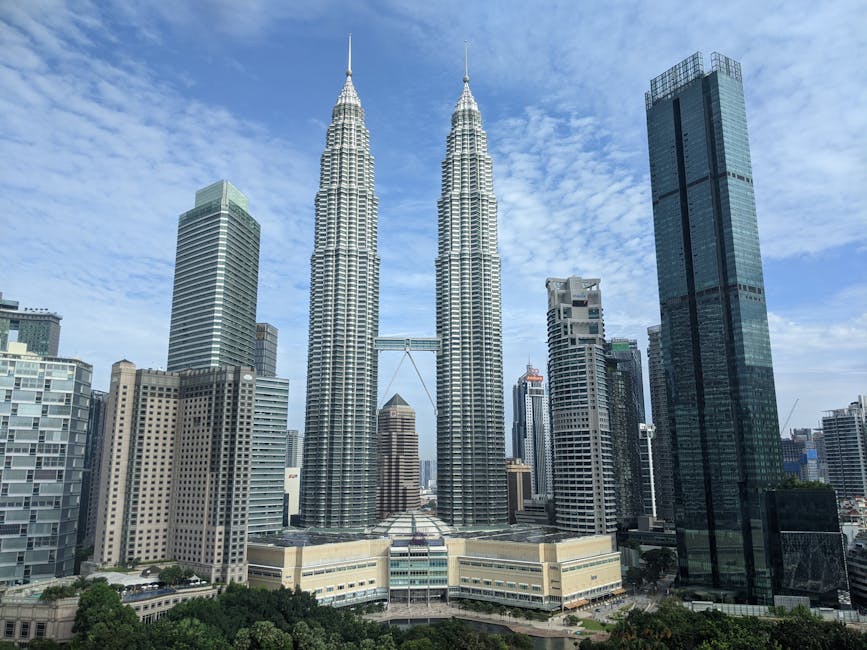
Stunning view of the Petronas Twin Towers against the blue sky in Kuala Lumpur, Bario, Malaysia
- Historic Architecture: The Bario Asal Longhouse, a traditional communal dwelling on stilts, offers a living museum of Kelabit heritage, where families have resided for generations.
- Cultural Scene: The annual Bario Food and Cultural Festival in July transforms the valley with traditional dances, *ngajat* performances, and a celebration of the famed Bario rice harvest.
- Local Specialties: You must try a plate of Bario rice, a fragrant, short-grain variety grown in the cool highlands, served with wild jungle ferns (*midin*) and local salt.
Pro Tip: The absolute best time to visit is during the dry season from March to September, particularly around July for the festival. For the clearest skies and best trekking conditions, aim for the window between June and August. Avoid the heavy monsoon from November to February when flights are frequently cancelled and trails turn to mud.
Map of Bario, Malaysia
Use these interactive maps to explore Bario, Malaysia and plan your route:
📍 View Bario, Malaysia on OpenStreetMap
🗺️ Open Bario, Malaysia in Google Maps
Planning Your Trip: Practical Essentials
Getting There and Around
- By Air: The only practical way in is via MASwings flight from Miri (MYR 150-250 one-way). The flight on a 19-seat Twin Otter is an adventure itself, weather-dependent. Book flights at Skyscanner for best deals.
- By Train: No train service reaches the Kelabit Highlands. The nearest major transport hub is Miri, accessible by bus or plane from elsewhere in Malaysia.
- By Car: There is no public road to Bario. A grueling 4WD logging track exists from Miri (12-14 hours), but it’s only for the most adventurous and is often impassable. Compare car rentals in Miri at RentalCars.com if you plan to explore after.
- Local Transport: Your feet, a rented bicycle (MYR 20/day), or a motorbike (MYR 50/day) are the main options. For trips to outlying farms or trailheads, arrange a 4WD ride with your homestay host (MYR 30-50 per trip).
Best Time to Visit
Bario’s climate is defined by a distinct wet and dry season, with the latter being the only reliable window for travel and trekking. The highland air is cool year-round, a refreshing escape from Malaysia’s coastal heat.
| Season | Weather | Highlights |
|---|---|---|
| Dry Season (Mar–Sep) | 18°C – 28°C, sunny mornings, frequent afternoon showers. | Ideal for all trekking, rice field visits, and cultural festivals. Peak travel season. |
| Wet Season (Oct–Feb) | 16°C – 26°C, heavy, persistent rain, dense fog. | Lush, dramatic scenery, but flights are unreliable and outdoor activities severely limited. Very few tourists. |
| Shoulder (Mar/Apr & Sep/Oct) | Pleasant temperatures, transitioning weather. | Good trekking conditions with slightly fewer visitors than mid-summer. A balanced choice. |
Budgeting for Bario, Malaysia

View of Jamek Mosque with lush palm trees and modern architectural elements…, Bario, Malaysia
| Category | Budget | Mid-range | Luxury |
|---|---|---|---|
| Accommodation | MYR 80-120/night (homestay) | MYR 150-250/night (guesthouse) | MYR 300+/night (full-board lodge) |
| Meals | MYR 5-15 (local stall, homestay meals) | MYR 20-40 (simple restaurant) | MYR 50+ (arranged feasts) |
| Transport | MYR 20/day (bike rental) | MYR 50/day (motorbike) | MYR 150+ (private 4WD guide) |
| Activities | Free (village walks, rice fields) | MYR 50-100 (guided jungle trek) | MYR 200+ (multi-day guided expedition) |
| Daily Total | MYR 105-155 | MYR 270-440 | MYR 700+ |
Top Attractions and Must-See Sights
| Attraction | Description | Hours | Entry Fee |
|---|---|---|---|
| Bario Rice Fields | Walk through the stunning, terraced emerald paddies that produce the legendary fragrant rice. | Daylight hours | Free |
| Bario Asal Longhouse | Experience authentic Kelabit communal living; some families welcome respectful visitors. | Varies; morning visits best | Donation appreciated |
| Prayer Mountain | A moderate 2-hour hike to a summit cross with breathtaking 360° views of the entire Bario valley. | Daylight hours | Free |
| Bario Salt Springs | Visit the traditional salt-making wells, where water is boiled for days to produce prized mineral salt. | Daylight hours | Free |
3-Day Itinerary: Bario, Malaysia’s Highlights & Hidden Gems
Day 1: Immersion in the Valley
- Morning (7-9 AM): Start with a walk through the dewy Bario rice fields at sunrise. Your best bet is to follow the path behind the airport for the most photogenic vistas of the layered paddies.
- Afternoon (12-3 PM): Cycle to the Bario Salt Springs (Pa’Umor). See the evaporation huts and learn about this centuries-old practice. For lunch, head to Jungle Blues for a hearty plate of fried Bario rice with local vegetables (MYR 15).
- Evening (6-8 PM): Arrange a visit to a local longhouse like Bario Asal through your homestay host. Enjoy a simple dinner of jungle fern and river fish back at your accommodation.
Day 2: Highland Trek & Culture
- Morning (8 AM): Hike Prayer Mountain (2-3 hours round trip, free). The trail starts near the football field. The view from the top is unforgettable, often above the clouds.
- Afternoon (1 PM): Recover with lunch at Sinah Rang Nu’uh, a local favorite for *labo senutuq* (smoked meat stew). Then, visit the Bario Heritage Museum (small donation) to see historical Kelabit artifacts and learn about the WWII-era “Bario Round Table” peace conference.
- Evening (7 PM): If you’re lucky, your host might demonstrate traditional beadwork or bamboo cooking. Enjoy a quiet evening under a spectacular canopy of stars, unobscured by light pollution.
Day 3: Jungle & Departure
- Morning (8 AM): Hire a local guide (MYR 80) for a 3-hour jungle walk to an old jungle settlement. They’ll point out edible plants, animal tracks, and share stories of forest spirits.
- Afternoon (12 PM): Have a final lunch at your homestay, savoring Bario rice one last time. Pick up souvenirs like hand-woven rattan bags or a packet of authentic Bario salt from the small community shop.
- Evening (Variable): Depending on your flight time (often early afternoon), you’ll transfer to the tiny Bario Airport. Flights are famously subject to weather, so travelers often discover an extra, unplanned night in Bario is part of the authentic experience.
Cultural Insights & Etiquette
- Language: The Kelabit language is widely spoken, but most people understand Malay. English is limited but manageable. Learn “**Terima kasih**” (Thank you) and “**Apa kabar?**” (How are you?).
- Customs: Always remove your shoes before entering a longhouse or home. It’s polite to accept offered food or drink. Ask permission before taking photos of people, especially elders.
- Tipping: Not expected, but deeply appreciated for good service, especially for guides. A tip of MYR 10-20 for a half-day guide is a kind gesture.
- Dress Code: Modest, practical clothing is best. For village visits, cover shoulders and knees. For trekking, wear sturdy shoes and long pants to protect from leeches.
- Business Hours: Life moves slowly. Shops open informally. The “town center” is small, with a few shops near the airport. Sunday is a day of rest for the Christian-majority community.
Where to Eat: Bario, Malaysia’s Best Bites
Dining in Bario is about homestyle Kelabit and Sarawakian cuisine. There are no fancy restaurants—just family-run kitchens, homestay meals, and a couple of simple cafes. The ingredients are the star: fresh from the rice field, jungle, or river.
Must-Try Local Specialties
- Bario Rice: The king of grains, fragrant and slightly sticky. Best eaten simply steamed alongside local dishes at any homestay.
- Midin Masak Belacan: A signature Sarawak dish of crunchy wild jungle fern stir-fried with spicy shrimp paste. Find it at Jungle Blues.
- Umai: A Melanau dish of thinly sliced raw fish “cooked” in lime juice, chilies, and onions. Sometimes available if the morning’s river catch is good.
Restaurant Recommendations by Budget
| Type | Restaurant | Specialty | Price Range |
|---|---|---|---|
| Budget | Jungle Blues (Near airport) | Western & local comfort food, great coffee | MYR 10-20 |
| Mid-range | Sinah Rang Nu’uh (Village center) | Authentic Kelabit stews and smoked meats | MYR 15-30 |
| Fine dining | Your Homestay (Arranged in advance) | Multi-course traditional Kelabit feast | MYR 50+ per person |
Where to Stay
Accommodation is exclusively in homestays, guesthouses, or small lodges. Staying in a homestay is highly recommended for an authentic cultural exchange. Most include breakfast and can arrange all other meals. Compare prices and book at Booking.com or Airbnb for apartments (though listings are limited).
Best Neighborhoods for Accommodation
- Near the Airport/Field: Most convenient for arrival/departure and close to the few shops and cafes. Ideal for first-timers. (e.g., Bario Guesthouse).
- In a Longhouse: For a deep cultural immersion. Facilities are very basic (shared bathrooms, thin walls), but the experience is unparalleled. Suits adventurous travelers.
- On the Village Outskirts: Offers more peace, beautiful views of the rice fields, and a true “getaway” feel. You’ll rely more on your bicycle. (e.g., various family homestays).

Scenic view of the majestic Putra Mosque in Putrajaya against a clear blue sky., Bario, Malaysia
FAQs: Your Bario, Malaysia Questions Answered
1. Is Bario, Malaysia safe at night?
Extremely safe. Crime is virtually nonexistent. The main considerations are practical: use a flashlight when walking at night as paths are unlit, and be mindful of the occasional stray dog.
2. What currency is used and are credit cards accepted?
The Malaysian Ringgit (MYR) is the currency. Bring ample **cash** with you from Miri. There are no ATMs in Bario, and credit cards are not accepted anywhere. Some homestays may accept bank transfers with prior arrangement.
3. How do I get from the airport to the city center?
Bario Airport is a 5-minute walk from the main village field. Your homestay host will almost always arrange to meet you at the airport with transport if needed. It’s a tiny, walkable community. For other destinations, book airport transfers in Miri at GetYourGuide for convenience.
4. Do I need to speak the local language?
No, but it helps. Basic Malay phrases will be useful. Most younger people and homestay hosts speak some English. A smile and simple gestures go a long way.
5. What’s the appropriate dress code?
Practical and modest. For daily wear: light, breathable clothing that covers shoulders and knees. For trekking: moisture-wicking fabrics, long pants tucked into socks, and sturdy, broken-in hiking shoes. Always pack a light rain jacket.
Final Thoughts: Bario, Malaysia Awaits
Bario is not a destination you simply see; it’s one you feel and experience. It asks for a little more effort to reach, but repays you with profound cultural connection and serene natural beauty far from the well-trodden path. You’ll leave with memories not of monuments, but of moments: sharing a meal in a longhouse, the accomplishment of a mountain view, and the unique taste of rice grown in the clouds. For the traveler seeking authenticity over amenity, your best bet is to book that small plane ticket, pack your sense of adventure, and prepare to be welcomed into the cool, quiet heart of the Highlands.
Explore More Destinations
- Jozani, Tanzania on a Budget: an Ancient Forest for $35/Day (2026)
- Nsumbu, Zambia on a Budget: Wild Africa for $40/Day (2026)
- Semporna, Malaysia on a Budget: Paradise for $35/Day (2026)
- Khuzestan, Iran on a Budget: Ancient Empires for $30/Day (2026)
- Ngerulmud, Palau on a Budget: Island Majesty for $45/Day (2026)
Ready to Visit Bario?
Start planning your trip today. Compare hotels, find the best tours, and get insider tips.
Your adventure in Bario starts here →
Related Guides
Explore more destinations similar to Bario:
- Antigua and Barbuda’s Essential Beaches, History & Caribbean Soul (2026)
- Koh Rawi, Thailand: Hidden Untouched Reefs, Bioluminescent Bays & Sea Gypsy Culture (2026)
- Ottawa, Canada’s Hidden Parliament, Canals & Culinary Grit (2026)
- Tajikistan’s Murghab, Tajikistan: Best Solitude, Starscapes & Silk Road Spirit (2026)
{“@context”: “https://schema.org”, “@type”: “FAQPage”, “mainEntity”: [{“@type”: “Question”, “name”: “What is the best time to visit Bario?”, “acceptedAnswer”: {“@type”: “Answer”, “text”: “The best time to visit Bario depends on your preferences. Generally, the dry season offers the most pleasant weather for sightseeing and outdoor activities.”}}, {“@type”: “Question”, “name”: “How many days do I need in Bario?”, “acceptedAnswer”: {“@type”: “Answer”, “text”: “Most travelers spend 3-5 days in Bario to see the main attractions. A week allows for a more relaxed pace and day trips.”}}, {“@type”: “Question”, “name”: “Is Bario expensive to visit?”, “acceptedAnswer”: {“@type”: “Answer”, “text”: “Bario can be visited on various budgets. Accommodation ranges from hostels to luxury hotels, and local restaurants offer affordable dining.”}}]}

