
Amboseli, Kenya’s Ultimate Elephants, Kilimanjaro & Maasai Culture (2026)
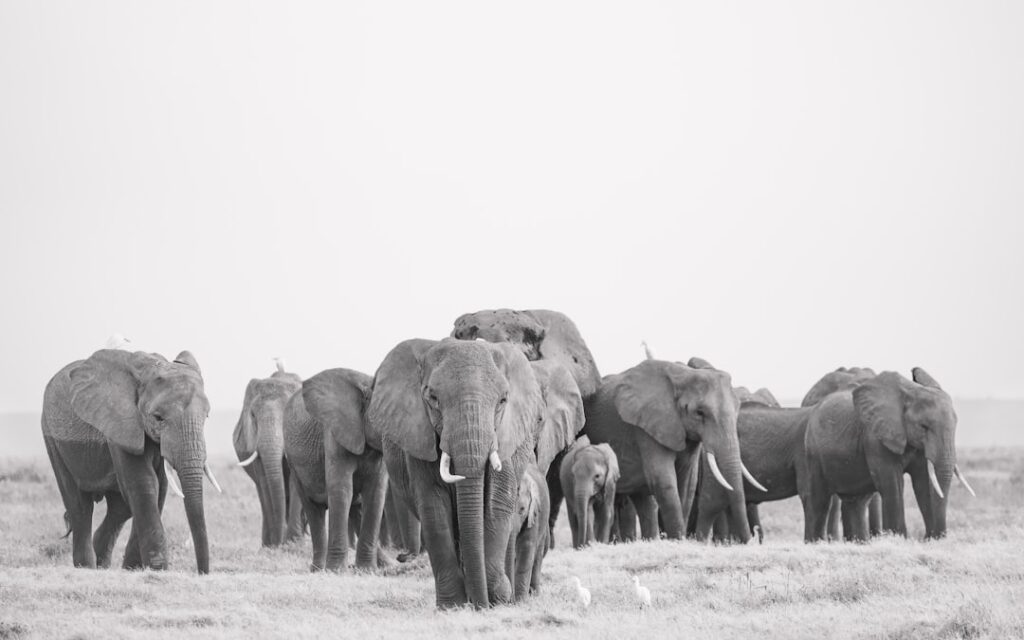
Sunrise in Amboseli National Park reveals a scene so iconic it defines an entire continent: a parade of massive bull elephants, their tusks brushing the golden grass, moving silently beneath the snow-capped peak of Mount Kilimanjaro. The air is crisp, carrying the distant rumble of a lion’s roar and the earthy scent of the marshland. This is not just a safari; it’s a front-row seat to one of Africa’s most breathtaking and enduring tableaus, where over 1,600 elephants roam freely across the 392-square-kilometer park.
Why Amboseli, Kenya Stands Out

Grayscale photo of trees on grass field, Amboseli, Kenya
- Historic Architecture: The Maasai manyatta, a traditional homestead of mud, sticks, and cow dung, represents a centuries-old architectural tradition perfectly adapted to the savannah environment.
- Cultural Scene: The Eunoto ceremony, a decade-long warrior initiation rite for Maasai men, is a profound cultural event featuring days of singing, dancing, and symbolic rituals.
- Local Specialties: Nyama Choma, succulent grilled goat or beef, is a social staple best enjoyed with a side of Ugali (maize porridge) and a cold Tusker beer.
Pro Tip: Your best bet for epic wildlife viewing and clear Kilimanjaro views is during the dry seasons from June to October and January to February. Arrive at the park gates by 6:15 AM to be among the first vehicles inside, beating the heat and the mini-bus crowds to the prime sightings.
Map of Amboseli, Kenya
Use these interactive maps to explore Amboseli, Kenya and plan your route:
📍 View Amboseli, Kenya on OpenStreetMap
🗺️ Open Amboseli, Kenya in Google Maps
Planning Your Trip: Practical Essentials
Getting There and Around
- By Air: Fly into Jomo Kenyatta International Airport (NBO) in Nairobi. From there, connect via a 45-minute scheduled flight to Amboseli’s airstrip with airlines like Safarilink or Airkenya. Book flights at Skyscanner for best deals.
- By Train: No direct train service to Amboseli. The Madaraka Express connects Nairobi to Mombasa. For Amboseli, road transfer from Nairobi is required. Reserve tickets at Trainline or the national railway website for other Kenyan journeys.
- By Car: The 240km drive from Nairobi takes 4-5 hours via the Mombasa Road (A109) and the C103. A 4×4 vehicle is essential for park tracks. Compare car rentals at RentalCars.com.
- Local Transport: Within the park, transport is exclusively via registered safari vehicles with pop-up roofs. Your lodge will arrange game drives. There is no public transport inside Amboseli National Park.
Best Time to Visit
Amboseli’s climate dictates the wildlife movements and visibility of Kilimanjaro. The dry seasons offer concentrated animal action around water sources, while the green seasons paint the landscape lush but can obscure the mountain’s peak.
| Season | Weather | Highlights |
|---|---|---|
| Dry Season (Jun–Oct) | Warm, sunny days (20-28°C), chilly nights, very little rain. | Prime wildlife viewing at waterholes, clear Kilimanjaro views, high season crowds. |
| Dry Season (Jan–Feb) | Hot, dry days (25-30°C), pleasant evenings. | Excellent birding, good elephant sightings, fewer visitors than mid-year. |
| Green Season (Nov–Dec & Mar–May) | Short rains (Nov) or long rains (Apr-May), lush scenery, occasional storms. | Beautiful landscapes, newborn animals, low season rates, but Kilimanjaro often cloud-covered. |
Budgeting for Amboseli, Kenya

A large elephant walking across a lush green field, Amboseli, Kenya
| Category | Budget | Mid-range | Luxury |
|---|---|---|---|
| Accommodation | $80-150/night (camping or basic lodge) | $250-450/night (comfortable lodge, full board) | $600-1,200+/night (premium safari camp) |
| Meals | $15-25/day (lodge picnic lunches) | $40-60/day (lodge buffet meals) | Included (premium all-inclusive) |
| Transport | $100/day (shared vehicle game drives) | $150-250/day (private 4×4 & driver) | $300+/day (exclusive vehicle & guide) |
| Activities | $70 (park fee per 24hrs) | $70 park fee + $50 cultural visit | $70 park fee + bespoke guided walks |
| Daily Total | $265-395 | $510-830 | $1,000-1,600+ |
Top Attractions and Must-See Sights
| Attraction | Description | Hours | Entry Fee |
|---|---|---|---|
| Amboseli National Park | Famous for its large elephant herds and stunning views of Mount Kilimanjaro across the border in Tanzania. | 6:00 AM – 6:30 PM | $70 USD (adult, 24hrs) |
| Observation Hill | A rocky vantage point offering a breathtaking 360-degree panorama of the park’s swamps, plains, and animal herds. | Daylight hours | Included in park fee |
| Maasai Cultural Manyatta | An authentic village visit to learn about traditional Maasai pastoral life, crafts, dance, and history. | By arrangement | $20-30 USD (per person) |
| Enkongo Narok Swamp | A permanent wetland fed by Kilimanjaro’s springs, attracting elephants, hippos, and prolific birdlife like the saddle-billed stork. | Daylight hours | Included in park fee |
3-Day Itinerary: Amboseli, Kenya’s Highlights & Hidden Gems
Day 1: Giants of the Savannah
- Morning: Enter the park at 6:30 AM for a sunrise game drive focusing on the Enkongo Narok Swamp. Watch elephants bathe and hippos grumble. Your guide will help spot the park’s famous “big tuskers.”
- Afternoon: Enjoy a packed lunch at a scenic spot. Head to the western plains for cheetah and lion sightings. Stop by the Kimana Gate area, a lesser-tracked zone where giraffe and zebra are plentiful.
- Evening: Sundowner drinks at Observation Hill as the sun sets behind Kilimanjaro. Dinner at your lodge—try the Nyama Choma.
Day 2: Culture & Conservation
- Morning: An early guided nature walk ($50) on the park periphery with a Maasai guide, learning about tracking and medicinal plants—an intimate alternative to vehicle-based viewing.
- Afternoon: Visit a pre-arranged Maasai manyatta ($25). Participate respectfully, learn about beadwork, and witness a traditional jumping dance. Have lunch back at your lodge.
- Evening: A late-afternoon game drive to the Longinye Swamp, a quieter area favored by birdwatchers for its flocks of flamingos and pelicans.
Day 3: Panoramas & Departure
- Morning: A final game drive (6:30 AM – 10:00 AM) targeting any species you’ve missed. Savvy visitors know to check the woodlands near the park headquarters for leopards.
- Afternoon: Depart the park. If you have a late flight, consider lunch at the Amboseli Serena Safari Lodge, which has a stunning pool view of the plains and mountain.
- Evening: Transfer to the airstrip for your flight to Nairobi or begin your road journey back, stopping at a curio market for authentic Maasai beadwork.
Cultural Insights & Etiquette
- Language: Swahili and English are official; Maasai (Maa) is spoken locally. Learn “Sopa” (Hello) and “Ashe oleng” (Thank you very much) for the Maasai.
- Customs: Always ask permission before photographing people, especially Maasai villagers. A polite request and a small agreed tip are customary. Handshakes are common, but use your right hand.
- Tipping: Tip your safari driver-guide $15-25 USD per day per vehicle. Lodge staff appreciate $5-10 left at the end of your stay. Tip Maasai village guides directly as agreed.
- Dress Code: Neutral, earthy colors (khaki, green, beige) are best for game drives. When visiting villages, dress modestly (covered shoulders and knees).
- Business Hours: Park hours are strict (6 AM-6:30 PM). Lodges operate 24/7. Village visits are arranged for morning or late afternoon.
Where to Eat: Amboseli, Kenya’s Best Bites
Dining in Amboseli is almost exclusively lodge-based, featuring buffets with a mix of international and Kenyan cuisine. The focus is on fresh, hearty meals to fuel your safari days.
Must-Try Local Specialties
- Nyama Choma: The quintessential Kenyan barbecue. For the best experience, ask your lodge if they can arrange a special bush dinner with grilled meat under the stars.
- Ugali with Sukuma Wiki: A staple combo of maize porridge and sautéed collard greens. It’s a delicious, authentic taste of everyday Kenyan life.
- Mandazi: Sweet, fried dough triangles often served at breakfast with tea. They’re the perfect safari snack to take on your morning drive.
Restaurant Recommendations by Budget
| Type | Restaurant | Specialty | Price Range |
|---|---|---|---|
| Lodge Dining | Ol Tukai Lodge Restaurant | Extensive buffet with carving station and Kenyan dishes, plus epic Kilimanjaro views. | $$$ (Meals included in stay) |
| Mid-range | Amboseli Serena Dining Room | Themed dinner nights and a beautiful terrace overlooking a waterhole frequented by elephants. | $$$ (Meals included in stay) |
| Fine dining | Tortilis Camp Private Bush Dinner | A exclusive, romantic multi-course meal set at a private location in the wilderness. | $$$$ (By special arrangement) |
Where to Stay
Accommodation ranges from rustic camps to ultra-luxurious tented suites, all located in the immediate park environs or just outside the gates. Compare prices and book at Booking.com or Airbnb for apartments in nearby towns like Emali (for budget overnights pre-park).
Best Areas for Accommodation
- Inside the Park (Ol Tukai Area): Offers immediate wildlife access and the chance for animals to wander through the lodge grounds. You’re closer to prime viewing areas but options are limited to a few established lodges.
- Just Outside the Park Gates (Kimana/Kitirua): A wider range of camps and lodges at various price points. You’ll have a short drive to the gate each morning but often more spacious grounds and community-focused operations.
- Private Conservancies (Selenkay): Adjacent to the park, these offer exclusive, low-impact safari experiences with night drives and guided walks not permitted inside the national park itself.

A dead animal laying on the ground in a field, Amboseli, Kenya
FAQs: Your Amboseli, Kenya Questions Answered
1. Is Amboseli, Kenya safe at night?
Within the park and at your secured lodge or camp, it is very safe. You are not permitted to drive in the park after dark. Movement at night is restricted to lodge grounds, often with Maasai askari (guards) escorting you to your tent. Always follow your lodge’s specific safety instructions regarding wildlife on property.
2. What currency is used and are credit cards accepted?
The Kenyan Shilling (KES) is the local currency. US Dollars are widely accepted for park fees, tips, and at most lodges. Major lodges accept Visa and Mastercard, but always carry sufficient cash (small USD bills or KSH) for tips, village visits, and curio purchases. ATMs are only found in major towns far from the park.
3. How do I get from the airport to the city center?
Amboseli is a wilderness area with no “city center.” From the Amboseli airstrip, your pre-booked lodge will provide a transfer (included in most stays). From Nairobi’s Jomo Kenyatta Airport (NBO), you’ll need a pre-arranged private transfer (4-5 hour drive, approx. $200-300) or a connecting flight. Book airport transfers at GetYourGuide for convenience from Nairobi.
4. Do I need to speak the local language?
No. English is an official language and is spoken fluently by all safari guides, lodge staff, and in tourism circles. Learning a few basic Swahili or Maasai greetings, however, is greatly appreciated and enhances your cultural interactions.
5. What’s the appropriate dress code?
Pack for practicality and respect. For game drives: neutral-colored, comfortable clothing, a warm layer for early mornings, a wide-brimmed hat, and sturdy shoes. For cultural visits: modest clothing that covers shoulders and knees. A swimsuit is useful for lodges with pools. Avoid bright white, blue, or black clothing which can attract tsetse flies.
Final Thoughts: Amboseli, Kenya Awaits
Amboseli offers a safari experience that is both profoundly majestic and intimately detailed. It’s where you come to witness the scale of Africa—embodied by Kilimanjaro and its elephant herds—and also to appreciate the delicate balance of an ecosystem and a culture that has endured for generations. While the wildlife is the headline, the true magic often lies in the quiet moments: a shared smile with a Maasai elder, the golden light on the swamp at dusk, the profound silence of the savannah. For a journey that connects you to the iconic heart of East Africa, with unparalleled photographic opportunities and genuine cultural depth, Amboseli is a destination that delivers on every promise. Don’t leave without spending one evening simply watching the clouds clear from Kilimanjaro’s peak—it’s a memory that defines a lifetime of travel.
Related Guides
Explore more destinations similar to Amboseli:
- Skagway, USA: Best Gold Rush History, Epic Rail Journeys & Wild Alaskan Beauty (2025)
- Ngaoundéré, Cameroon: Best Cattle Culture, Volcanic Landscapes & Fulani Traditions (2025)
- Loga, Niger’s Hidden Culture, Architecture & Authentic Sahelian Life (2025)
- Khorol, Mongolia: Ultimate Nomadic Spirit, Volcanic Lakes & Untamed Wilderness (2025)
{“@context”: “https://schema.org”, “@type”: “FAQPage”, “mainEntity”: [{“@type”: “Question”, “name”: “What is the best time to visit Amboseli?”, “acceptedAnswer”: {“@type”: “Answer”, “text”: “The best time to visit Amboseli depends on your preferences. Generally, the dry season offers the most pleasant weather for sightseeing and outdoor activities.”}}, {“@type”: “Question”, “name”: “How many days do I need in Amboseli?”, “acceptedAnswer”: {“@type”: “Answer”, “text”: “Most travelers spend 3-5 days in Amboseli to see the main attractions. A week allows for a more relaxed pace and day trips.”}}, {“@type”: “Question”, “name”: “Is Amboseli expensive to visit?”, “acceptedAnswer”: {“@type”: “Answer”, “text”: “Amboseli can be visited on various budgets. Accommodation ranges from hostels to luxury hotels, and local restaurants offer affordable dining.”}}]}

