
Guanaja, Honduras: Epic Unspoiled Reefs, Waterfront Villages & Caribbean Seclusion (2026)
While over 2 million tourists descend on the Bay Islands of Honduras annually, fewer than 15,000 make it to Guanaja. This isn’t an oversight; it’s by design. With no roads, no cruise ship docks, and a landscape where waterways replace streets, Guanaja operates on a different rhythm. Here, the main settlement, Bonacca, is a densely packed “Venice of the Caribbean” built entirely on stilts over the water, where the morning soundtrack is the putter of water taxis and the call of fishermen, not the roar of scooters.
Why Guanaja, Honduras Stands Out
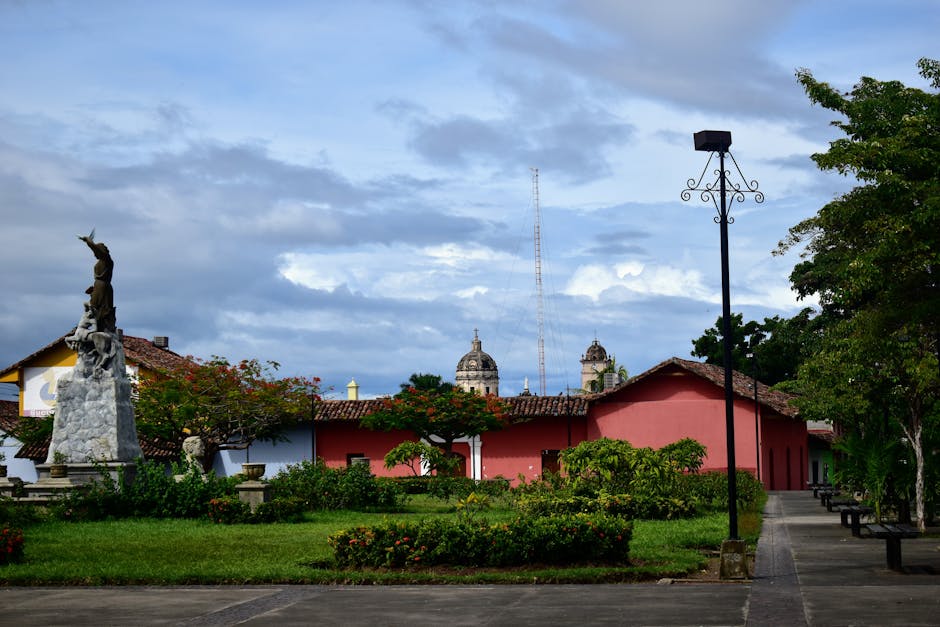
Colonial architecture and statue in a scenic town square on a cloudy day., Guanaja, Honduras
- Historic Architecture: The 19th-century Anglican Christ Church in Bonacca Town, built from imported pine in 1861, stands as a testament to the island’s British colonial past and resilience against hurricanes.
- Cultural Scene: The annual Guanaja Carnival in August transforms the island with vibrant parades, traditional Garifuna drumming, and Punta dancing, a celebration of the island’s unique cultural fusion.
- Local Specialties: You must try a plate of fresh-caught lobster, grilled simply with lime and butter, often served with rice, beans, and fried plantains right on the beach where it was caught.
Pro Tip: The absolute best time to visit is during the shoulder seasons of late April to early June or September to November. You’ll avoid the peak summer crowds and the higher prices of December-March, while still enjoying fantastic weather and calmer seas for diving. Aim for weekdays to have pristine dive sites virtually to yourself.
Map of Guanaja, Honduras
Use these interactive maps to explore Guanaja, Honduras and plan your route:
📍 View Guanaja, Honduras on OpenStreetMap
🗺️ Open Guanaja, Honduras in Google Maps
Planning Your Trip: Practical Essentials
Getting There and Around
- By Air: Guanaja Airport (GJA) receives daily flights from Roatan (30 min) and La Ceiba (25 min) via CM Airlines and Aerolíneas Sosa. Book flights at Skyscanner for best deals. A water taxi from the airport to Bonacca costs about $5-10 per person.
- By Train: No train service exists to the island. All access is by air or sea.
- By Car: There are no car rentals on Guanaja, as there are virtually no roads. The primary modes of transport are boats and your own two feet. Compare car rentals at RentalCars.com for your mainland travel.
- Local Transport: Your taxi is a boat. Water taxis are the lifeblood of the island. A short hop within Bonacca costs around $2-3 per person. For longer trips to beaches or resorts, negotiate a rate with a local boat captain, typically $20-40 for a half-day charter.
Best Time to Visit
Guanaja enjoys a tropical climate year-round, but the key difference is between the dry season (February to June) and the rainy season (July to January, with peaks in Oct-Nov). The water is warmest for diving from June to October.
| Season | Weather | Highlights |
|---|---|---|
| Dry Season (Feb–Jun) | Sunny, low humidity, avg 85°F (29°C), minimal rain. | Ideal for diving, hiking, and beach days; peak visibility underwater; busiest and most expensive period. |
| Rainy Season (Jul–Jan) | Warm, humid, avg 82°F (28°C), frequent short afternoon showers. | Lush green landscapes, fewer tourists, lower prices; great for fishing; some dive sites may have reduced visibility after heavy rain. |
| Shoulder (Apr–May/Sep–Oct) | Pleasant mix of sun and occasional rain, comfortable temps. | The sweet spot: good weather, thinner crowds, and lower accommodation rates. Perfect for a balanced experience. |
Budgeting for Guanaja, Honduras

Stunning aerial view of dock and coastline in Coxen Hole, Bay Islands, Honduras., Guanaja, Honduras
| Category | Budget | Mid-range | Luxury |
|---|---|---|---|
| Accommodation | $30-50/night (basic guesthouse) | $80-150/night (beachfront cabaña or B&B) | $200-400+/night (full-service dive resort) |
| Meals | $15/day (comedores, street food, self-catering) | $30-40/day (restaurant meals, fresh seafood) | $75+/day (resort dining, lobster dinners) |
| Transport | $10/day (public water taxis, walking) | $25/day (chartered water taxi trips) | $50+/day (private boat for the day) |
| Activities | $0-20/day (hiking, public beaches) | $50-80/day (2-tank dive, guided hike) | $150+/day (private dive guide, fishing charter) |
| Daily Total | $55-85 | $185-295 | $475+ |
Top Attractions and Must-See Sights
| Attraction | Description | Hours | Entry Fee |
|---|---|---|---|
| Bonacca (The Cay) | A mesmerizing “floating city” of colorful wooden houses connected by canals and footbridges, offering a glimpse into unique island life. | Always open | Free |
| Michael’s Rock | A legendary pinnacle dive site where the wall plunges to over 2,000 feet, teeming with sharks, eagle rays, and massive sponges. | Dive trips 8am & 1pm | $60-80 for a 2-tank dive |
| Waterfall at Soldado Beach | A stunning freshwater cascade that flows directly onto a white-sand beach on the north shore, perfect for a refreshing rinse after a swim. | Daylight hours | Free (small fee for boat landing) |
| Bayman Bay Club Reef | A pristine section of the Mesoamerican Barrier Reef accessible from shore, ideal for snorkelers to see turtles, rays, and vibrant coral gardens. | Daylight hours | Free for guests; day-pass ~$15 |
3-Day Itinerary: Guanaja, Honduras’s Highlights & Hidden Gems
Day 1: Immersion in Bonacca & The Cay
- Morning (7-9 AM): Arrive by water taxi to Bonacca Cay. Wander the maze of wooden walkways as the town wakes up. Find the historic Christ Church and watch fishermen unload their catch at the main dock.
- Afternoon (12-3 PM): Have lunch at Mango’s Restaurant on the water for their garlic shrimp plate. Then, hire a boat ($15-20) for the 10-minute ride to Savannah Bight on the main island to see the traditional Garifuna community.
- Evening (6-8 PM): Return to Bonacca for sunset views from the “Bridge of Love.” Enjoy dinner at Posada del Sol’s open-air restaurant (reservations recommended) for upscale Honduran cuisine.
Day 2: Dive Deep & Beach Bliss
- Morning (8 AM): Book a 2-tank dive trip ($65) with Guanaja Dive Center to sites like Jado Trader (a sunken wreck) or Black Rock. Even snorkelers can join the boat and explore shallow gardens.
- Afternoon (1 PM): The dive boat will often stop at a secluded beach for a picnic lunch. If not, head to Bayman Bay Club for a day pass, using their beach and fantastic reef for afternoon snorkeling.
- Evening (6 PM): Keep it casual with a beach barbecue. Many small *enramadas* (thatched-roof eateries) on beaches like Mangrove Bight will grill the fish you caught or bought that day for a small fee.
Day 3: Island Exploration & Waterfall Magic
- Morning (9 AM): Charter a boat for 3-4 hours ($40-60 total) to the north shore. Visit the iconic Soldado Beach Waterfall and swim in its pool. Continue to Pigeon Cays, tiny palm-fringed islets perfect for a swim.
- Afternoon (1 PM): Your boat captain can drop you at a local spot like Miller’s Landing for a late lunch of whole fried snapper and *baleadas* (flour tortillas filled with beans and cheese).
- Evening (5 PM): For your final night, take a short hike to a hilltop for a panoramic sunset view over the Cay. Enjoy a farewell dinner at a family-run *comedor* in Bonacca, where the menu is whatever was fresh that morning.
Cultural Insights & Etiquette
- Language: Spanish is official, but English is widely spoken due to the Bay Islands’ British history. A friendly “Good morning” or “Howdy” (common local greeting) goes a long way. Learn a few phrases: “*¿Cuánto cuesta el pasaje?*” (How much is the boat fare?).
- Customs: Life is slow-paced. Practice patience. Always greet people before launching into requests or questions. It’s polite to ask before taking photos of individuals, especially in Bonacca.
- Tipping: 10% is customary in restaurants if service isn’t included. For boat captains and dive guides, $5-10 per day is appreciated for good service.
- Dress Code: Beachwear is for the beach. When walking around Bonacca or visiting communities, cover up with shorts and a t-shirt. It’s respectful and protects from the sun.
- Business Hours: Shops in Bonacca open around 8 AM, close for a midday siesta (12-2 PM), and reopen until 5 or 6 PM. Many places are closed on Sunday. Schedules are fluid—”island time” is real.
Where to Eat: Guanaja, Honduras’s Best Bites
Dining here is defined by incredible freshness. Menus are dictated by the day’s catch and the season’s harvest. You’ll eat simply prepared seafood, coconut-infused dishes, and hearty Central American staples. Don’t expect fancy decor; the best meals are often at rustic tables with your feet in the sand.
Must-Try Local Specialties
- Whole Grilled Lobster: The island’s signature. Served with rice, beans, fried plantains, and a lime wedge. Best tried at a beach *enramada* like those at Mangrove Bight.
- Sopa de Caracol: A rich, creamy conch soup simmered in coconut milk with yuca, plantains, and spices. Find an authentic version at family-run Comedor Mi Esperanza in Bonacca.
- Baleadas: A beloved Honduran street food: a thick flour tortilla folded around refried beans, crumbled cheese, and cream. For a super version with eggs and avocado, hit Baleadas Express in the Cay.
Restaurant Recommendations by Budget
| Type | Restaurant | Specialty | Price Range |
|---|---|---|---|
| Budget | Comedor Katy (Bonacca Cay) | Honduran home-cooked plates, huge portions | $5-8 per meal |
| Mid-range | Mango’s Restaurant (Bonacca waterfront) | Fresh seafood, garlic shrimp, great views | $12-20 per entree |
| Fine dining | Posada del Sol Resort Restaurant (East End) | Upscale international & local fusion, elegant setting | $25-40 per entree |
Where to Stay
Accommodation ranges from rustic guesthouses in Bonacca to secluded dive resorts on the mainland’s coasts. Your choice dictates your experience: staying on the Cay puts you in the heart of local life, while a resort offers all-inclusive ease and direct beach access. Compare prices and book at Booking.com or Airbnb for apartments.
Best Neighborhoods for Accommodation
- Bonacca Cay: The vibrant, bustling heart. You’re steps from everything, with constant water taxi access. Perfect for independent travelers and culture seekers. Can be noisy and accommodations are basic.
- North Shore (e.g., Bayman Bay Club area): Secluded beaches, lush hills, and direct reef access. Ideal for divers, snorkelers, and those seeking quiet relaxation. Requires boat transport for any excursion.
- East End (e.g., near Posada del Sol): Home to the island’s more upscale resorts. Offers beautiful settings, full amenities, and great diving. Best for travelers wanting a packaged, comfortable experience away from local hubs.

Close-up of a marked map of Central America, Guanaja, Honduras
FAQs: Your Guanaja, Honduras Questions Answered
1. Is Guanaja, Honduras safe at night?
Guanaja is generally very safe. Violent crime against tourists is extremely rare. Standard precautions apply: avoid walking alone in unlit areas of Bonacca late at night, don’t flash expensive electronics, and use common sense. The biggest safety concerns are related to nature: sun exposure, strong currents when swimming, and boat safety—always wear a life jacket on water taxis.
2. What currency is used and are credit cards accepted?
The Honduran Lempira (HNL) is the official currency, but US dollars are widely accepted, especially in tourist areas. The current exchange is roughly 25 HNL to 1 USD. Credit cards are accepted at larger resorts and some restaurants in Bonacca, but cash is king everywhere else. There are a few ATMs in Bonacca, but they can run out of cash, so it’s wise to bring sufficient US dollars in smaller denominations.
3. How do I get from the airport to the city center?
Guanaja Airport is on the main island. Upon exiting the small terminal, you’ll find water taxi drivers waiting. A shared ride to Bonacca Cay costs about $5-10 per person for the 5-10 minute boat ride. To reach a resort on the north or east shore, you’ll need to pre-arrange a transfer with your hotel, which can cost $20-50 depending on distance. Book airport transfers at GetYourGuide for convenience.
4. Do I need to speak the local language?
No, but it helps. English is spoken by most people in the tourism industry and many locals, a
Explore More Destinations
- Jozani, Tanzania on a Budget: an Ancient Forest for $35/Day (2026)
- Nsumbu, Zambia on a Budget: Wild Africa for $40/Day (2026)
- Semporna, Malaysia on a Budget: Paradise for $35/Day (2026)
- Khuzestan, Iran on a Budget: Ancient Empires for $30/Day (2026)
- Ngerulmud, Palau on a Budget: Island Majesty for $45/Day (2026)
Ready to Visit Guanaja?
Start planning your trip today. Compare hotels, find the best tours, and get insider tips.
Your adventure in Guanaja starts here →
Related Guides
Explore more destinations similar to Guanaja:
- Sitka, USA’s Hidden Wildlife, Russian History & Coastal Wilderness (2025)
- Bonthe, Sierra Leone: Ultimate Colonial History, Island Life & River Adventures (2025)
- Khorgo, Mongolia’s Ultimate Volcanoes, Nomads & Alpine Lakes (2026)
- Azrou, Morocco’s Essential Cedars, Crafts & Berber Culture (2026)
{“@context”: “https://schema.org”, “@type”: “FAQPage”, “mainEntity”: [{“@type”: “Question”, “name”: “What is the best time to visit Guanaja?”, “acceptedAnswer”: {“@type”: “Answer”, “text”: “The best time to visit Guanaja depends on your preferences. Generally, the dry season offers the most pleasant weather for sightseeing and outdoor activities.”}}, {“@type”: “Question”, “name”: “How many days do I need in Guanaja?”, “acceptedAnswer”: {“@type”: “Answer”, “text”: “Most travelers spend 3-5 days in Guanaja to see the main attractions. A week allows for a more relaxed pace and day trips.”}}, {“@type”: “Question”, “name”: “Is Guanaja expensive to visit?”, “acceptedAnswer”: {“@type”: “Answer”, “text”: “Guanaja can be visited on various budgets. Accommodation ranges from hostels to luxury hotels, and local restaurants offer affordable dining.”}}]}

