
Mongolia’s Khovsgol Lake, Mongolia: Incredible Wilderness, Nomadic Culture & Crystal Waters (2026)
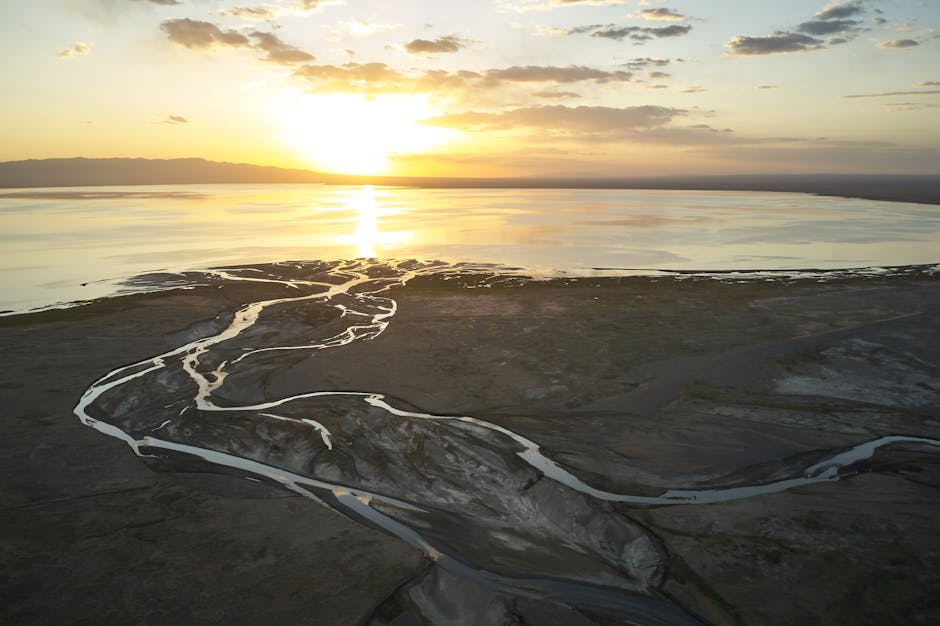
At dawn on the shores of Khövsgöl Nuur, the silence is so profound you can hear the lake’s ancient ice groan and shift. A lone Tsaatan reindeer herder guides his animals across the frosty meadow, their breath misting in the -20°C air. This is the “Blue Pearl of Mongolia,” a 136-kilometer-long alpine lake holding nearly 70% of the country’s fresh water and a spirit of wilderness lost to most of the world. While crowds flock to the Gobi Desert, Khövsgöl delivers pristine, Siberian-taiga landscapes and profound cultural immersion without a single traffic light for hundreds of miles.
Why Mongolia’s Khovsgol Lake, Mongolia Stands Out
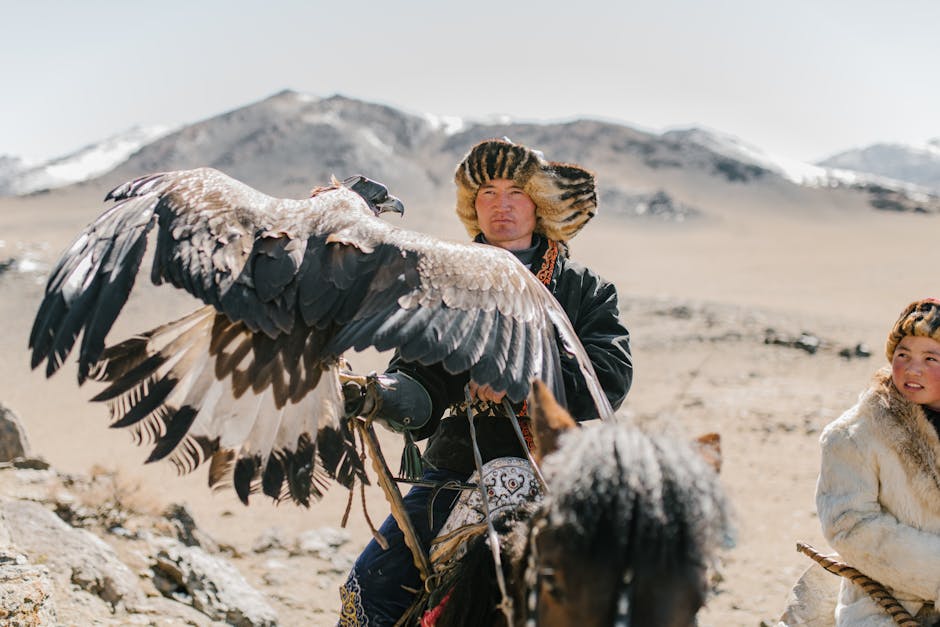
Mongolian hunter with an eagle on horseback in snowy highlands., Mongolia’s Khovsgol Lake, Mongolia
- Historic Architecture: The Uushig Deer Stone complex, dating to the Bronze Age (1200-700 BCE), features intricately carved standing stones depicting deer and ancient symbols, offering a tangible link to Mongolia’s shamanic past.
- Cultural Scene: The annual Naadam Festival in Khatgal (July 11-13) isn’t just for show; it’s a genuine competition of the “Three Manly Games”—wrestling, horse racing, and archery—deeply rooted in nomadic warrior tradition.
- Local Specialties: You must try authentic Khorkhog, a traditional barbecue where mutton, vegetables, and hot stones are cooked inside a sealed container, resulting in incredibly tender, smoky meat.
Pro Tip: Visit in late June or early September. You’ll dodge the peak July tourist rush and the biting cold of deep winter, securing better rates at ger camps and experiencing the golden larch forests or the serene “shoulder season” calm.
Map of Mongolia’s Khovsgol Lake, Mongolia
Use these interactive maps to explore Mongolia’s Khovsgol Lake, Mongolia and plan your route:
📍 View Mongolia’s Khovsgol Lake, Mongolia on OpenStreetMap
🗺️ Open Mongolia’s Khovsgol Lake, Mongolia in Google Maps
Planning Your Trip: Practical Essentials
Getting There and Around
- By Air: Fly into Mörön Airport (MXV) from Ulaanbaatar on Hunnu Air or Aero Mongolia (1.5 hours). From Mörön, it’s a 2-3 hour rugged drive to Khatgal. Book flights at Skyscanner for best deals.
- By Train: No direct train to the lake. The classic route is an overnight train from Ulaanbaatar to Erdenet, followed by a long jeep journey. Reserve tickets at Trainline or the national railway website.
- By Car: A 4×4 vehicle is mandatory. The drive from UB to Khatgal is ~670km and takes 12+ hours on rough tracks. Rentals with a driver are standard. Compare car rentals at RentalCars.com.
- Local Transport: There is no public transport. Travel is by arranged jeep, horse, or boat. Your ger camp or tour operator will handle all local transfers.
Best Time to Visit
The experience transforms dramatically with the seasons. Summer offers hiking and boating, while winter is a frozen wonderland for ice festivals and dog sledding.
| Season | Weather | Highlights |
|---|---|---|
| Summer (Jun–Aug) | 10°C to 20°C, sunny days, cool nights, occasional rain. | Hiking, horse trekking, kayaking, Naadam Festival. Busiest season with ger camps full. |
| Winter (Dec–Feb) | -15°C to -30°C, heavy snow, frozen lake (1.2m thick ice). | Ice skating, ice fishing, dog sledding, Northern Lights. Extremely cold but magical and quiet. |
| Shoulder (Apr–May/Sep–Oct) | -5°C to 10°C, unpredictable, potential snow or sun. | Best for solitude, lower prices, stunning autumn colors or spring thaw. Some camps closed. |
Budgeting for Mongolia’s Khovsgol Lake, Mongolia

A scenic view of lush grasslands stretching under a vibrant blue summer sky., Mongolia’s Khovsgol Lake, Mongolia
| Category | Budget | Mid-range | Luxury |
|---|---|---|---|
| Accommodation | $15-30/night (hostel ger, basic camp) | $50-100/night (comfortable ger with stove) | $150+/night (heated cabin, ensuite) |
| Meals | $10-15/day (camp meals, simple fare) | $20-35/day (good camp dining) | $50+/day (imported items, guided dining) |
| Transport | Shared jeep costs (~$50/day split) | Private jeep & driver ($120-200/day) | Private plane charter ($1000+) |
| Activities | Free hiking, self-guided exploration | Horse trek ($40/day), boat trip ($30) | Multi-day guided expeditions, fishing tours |
| Daily Total | $75-100/day | $150-250/day | $300+/day |
Top Attractions and Must-See Sights
| Attraction | Description | Hours | Entry Fee |
|---|---|---|---|
| Khatgal Village & Museum | The gateway town with a small, insightful museum on local Tsaatan (reindeer herder) culture and lake ecology. | 9 AM – 6 PM (summer) | $2 |
| Jigleg Pass Hike | A moderate hike offering the most spectacular panoramic view of the entire lake from the south. | Daylight hours | Free |
| Horse Trekking from Khankh | Ride Mongolian horses along the eastern shore, the traditional way to explore the remote northern reaches. | Arrange with camps | $40-80/day |
| Ice Festival (Winter) | Annual March event featuring ice sculptures, sumo wrestling on ice, and traditional games on the frozen lake. | Festival days only | $5-10 |
3-Day Itinerary: Mongolia’s Khovsgol Lake, Mongolia’s Highlights & Hidden Gems
Day 1: Southern Shores & Cultural Immersion
- Morning (7-9 AM): Arrive in Khatgal after the drive from Mörön. Fuel up with a hearty breakfast of boortsog (fried dough) and suutei tsai (salty milk tea) at Khatgal Guesthouse.
- Afternoon (12-3 PM): Visit the Khatgal Museum, then take a 1-hour boat tour ($25) from the pier to appreciate the lake’s vast scale. For lunch, try the lake fish (omul) at Khovsgol Lake View Restaurant.
- Evening (6-8 PM): Transfer to your ger camp (like Khongor Ger Camp). Enjoy a sunset walk before a communal Khorkhog dinner prepared by your hosts, followed by stargazing in the utterly dark sky.
Day 2: High Vistas & Nomadic Life
- Morning (8 AM): Hike to Jigleg Pass (3-4 hours round trip). The trailhead is near Khatgal. Pack water and layers—the weather changes fast.
- Afternoon (1 PM): Descend and have a late picnic lunch by the shore. Then, visit a local nomadic family through your camp’s arrangement (~$15 per person). Participate in milking yaks or making dried curd (aaruul).
- Evening (7 PM): Enjoy a relaxed dinner at camp. If it’s Wednesday or Saturday in summer, ask about the small, authentic wrestling matches that sometimes take place in Khatgal.
Day 3: Northern Exploration & Departure
- Morning (7 AM): Take a jeep journey north along the rough eastern track towards Khankh village (2-3 hours, ~$120 for vehicle). The landscape becomes more densely forested and wild.
- Afternoon (12 PM): In Khankh, arrange a 2-hour horse ride ($25) with a local guide to see the area from the saddle. Have a simple lunch of noodle soup (guriltai shöl) at a local house.
- Evening (5 PM): Begin the return journey to Khatgal or Mörön for your onward flight, stopping to photograph the dramatic sunset over the Siberian taiga—a final, unforgettable vista.
Cultural Insights & Etiquette
- Language: Learn “Sain bain uu?” (Hello), “Bayarlalaa” (Thank you). Russian is more common than English. A phrasebook is invaluable.
- Customs: Always receive items (food, drink, gifts) with your right hand, with your left hand touching your right elbow as a sign of respect. Never step on the threshold of a ger.
- Tipping: Not customary but greatly appreciated for guides and drivers. 5-10% of a tour cost or a small gift (like good quality sweets from your country) is perfect.
- Dress Code: Modest, practical, and layered. For ger visits, remove your hat inside. Sturdy hiking boots are essential, not fashion shoes.
- Business Hours: Shops in Khatgal keep irregular hours. Ger camps operate 24/7 for guests. Major holidays like Naadam (July 11-13) and Tsagaan Sar (Lunar New Year) shut everything down.
Where to Eat: Mongolia’s Khovsgol Lake, Mongolia’s Best Bites
Dining revolves around your ger camp, which provides all meals. The cuisine is hearty, dairy-rich, and meat-focused, designed for nomadic life. Don’t expect a variety of restaurants; the experience is about authentic, communal camp meals.
Must-Try Local Specialties
- Khorkhog: The definitive Mongolian barbecue. Best experienced at a ger camp where it’s prepared traditionally with hot stones.
- Buuz: Steamed dumplings filled with mutton and onion. Look for them at the small canteens in Khatgal or as a camp lunch.
- Aaruul: Dried curds, a ubiquitous snack. They’re tart, chewy, and an acquired taste—locals love them with tea.
Restaurant Recommendations by Budget
| Type | Restaurant | Specialty | Price Range |
|---|---|---|---|
| Budget | Khatgal Market Stalls | Fresh fried buuz, simple soups | $2-5 per meal |
| Mid-range | Khovsgol Lake View Restaurant (Khatgal) | Grilled omul fish from the lake, pasta | $8-15 per meal |
| Fine dining | Your Ger Camp’s Chef (e.g., Asral Travel Ger Camp) | Multi-course traditional meals, European options | Included in camp rate |
Where to Stay
Accommodation is exclusively in tourist ger camps or the few guesthouses in Khatgal. “Luxury” means a heated ger with a proper bed and private outhouse. Location is key: lakeside camps offer beauty but remoteness; camps near Khatgal offer easier access to “town.” Compare prices and book at Booking.com or Airbnb for apartments (rare).
Best Neighborhoods for Accommodation
- Near Khatgal: Ideal for first-time visitors, with easier access to boat tours, the museum, and supplies. Less remote feeling but more convenient.
- Eastern Shore Camps: The most scenic and peaceful location, directly on the lake. Perfect for solitude and sunrise views, but requires longer transfers.
- Northern Area (Khankh): For serious adventurers and trekkers heading deeper into the taiga or towards the Tsaatan communities. Very basic facilities.

Two children in traditional Mongolian clothing peek through curtains, Mongolia’s Khovsgol Lake, Mongolia
FAQs: Your Mongolia’s Khovsgol Lake, Mongolia Questions Answered
1. Is Mongolia’s Khovsgol Lake, Mongolia safe at night?
Extremely safe in terms of crime. The primary risks are environmental: extreme cold, wild animals (wolves, bears—rare but present), and getting lost. Always inform your camp of your plans, carry a light, and never wander far alone at night. Inside the ger camp perimeter, you are perfectly safe.
2. What currency is used and are credit cards accepted?
The Mongolian Tugrik (MNT) is the currency. Cash is king. There are no ATMs at the lake, and credit cards are virtually useless. Withdraw all the cash you’ll need in Ulaanbaatar or Mörön before arriving. Some ger camps may accept USD in a pinch.
3. How do I get from the airport to the city center?
From Mörön Airport (MXV), you must have pre-arranged transport. Your ger camp will typically send a driver for a fee (~$50-80 per vehicle to Khatgal). There are no taxis or buses. Book airport transfers at GetYourGuide for convenience as part of a tour package.
4. Do I need to speak the local language?
No, but it helps immensely. English is limited to staff at tourist camps. Your driver/guide will translate. Learning a few basic Mongolian or Russian phrases (hello, thank you, how much) will earn you huge smiles and better service.
5. What’s the appropriate dress code?
Functional and layered. Think thermal base layers, fleece, waterproof and windproof outer shell, sturdy hiking boots, warm hat, and gloves—even in summer. For visiting families, clean, modest clothing is respectful. Avoid revealing shorts or tank tops in community areas.
Final Thoughts: Mongolia’s Khovsgol Lake, Mongolia Awaits
Khovsgöl Lake is not a destination for luxury resorts or ticking off famous landmarks. It’s a journey into a raw, elemental version of our planet and a culture moving to the ancient rhythm of the seasons. You come here to feel small under a boundless sky, to drink water straight from a glacial source, and to understand the resilient warmth of nomadic hospitality. Savvy travelers know the real luxury here is silence, space, and stars undimmed by light pollution. Your best bet is to embrace the simplicity, pack your sense of adventure, and let the “Blue Pearl” show you a world that still operates on its own timeless terms. Don’t leave without sharing a bowl of airag (fermented mare’s milk) with a herder—it’s
Explore More Destinations
- Jozani, Tanzania on a Budget: an Ancient Forest for $35/Day (2026)
- Nsumbu, Zambia on a Budget: Wild Africa for $40/Day (2026)
- Semporna, Malaysia on a Budget: Paradise for $35/Day (2026)
- Khuzestan, Iran on a Budget: Ancient Empires for $30/Day (2026)
- Ngerulmud, Palau on a Budget: Island Majesty for $45/Day (2026)
Ready to Visit Mongolia’s Khovsgol Lake?
Start planning your trip today. Compare hotels, find the best tours, and get insider tips.
Your adventure in Mongolia’s Khovsgol Lake starts here →
Related Guides
Explore more destinations similar to Mongolia’s Khovsgol Lake:

