
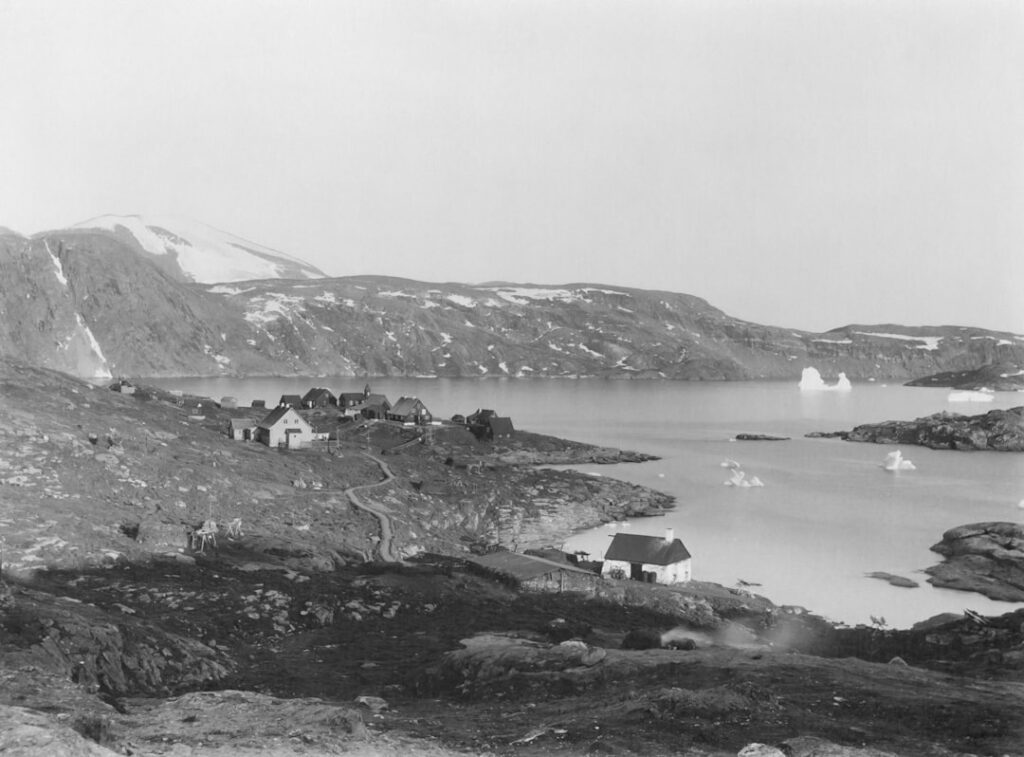
Upernavik, Greenland’s Epic Icebergs, Inuit Culture & Arctic Solitude (2026)
While crowds flock to Ilulissat for its famous ice fjord, Upernavik, Greenland delivers a more profound, personal Arctic encounter without the tourist buses. Here, you’ll find a working settlement of 1,100 people clinging to a rocky island at 72°47’N, where the primary soundtrack is the groan of icebergs and the chatter of sled dogs. This is the gateway to the Upernavik Archipelago’s 90+ islands, a starkly beautiful world of ice and stone where daily life is dictated by the sea and the seasons, offering a raw authenticity that’s increasingly rare.
Why Upernavik, Greenland Stands Out

Toy houses on a detailed map of Greenland, Upernavik, Greenland
- Historic Architecture: The Old Town Museum, housed in Greenland’s oldest prefabricated wooden church from 1882, holds a remarkable collection of local artifacts and mummies.
- Cultural Scene: The Upernavik Museum’s annual “Seal Day” in spring celebrates the traditional hunt with skinning demonstrations, games, and community feasts.
- Local Specialties: You must try *suaasat*, a hearty seal or whale meat stew, often served with rice and onions at local *kaffemiks* (social coffee gatherings).
Pro Tip: Visit in late May or early June. You’ll experience the 24-hour midnight sun for surreal, endless daylight, but avoid the peak July-August period when the few tourist lodgings are fully booked by researchers and expedition crews. This shoulder season also offers better chances to see the sea ice breaking up dramatically.
Map of Upernavik, Greenland
Use these interactive maps to explore Upernavik, Greenland and plan your route:
📍 View Upernavik, Greenland on OpenStreetMap
🗺️ Open Upernavik, Greenland in Google Maps
Planning Your Trip: Practical Essentials
Getting There and Around
- By Air: Upernavik Airport (JUV) is served by Air Greenland Dash-8 flights from Ilulissat (1.5 hours) and Qaanaaq (via Pituffik Space Base). Flights are weather-dependent and book up months in advance. Book flights at Skyscanner for best deals.
- By Train: No rail connections exist in Greenland. All long-distance travel is by air or seasonal ferry.
- By Car: There are no roads connecting towns. Car rentals don’t exist; travel is by foot, boat, or dogsled.
- Local Transport: You walk everywhere in town. For excursions to nearby settlements like Kangersuatsiaq, you must arrange a boat charter through your guesthouse or the local tourism office, which can cost 1500-3000 DKK per group.
Best Time to Visit
Your experience in Upernavik is dramatically defined by the season. The “warm” months from June to August offer accessibility and light, while winter is for the hardcore adventurer seeking the Northern Lights and traditional ice travel.
| Season | Weather | Highlights |
|---|---|---|
| Summer (Jun–Aug) | -5°C to 10°C (23°F to 50°F). Midnight sun, less ice, possible fog. | Boat tours, hiking, museum access. Peak for research teams, book lodging early. |
| Winter (Dec–Feb) | -15°C to -25°C (5°F to -13°F). Polar night, sea ice, Northern Lights. | Dogsledding, ice fishing, stark beauty. For experienced cold-weather travelers only. |
| Shoulder (Apr–May/Sep–Oct) | -10°C to 0°C (14°F to 32°F). Changing light, dynamic ice conditions. | Best for photography, potential for both winter and summer activities, few visitors. |
Budgeting for Upernavik, Greenland

A woman in Nuuk, Greenland, smiles warmly in a winter coat at twilight., Upernavik, Greenland
| Category | Budget | Mid-range | Luxury |
|---|---|---|---|
| Accommodation | Hostel/Guesthouse: 400-600 DKK/night | Hotel Upernavik: 900-1200 DKK/night | Private Charter Stay: 2000+ DKK/night |
| Meals | Groceries from Pilersuisoq: 200 DKK/day | Guesthouse half-board: 300-400 DKK/day | Organized expedition dining: 600+ DKK/day |
| Transport | Walking: Free | Boat charter (split): 300-500 DKK/day | Private boat & guide: 1500+ DKK/day |
| Activities | Hiking, Museum: 0-50 DKK | Guided boat tour: 500-800 DKK | Multi-day dogsled expedition: 3000+ DKK/day |
| Daily Total | 600-850 DKK | 1700-2500 DKK | 5000+ DKK |
Top Attractions and Must-See Sights
| Attraction | Description | Hours | Entry Fee |
|---|---|---|---|
| Upernavik Museum | Housed in the 1882 church, it features poignant Inuit mummies, kayaks, and tupilak figures. | Mon-Fri 10-16, Sat 12-16 (Summer) | 50 DKK |
| The Old Town (Qaarsorsuaq) | Wander the historic, colorful wooden houses perched on the rocky hillside for iconic Arctic views. | Always open | Free |
| Iceberg Viewing from Kingigtorsuag Island | A short boat ride to an uninhabited island offering front-row seats to towering icebergs calving from the glacier. | Daylight hours, weather permitting | Boat charter required (~800 DKK pp) |
| Sled Dog Yards | Observe hundreds of Greenlandic dogs, the lifeline of winter travel, in their coastal enclaves. | From a respectful distance, always | Free |
3-Day Itinerary: Upernavik, Greenland’s Highlights & Hidden Gems
Day 1: Immersion in Town & History
- Morning (7-9 AM): Hike up to the cross on the hill behind town for a panoramic sunrise view over the archipelago. The light at this hour is magical, illuminating the colorful houses.
- Afternoon (12-3 PM): Visit the Upernavik Museum (50 DKK). Afterward, enjoy a simple lunch at the Hotel Upernavik cafeteria—try the open-faced shrimp sandwich. Then, stroll through the Old Town cemetery, a sobering reminder of Arctic life with graves dating back to the 19th century.
- Evening (6-8 PM): Join a local for a *kaffemik* if invited (a great reason to chat with guides or guesthouse hosts). For dinner, your guesthouse will likely serve a family-style meal, often featuring locally caught fish.
Day 2: The Archipelago by Boat
- Morning (8 AM): Depart on a 4-hour guided boat tour to the icebergs near Kingigtorsuag Island (~800 DKK per person). Your guide will point out seals and seabirds, and you might hear the thunderous crack of calving ice.
- Afternoon (1 PM): Return to town. Grab a quick bite at the Pilersuisoq supermarket—their hot dogs are a local staple. Then, visit the workshop of a local craftsman (ask at the museum) to see soapstone carving.
- Evening (6 PM): Enjoy a hearty *suaasat* stew prepared by your accommodation. After dinner, take a midnight walk under the soft, perpetual twilight of the midnight sun.
Day 3: Local Life & Departure
- Morning (9 AM): If it’s a weekday, visit the fish processing plant (from the outside) to see the town’s economic heartbeat. Then, walk to the northern end of town to quietly observe the sled dog teams.
- Afternoon (12 PM): Have a final lunch at your guesthouse. Purchase any last-minute souvenirs—look for handmade sealskin mittens or a tupilak carving at the museum shop. Pack warm layers for your flight.
- Evening (5 PM): Transfer to Upernavik Airport for your departing flight. Savvy travelers know to check in early, as flights are critical lifelines and procedures are thorough.
Cultural Insights & Etiquette
- Language: The local language is Greenlandic (Kalaallisut). “Aluu” (hello) and “Qujanaq” (thank you) go a long way. Most younger people speak some Danish, and basic English is understood in tourist-facing roles.
- Customs: Hunting is not a sport but a vital part of subsistence life and culture. Avoid judgmental questions. Always ask permission before photographing people, especially hunters or their catch.
- Tipping: Not expected but appreciated for exceptional guide service. Rounding up a bill or leaving 50-100 DKK for a full-day guide is a kind gesture.
- Dress Code: Practical, warm, windproof, and waterproof layers are essential. For community events, clean, casual clothing is fine. Dress modestly when visiting the museum or church.
- Business Hours: Shops like Pilersuisoq are generally open Mon-Fri 10-17, Sat 10-13. Hours can be fluid. Everything closes on Sundays and public holidays.
Where to Eat: Upernavik, Greenland’s Best Bites
Dining in Upernavik is about sustenance and local produce. There are no restaurants in the conventional sense. Meals are primarily provided by your hotel or guesthouse as part of a half- or full-board arrangement, featuring what is fresh and available from the sea and local hunters.
Must-Try Local Specialties
- Suaasat: The national dish, a thick stew of seal, whale, reindeer, or seabird with onions, potatoes, and rice. The flavor is rich and gamey. Your guesthouse is the best place to try an authentic version.
- Mattak: Raw whale skin with a thin layer of blubber, an acquired taste rich in Vitamin C. Often served at celebrations. It has a nutty, chewy texture.
- Fresh Arctic Char: Often simply pan-fried or dried. You might be served this if you join a fishing trip. Its flavor is clean and delicate.
Restaurant Recommendations by Budget
| Type | Restaurant | Specialty | Price Range |
|---|---|---|---|
| Budget | Pilersuisoq Supermarket | Groceries, ready-made sandwiches, and hot dogs | 30-80 DKK |
| Mid-range | Hotel Upernavik Cafeteria | Open-faced sandwiches, simple hot meals, and coffee | 80-150 DKK |
| Fine dining | Your Guesthouse Kitchen | Multi-course dinners featuring the day’s local catch or game | Included in board (200-400 DKK value) |
Where to Stay
Accommodation is extremely limited, with only one hotel and a few guesthouses. Book at least 4-6 months in advance, especially for summer. All options provide essential warmth and are hubs for arranging activities. Compare prices and book at Booking.com or Airbnb for apartments (though Airbnb listings are very rare here).
Best Neighborhoods for Accommodation
- Near the Harbor: This is where Hotel Upernavik is located. Pros: Central, easy access to boats, views of the water. Cons: Can be noisier with town activity. Best for those wanting convenience.
- The Old Town Hillside: Where most guesthouses (like Upernavik Guesthouse) are found. Pros: Incredible views, quieter, more atmospheric. Cons: Steep walks to and from the harbor. Best for photographers and those seeking peace.
- There is no third distinct neighborhood. The town is small, and all lodging is within a 15-minute walk.

A picturesque view of Nuuk with colorful buildings against a mountainous ba…, Upernavik, Greenland
FAQs: Your Upernavik, Greenland Questions Answered
1. Is Upernavik, Greenland safe at night?
Yes, it is exceptionally safe in terms of crime. The primary safety concerns are environmental: steep, rocky paths, often icy or slippery. Always wear proper footwear with grip and use a headlamp if walking at night during the dark season. Also, always give sled dog teams a very wide berth, as they are working animals and can be protective.
2. What currency is used and are credit cards accepted?
The Danish Krone (DKK) is the currency. Credit cards (Visa/Mastercard) are accepted at the hotel, museum, and Pilersuisoq supermarket. However, for boat charters, paying guides, or small purchases, cash is king. Withdraw cash from the ATM at Pilersuisoq upon arrival, as it can be unreliable.
3. How do I get from the airport to the city center?
The airport is on a separate island, a 10-minute boat ride from town. A communal passenger boat (the “Airport Boat”) meets all flights and costs about 30 DKK per person. The schedule is synchronized with flights. Your guesthouse will provide details. There is no need to book a private transfer. Book airport transfers at GetYourGuide for convenience (for other destinations, but not typically for Upernavik).
4. Do I need to speak the local language?
No, but it helps to learn a few phrases. English is not widely spoken outside the tourism office and hotel, but Danes and Greenlandic people are patient. Have a translation app ready for basic interactions in shops. Key phrases: “Aluu” (Hello), “Qujanaq” (Thank you), “Hansen?” (Where is…?).
5. What’s the appropriate dress code?
Forget fashion; think function. Your wardrobe is your survival kit. Pack a waterproof/windproof outer shell, insulated mid-layers (fleece, down), thermal base layers, a warm hat, gloves, and insulated, waterproof boots. Even in summer, the wind off the ice can be biting. Dress in layers you can easily adjust.
Final Thoughts: Upernavik, Greenland Awaits
Upernavik is not a destination for checklist tourism. It’s a place for immersion, for feeling the immense scale of the Arctic, and for understanding a culture shaped by one of Earth’s most demanding environments. You won’t find luxury spas or buzzing nightlife, but you will find profound silence, staggering beauty, and genuine human warmth. Travelers often discover that the most memorable part is the perspective gained from life at the
Explore More Destinations
- Jozani, Tanzania on a Budget: an Ancient Forest for $35/Day (2026)
- Nsumbu, Zambia on a Budget: Wild Africa for $40/Day (2026)
- Semporna, Malaysia on a Budget: Paradise for $35/Day (2026)
- Khuzestan, Iran on a Budget: Ancient Empires for $30/Day (2026)
- Ngerulmud, Palau on a Budget: Island Majesty for $45/Day (2026)
Ready to Visit Upernavik?
Start planning your trip today. Compare hotels, find the best tours, and get insider tips.
Your adventure in Upernavik starts here →
Related Guides
Explore more destinations similar to Upernavik:

