
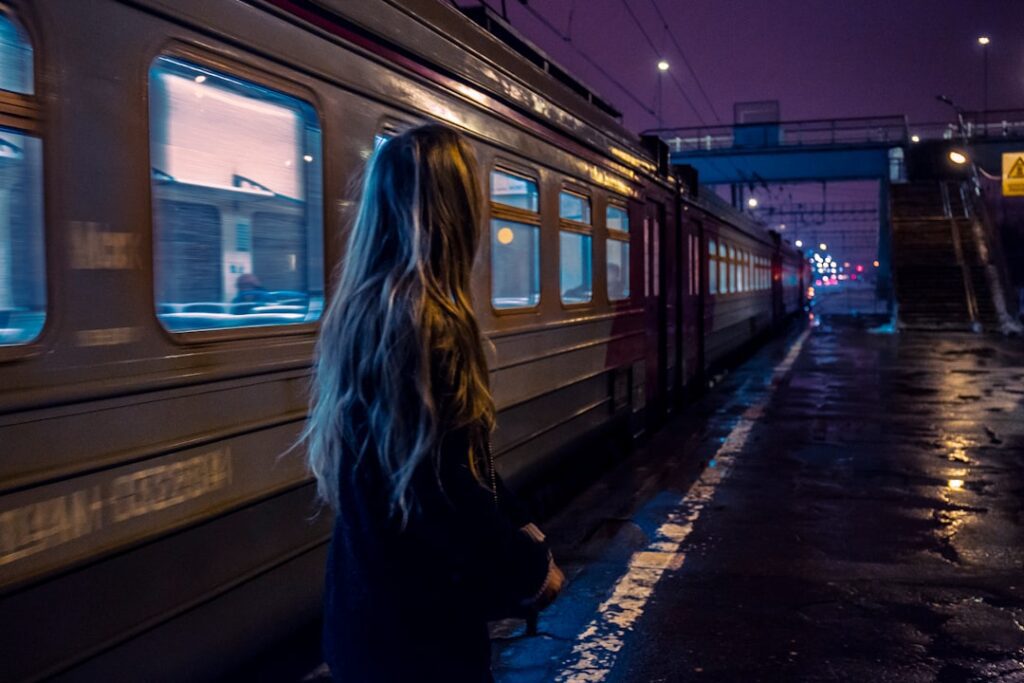
Trans-Siberian Railway, Russia: Hidden Epic Journeys, Endless Landscapes & Train Carriage Camaraderie (2026)
Sunrise over Lake Baikal from a moving train window reveals a world of impossible scale: 5,772 miles of track, eight time zones, and a continent unfolding outside your compartment. The rhythmic clatter of wheels on rails, the scent of strong tea brewing on a samovar, and the ever-changing tapestry of birch forests, steppe, and remote villages. This isn’t just a train ride; it’s a week-long meditation on distance, a moving microcosm of Russia itself, where the journey is the undisputed destination.
Why The Trans-Siberian Railway Stands Out

A green and black train traveling down train tracks, Trans-Siberian Railway, Russia
- Historic Architecture: The grand Yaroslavl Railway Terminal in Moscow, built in 1904, is your starting point—a masterpiece of Russian Revival architecture with its iconic clock tower, setting the stage for an epic voyage.
- Cultural Scene: The unique, transient community of your train carriage, where shared meals, stories over chess, and impromptu guitar sessions with fellow travelers from across the globe create lasting bonds.
- Local Specialties: Pelmeni (Siberian dumplings) served by the provodnitsa (carriage attendant) from her own kitchen, a hearty, homely taste of the region you’re traversing.
Pro Tip: For the ideal balance of weather, daylight, and manageable crowds, book your journey for the shoulder seasons of late May to early June or September. You’ll avoid the peak summer tourist rush and the deep freeze of winter, while still enjoying long days and stunning seasonal landscapes—golden autumn leaves or spring blossoms.
Map of The Trans-Siberian Railway, Russia
Use these interactive maps to explore The Trans-Siberian Railway, Russia and plan your route:
📍 View The Trans-Siberian Railway, Russia on OpenStreetMap
🗺️ Open The Trans-Siberian Railway, Russia in Google Maps
Planning Your Trip: Practical Essentials
Getting There and Around
- By Air: Most journeys begin in Moscow (SVO, DME, or VKO airports) or end in Vladivostok (VVO). Major airlines like Aeroflot serve these hubs. Book flights at Skyscanner for best deals.
- By Train: This is the entire point! The main route is Moscow to Vladivostok. Book tickets directly via the official Russian Railways (RZD) website or use a specialized agent like Real Russia for help with visas and logistics.
- By Car: Not applicable for the core journey. However, renting a car at stopover cities like Irkutsk to explore Lake Baikal is a fantastic idea. Compare car rentals at RentalCars.com.
- Local Transport: In major stopover cities (Yekaterinburg, Irkutsk), you’ll use metros, trams, and buses. Purchase a Troika card in Moscow or single-journey tickets locally. Taxis via Yandex Go app are affordable and reliable.
Best Time to Visit
Your experience is dramatically shaped by the season. Summer offers endless light and social carriages, winter a silent, frost-encrusted fairy tale, and the shoulder seasons provide a peaceful, picturesque middle ground.
| Season | Weather | Highlights |
|---|---|---|
| Summer (Jun–Aug) | 10°C to 25°C (50°F to 77°F); long days, mostly dry. | Vibrant atmosphere on trains, all hiking trails open at Lake Baikal, peak travel season (book far ahead). |
| Winter (Dec–Feb) | -15°C to -30°C (5°F to -22°F); very short days, heavy snow. | Magical frozen Lake Baikal, few tourists, a starkly beautiful and introspective journey. Requires serious preparation. |
| Shoulder (May/Jun & Sep/Oct) | 5°C to 18°C (41°F to 64°F); variable, chance of rain/snow. | Best balance: fewer crowds, lower prices, beautiful autumn gold or spring green landscapes, comfortable temperatures. |
Budgeting for The Trans-Siberian Railway, Russia

Brown wooden house with green grass lawn, Trans-Siberian Railway, Russia
| Category | Budget | Mid-range | Luxury |
|---|---|---|---|
| Accommodation (on train) | 3rd Class (Platskartny): $50-80/night | 2nd Class (Kupé): $100-200/night | 1st Class (Spalny Vagon): $300+/night |
| Meals | Train station pirozhki, instant noodles: $10-15/day | Dining car meals, city restaurants: $25-40/day | Fine dining in cities, premium train food: $60+/day |
| Transport (core ticket) | Moscow-Vladivostok in Platskartny: ~$350 | Moscow-Vladivostok in Kupé: ~$600-$900 | Private compartment/ luxury tour: $3000+ |
| Activities (stopovers) | Free walks, city museums: $5-15/day | Guided tours, Baikal boat trips: $30-60/day | Private guides, helicopter tours: $150+/day |
| Daily Total | $60-100/day | $120-200/day | $400+/day |
Top Attractions and Must-See Sights
| Attraction | Description | Hours | Entry Fee |
|---|---|---|---|
| Lake Baikal (Listvyanka) | The world’s deepest, oldest freshwater lake, a breathtaking stop where you can hike, take a boat cruise, or visit the nerpa seal aquarium. | Accessible 24/7; museums 10 AM-6 PM | Free; Taltsy Museum ~$5; Baikal Museum ~$7 |
| The Kremlin & Red Square, Moscow | The historic and political heart of Russia, where your journey begins, encompassing St. Basil’s Cathedral, Lenin’s Mausoleum, and the GUM department store. | Square: 24/7; Kremlin museums: 10 AM-5 PM (closed Thu) | Red Square: Free; Kremlin Armory: ~$15 |
| Church on the Blood, Yekaterinburg | A stunning memorial church built on the site where the last Tsar, Nicholas II, and his family were executed in 1918, marking a pivotal historical moment. | 7 AM-11 PM daily | Free to enter |
| Vladivostok Fortress & Russky Island | The dramatic endpoint, featuring historic naval fortifications and the stunning Russky Bridge, symbolizing Russia’s Pacific ambitions. | Fortress Museum: 10 AM-6 PM (closed Mon) | Fortress Museum: ~$3 |
3-Day Itinerary: Trans-Siberian Stopover Highlights & Hidden Gems
This itinerary assumes a 2-3 night stopover in Irkutsk/Lake Baikal, the most popular break in the journey.
Day 1: Arrival in Irkutsk & Siberian Charm
- Morning (7-9 AM): Arrive at Irkutsk Railway Station after your overnight train. Take a taxi ($5-7) to your guesthouse in the historic city center. Drop bags and head straight to Karl Marx Street for a strong coffee at Coffee Like.
- Afternoon (12-3 PM): Walk the “Green Line” self-guided tour past ornate wooden lace houses. For lunch, grab a table at Rassolnik for authentic Siberian cuisine—try the solyanka soup and stroganina (frozen raw fish). Visit the Decembrists Museum to understand Siberia’s role as a place of exile.
- Evening (6-8 PM): Stroll along the Angara River embankment. For dinner, savor pelmeni and craft beer at the lively Khinkalnaya. Your best bet is to book a morning marshrutka (shared minibus, ~$5) to Listvyanka on Lake Baikal for the next day.
Day 2: The Majesty of Lake Baikal
- Morning (9 AM-12 PM): One-hour marshrutka ride to Listvyanka village. Head directly to the Baikal Museum ($7) to understand the lake’s unique ecology via interactive exhibits and see the nerpa seals. Then, walk the shoreline to the Retro Park with its quirky Soviet car collection.
- Afternoon (12-4 PM): Feast on omul, the signature smoked Baikal fish, from a lakeside vendor. Take a 1-hour boat tour ($15) from the pier to appreciate the lake’s vast scale. Hike part of the Great Baikal Trail for stunning panoramic views.
- Evening (4-7 PM): Return to Irkutsk. For a special dinner, book at Figaro for excellent European-Russian fusion. Locals recommend ending the night with a view from the 130th Kvartal historical district.
Day 3: Cultural Depths & Departure
- Morning (10 AM-1 PM): Take a local bus ($1, 40 mins) to the Taltsy Museum of Wooden Architecture ($5). This open-air site features rescued historic Siberian log buildings, including a fortified ostrog (fort), offering a tangible glimpse into pioneer life.
- Afternoon (1-4 PM): Return to Irkutsk for a final lunch at the Central Market. Grab blini with caviar or smoked meats from the bustling stalls. Pick up souvenirs like birch bark crafts or Baikal tea.
- Evening (4 PM onward): Collect your luggage and head to Irkutsk station. Stock up on provisions (instant noodles, biscuits, tea) for your onward train journey. Board your train, settle into your kupé, and share stories of Baikal with your new carriage companions as Siberia rolls by once more.
Cultural Insights & Etiquette
- Language: Learn Cyrillic basics—it’s essential for station signs. Key phrases: “Spasibo” (Thank you), “Zdravstvuyte” (Hello), “Gde tualet?” (Where is the toilet?).
- Customs: On the train, it’s polite to offer food to your compartment mates. Remove your shoes when entering a kupé; slippers are provided. When visiting a home, always bring a small gift.
- Tipping: Not traditionally expected, but rounding up the bill or leaving 5-10% in restaurants is appreciated. Tipping your provodnitsa (carriage attendant) $5-10 at the end of a long leg is a gracious gesture.
- Dress Code: Practical and layered is key. On the train, comfortable clothes are fine. For cities and restaurants, smart-casual works. Pack slip-on shoes for the train cabin.
- Business Hours: Major shops 10 AM-9 PM. Museums often close one day a week (Monday or Thursday). Banks and offices close for a long lunch (1 PM-2 PM).
Where to Eat: The Trans-Siberian’s Best Bites
Dining is a hybrid of train-carriage picnics, station kiosks, and city restaurants. The provodnitsa often sells simple meals and endless hot water for tea or instant noodles. At longer stops, vendors sell hot pies, smoked fish, and boiled potatoes through train windows.
Must-Try Local Specialties
- Omul: A delicate, slightly oily whitefish endemic to Lake Baikal, best tried smoked or grilled. Find it at the market in Listvyanka or from platform vendors in Slyudyanka station.
- Pelmeni & Vareniki: Dumplings filled with meat (pelmeni) or potato, cherry, or curd cheese (vareniki). Try homemade versions at city cafeterias like Stolovaya No. 1 in major stops.
- Blini: Thin pancakes served with savory (smetana/sour cream, caviar) or sweet (jam, condensed milk) fillings. A perfect train snack from station cafes.
Restaurant Recommendations by Budget
| Type | Restaurant | Specialty | Price Range |
|---|---|---|---|
| Budget | Stolovaya (cafeterias) in any city | Authentic, cheap Russian home-cooking served canteen-style. | $5-10 per meal |
| Mid-range | Rassolnik (Irkutsk) | Modern takes on Siberian classics in a cozy setting. | $15-25 per meal |
| Fine dining | Belmond Grand Hotel Europe (St. Petersburg – if on Trans-Mongolian route) | Imperial-era luxury and caviar service in the historic L’Europe Restaurant. | $80+ per meal |
Where to Stay
Your primary accommodation is the train itself. For stopovers, you’ll want comfortable, well-located hotels or guesthouses. Compare prices and book at Booking.com or Airbnb for apartments.
Best Neighborhoods for Stopover Accommodation
- Irkutsk City Center: The historic heart, close to wooden architecture, restaurants, and the Angara River. Ideal for first-time visitors wanting walkable access to sights. Can be bustling.
- Listvyanka Village (Lake Baikal): For immersion in Baikal’s beauty. You’ll find guesthouses and small hotels with lake views. Perfect for nature lovers, but dining options are more limited and tourist-focused.
- Yekaterinburg City Center: Near the Church on the Blood and the city pond. A modern, vibrant area with good hotels, making it an excellent 1-2 night stop to break the journey and absorb Ural history.

A striking unfinished railway bridge in snowy Novosibirsk, Trans-Siberian Railway, Russia
FAQs: Your Trans-Siberian Railway Questions Answered
1. Is the Trans-Siberian Railway safe at night?
Yes, the trains themselves are generally very safe. Keep your compartment door locked when sleeping and use the provided metal latch. In stations during night stops, be cautious and stay in well-lit areas. Violent crime is rare, but petty theft can occur, so always watch your belongings.
2. What currency is used and are credit cards accepted?
The Russian Ruble (RUB) is the currency. While
Explore More Destinations
- Jozani, Tanzania on a Budget: an Ancient Forest for $35/Day (2026)
- Nsumbu, Zambia on a Budget: Wild Africa for $40/Day (2026)
- Semporna, Malaysia on a Budget: Paradise for $35/Day (2026)
- Khuzestan, Iran on a Budget: Ancient Empires for $30/Day (2026)
- Ngerulmud, Palau on a Budget: Island Majesty for $45/Day (2026)
Ready to Visit Trans-Siberian Railway?
Start planning your trip today. Compare hotels, find the best tours, and get insider tips.
Your adventure in Trans-Siberian Railway starts here →
{“@context”: “https://schema.org”, “@type”: “FAQPage”, “mainEntity”: [{“@type”: “Question”, “name”: “What is the best time to visit Trans-Siberian Railway?”, “acceptedAnswer”: {“@type”: “Answer”, “text”: “The best time to visit Trans-Siberian Railway depends on your preferences. Generally, the dry season offers the most pleasant weather for sightseeing and outdoor activities. Check local climate patterns for specific months.”}}, {“@type”: “Question”, “name”: “How many days do I need in Trans-Siberian Railway?”, “acceptedAnswer”: {“@type”: “Answer”, “text”: “Most travelers spend 3-5 days in Trans-Siberian Railway to see the main attractions. A week allows for a more relaxed pace and day trips to nearby areas.”}}, {“@type”: “Question”, “name”: “Is Trans-Siberian Railway expensive to visit?”, “acceptedAnswer”: {“@type”: “Answer”, “text”: “Trans-Siberian Railway can be visited on various budgets. Accommodation ranges from hostels to luxury hotels. Street food and local restaurants offer affordable dining options.”}}]}
Related Guides
Explore more destinations similar to Trans-Siberian Railway:
- Kayseri, Turkey: Hidden Cappadocia’s Gateway, Culinary Riches & Seljuk Grandeur (2026)
- Gunung Mulu National Park, Malaysia: Essential Caves, Canopies & Ancient Rainforests (2025)
- Fjaðrárgljúfur, Iceland’s Essential Canyons, Waterfalls & Raw Geological Drama (2026)
- Huayhuash Circuit, Peru’s Ultimate Glaciers, Solitude & Andean Majesty (2026)

