
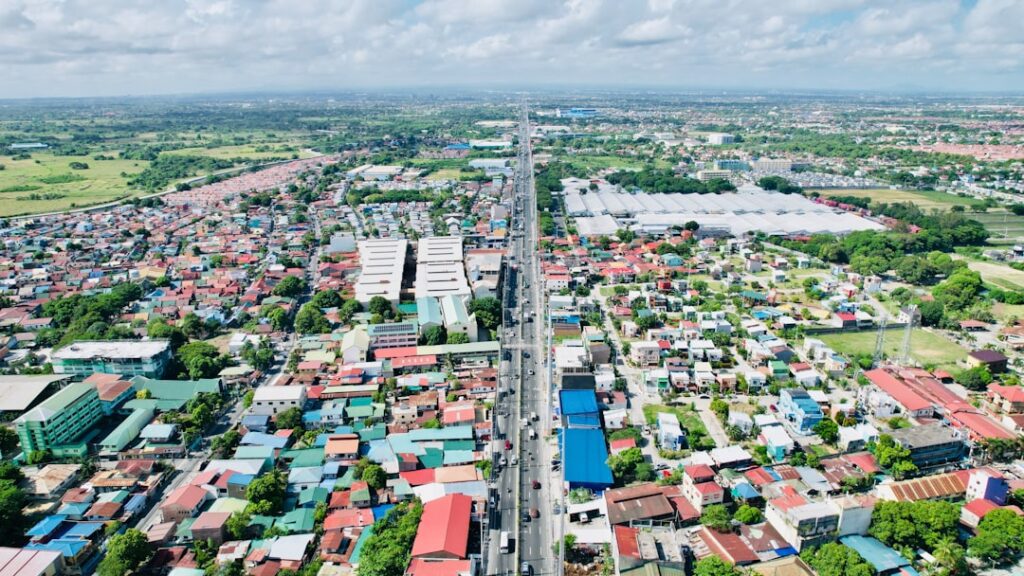
Imus, Philippines’s Epic Heritage, Heroes & Halo-Halo (2026)
While crowds flock to the mega-malls of Manila just 30 kilometers north, Imus, Philippines offers a profound, personal connection to the nation’s revolutionary soul without the overwhelming traffic and tourist premiums. Here, the first official flag of the Philippines was unfurled in 1898, and that spirit of identity and pride still defines the city’s quiet streets and community plazas. Savvy travelers choose differently, swapping generic urban sprawl for the authentic taste of Cavite province’s history and hospitality.
Why Imus, Philippines Stands Out

A river with a bridge and roads, Imus, Philippines
- Historic Architecture: The Imus Cathedral, completed in 1823, is a stunning Spanish-era Baroque church that served as a crucial convent and hospital during the Philippine Revolution.
- Cultural Scene: The Wagayway Festival every May 28th is a vibrant, week-long celebration of the city’s pivotal role as the site of the first official flag-raising, featuring grand parades and historical reenactments.
- Local Specialties: You must try the local version of Pancit Pusit, a savory noodle dish tinted black and flavored with rich squid ink, found in eateries around the public market.
Pro Tip: Plan your visit for a Thursday or Friday morning. The public market is at its most vibrant, and you’ll avoid the weekend family crowds at major sites like the Imus Heritage Park. For the Wagayway Festival, book accommodation at least three months in advance.
Map of Imus, Philippines
Use these interactive maps to explore Imus, Philippines and plan your route:
📍 View Imus, Philippines on OpenStreetMap
🗺️ Open Imus, Philippines in Google Maps
Planning Your Trip: Practical Essentials
Getting There and Around
- By Air: You’ll fly into Ninoy Aquino International Airport (MNL) in Manila. From there, take a taxi or ride-share (Grab) directly to Imus; the 1 to 1.5-hour trip costs ₱800-₱1,200 depending on traffic. Book flights at Skyscanner for best deals.
- By Train: From Manila, take the LRT-1 to Baclaran station, then a jeepney or van bound for Imus. Alternatively, the PNR commuter train to nearby Carmona is an option, but services are less frequent. Reserve tickets at Trainline or the national railway website.
- By Car: Driving via the CAVITEX or Aguinaldo Highway is straightforward. Parking is generally easy and inexpensive. Compare car rentals at RentalCars.com.
- Local Transport: Jeepneys (₱12-₱20) and tricycles (₱50-₱100 for short trips) are the backbone of local transport. For flexibility, ride-sharing apps like Grab operate reliably here.
Best Time to Visit
The dry season from November to April offers the most pleasant weather for exploration. The peak of summer (March-May) can be very hot, but it’s also when the city gears up for its major festival.
| Season | Weather | Highlights |
|---|---|---|
| Dry Season (Nov–Apr) | Warm, 24-32°C, low humidity, minimal rain | Ideal for heritage walks and outdoor festivals; comfortable sightseeing. |
| Wet Season (May–Oct) | Hot, 26-34°C, high humidity, frequent heavy showers | Lush greenery, fewer tourists, but afternoon plans can be disrupted by rain. |
| Festival Season (Late May) | Hot and humid, around 30-35°C | The vibrant Wagayway Festival transforms the city; book early for this cultural peak. |
Budgeting for Imus, Philippines

Black and white street photography capturing two adults engaging in commerc…, Imus, Philippines
| Category | Budget | Mid-range | Luxury |
|---|---|---|---|
| Accommodation | ₱800-₱1,500 per night (basic hotels, hostels) | ₱2,000-₱4,000 per night (3-4 star business hotels) | ₱5,000+ (boutique or resort-style stays in nearby areas) |
| Meals | ₱150-₱300 (carinderia eateries, market food) | ₱300-₱700 (air-conditioned restaurants, cafes) | ₱1,000+ (fine dining at hotel restaurants) |
| Transport | ₱100-₱200 (jeepneys, tricycles) | ₱500-₱1,000 (Grab/taxis for the day) | ₱2,000+ (private car with driver) |
| Activities | ₱0-₱200 (church visits, park walks) | ₱500 (museum fees, guided tours) | ₱1,500+ (private historical tours) |
| Daily Total | ₱1,050 – ₱2,200 | ₱3,300 – ₱5,700 | ₱8,500+ |
Top Attractions and Must-See Sights
| Attraction | Description | Hours | Entry Fee |
|---|---|---|---|
| Imus Cathedral & Plaza | The city’s spiritual and historical heart, featuring the majestic cathedral and a peaceful plaza perfect for people-watching. | Cathedral: 5:00 AM – 8:00 PM daily | Free (Donation appreciated) |
| Imus Heritage Park | A sprawling park centered on the iconic “Battle of Alapan” monument, marking where the Philippine flag was first flown in victory. | Open 24 hours (monument area lit at night) | Free |
| Imus Public Market | A sensory immersion into local life, where you can find everything from fresh produce to local delicacies and handicrafts. | 4:00 AM – 7:00 PM daily | Free |
| Battle of Alapan Flagpole & Shrine | The exact site of the May 28, 1898 battle, featuring a 90-foot flagpole and murals depicting the historic event. | 8:00 AM – 5:00 PM daily | Free |
3-Day Itinerary: Imus, Philippines’s Highlights & Hidden Gems
Day 1: Revolutionary Roots & City Center
- Morning (7-9 AM): Start with a quiet walk around the Imus Heritage Park. The morning light is perfect for photos of the massive flag and monument. Locals are often doing tai chi here.
- Afternoon (12-3 PM): Visit the Imus Cathedral. Then, head to Relyente Restaurant near the plaza for a classic Filipino lunch—try their Kare-Kare (oxtail stew in peanut sauce) for ₱350.
- Evening (6-8 PM): Stroll through the Plaza and watch the city unwind. For dinner, grab a table at Amadeo Grill on Nueno Ave for their famous sizzling Bulalo (beef marrow stew) and live acoustic music.
Day 2: Market Life & Local Flavors
- Morning (8 AM): Dive into the Imus Public Market. Your best bet is to go with an empty stomach. Sample local treats like Puto (steamed rice cakes) and seek out a stall selling Pancit Pusit for an early, authentic lunch (around ₱120).
- Afternoon (1-4 PM): Take a tricycle (₱80) to the Battle of Alapan Flagpole & Shrine. Spend time reading the historical markers. On the way back, stop at Milky Way Café on Anabu Hills for their legendary Halo-Halo (shaved ice dessert) to cool down.
- Evening (6 PM): Experience a local dinner at a carinderia (eatery). Mely’s Kitchen along Malagasang Road is a favorite for home-style cooking. A full meal with drink costs about ₱200.
Day 3: Artisanal Cavite & Departure
- Morning (9 AM): Hire a tricycle for the morning (approx. ₱500) to visit nearby Amadeo, the “Coffee Capital of the Philippines,” just 30 minutes away. Tour a small plantation and buy freshly roasted beans.
- Afternoon (12-2 PM): Return to Imus for a final lunch at Cafe Imus along General Evangelista Street. Their Adobo Rice Bowl is a modern take on a classic for ₱250.
- Evening (4 PM): Pick up last-minute pasalubong (souvenirs) like local pastries or barako coffee from the Goldcrest Pasalubong Center before your journey back to Manila.
Cultural Insights & Etiquette
- Language: Filipino (Tagalog) is the main language. Key phrases: “Magandang umaga” (Good morning), “Salamat” (Thank you). English is widely understood, especially by younger generations and in businesses.
- Customs: Use “Po” and “Opo” as respectful markers when speaking to elders. A slight bow called “Mano” (taking an elder’s hand to your forehead) is a cherished sign of respect.
- Tipping: Not mandatory but appreciated. Round up taxi fares or leave ₱50-₱100 in restaurants. For sit-down meals, a 5-10% tip is customary if no service charge is included.
- Dress Code: Modest dress is expected when entering churches—cover shoulders and knees. Light, breathable clothing is essential for the heat, but avoid overly revealing outfits in the city center.
- Business Hours: Malls and major shops: 10:00 AM – 9:00 PM. Government offices and banks: 8:00 AM – 5:00 PM, often closed noon-1 PM. Many small businesses are open seven days a week.
Where to Eat: Imus, Philippines’s Best Bites
Imus offers a fantastic cross-section of Caviteño and general Filipino cuisine. Dining is social, affordable, and centered around hearty, flavorful dishes. Don’t just eat at chain restaurants; the local eateries hold the real culinary treasures.
Must-Try Local Specialties
- Pancit Pusit: This savory, squid-ink-stained noodle dish is a Cavite signature. For an authentic version, head to the stalls at the Imus Public Market or smaller, family-run eateries like Lety’s Pancitan.
- Bibingka (Imus Style): Unlike the common version, Imus’s bibingka is often thicker, denser, and baked in a clay pot. Find it at roadside vendors or specialty bakeries like Goldilocks or Red Ribbon.
- Tapang Imus (Imus Tapa): A local variant of cured beef, known for its perfect balance of sweet and salty flavors. Try it as a breakfast silog meal (with garlic rice and egg) at Relyente Restaurant.
Restaurant Recommendations by Budget
| Type | Restaurant | Specialty | Price Range |
|---|---|---|---|
| Budget | Mely’s Kitchen (Malagasang Rd) | Home-style Filipino “ulam” (viands) served cafeteria-style | ₱150-₱250 per person |
| Mid-range | Amadeo Grill (Nueno Ave) | Sizzling plates, grilled meats, and a lively atmosphere | ₱300-₱600 per person |
| Fine dining | Vieux Chalet Swiss Restaurant (near Aguinaldo Shrine, Silang) | An unexpected Swiss-Filipino fusion experience in a garden setting (short drive away) | ₱800-₱1,500 per person |
Where to Stay
Accommodation in Imus is primarily functional, with a focus on business hotels and affordable lodgings. For more resort-style options, you may look at nearby Tagaytay. Compare prices and book at Booking.com or Airbnb for apartments.
Best Neighborhoods for Accommodation
- City Center (Near Cathedral/Plaza): The most convenient location for major historical sites and dining. It’s walkable and full of local character, though it can be busy during the day. Best for history buffs.
- Along Aguinaldo Highway: You’ll find most of the modern business hotels and chain restaurants here. Excellent transport links via jeepney to everywhere, but lacks the charm of the center. Ideal for practical travelers.
- Anabu or Malagasang Areas: More residential, quieter neighborhoods with a growing number of cafes and local restaurants. Slightly farther from the core sights but offers a more relaxed, local feel.

Close-up of gold wedding rings in a red velvet box, Imus, Philippines
FAQs: Your Imus, Philippines Questions Answered
1. Is Imus, Philippines safe at night?
Imus is generally safe. The plazas and main streets are well-lit and populated until late. As in any city, exercise common sense: avoid dark, isolated alleys, keep valuables secure, and use registered taxis or the Grab app for late-night transport.
2. What currency is used and are credit cards accepted?
The Philippine Peso (₱) is the currency. While major malls, hotels, and mid-range restaurants accept credit cards, cash is king in markets, jeepneys, tricycles, and smaller eateries. Your best bet is to always have a mix of small bills (₱20, ₱50, ₱100) on hand.
3. How do I get from the airport to the city center?
The most convenient option is to book a ride via the Grab app upon arrival at NAIA. The fixed fare to Imus is typically ₱800-₱1,200 for a 1 to 1.5-hour drive. You can also negotiate with airport taxi operators, but agree on a meter or fixed price first. Book airport transfers at GetYourGuide for convenience.
4. Do I need to speak the local language?
Not at all. English is an official language and is taught in schools. Most people in service industries, and certainly younger locals, speak conversational English. Learning a few basic Filipino phrases, however
Explore More Destinations
- Jozani, Tanzania on a Budget: an Ancient Forest for $35/Day (2026)
- Nsumbu, Zambia on a Budget: Wild Africa for $40/Day (2026)
- Semporna, Malaysia on a Budget: Paradise for $35/Day (2026)
- Khuzestan, Iran on a Budget: Ancient Empires for $30/Day (2026)
- Ngerulmud, Palau on a Budget: Island Majesty for $45/Day (2026)
Ready to Visit Imus?
Start planning your trip today. Compare hotels, find the best tours, and get insider tips.
Your adventure in Imus starts here →
Related Guides
Explore more destinations similar to Imus:
- Nazaré, Portugal’s Essential Giant Waves, Timeless Traditions & Coastal Charm (2026)
- Kranj, Slovenia’s Hidden Gorges, Gothic Charm & Alpine Air (2026)
- Kopaonik, Serbia’s Ultimate Powder, Peaks & Panoramic Bliss (2026)
- Majuro, Marshall Islands: Ultimate Atolls, WWII History & Traditional Navigation (2025)

